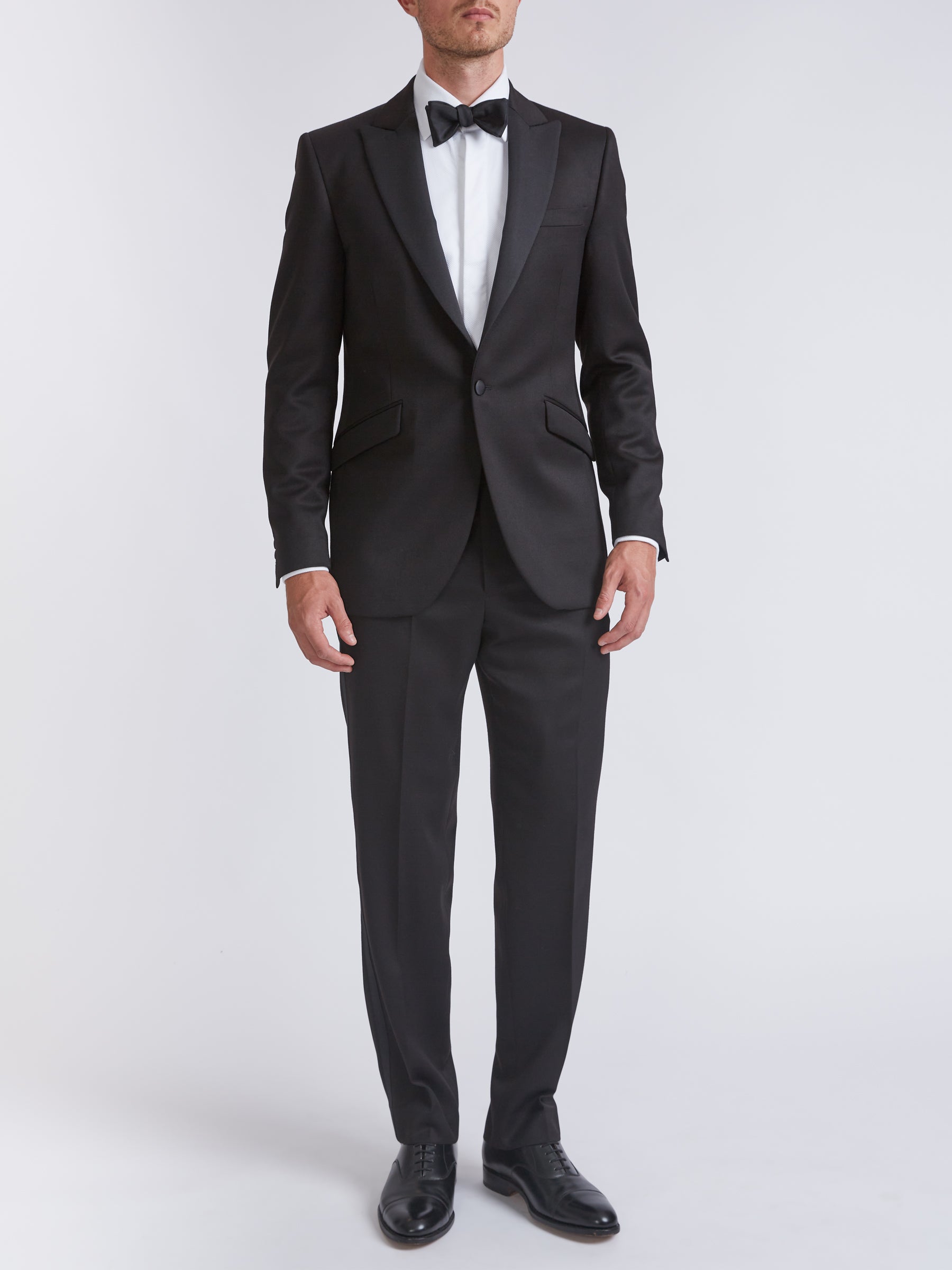
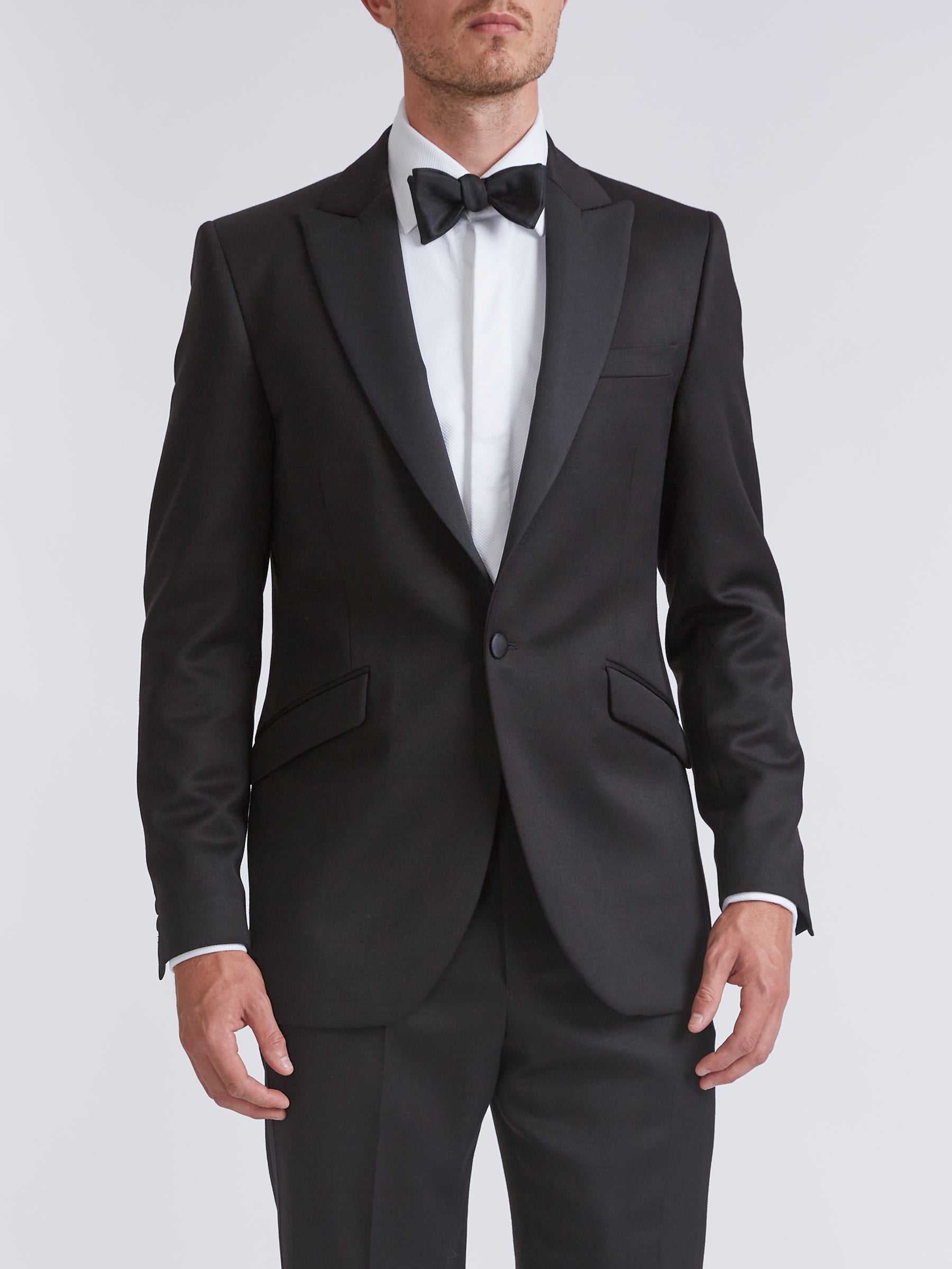
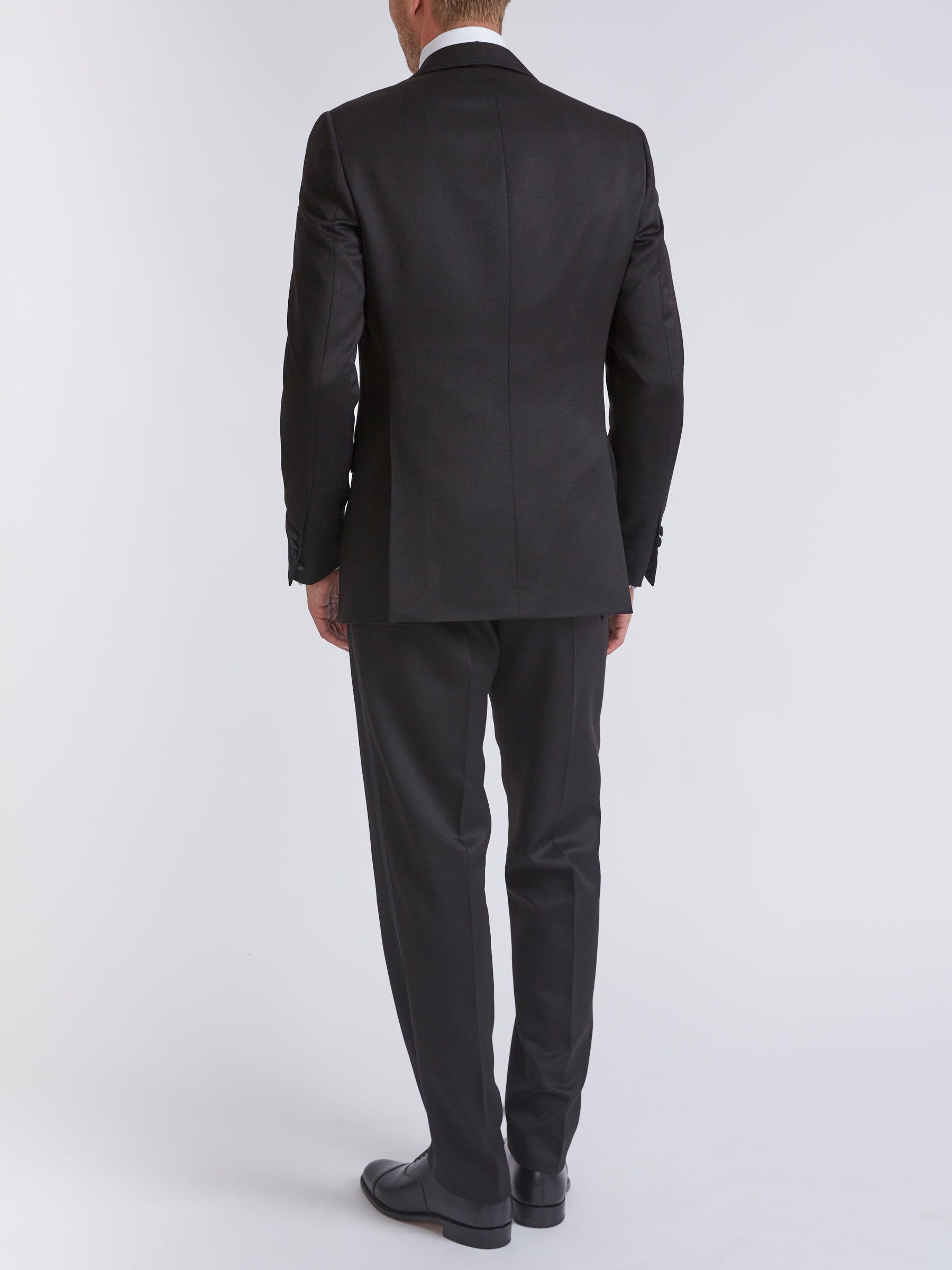
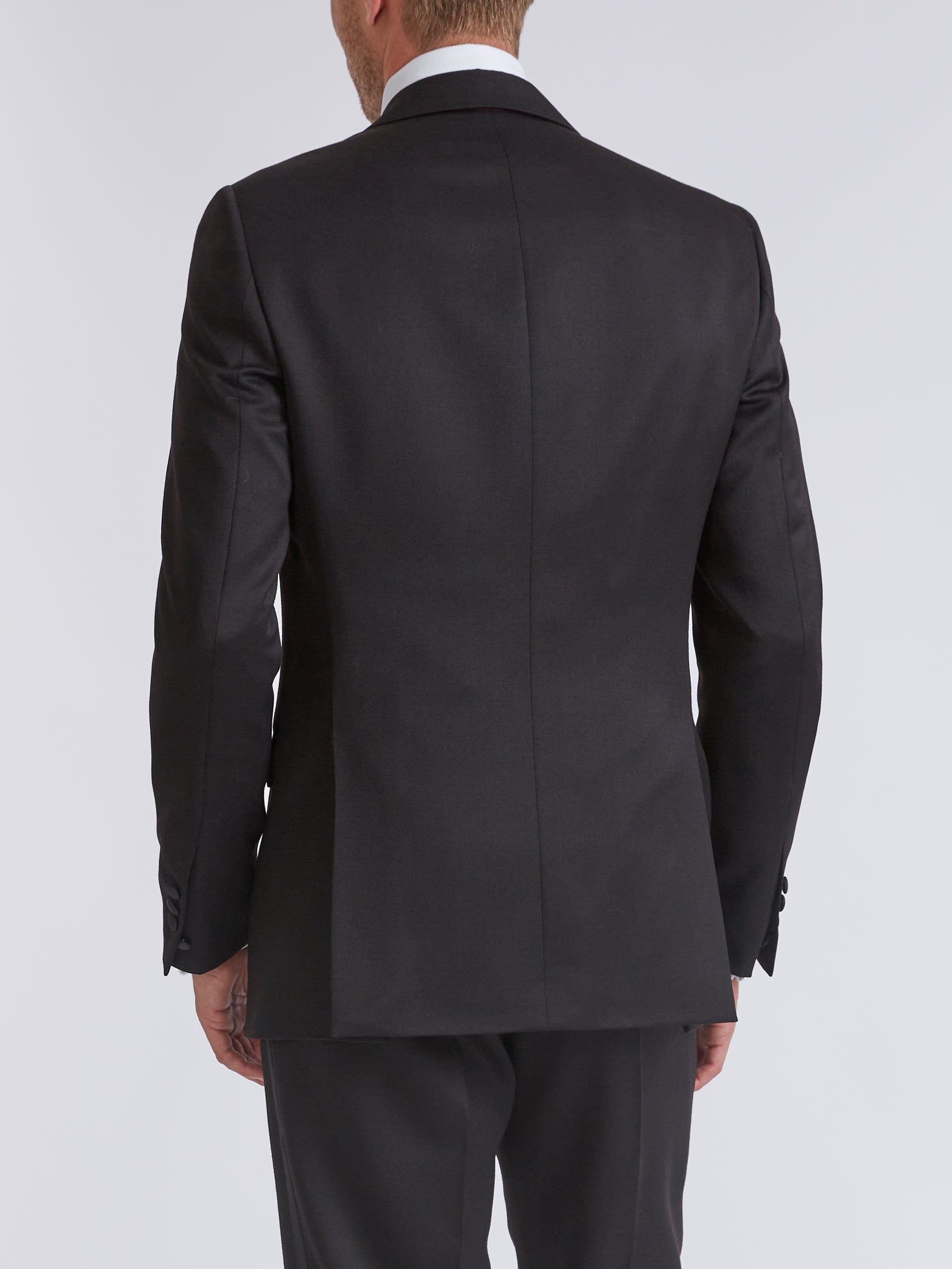
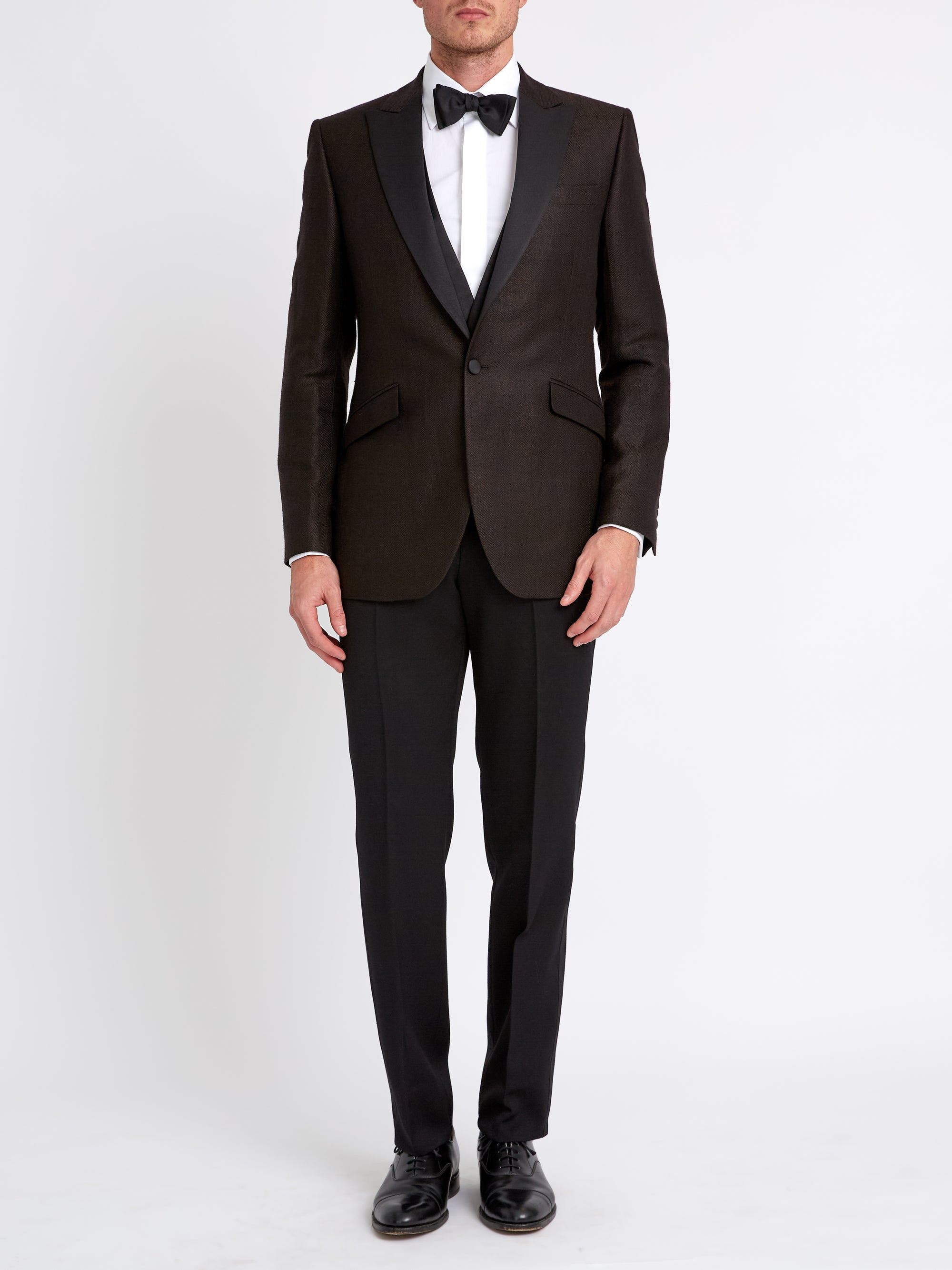
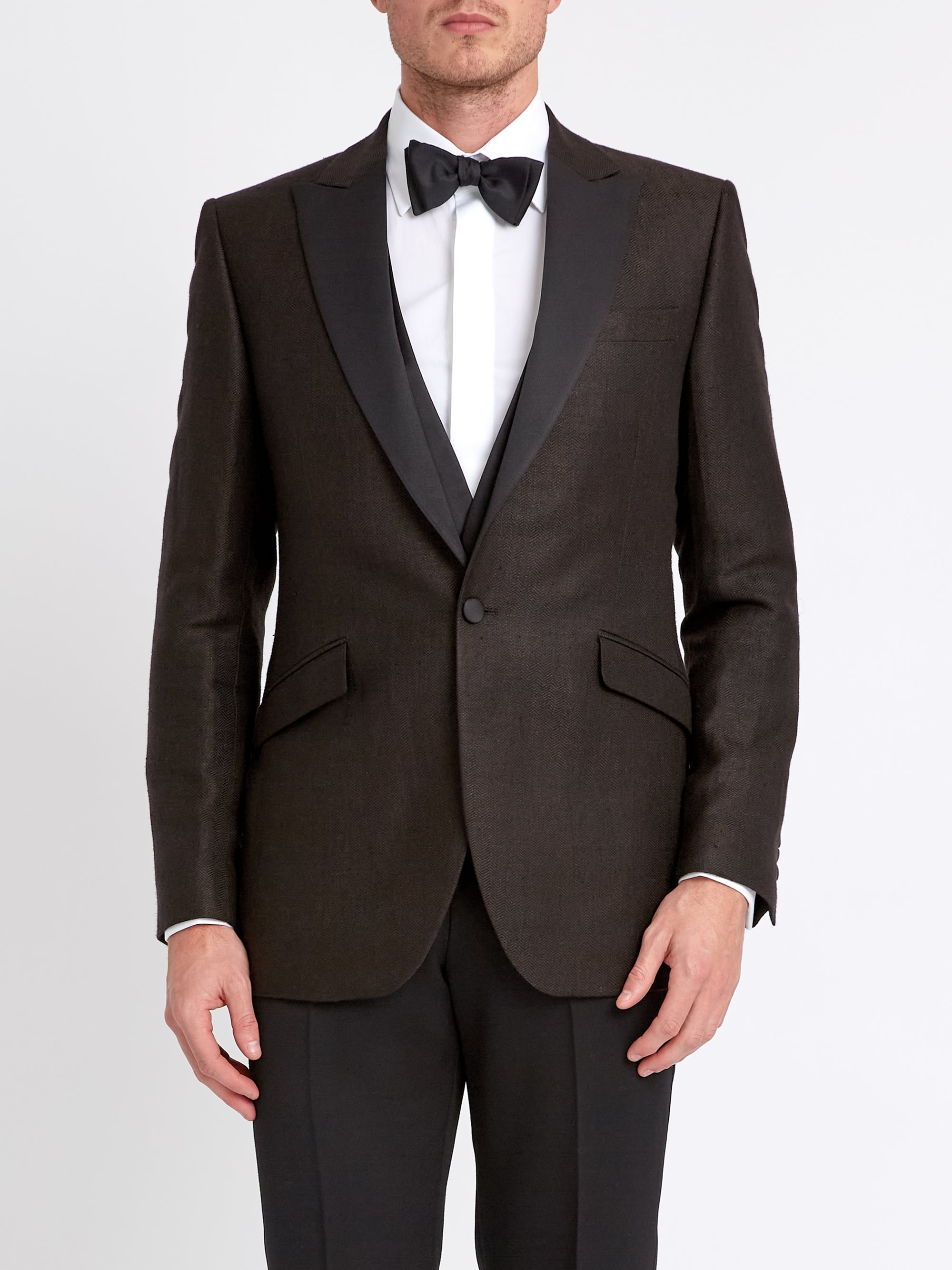
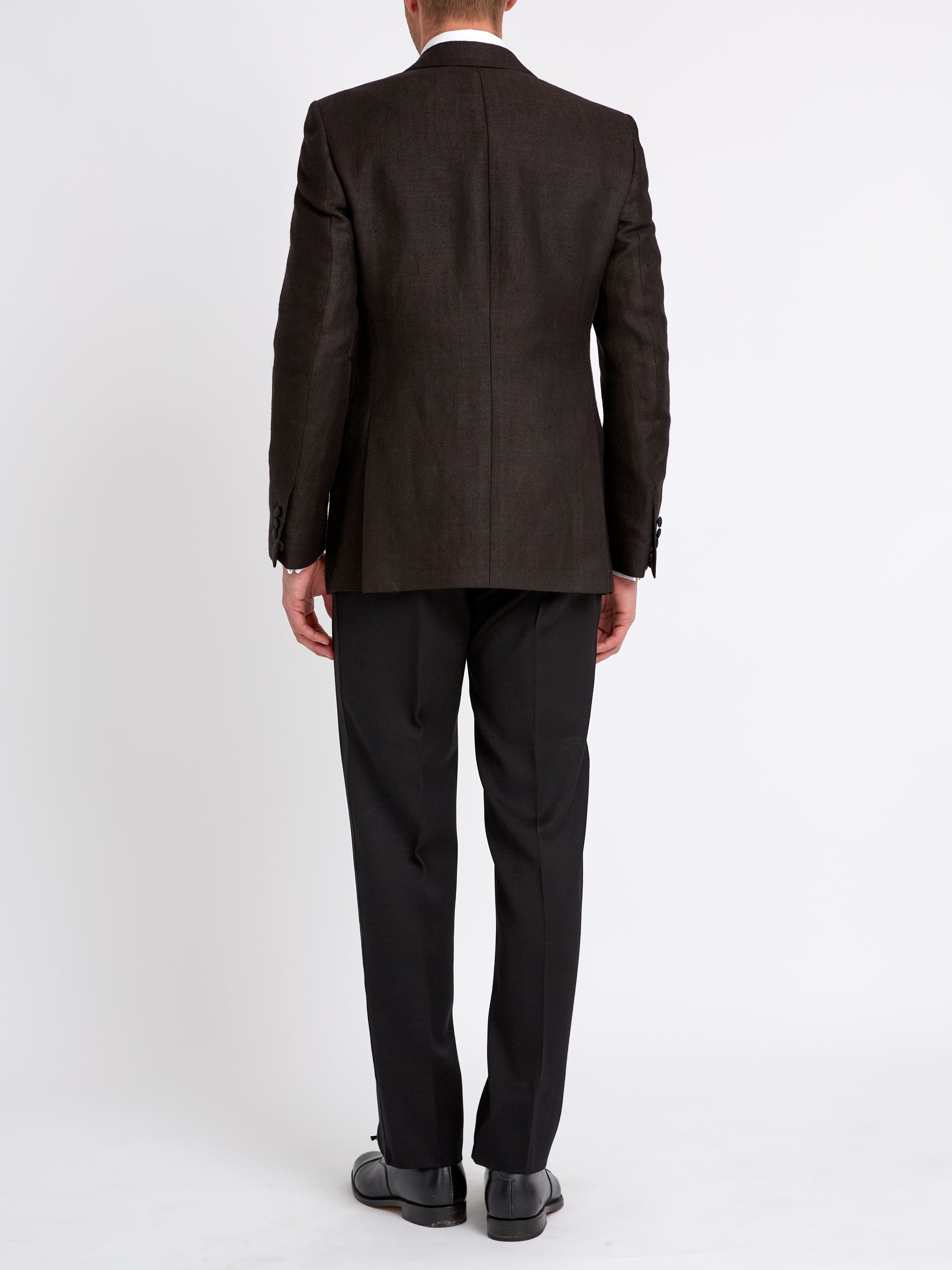
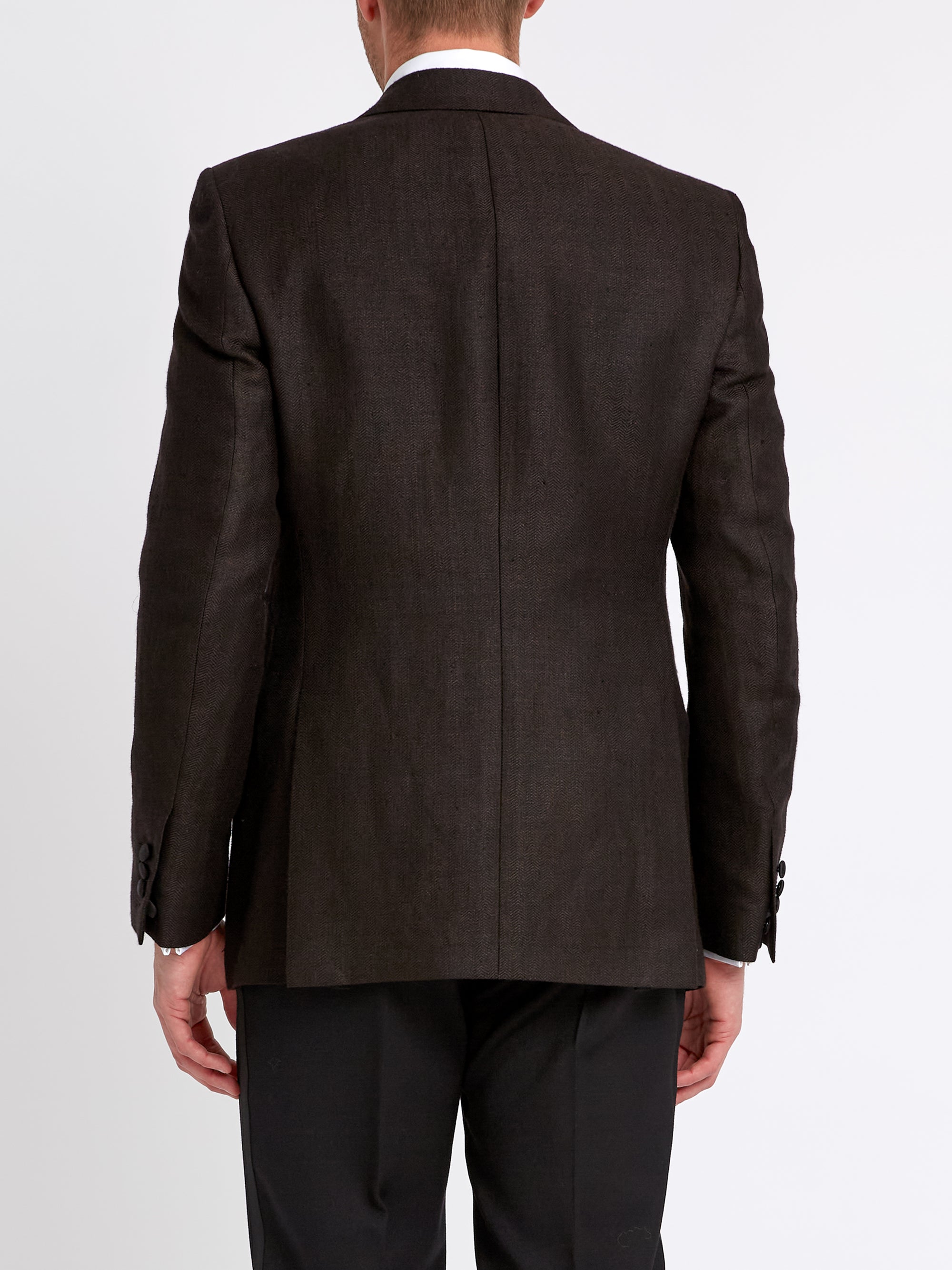
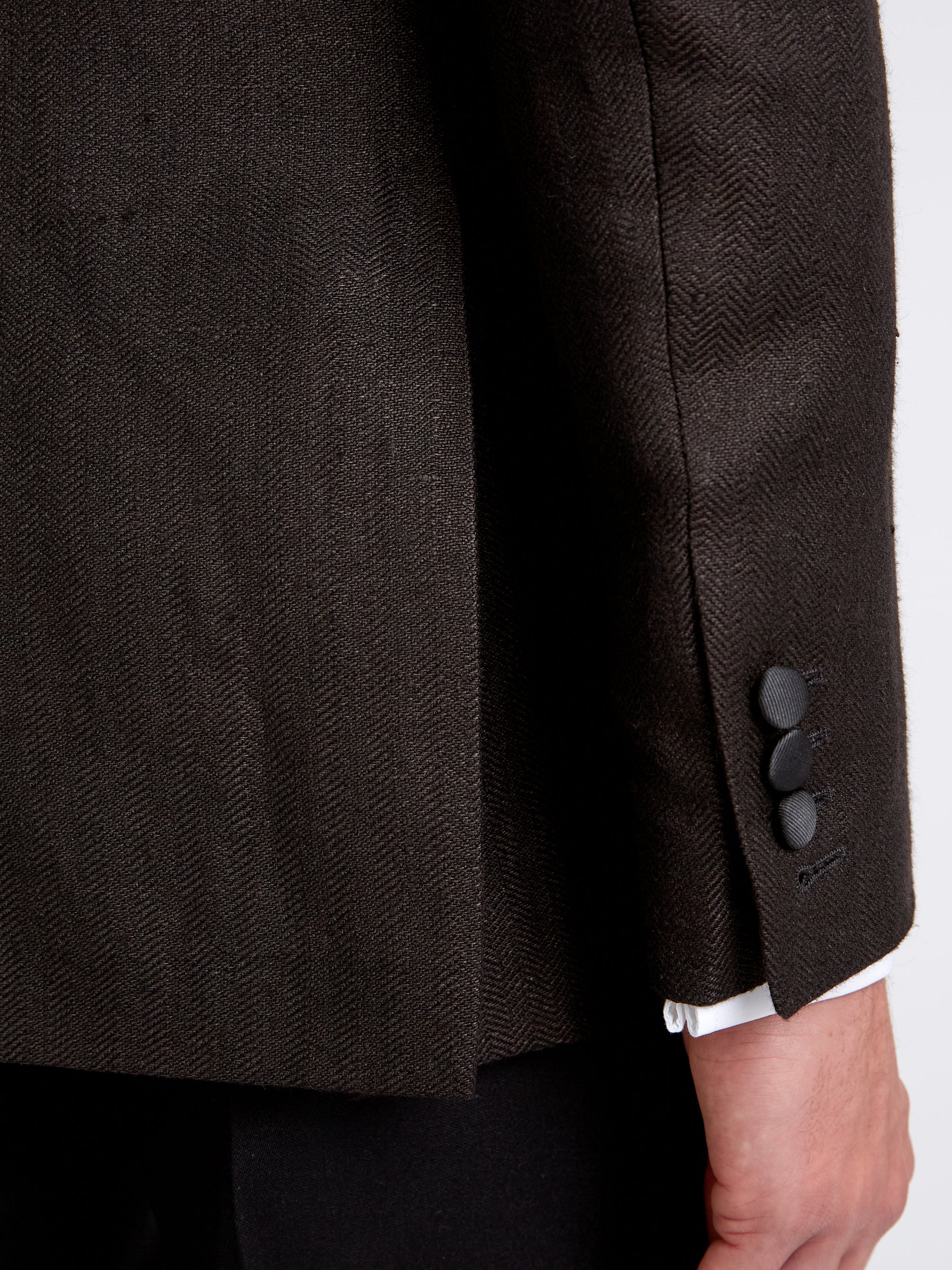
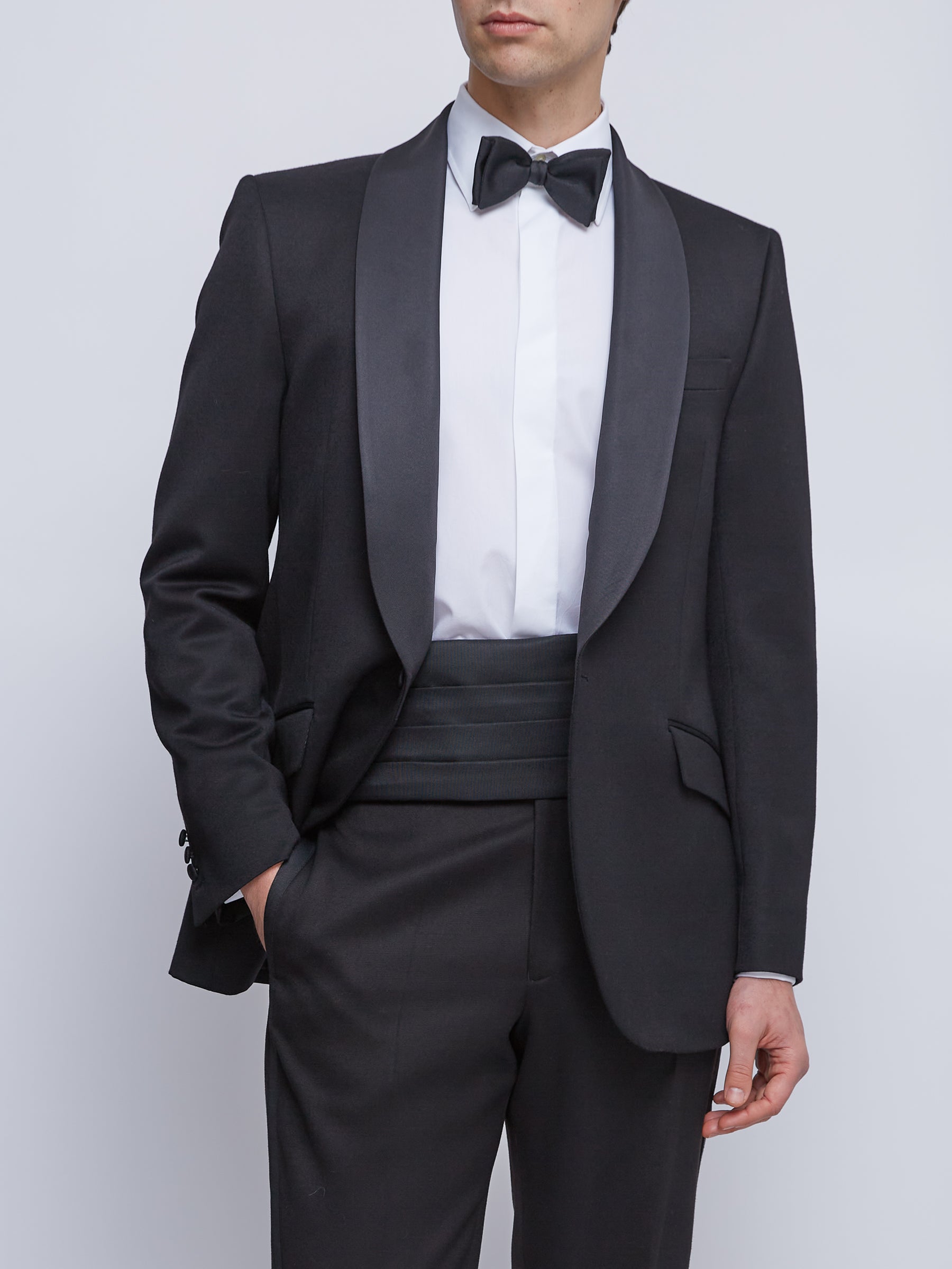
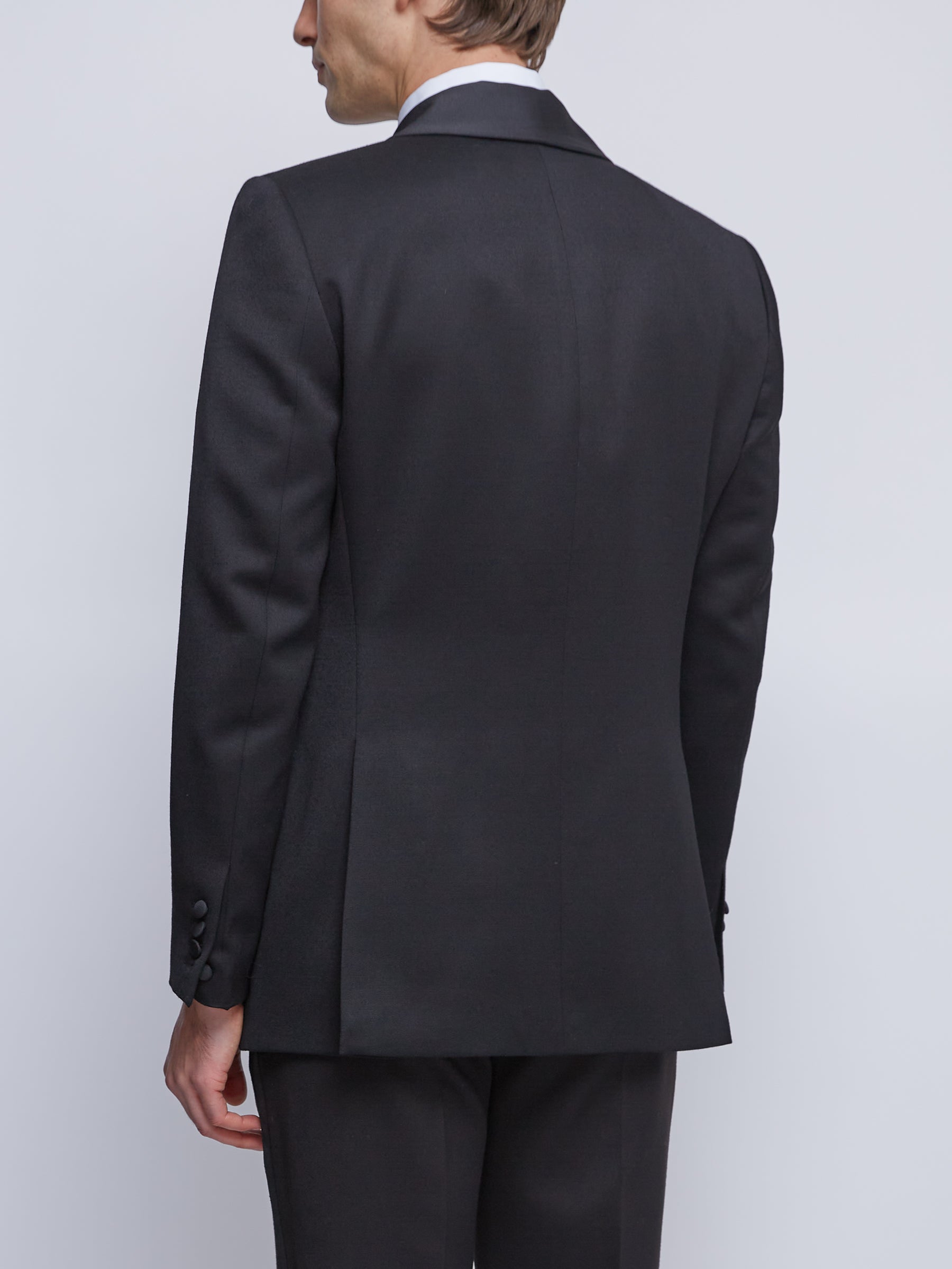
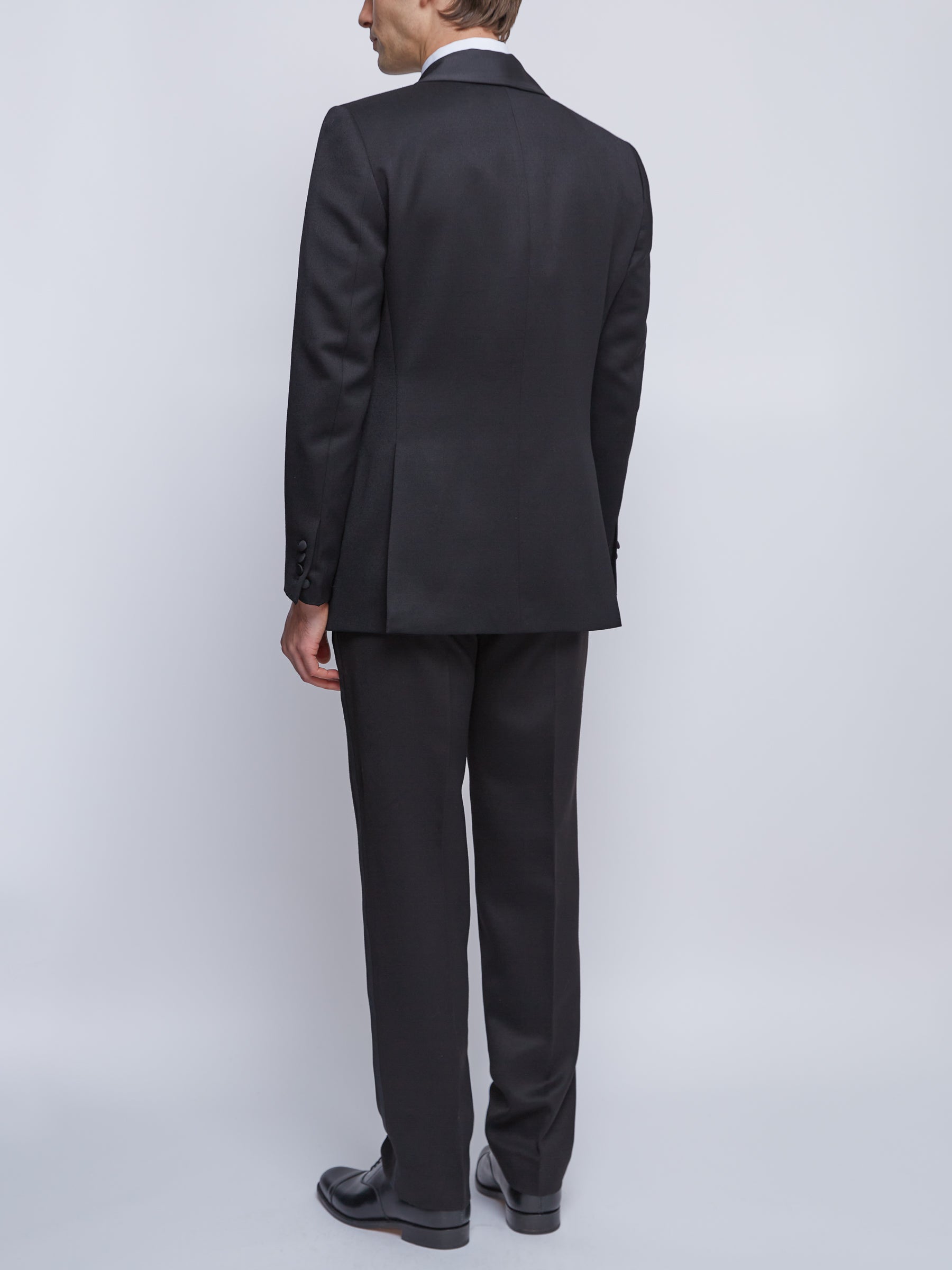
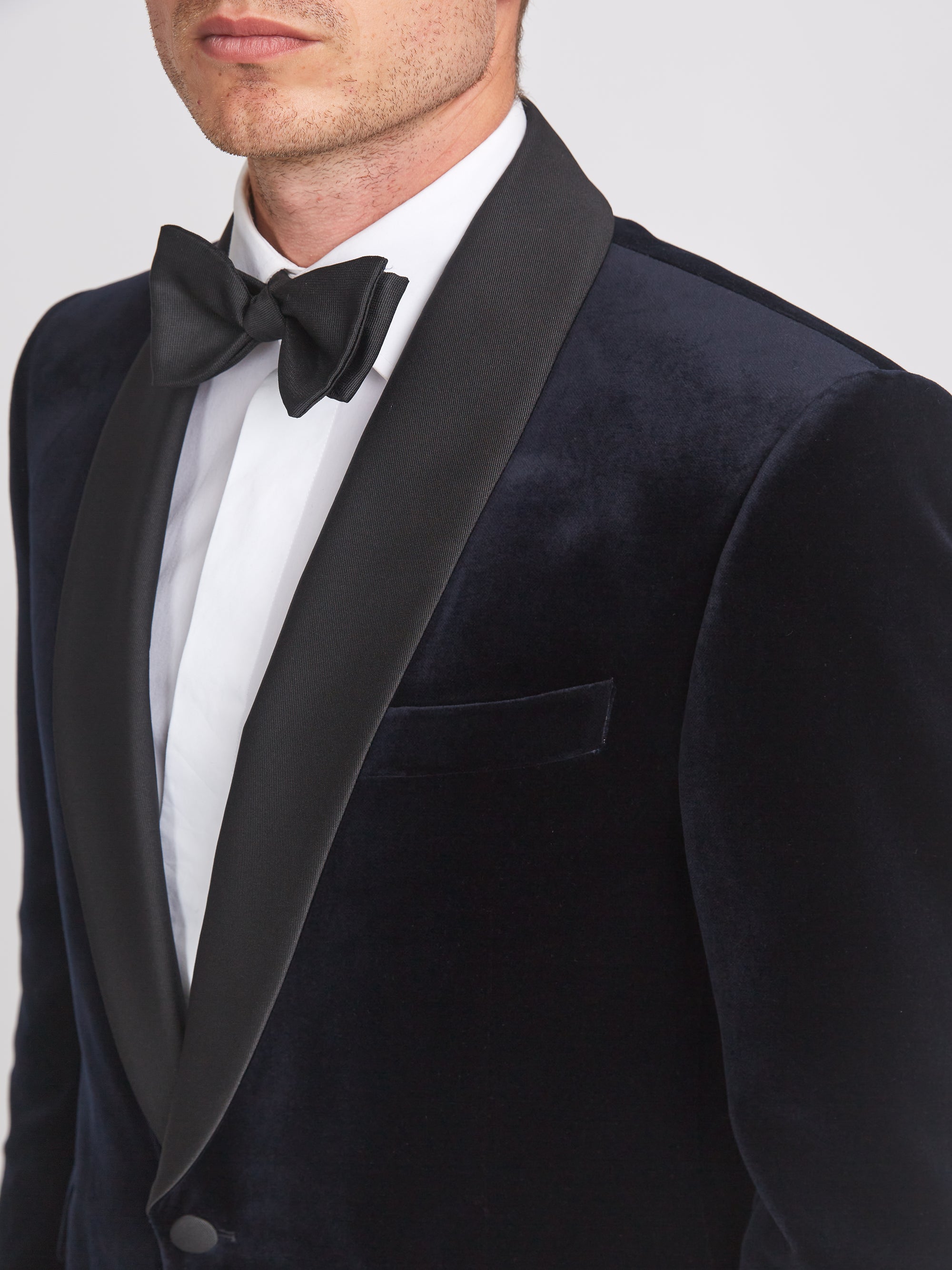
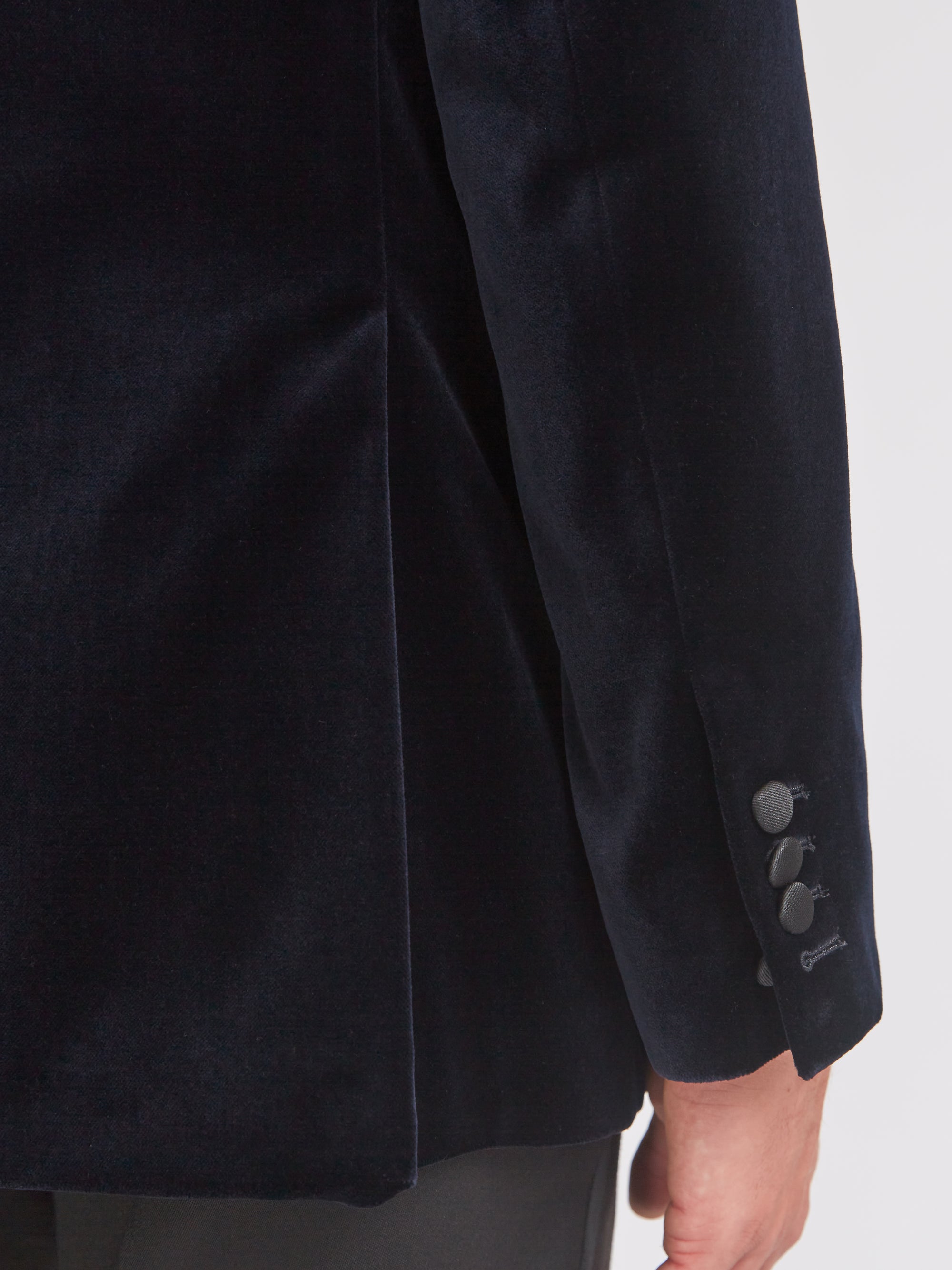
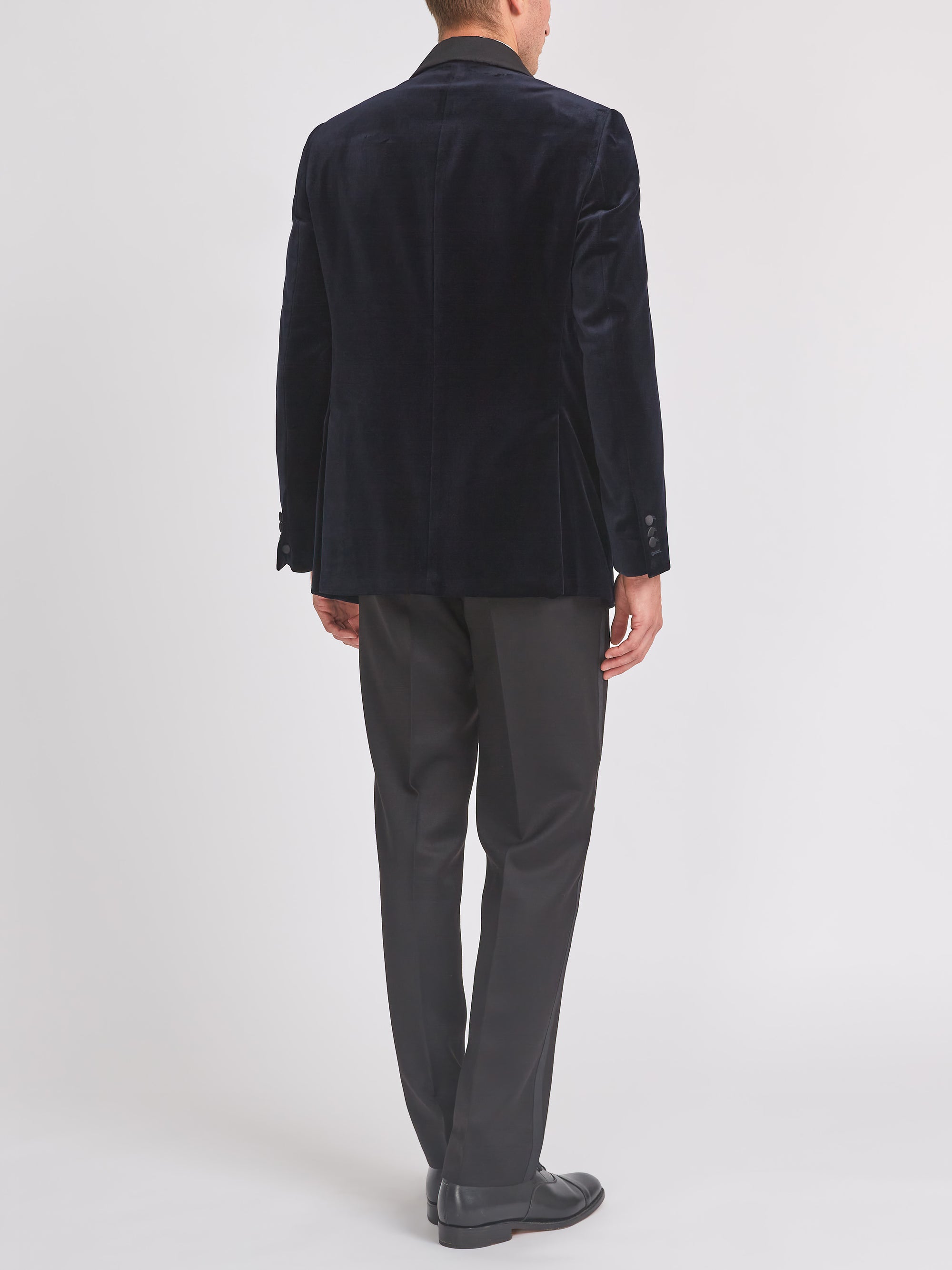
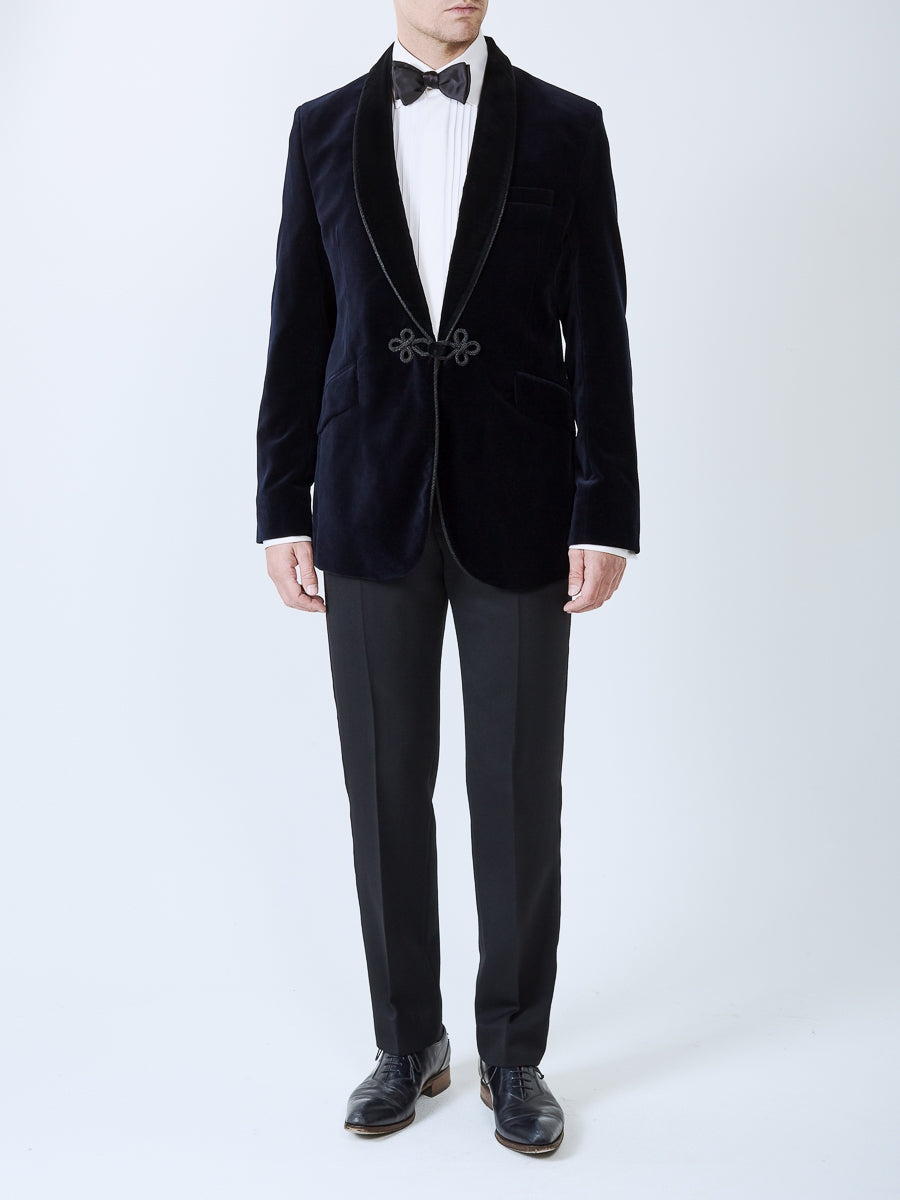
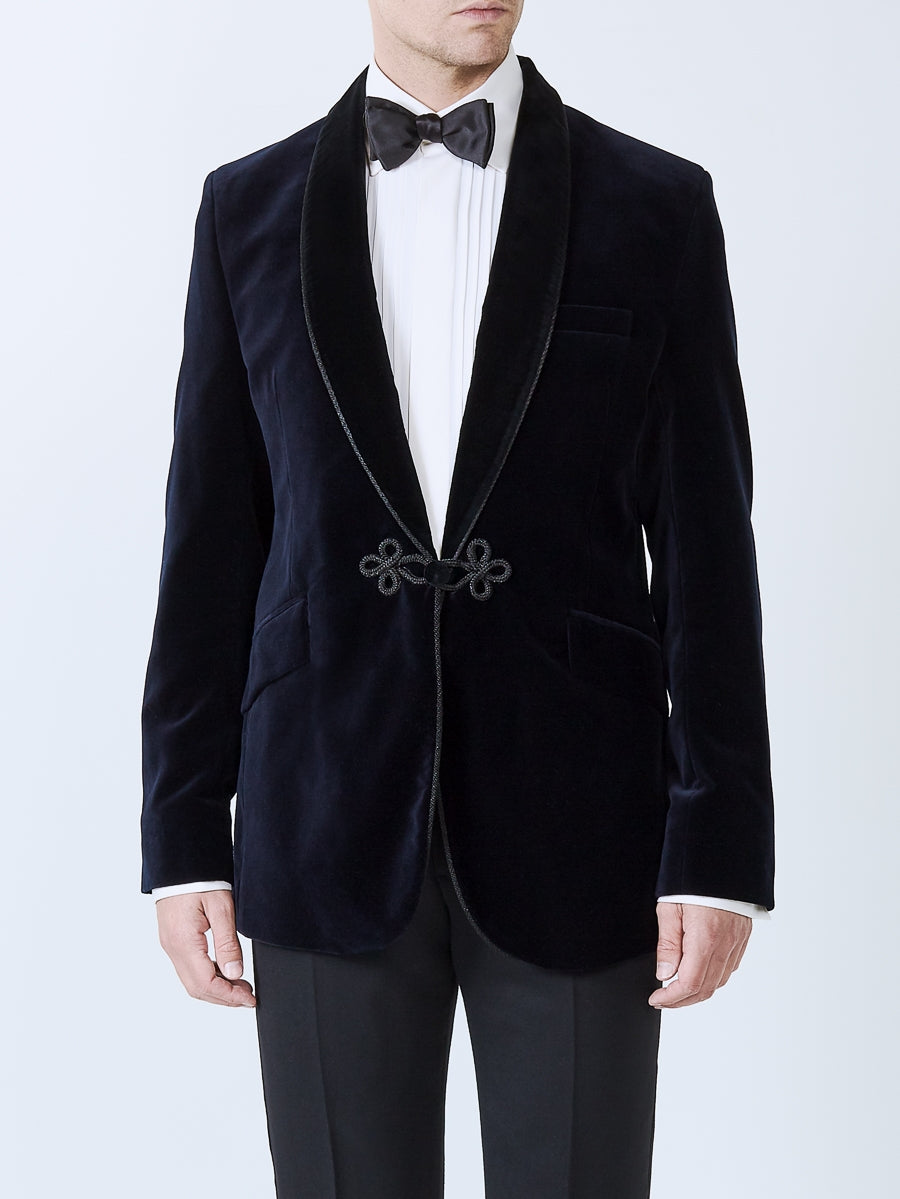
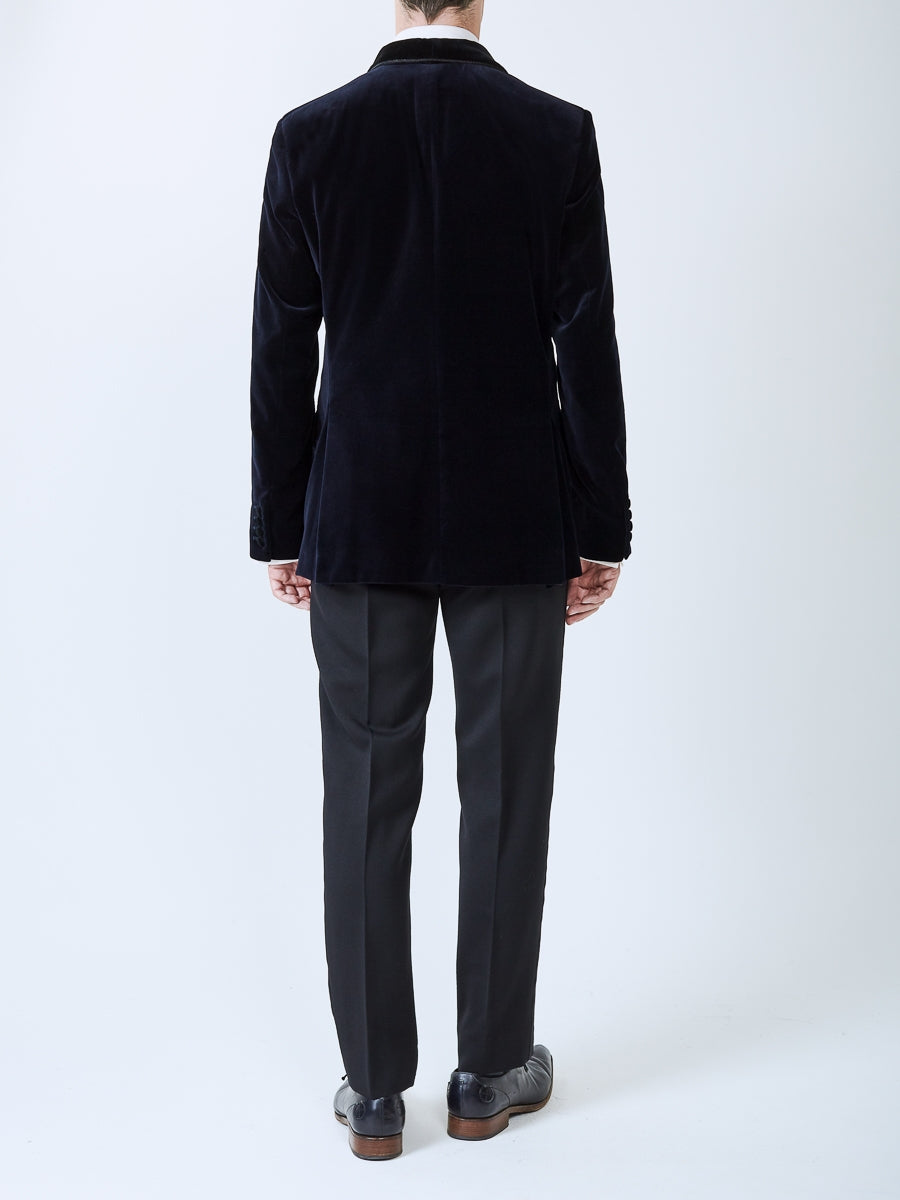
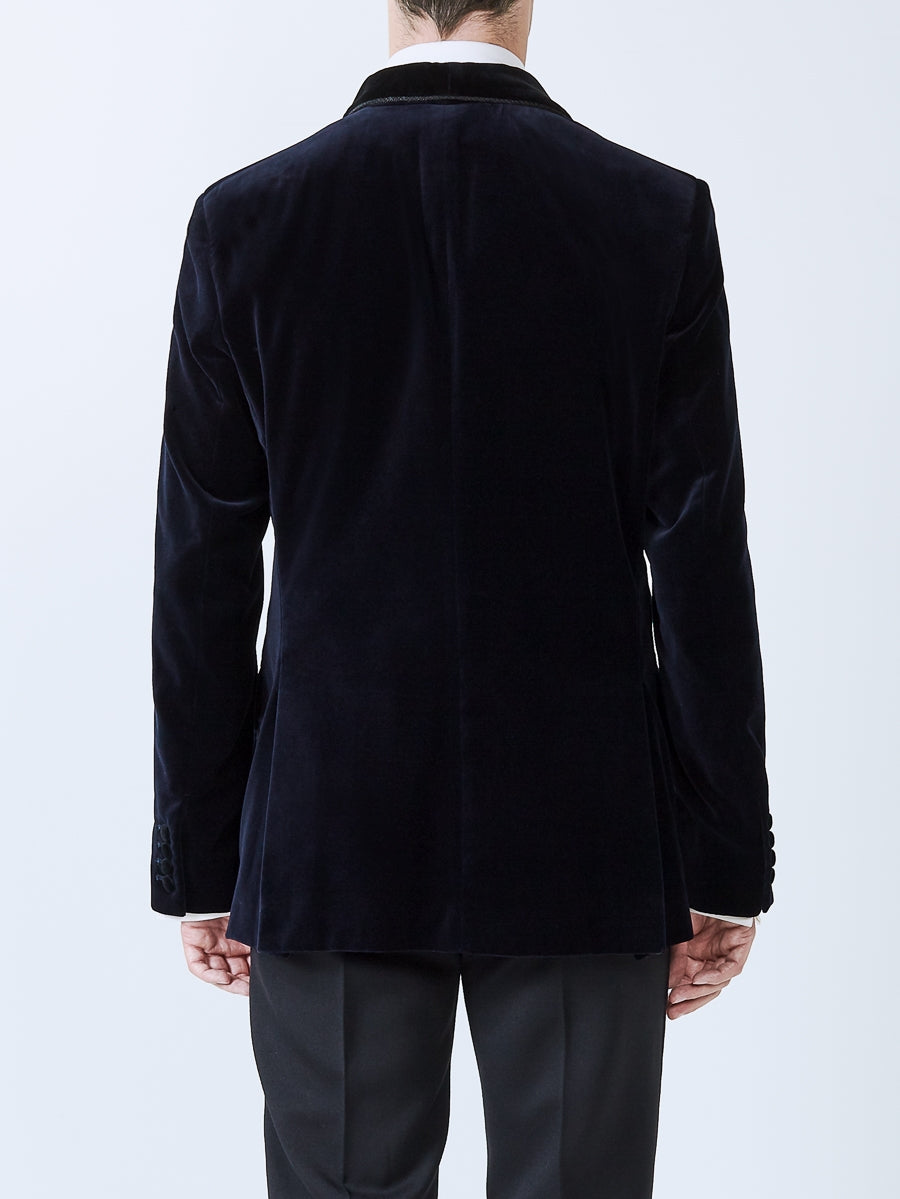
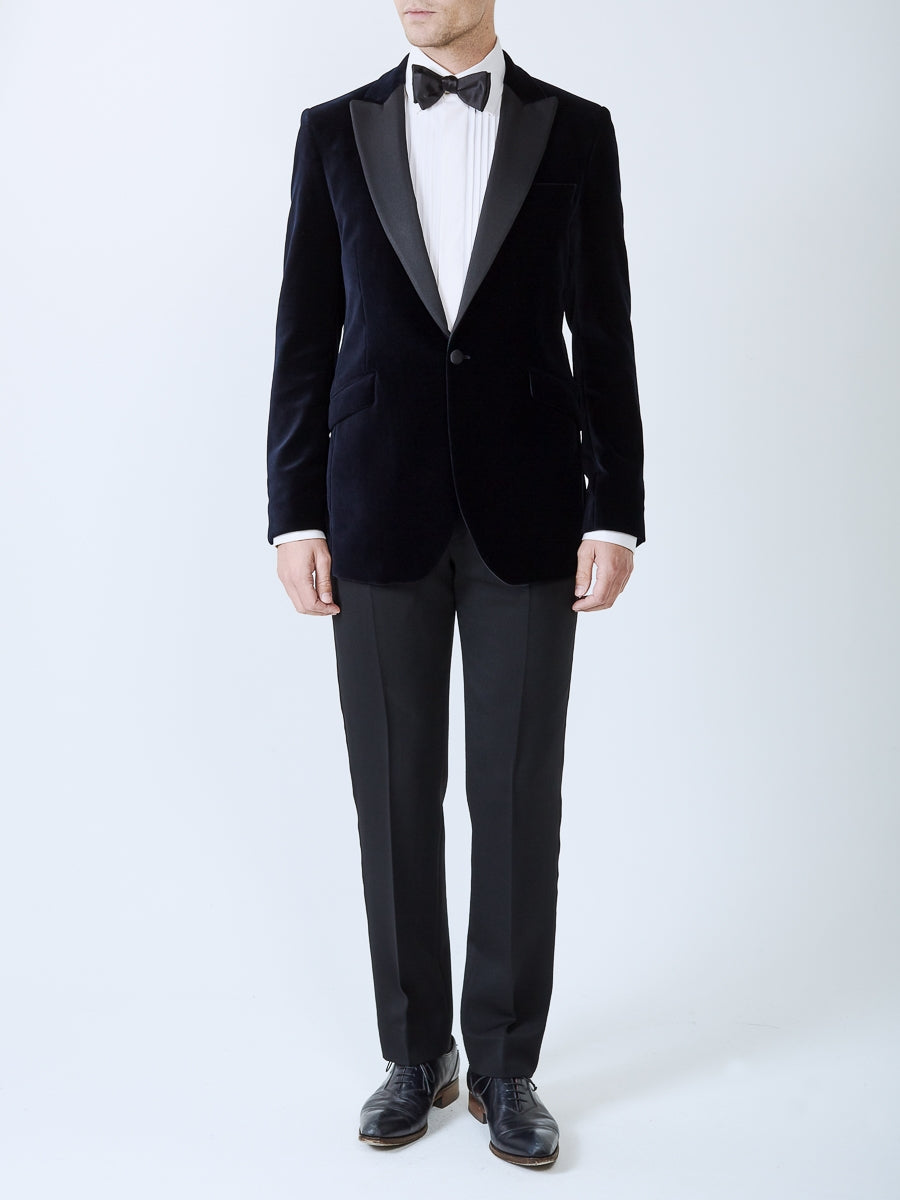
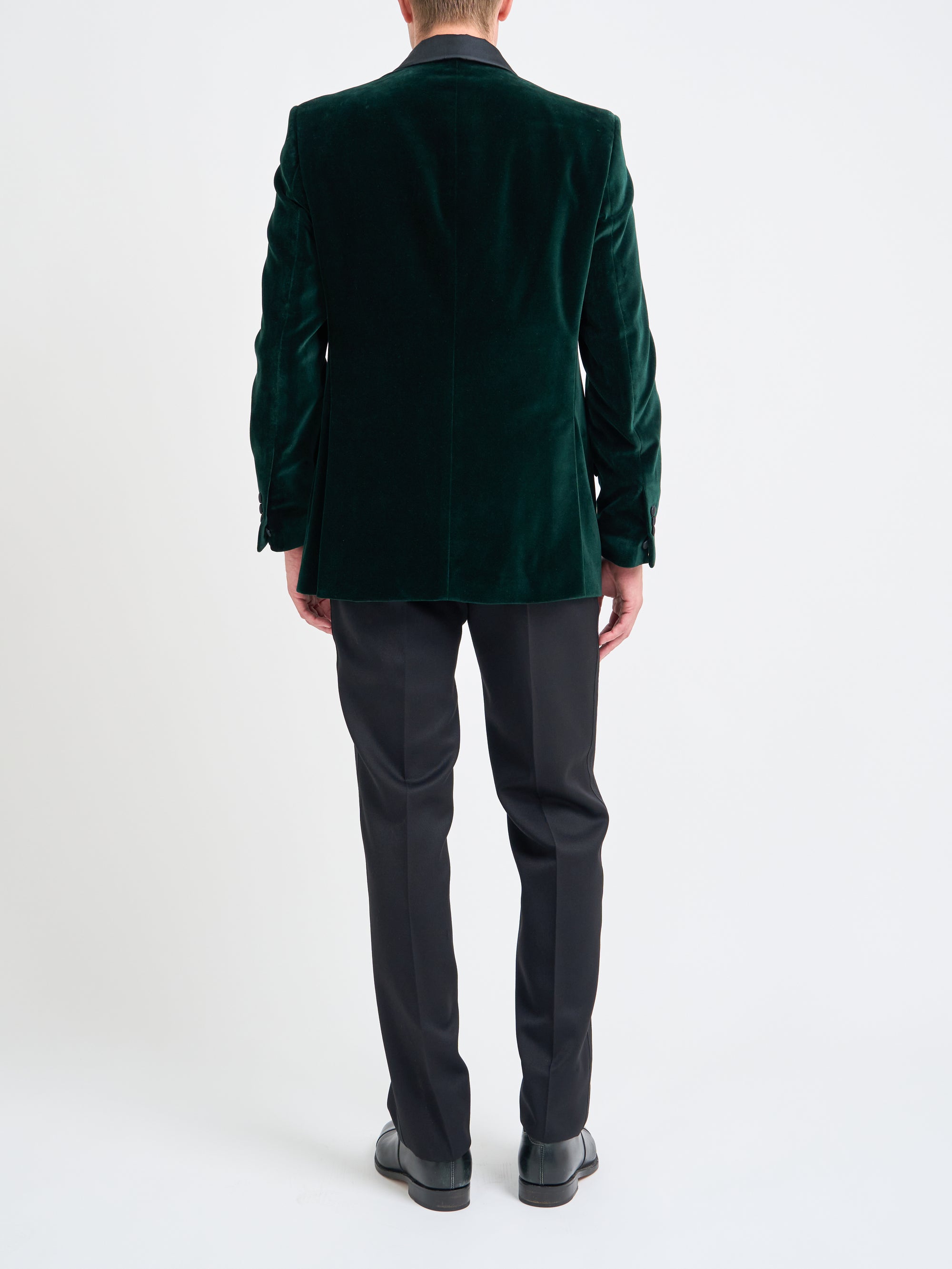
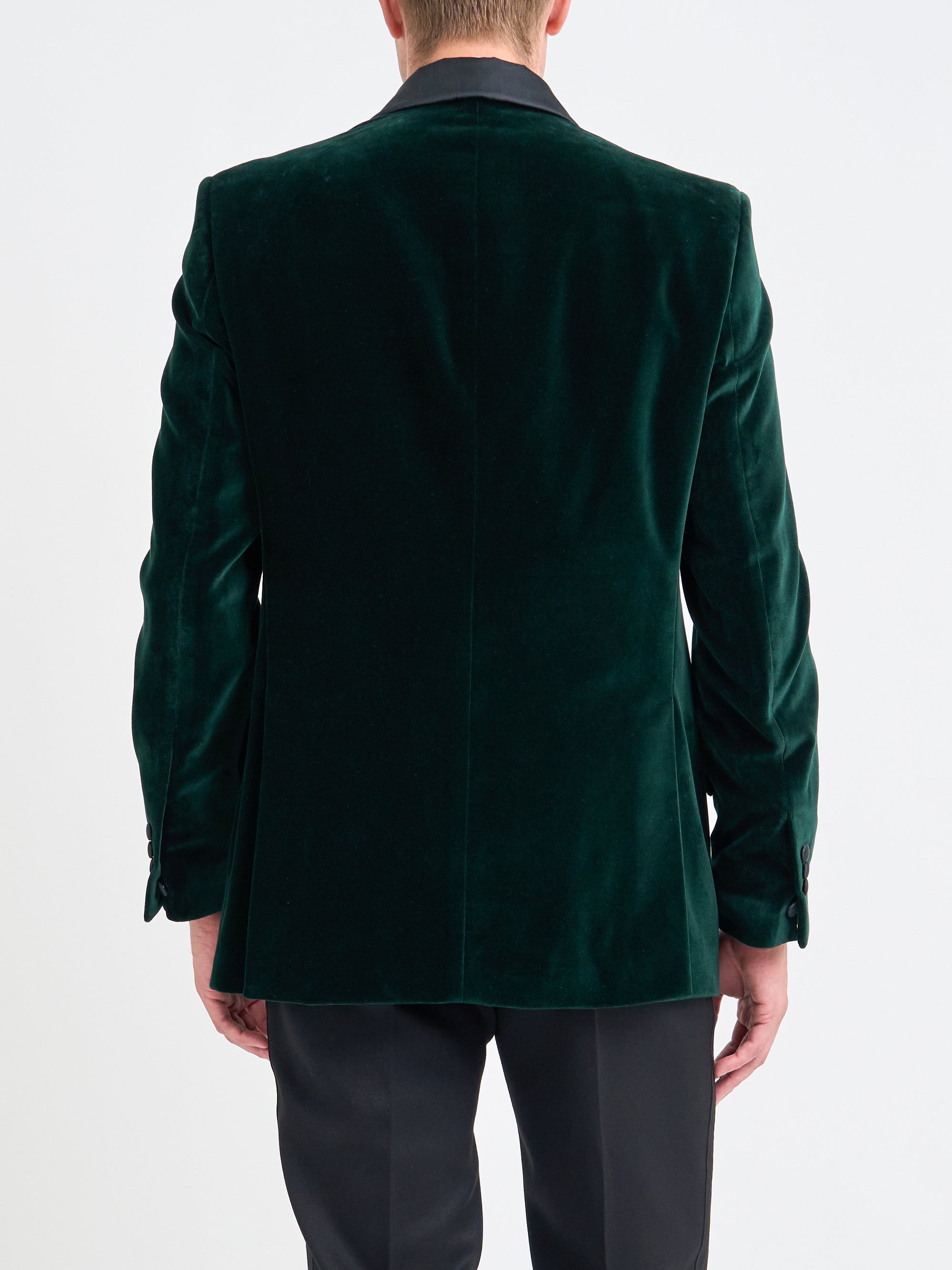
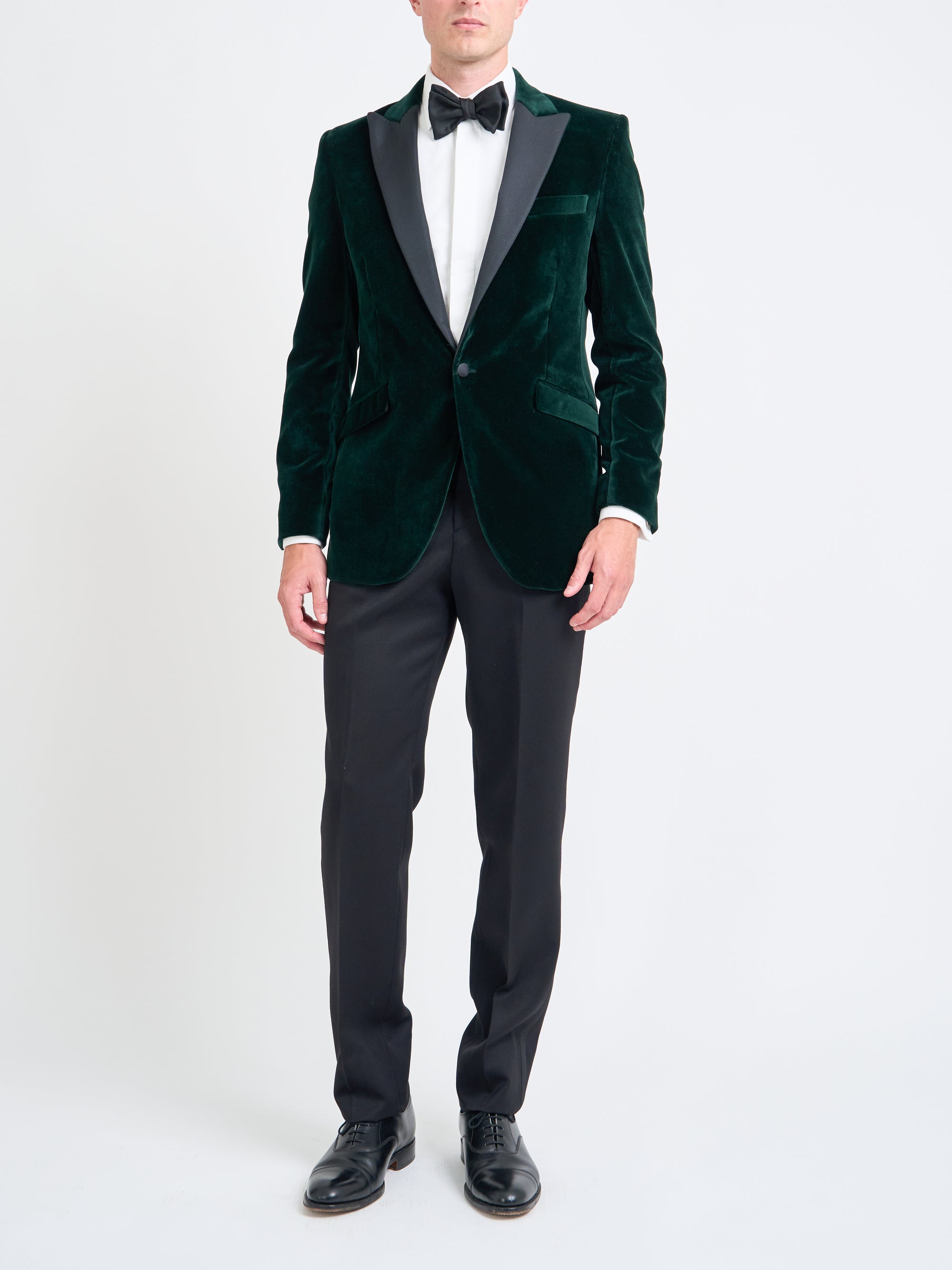
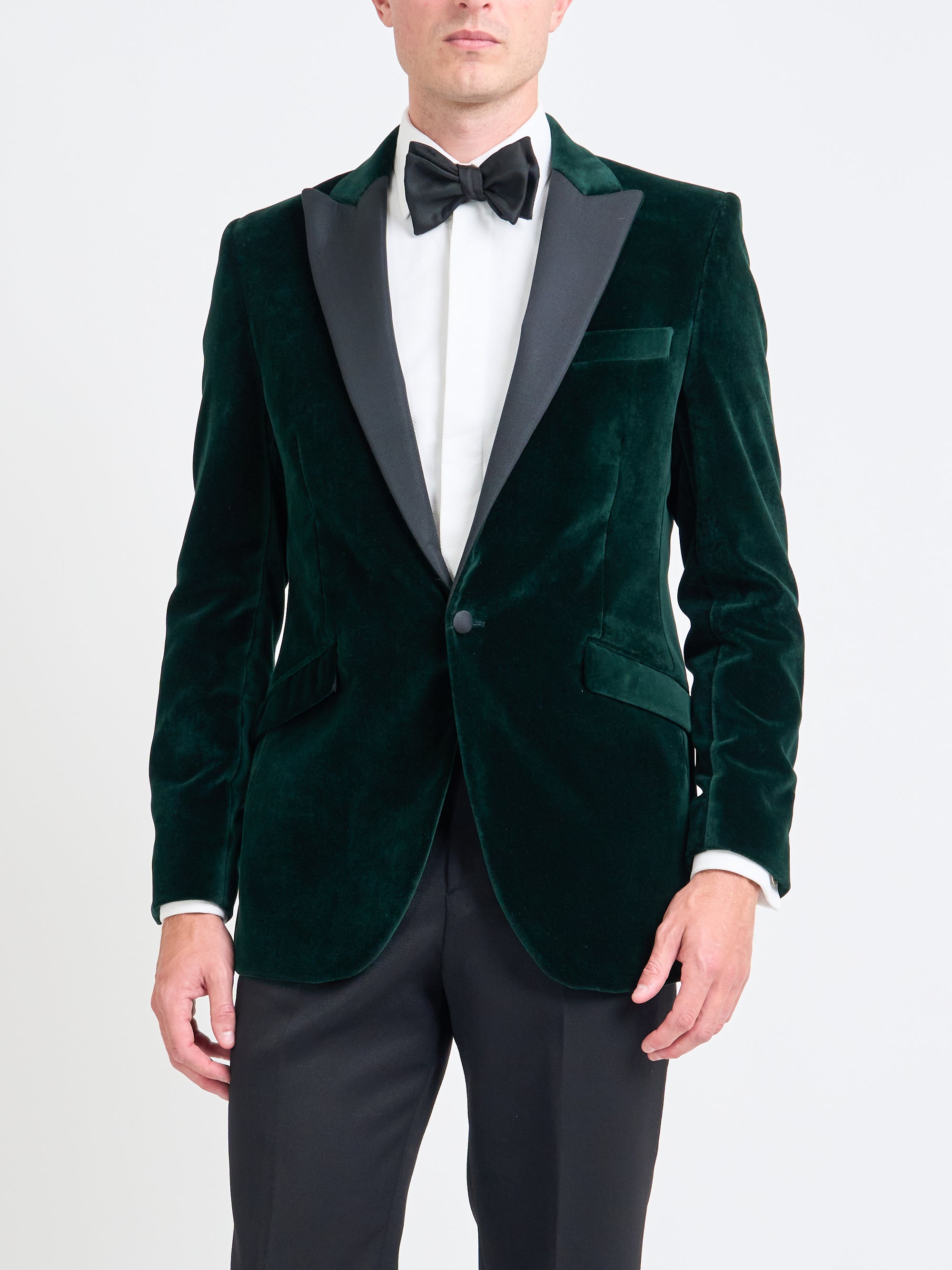
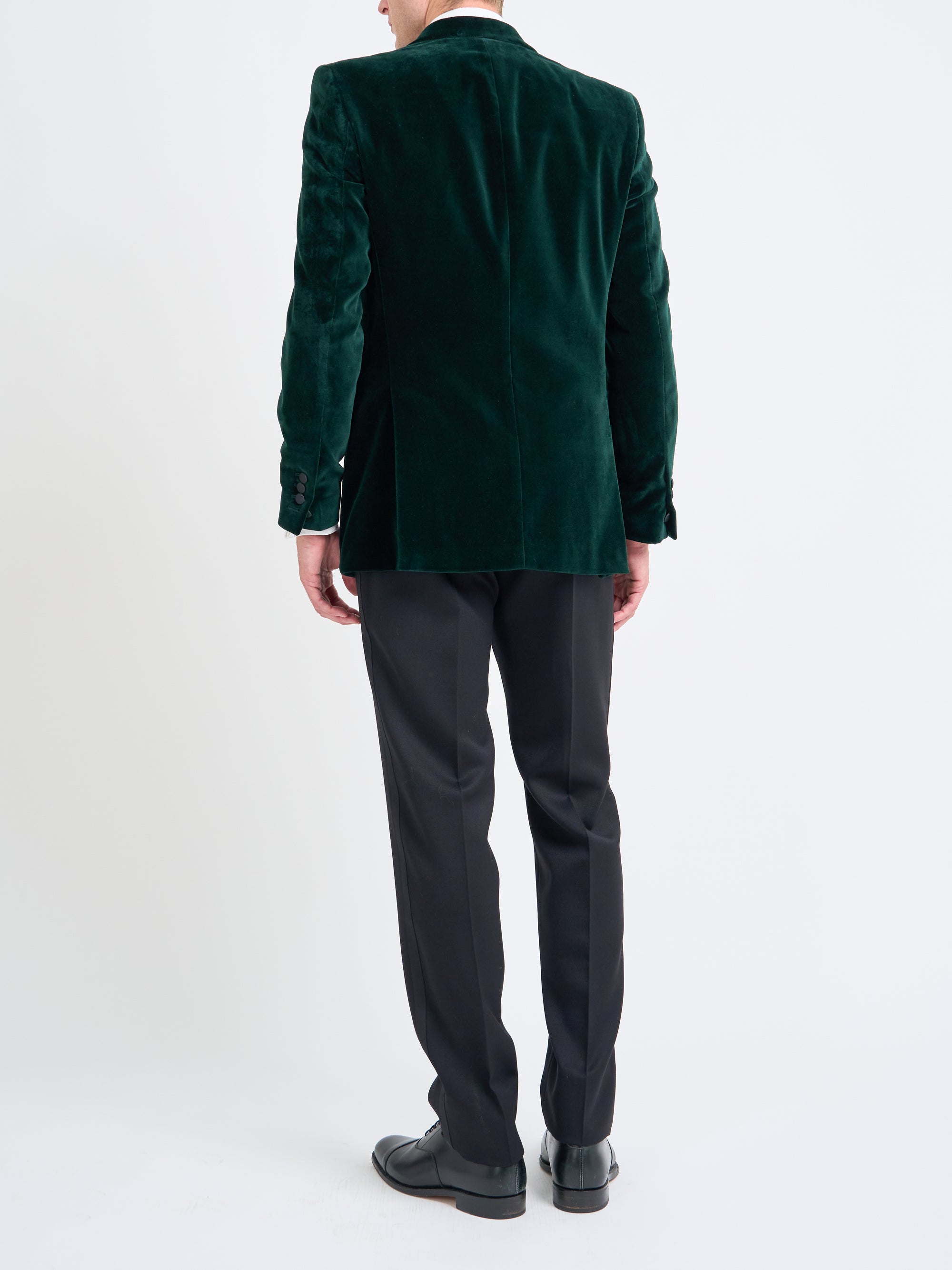
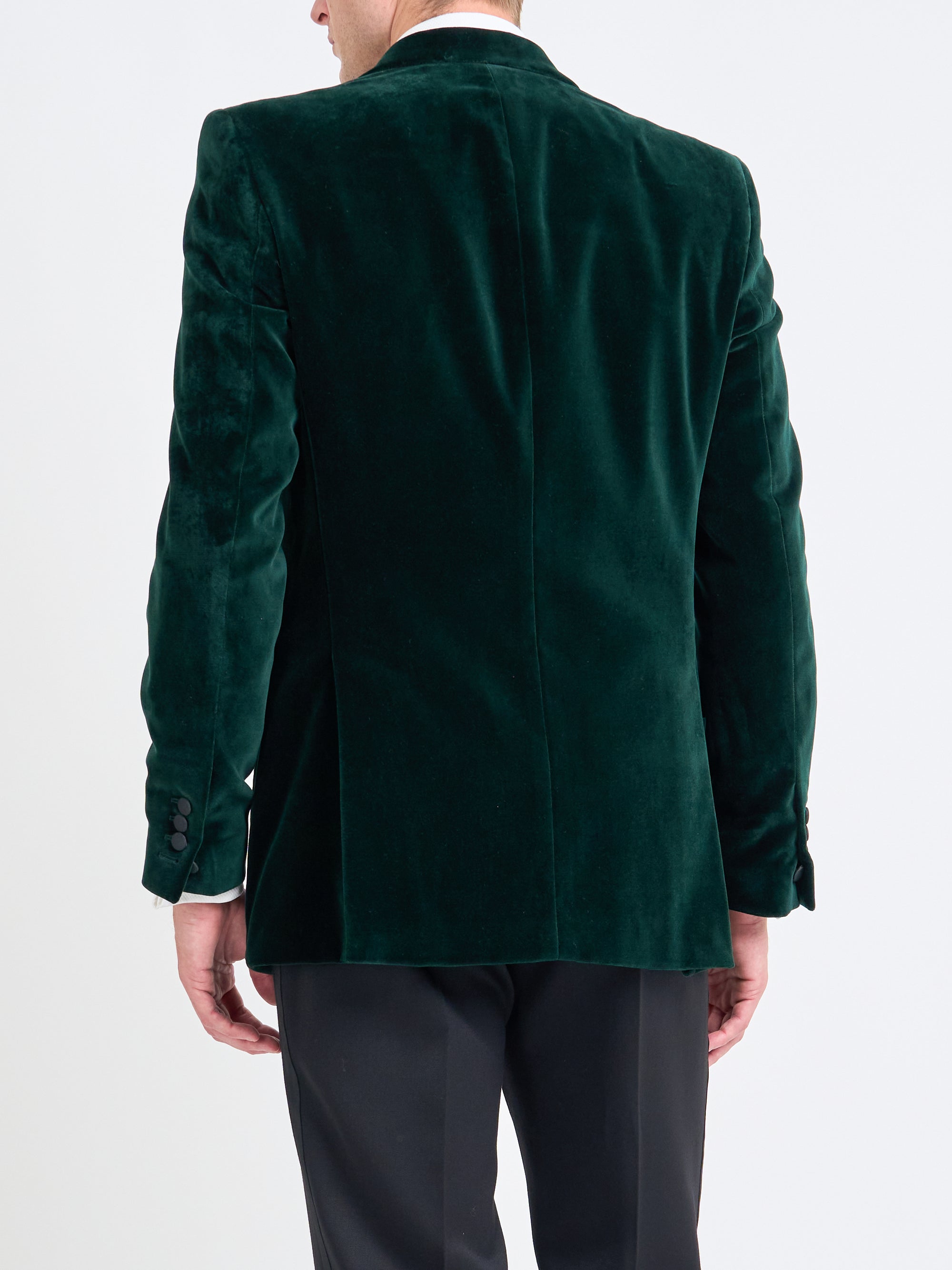
The dinner jacket has survived more than 160 years of changing tastes yet still arrives at every black-tie invitation looking entirely at home. Its secret is simple: it understands the value of a good silhouette, a little restraint, and luxurious fabrics. The story begins in 1865, when the Prince of Wales - later King Edward VII - asked his Savile Row tailor, Henry Poole, to create a shorter evening coat for informal dinners at Sandringham. It was intended as a more relaxed alternative to the tailcoat, then the default evening uniform. Henry Poole’s records describe the resulting garment as a celestial-blue smoking jacket with matching trousers: the starting point for what would become the dinner jacket.

From there, the jacket crossed the Atlantic. American visitor James Potter reportedly took the Prince’s advice, commissioned a similar style, and wore it at the Tuxedo Park Club in New York, hence the name favoured across the pond, the tuxedo. Thankfully, the garment’s fundamental appeal has proved more durable than most transatlantic linguistic disagreements.
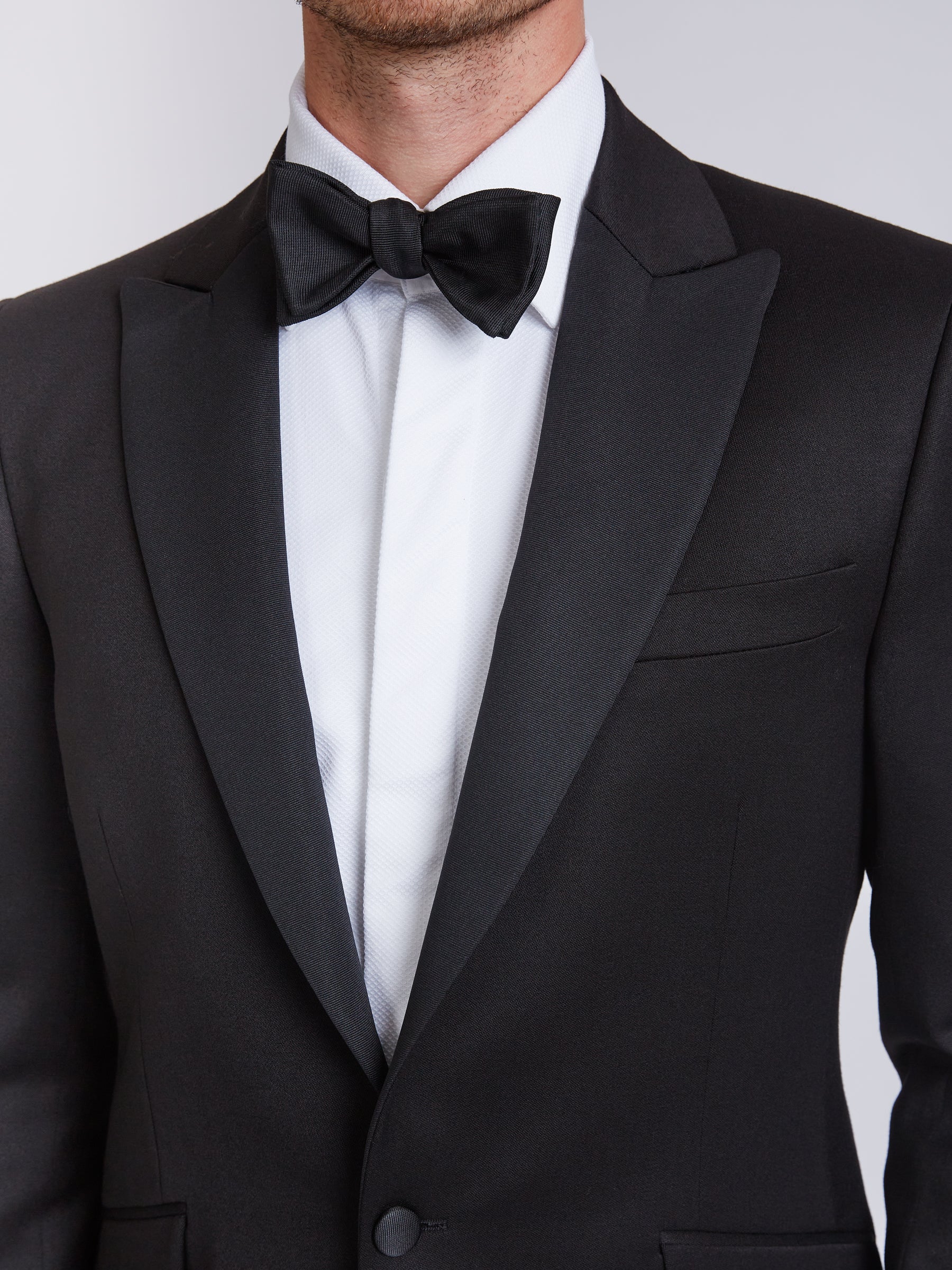
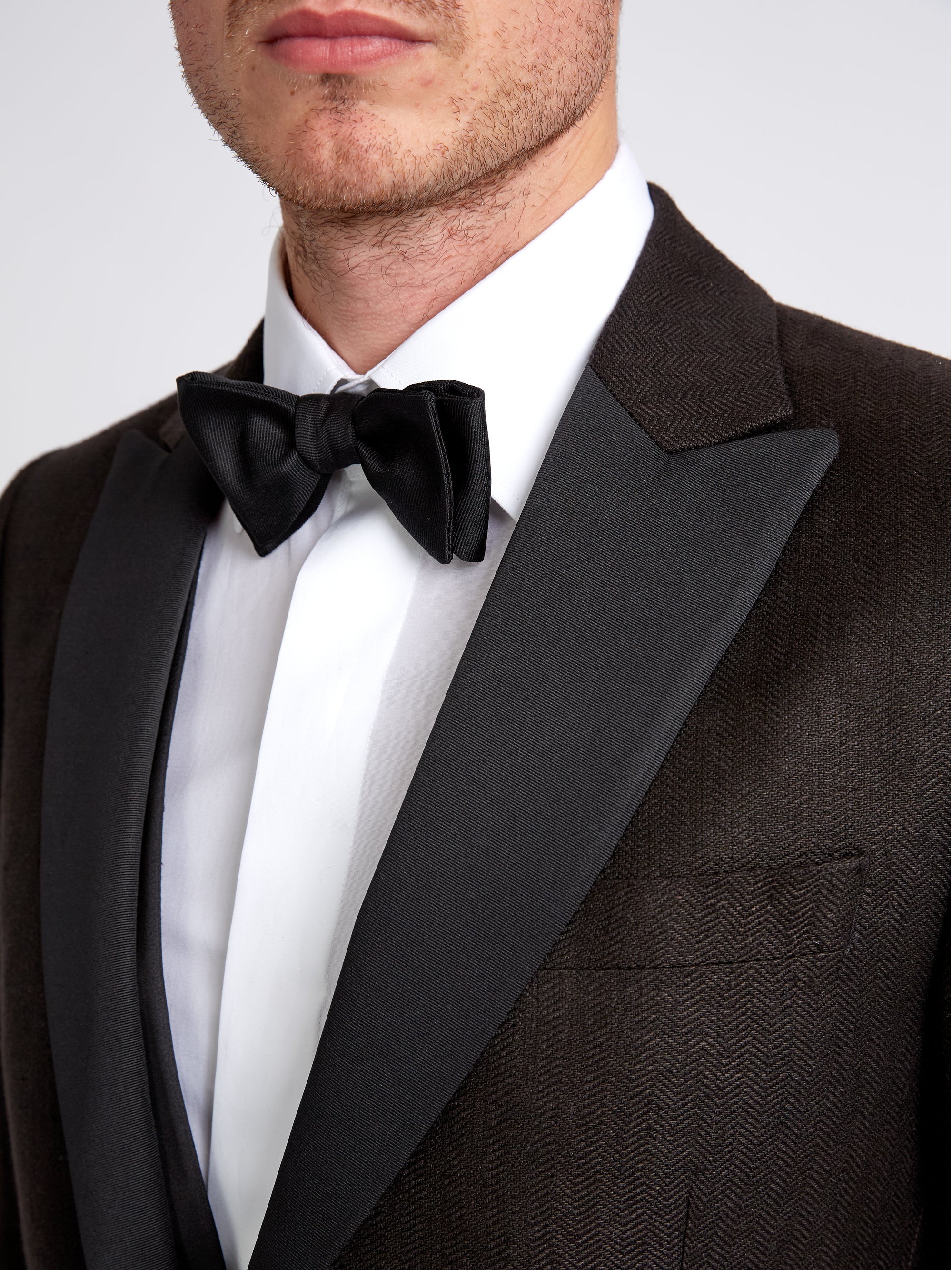
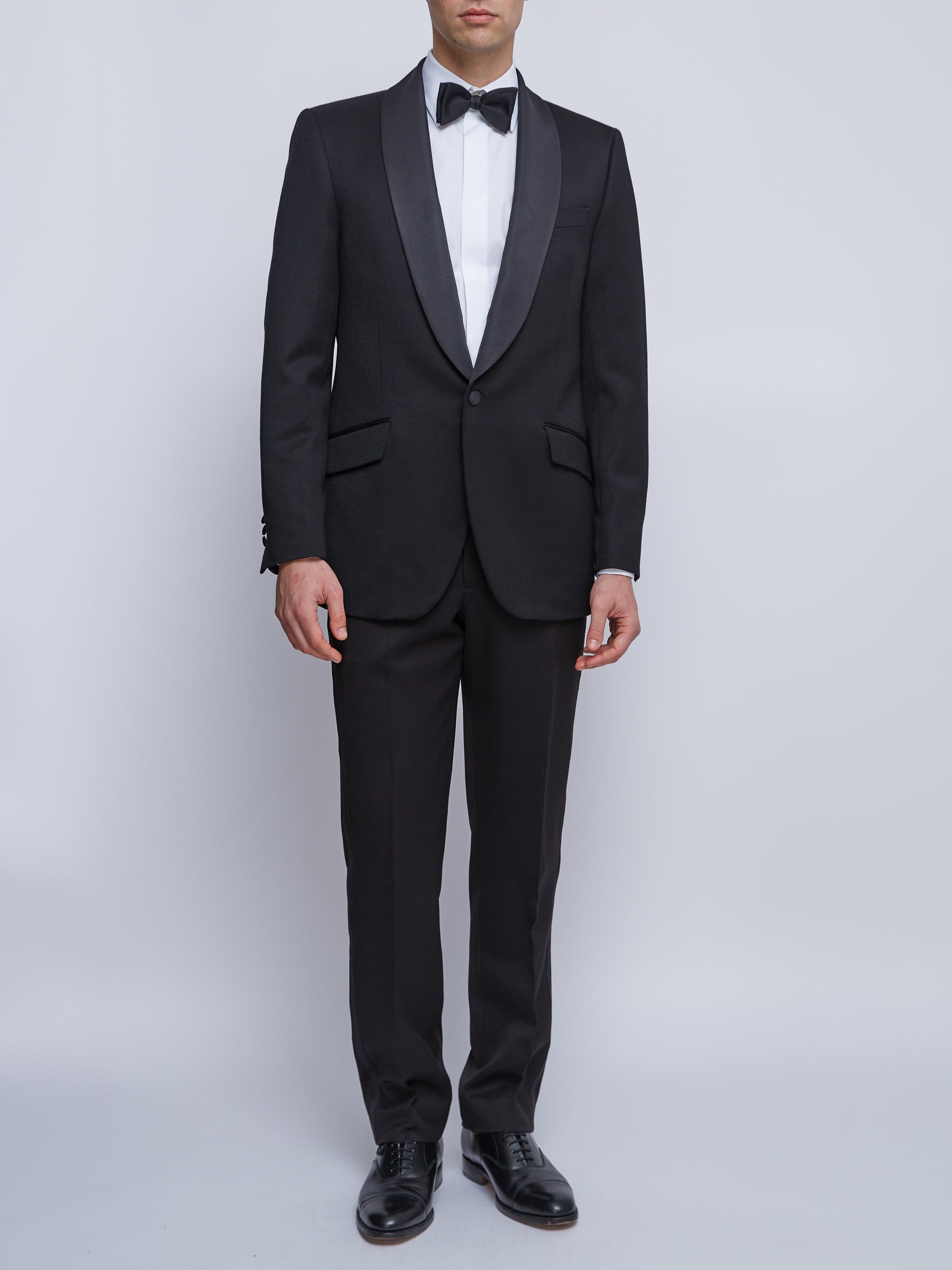
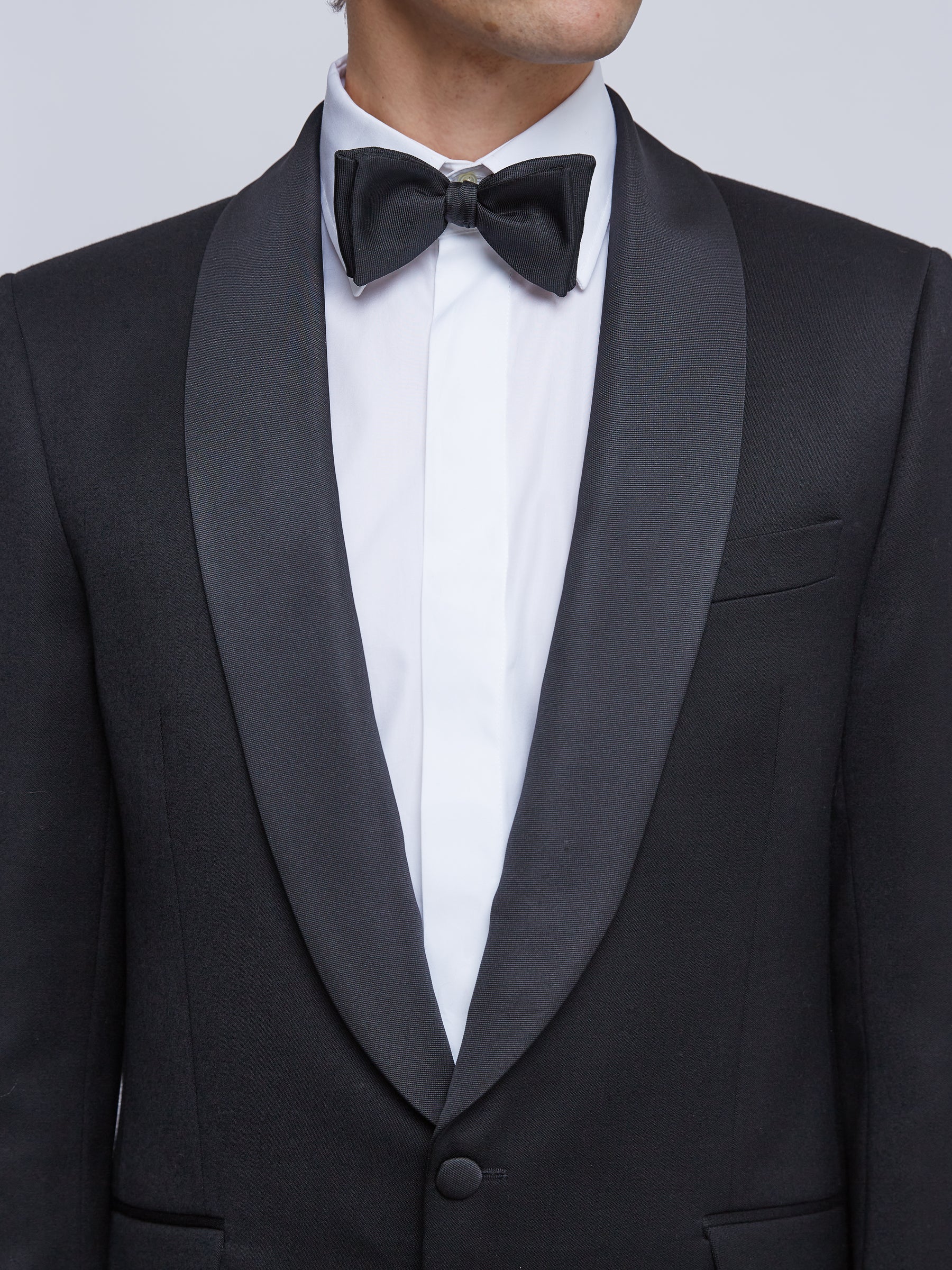
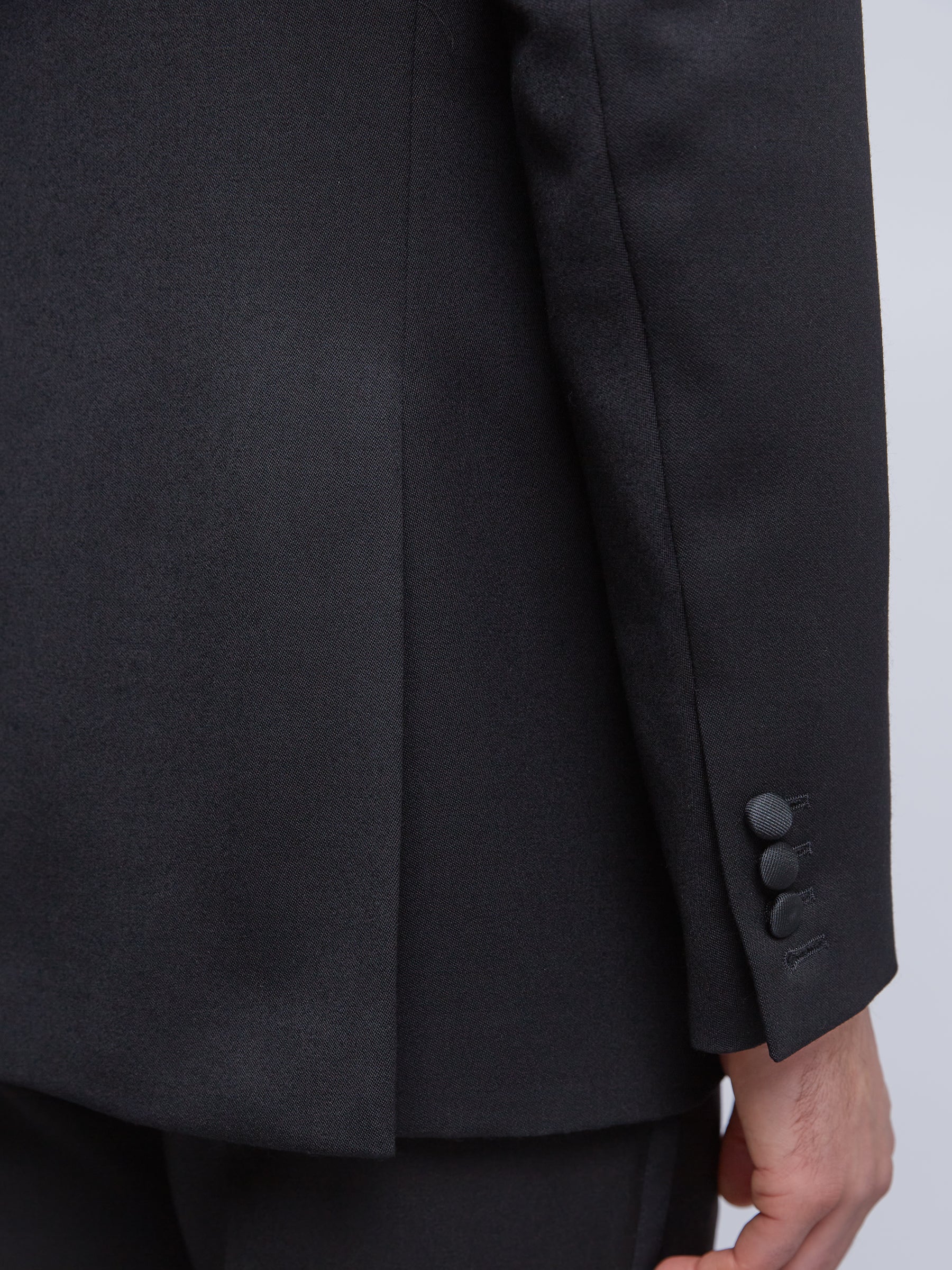
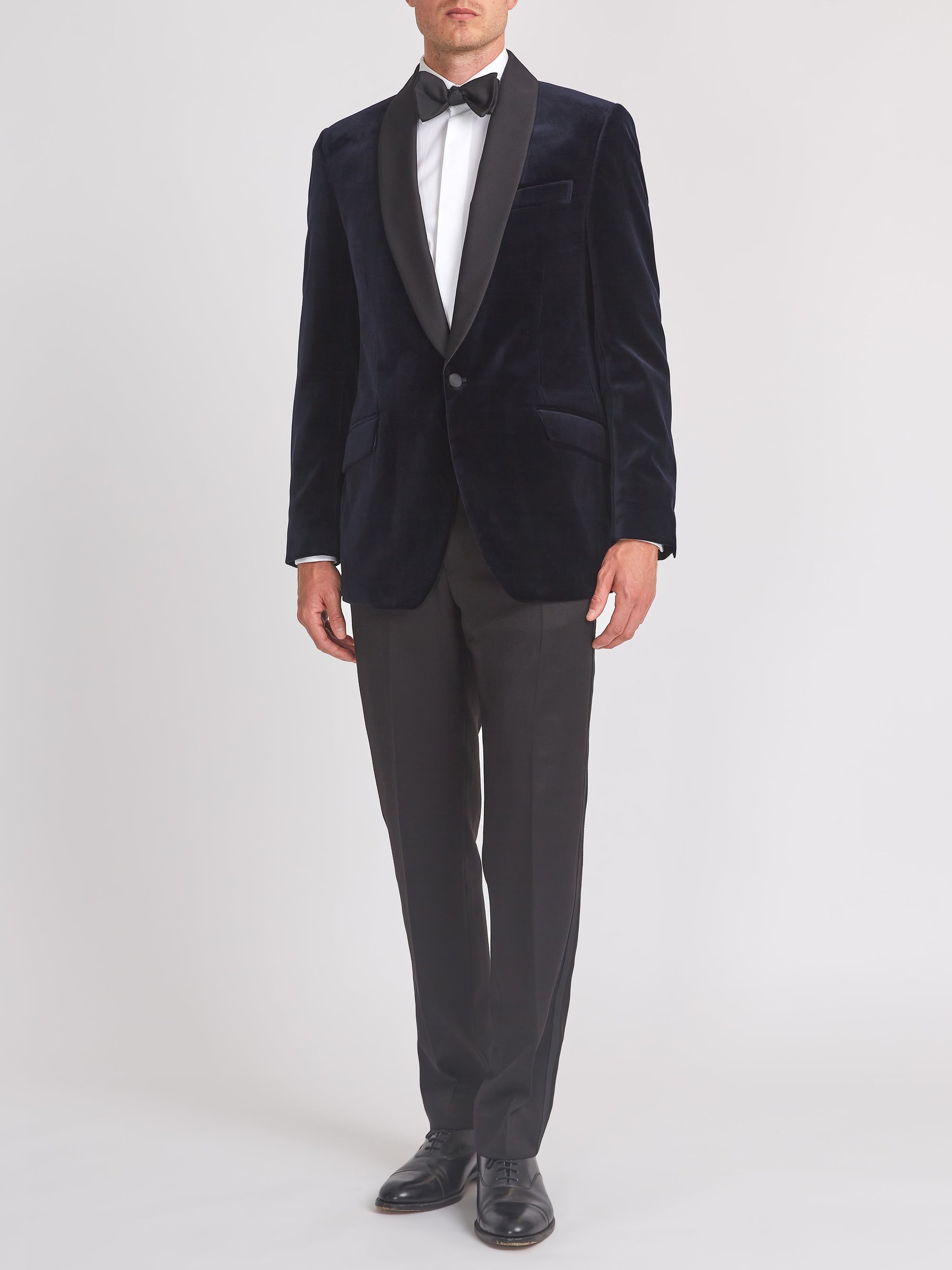
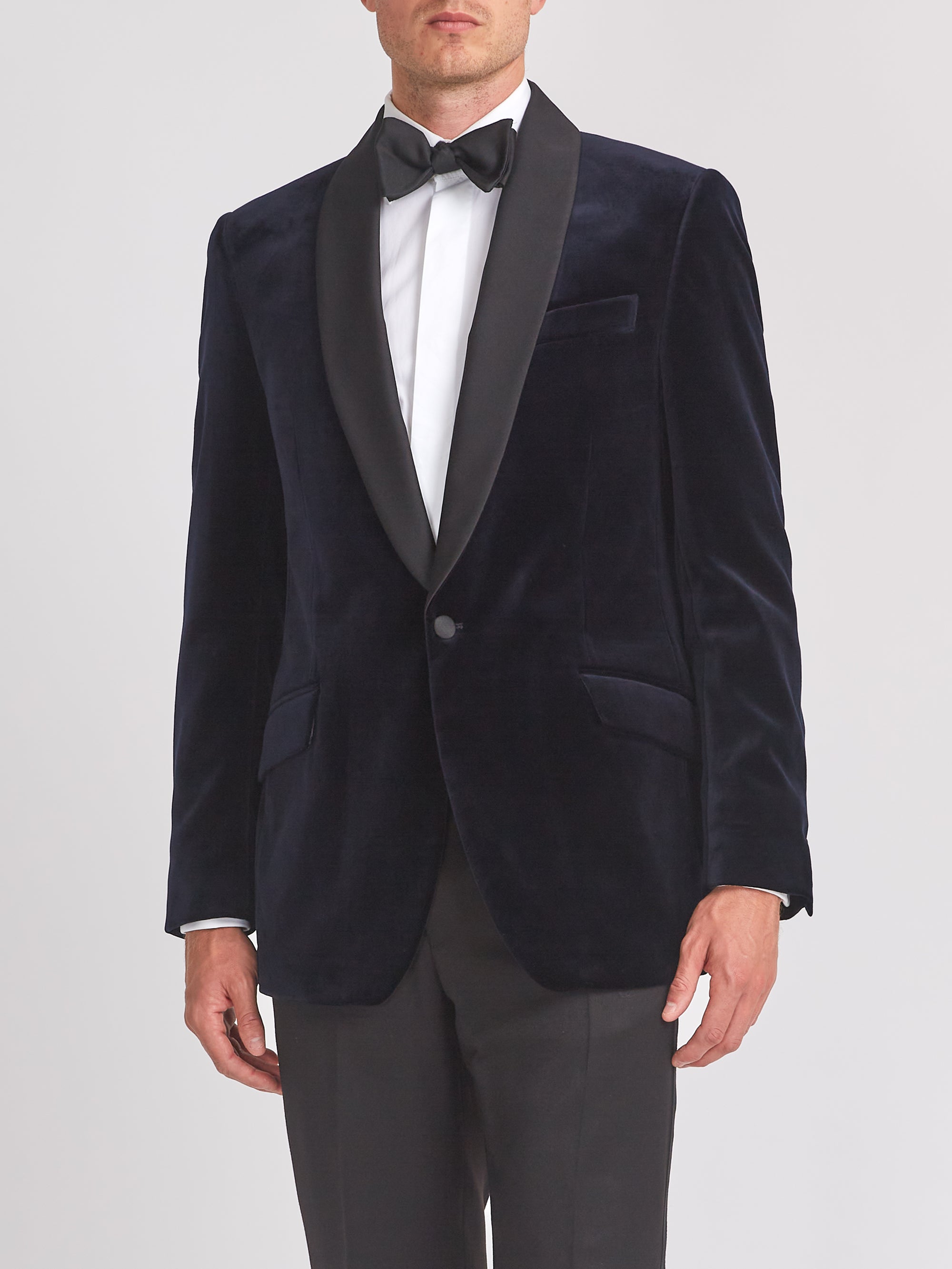
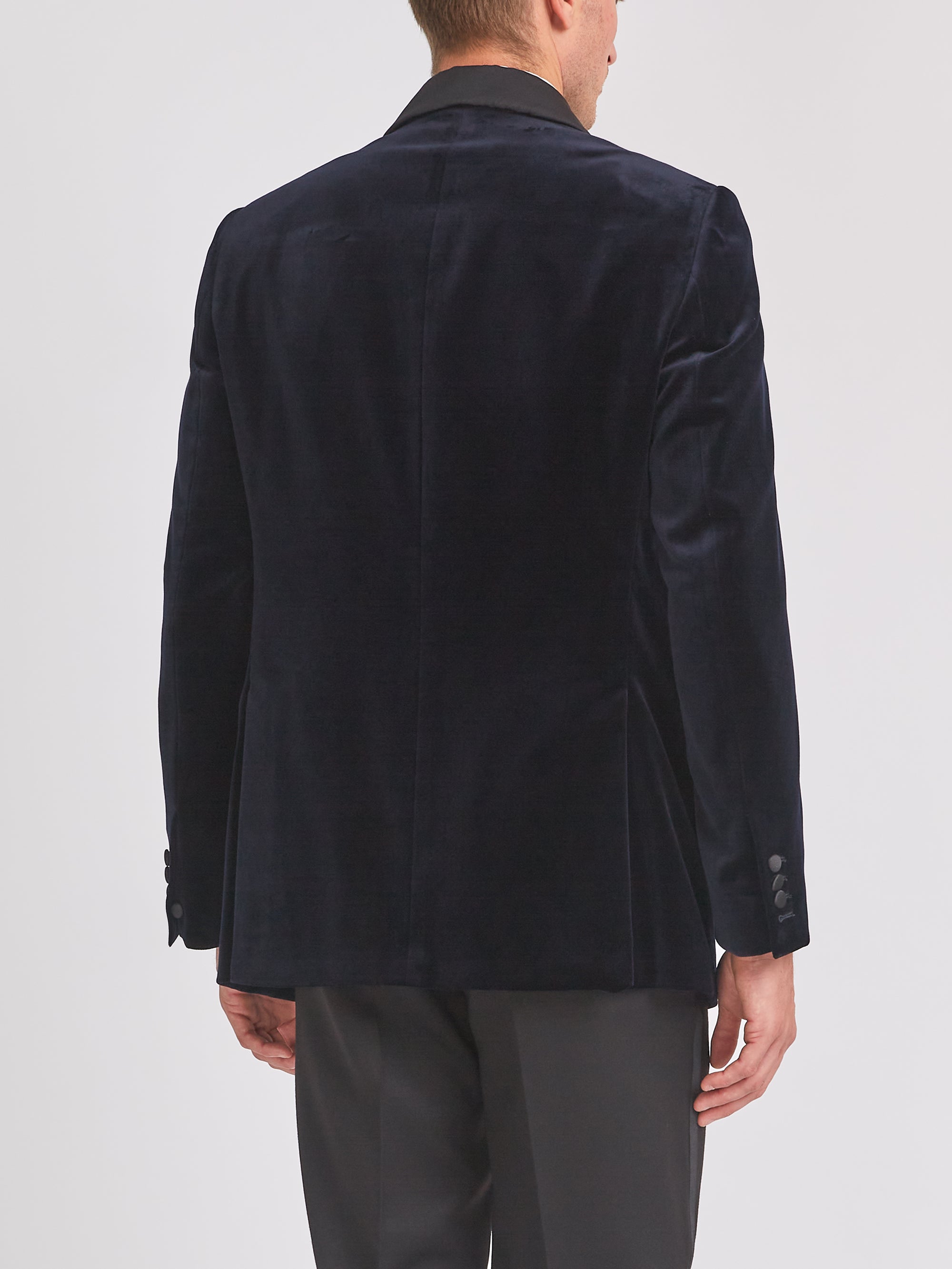
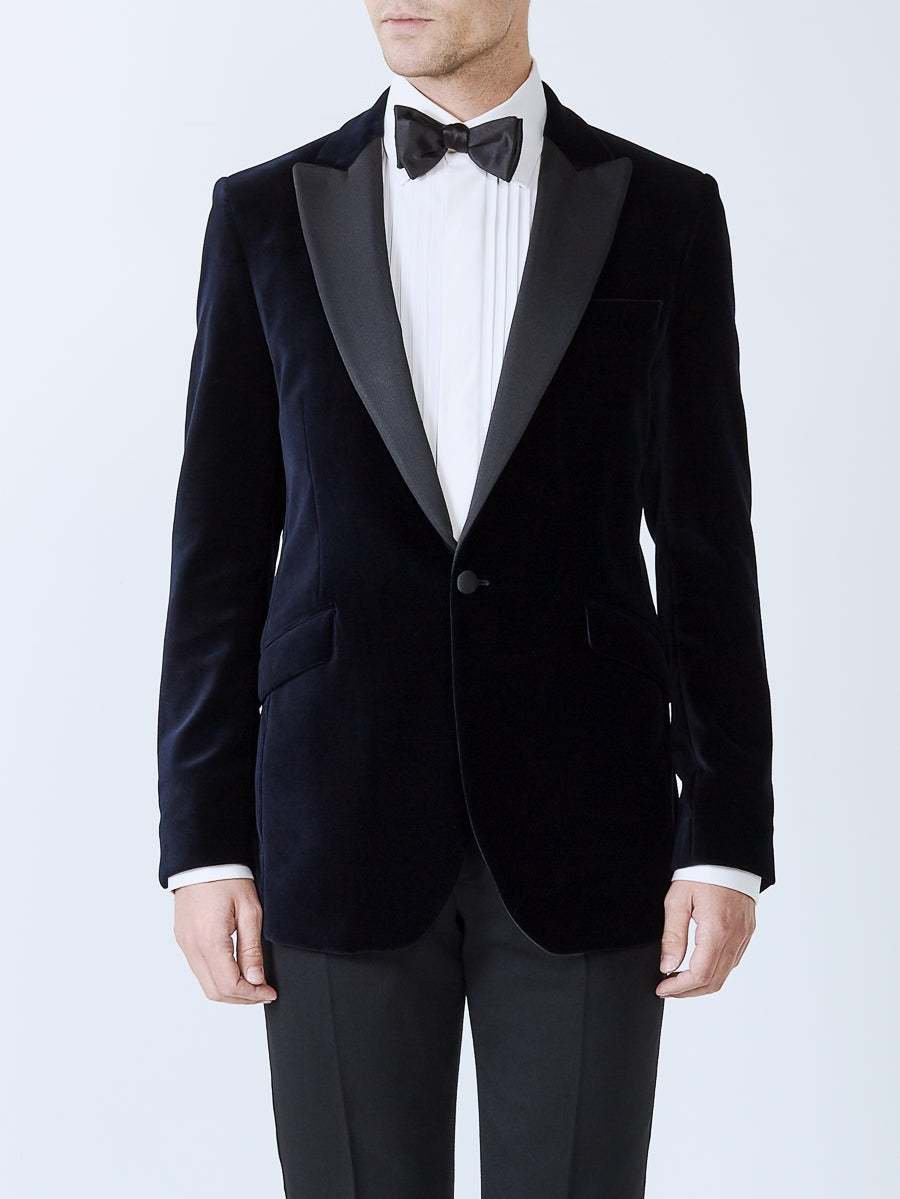
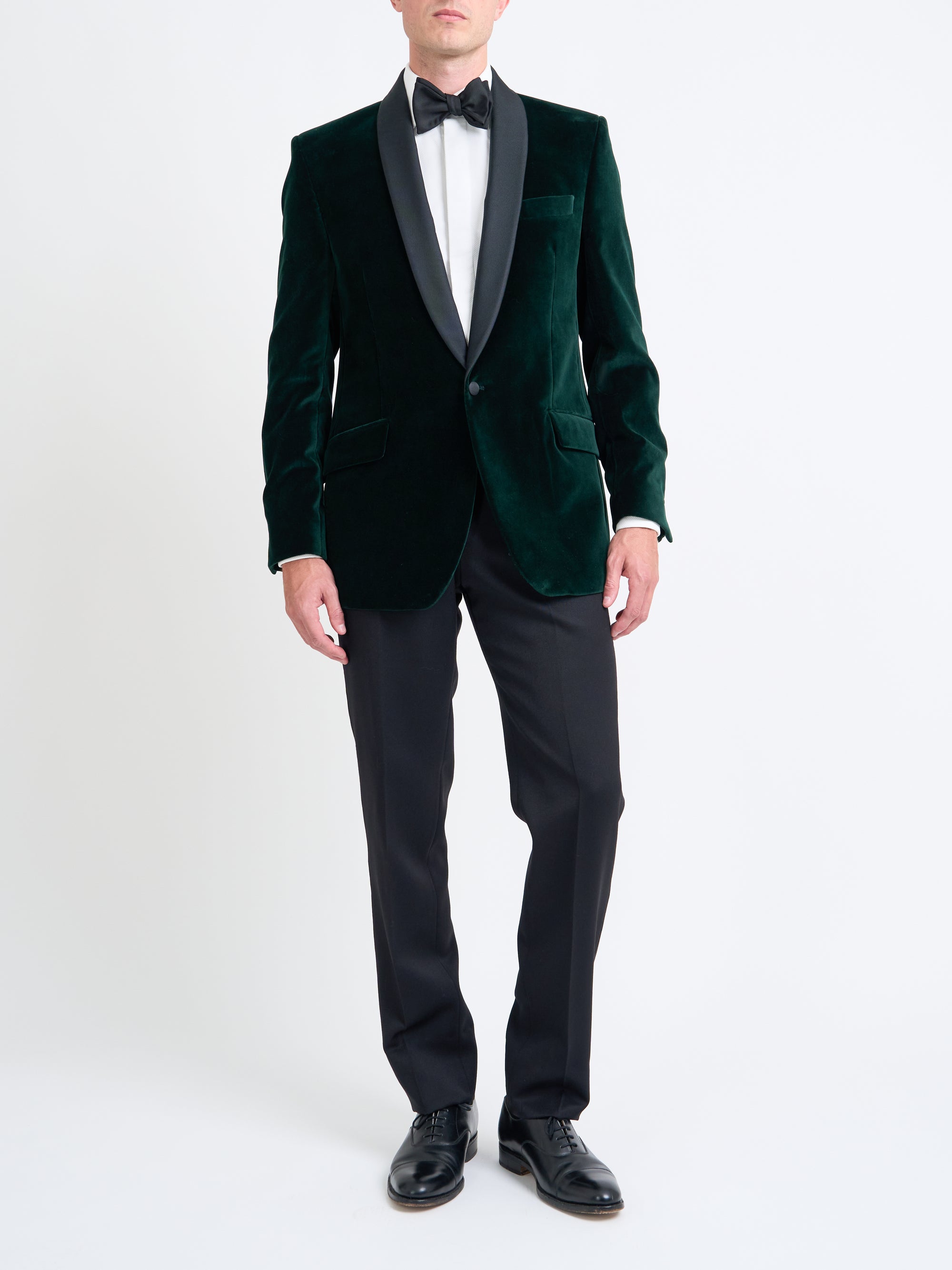
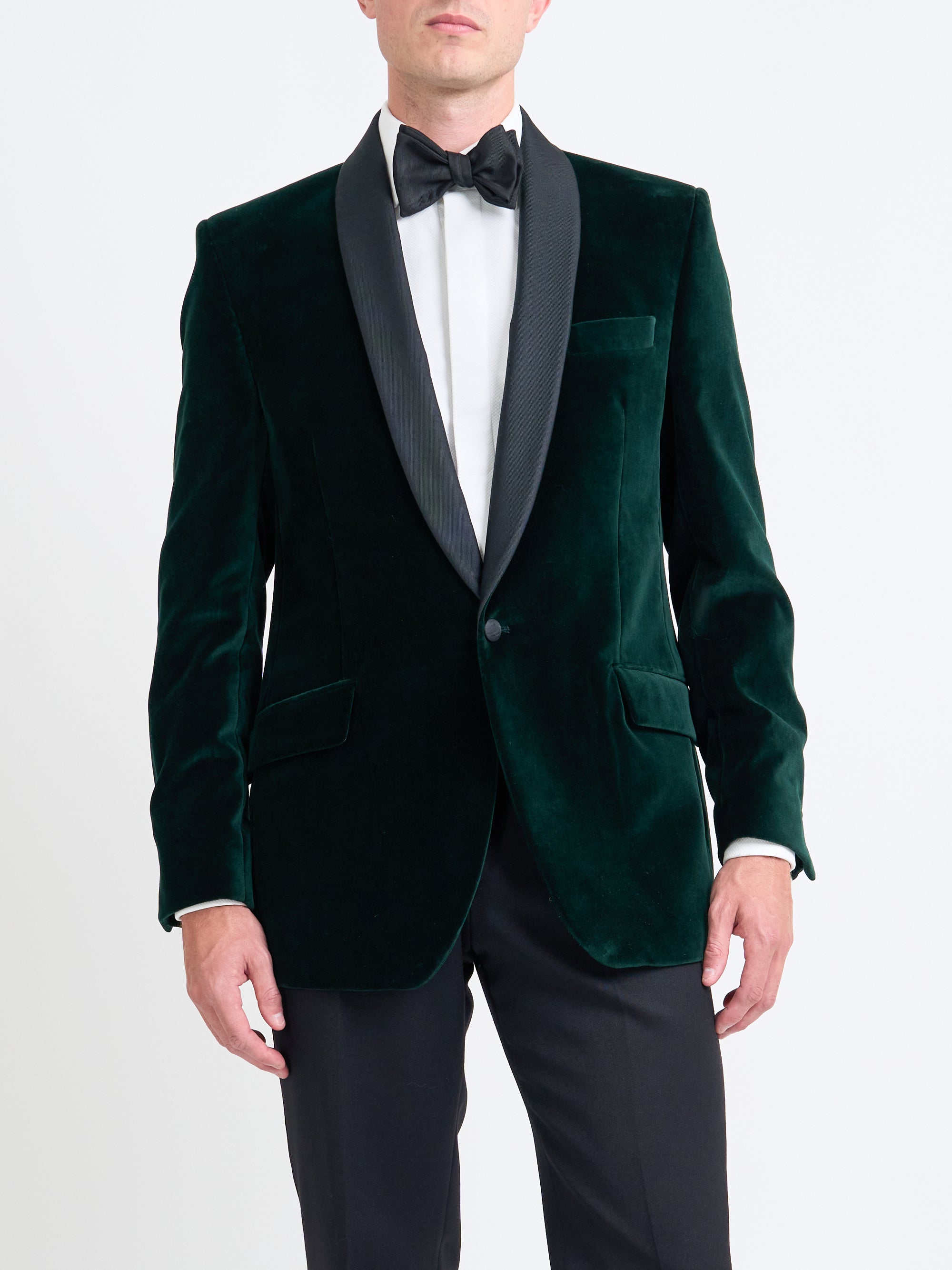
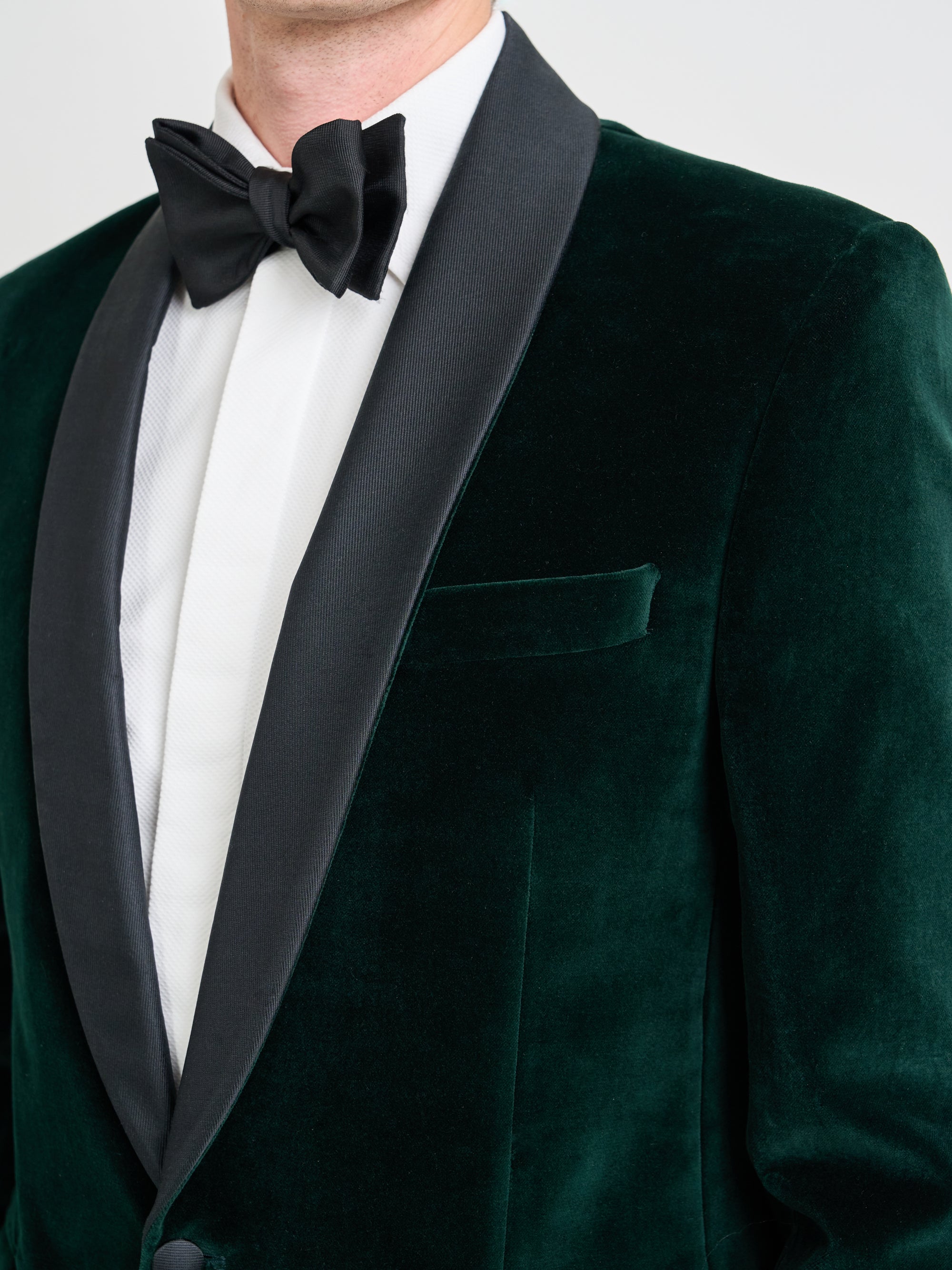
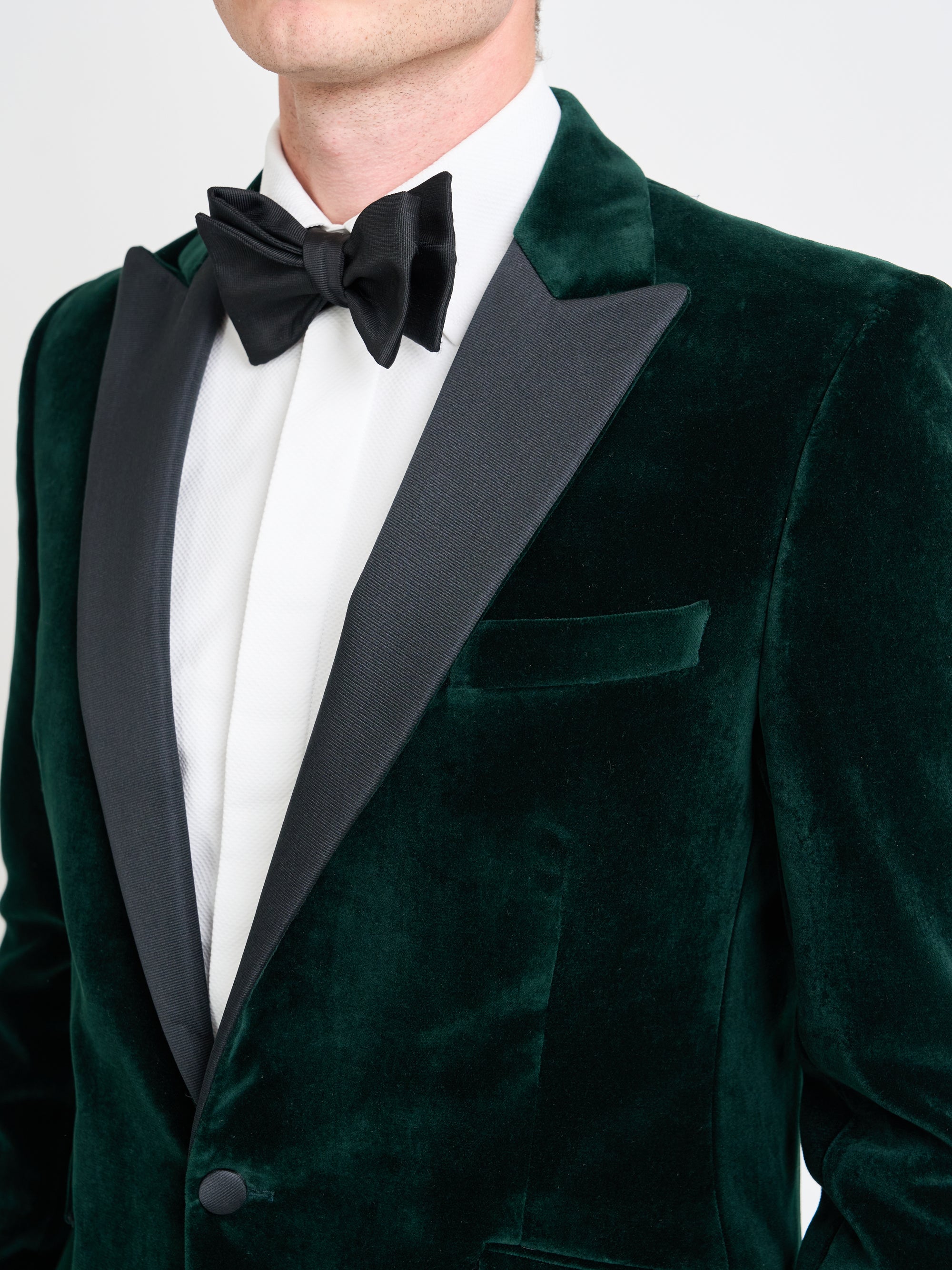
A proper dinner jacket is defined by its details. Traditionally cut in black or midnight-blue wool, it has lapels faced in silk - typically satin or grosgrain - alongside matching trim on the trouser seam. The silk facing is not decorative frippery; it catches evening light differently from wool, creating the subtle contrast that gives black tie its particular depth.