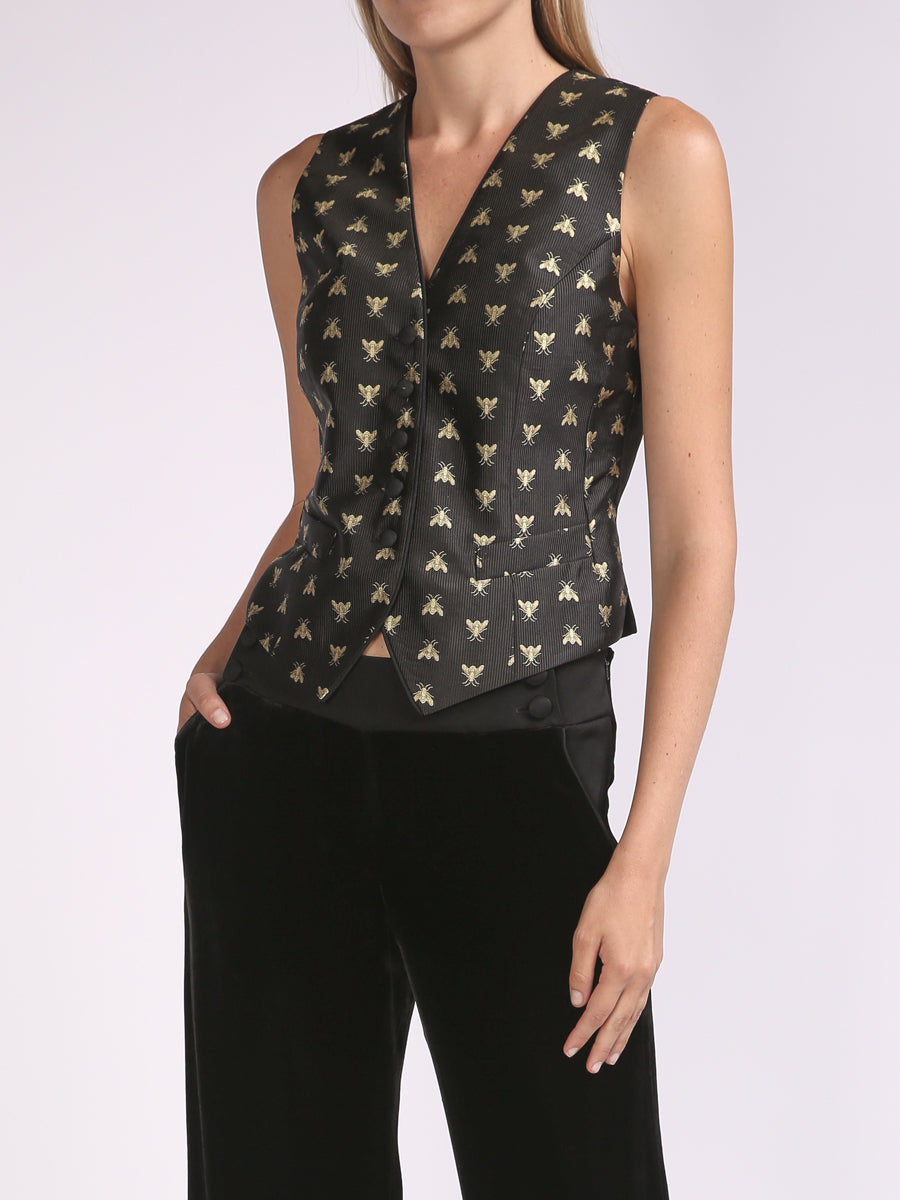
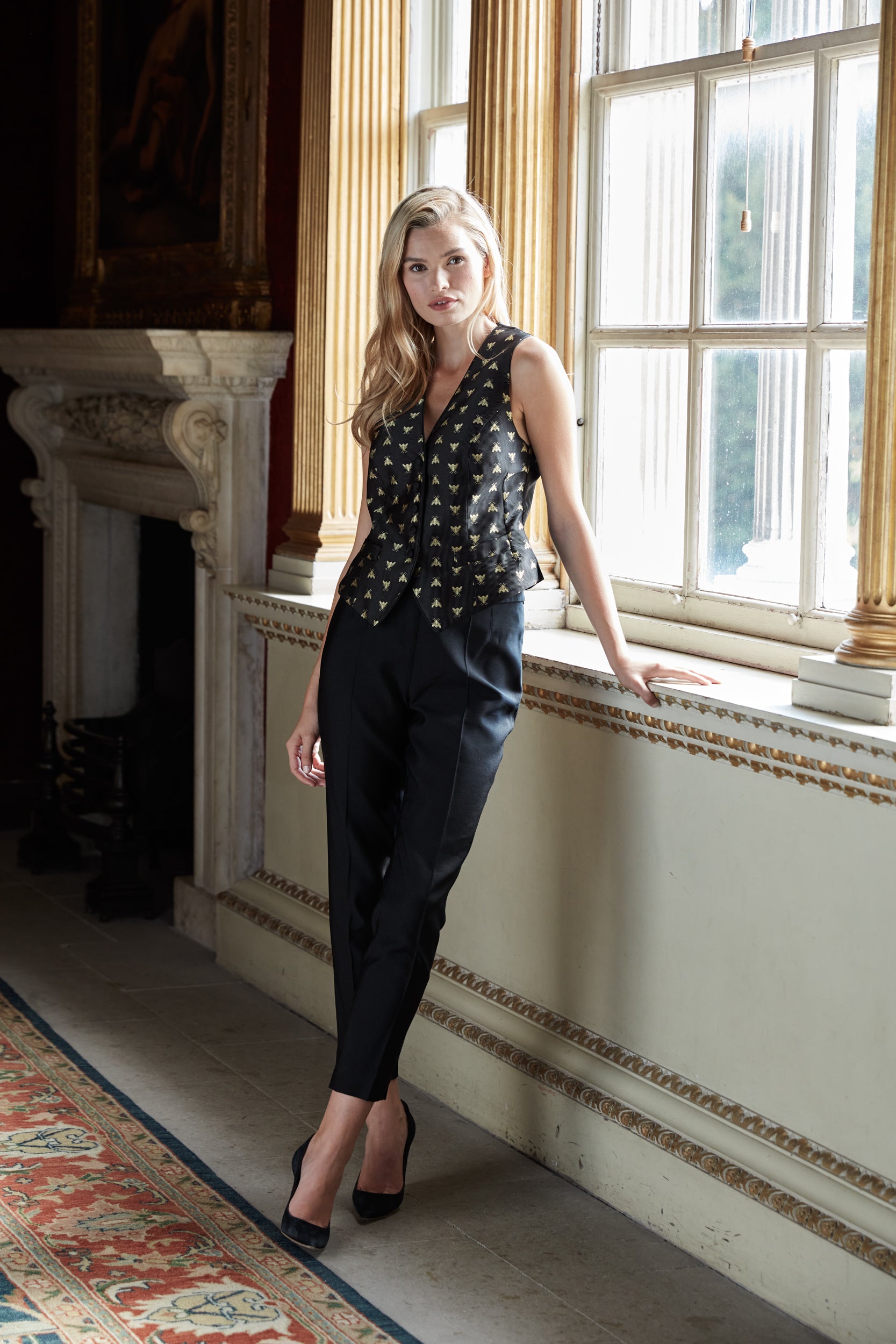
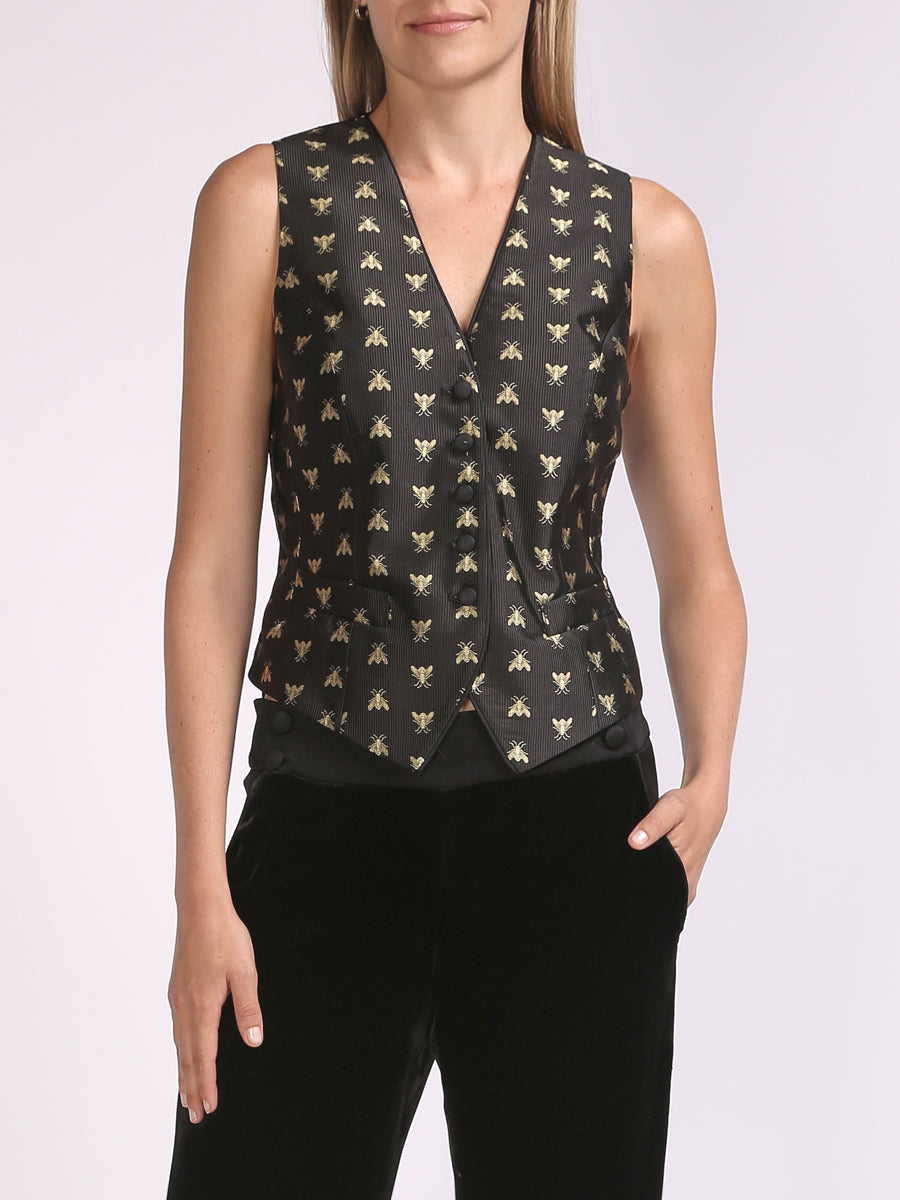
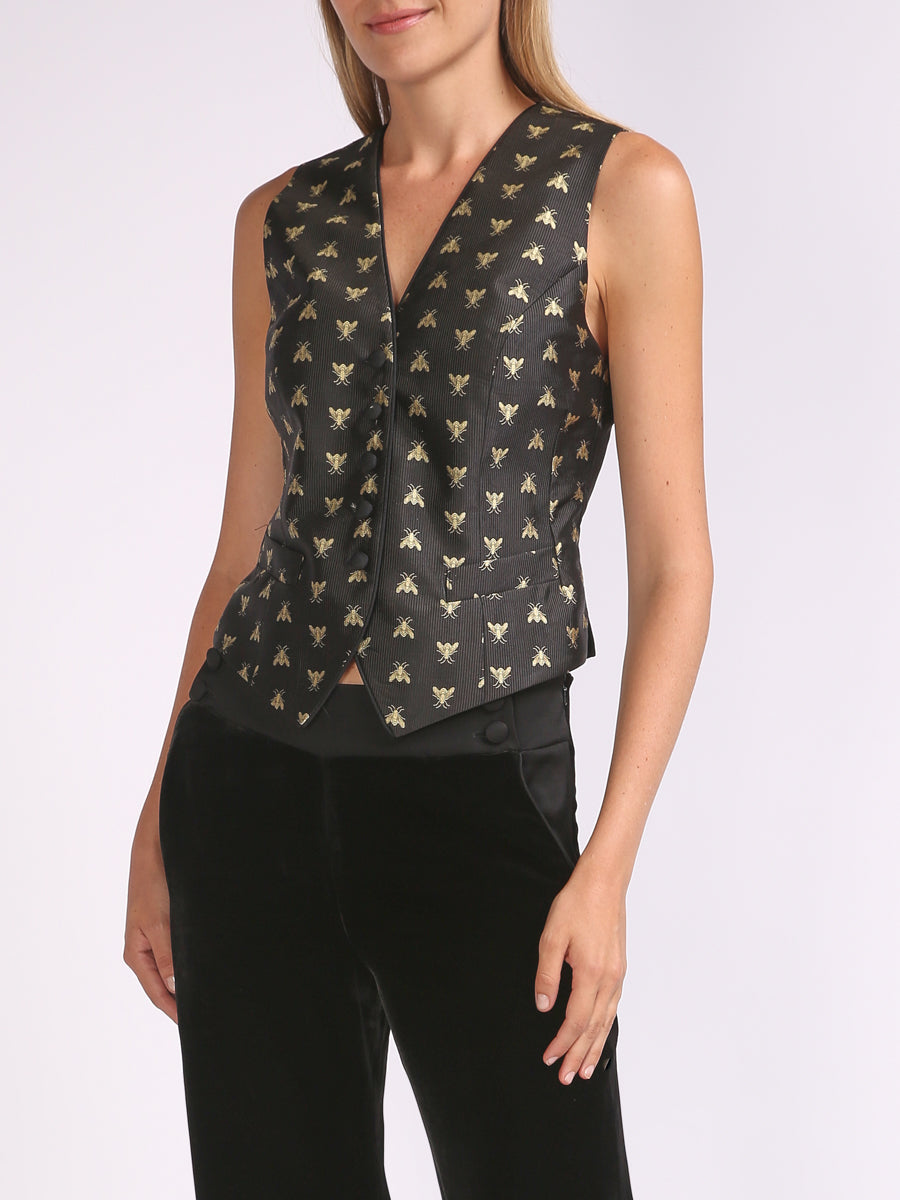
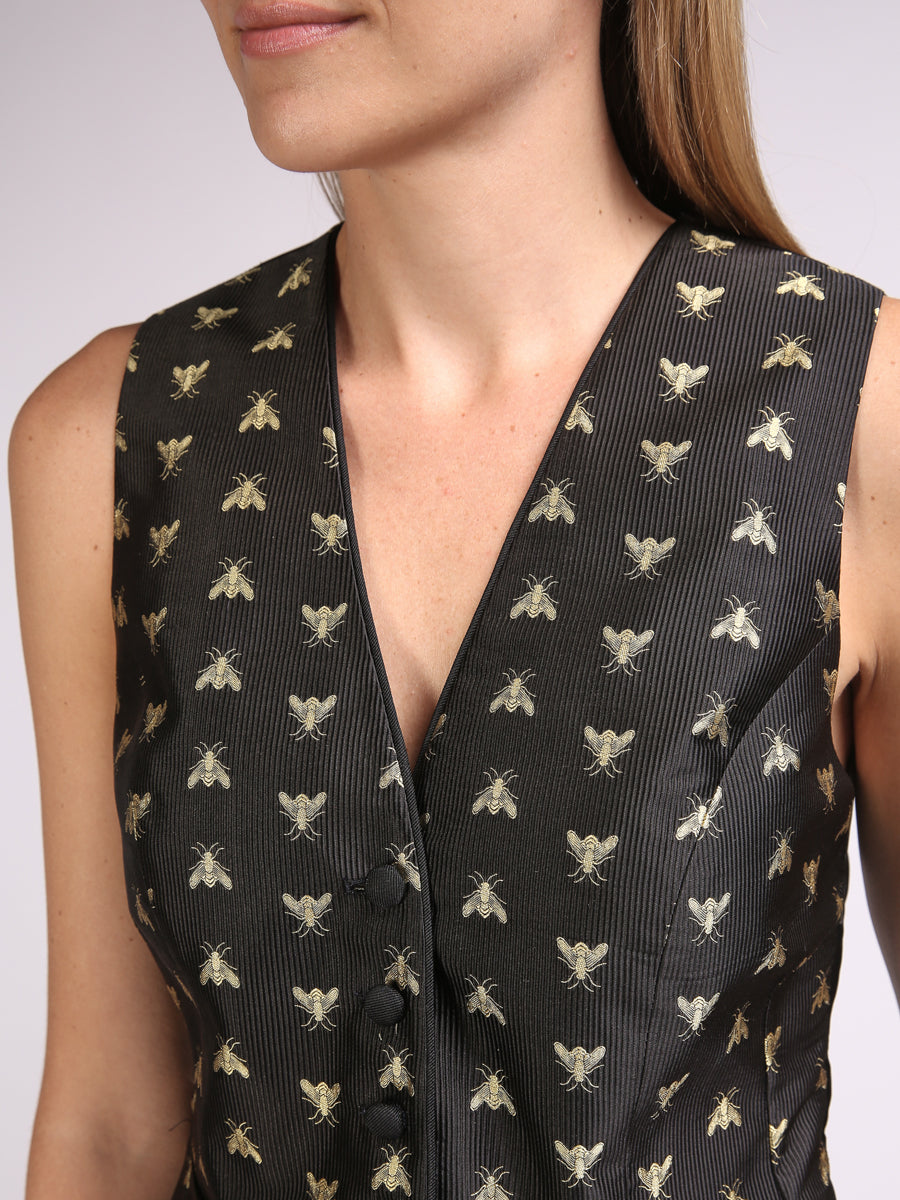
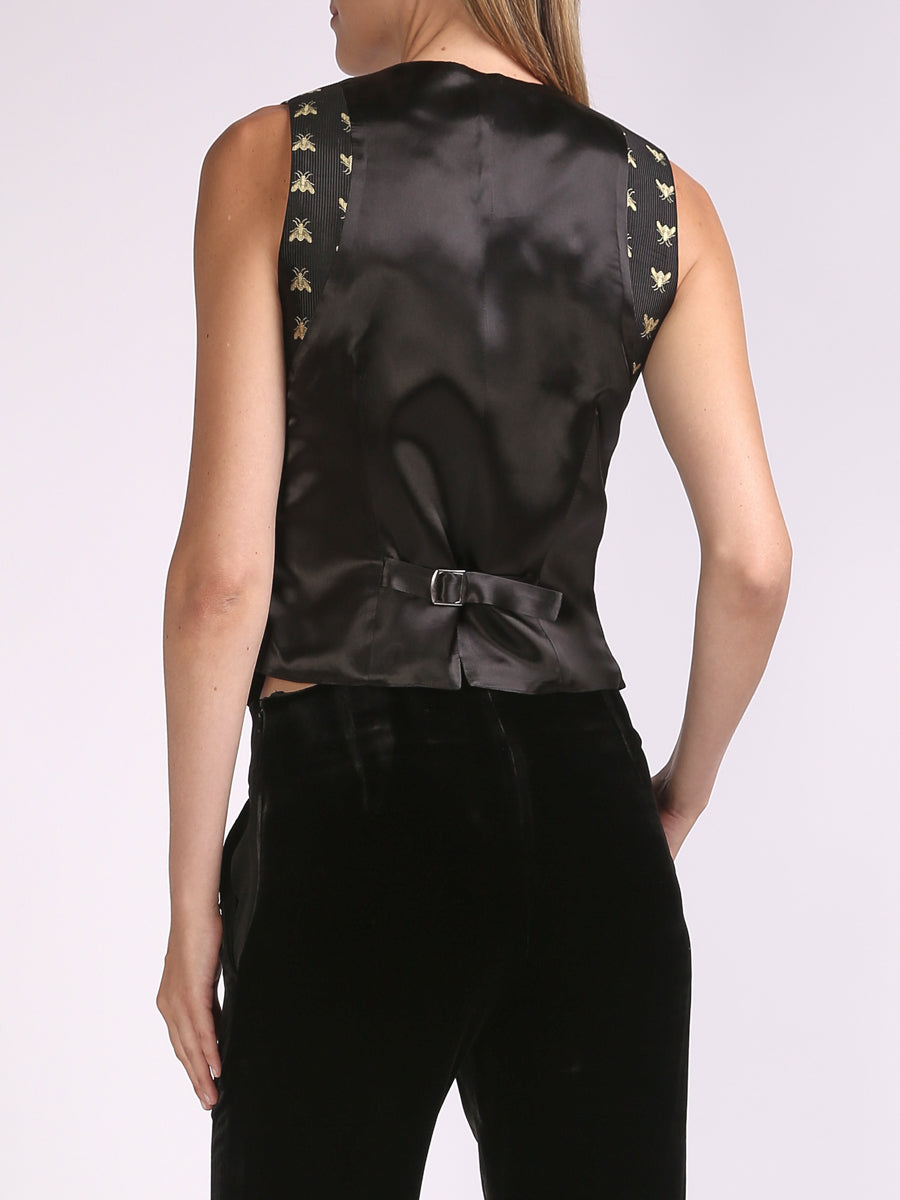
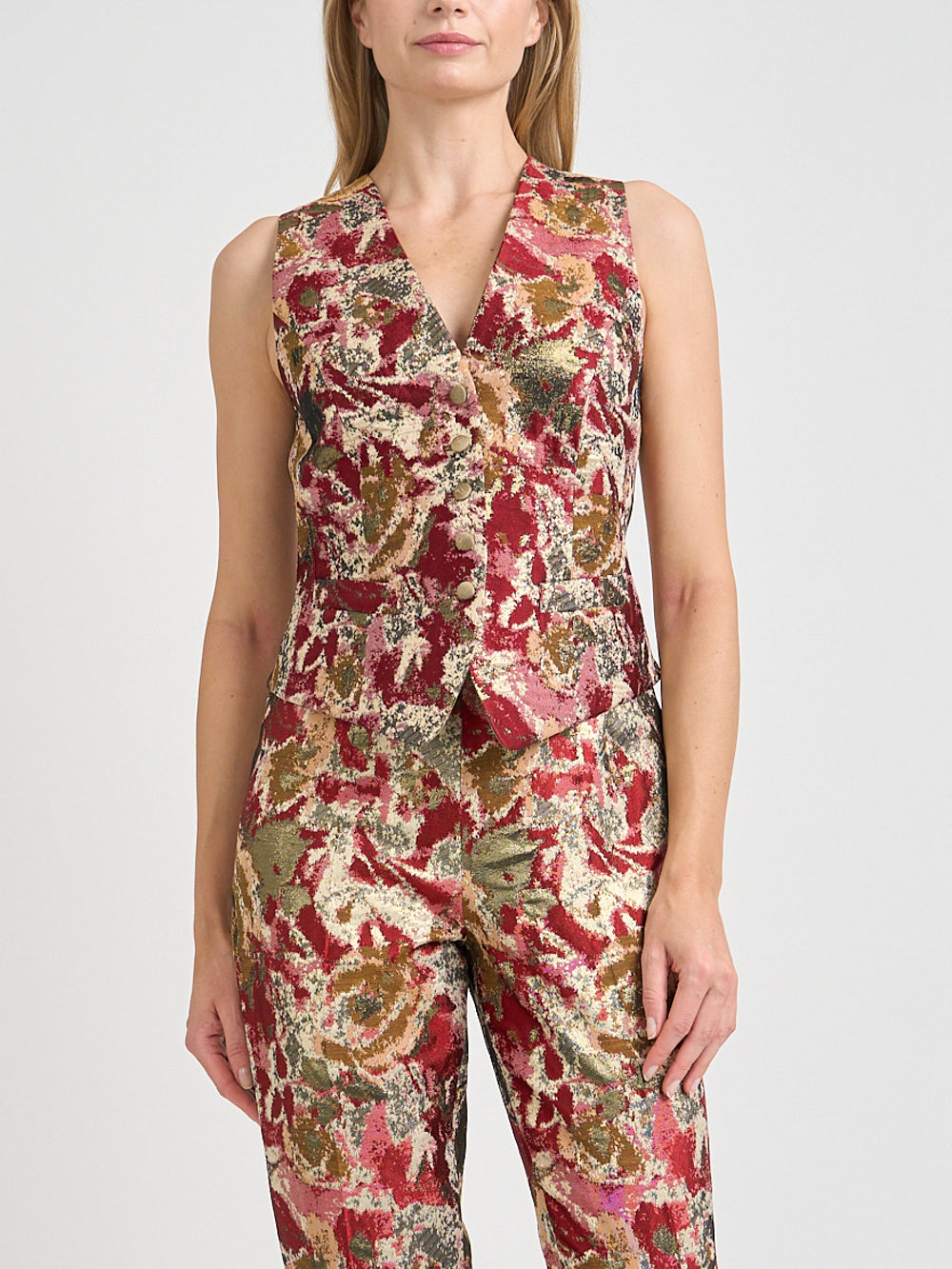
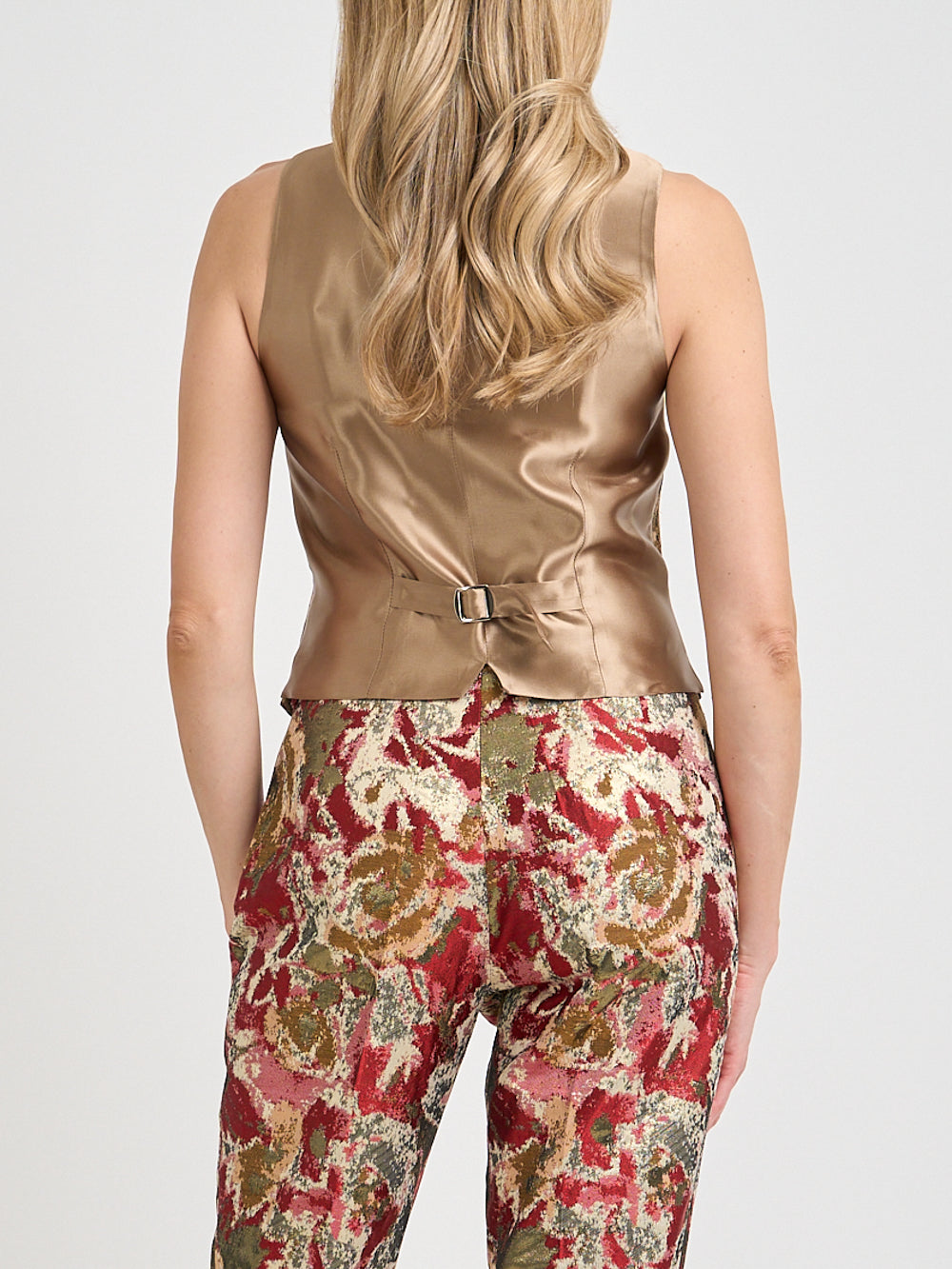
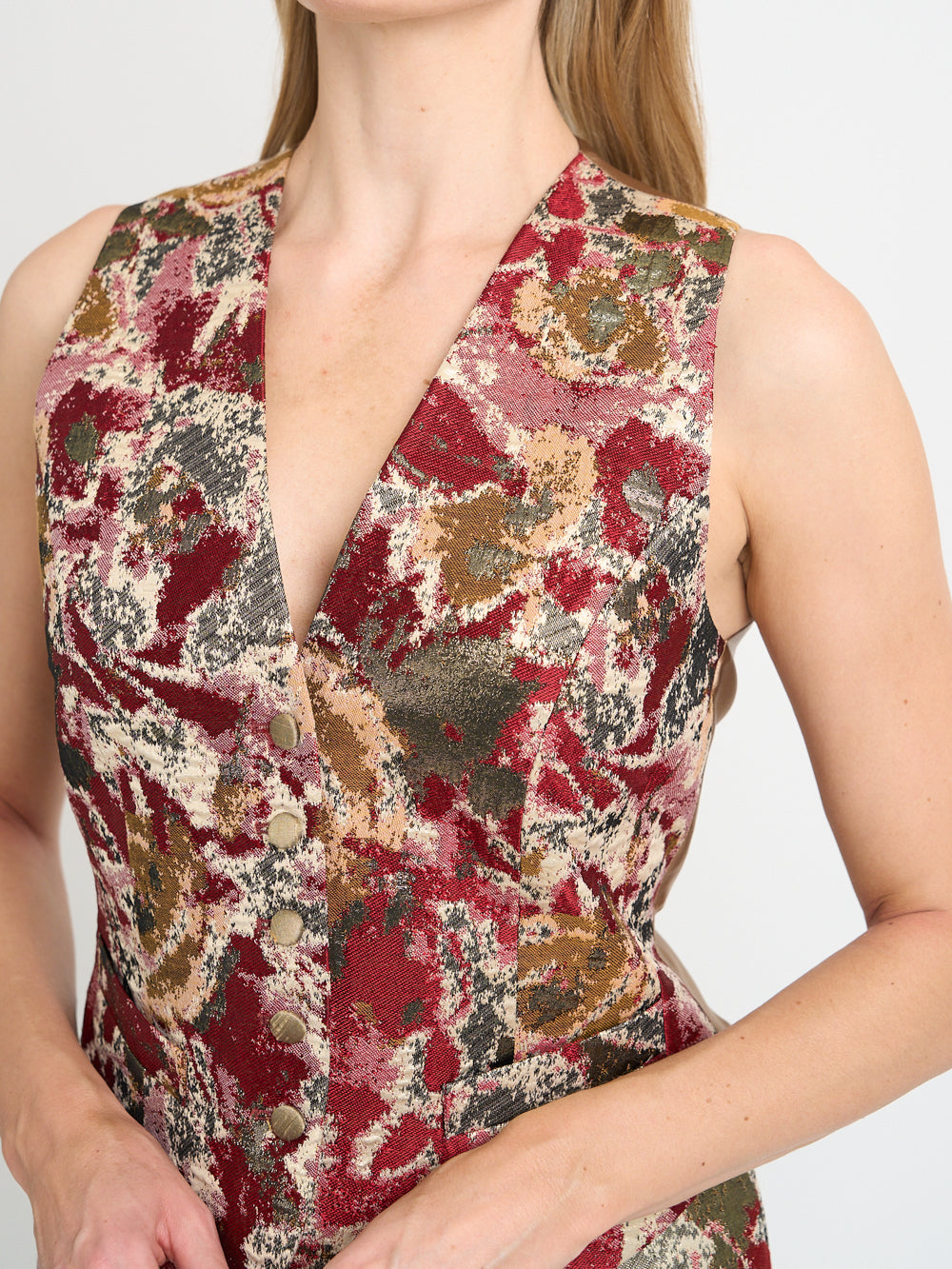
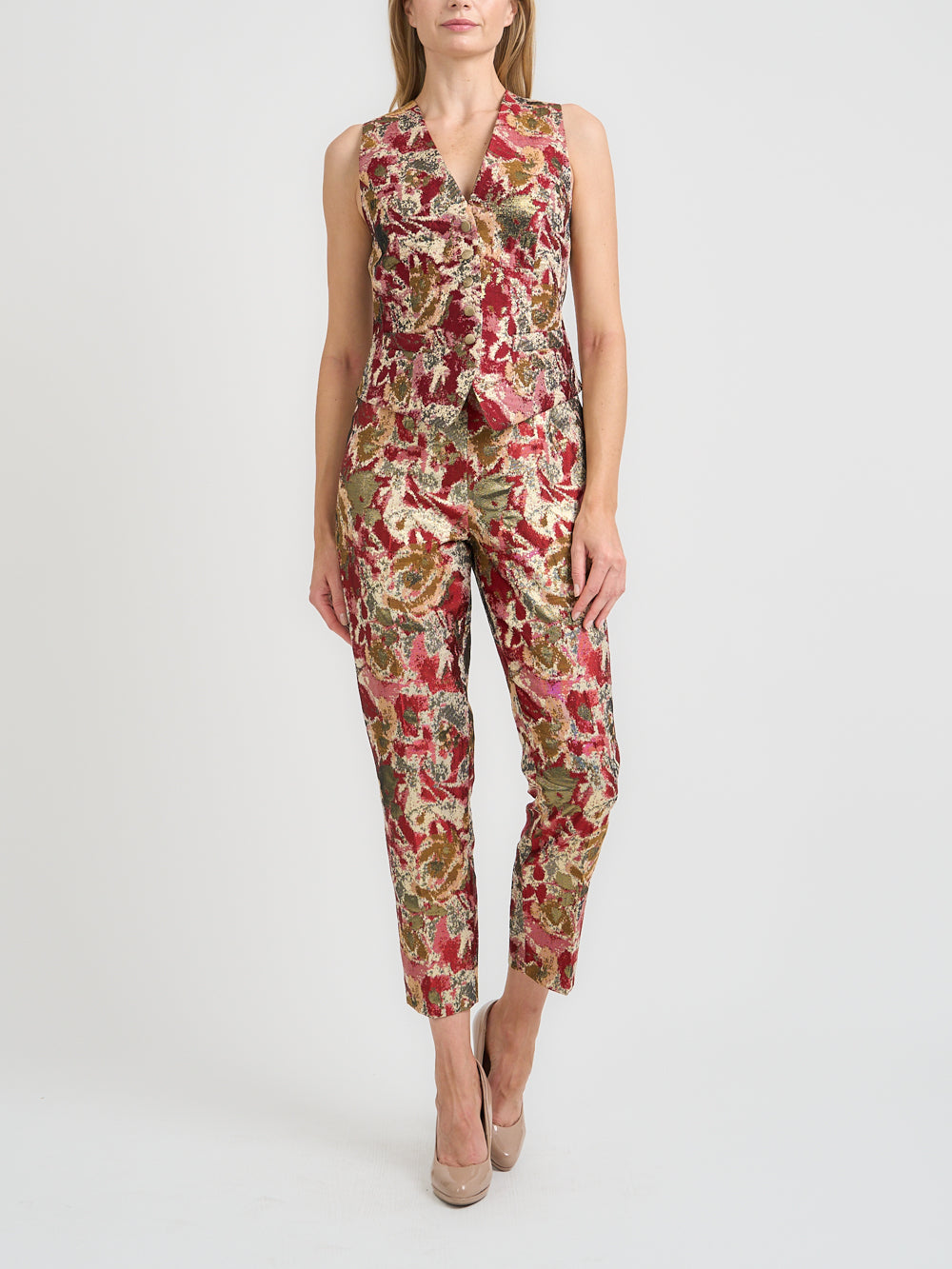
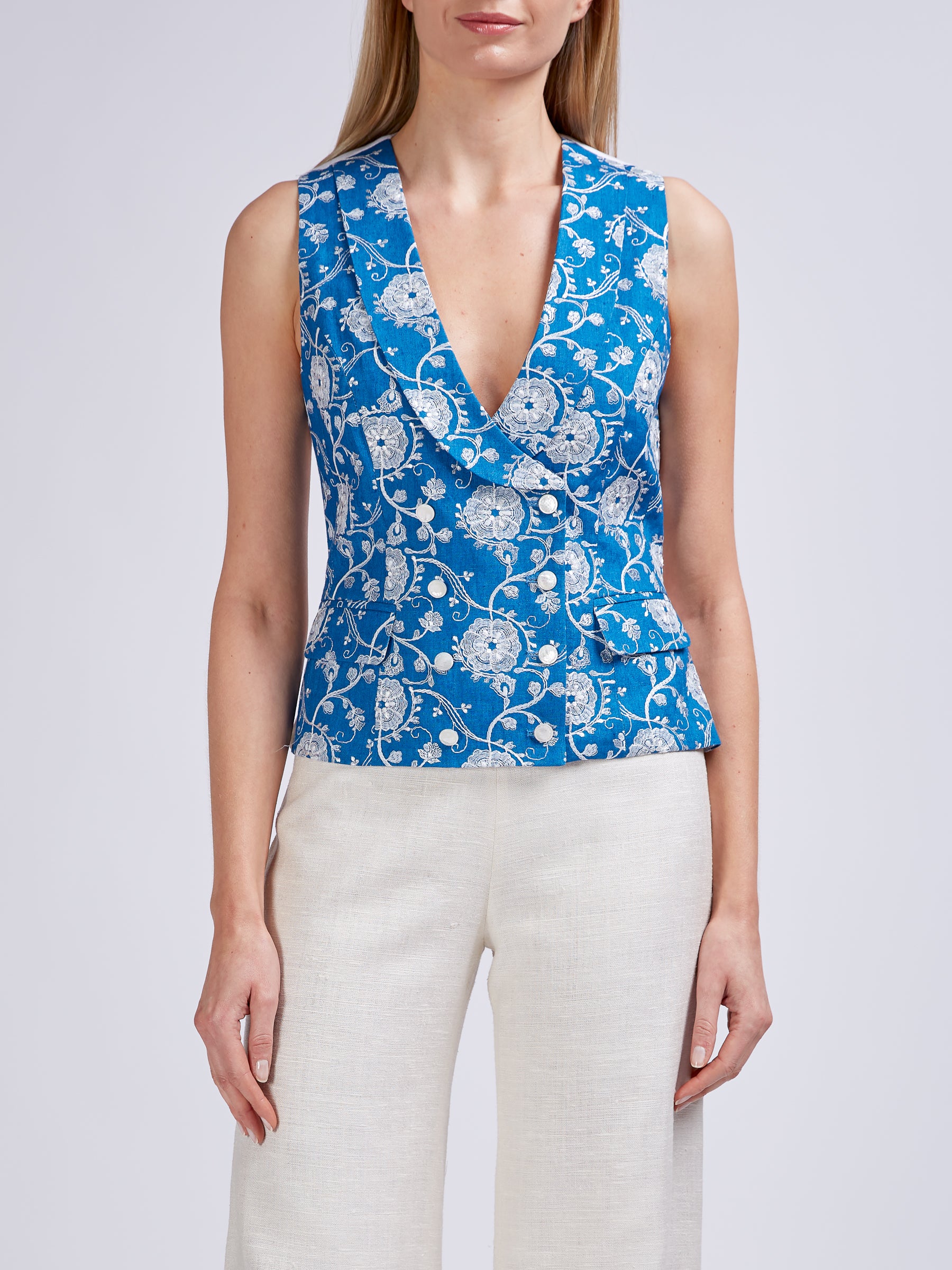
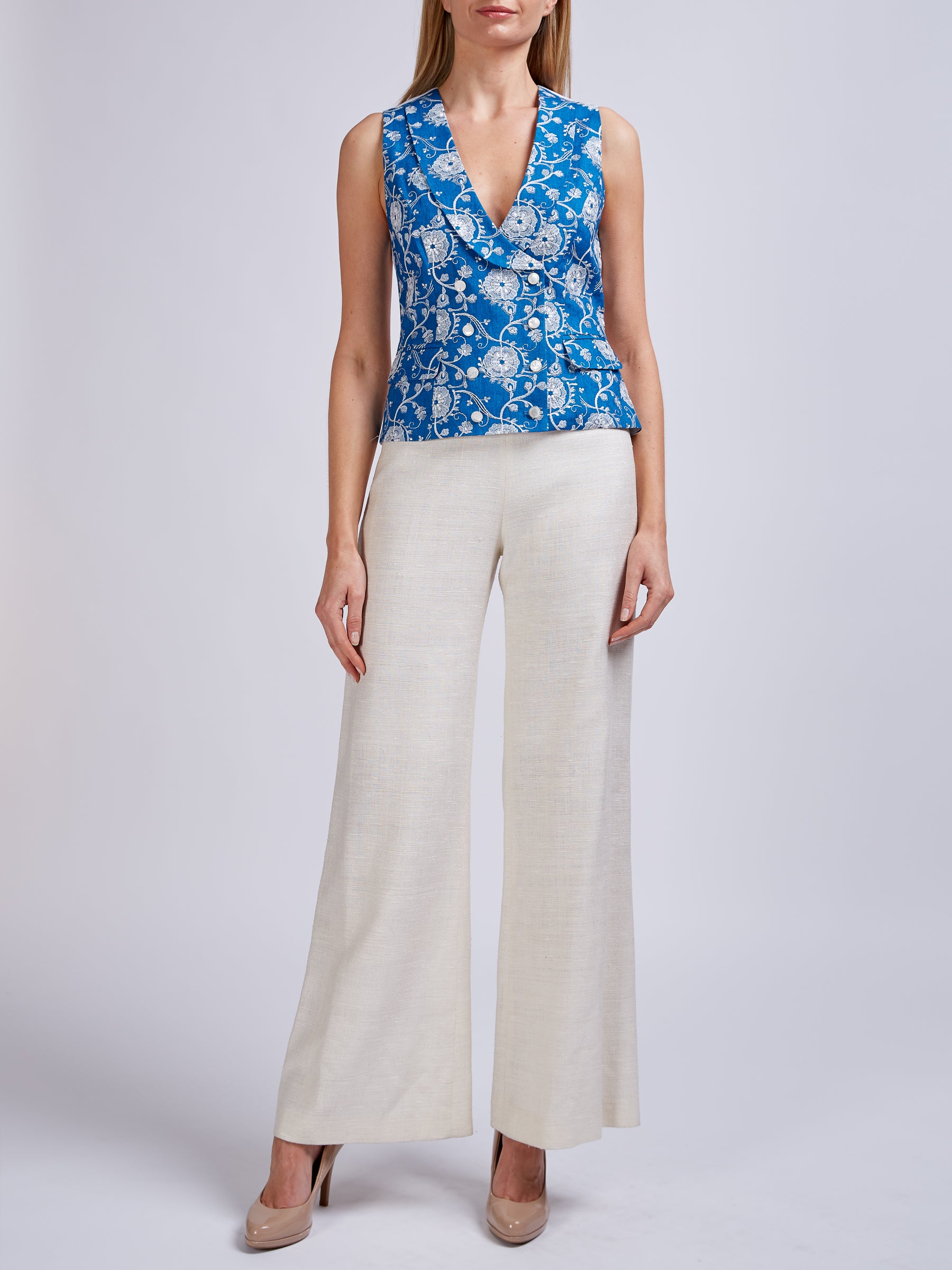
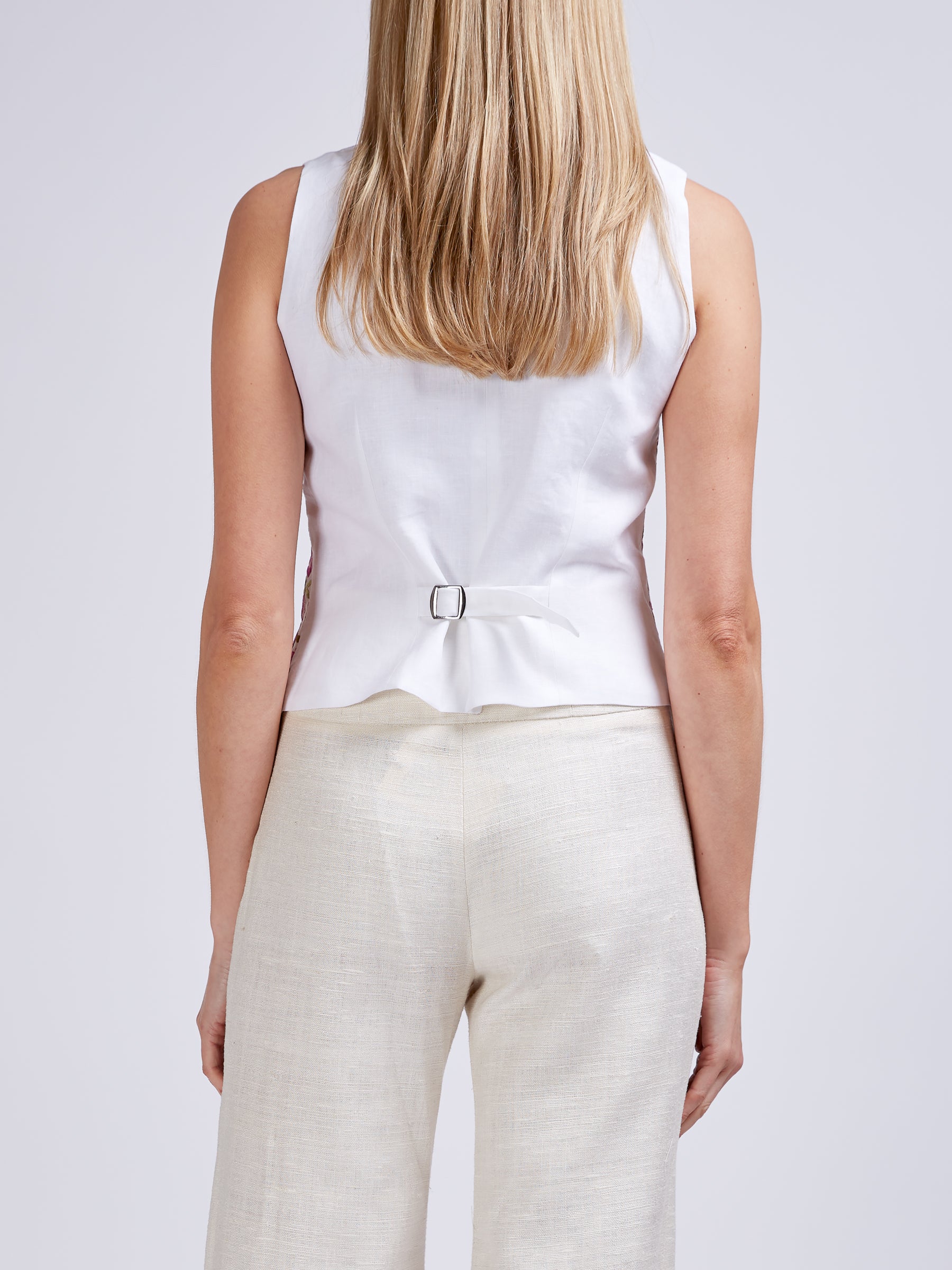
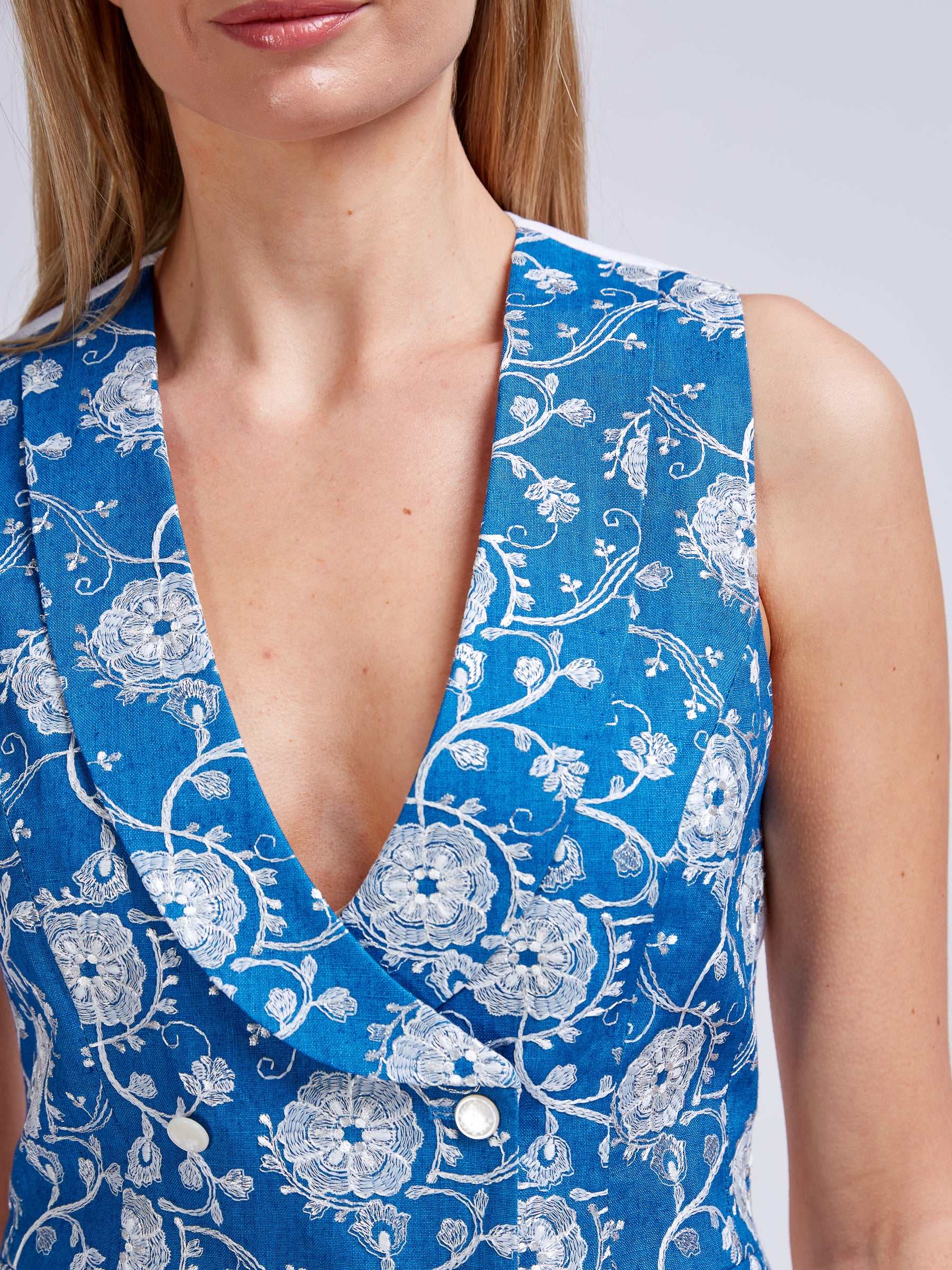
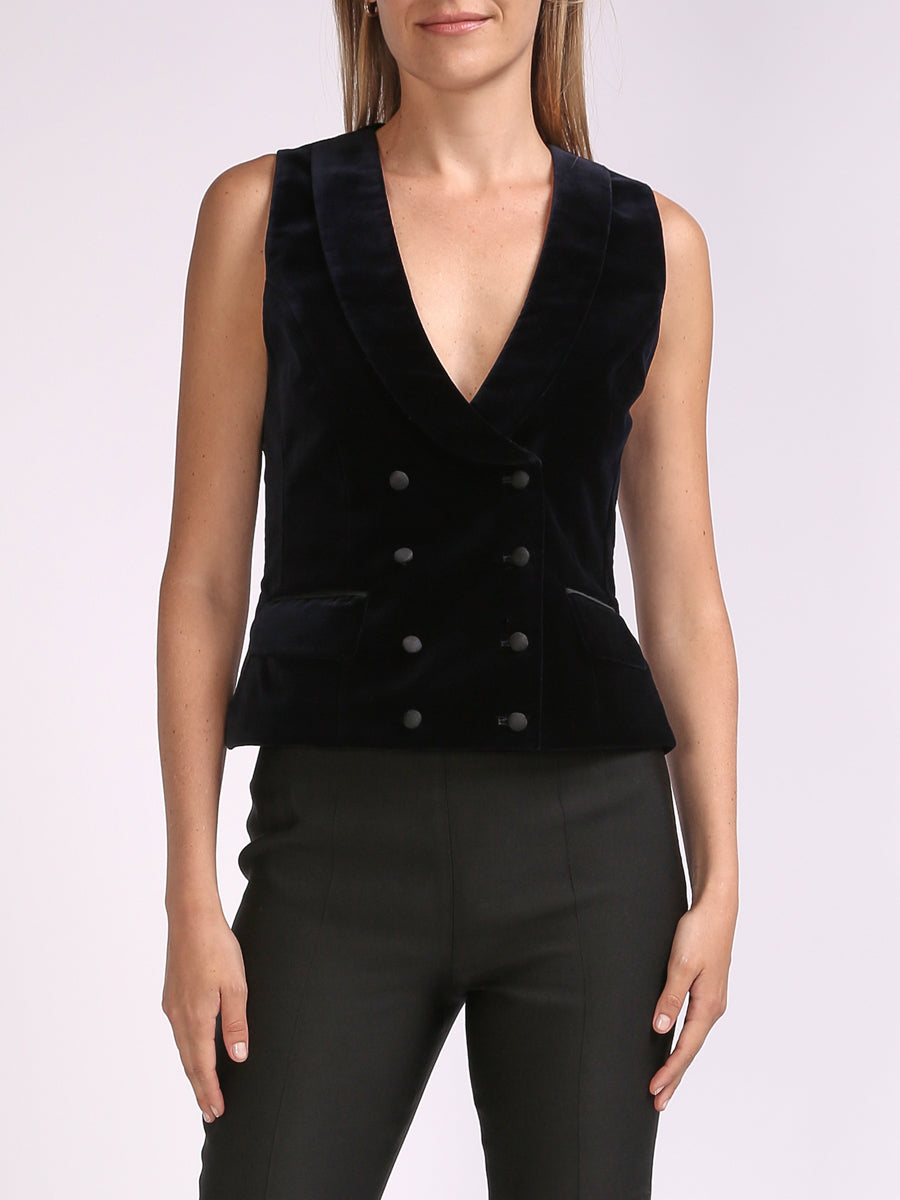
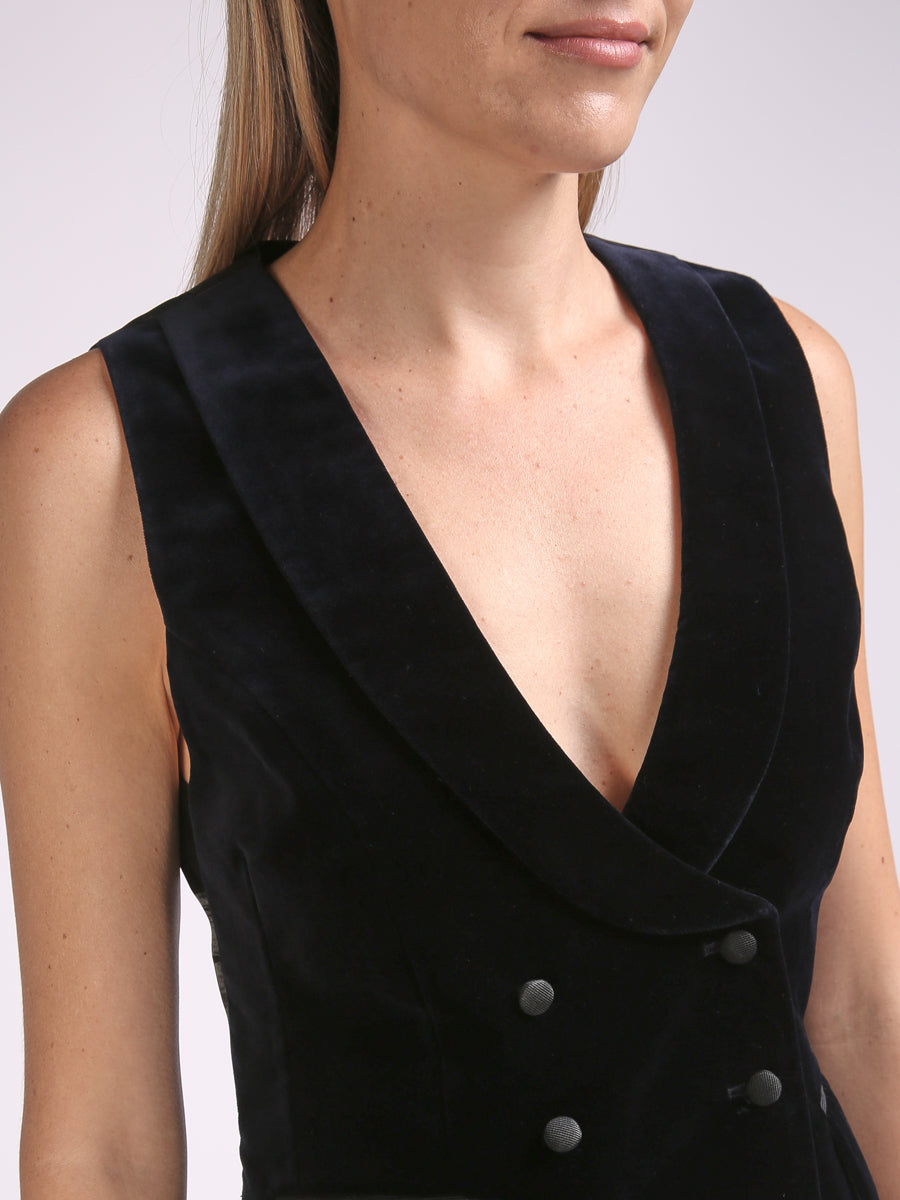
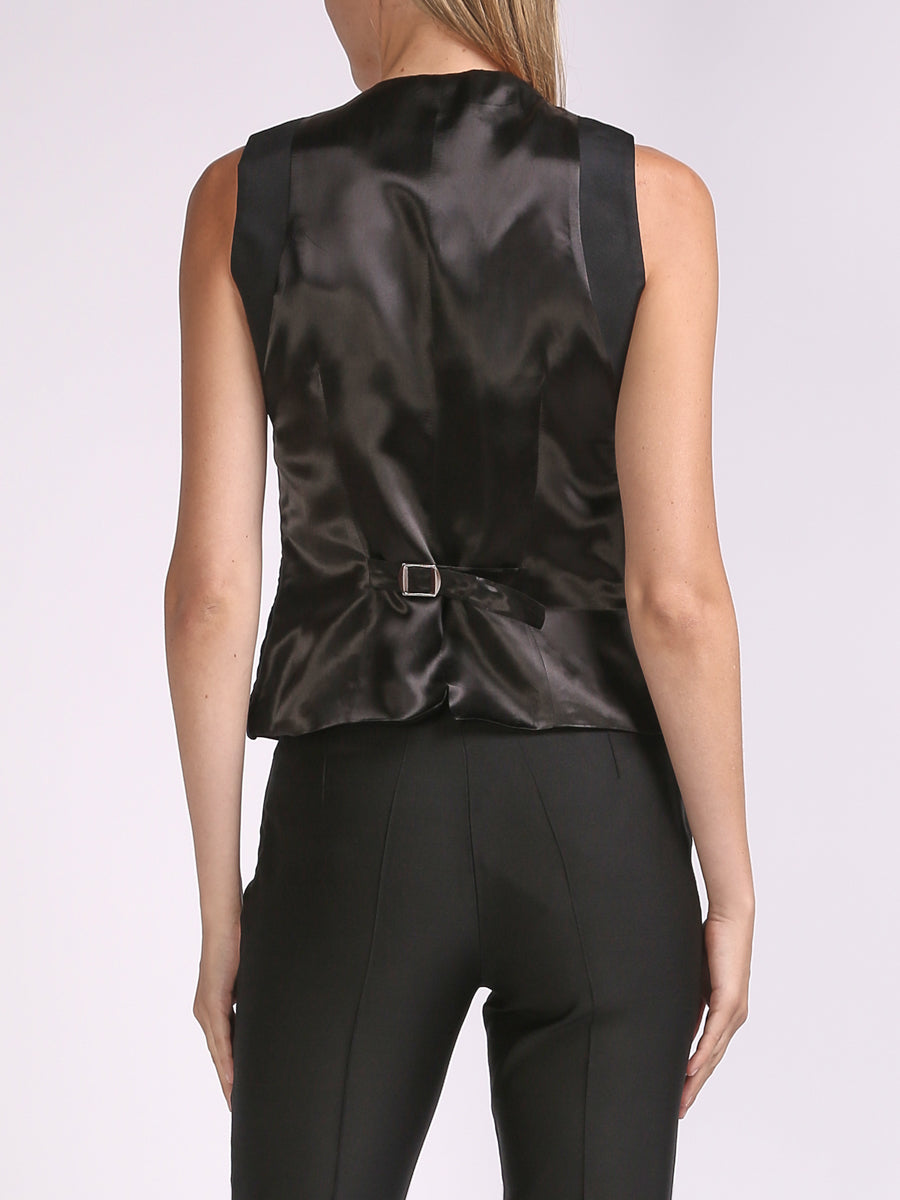
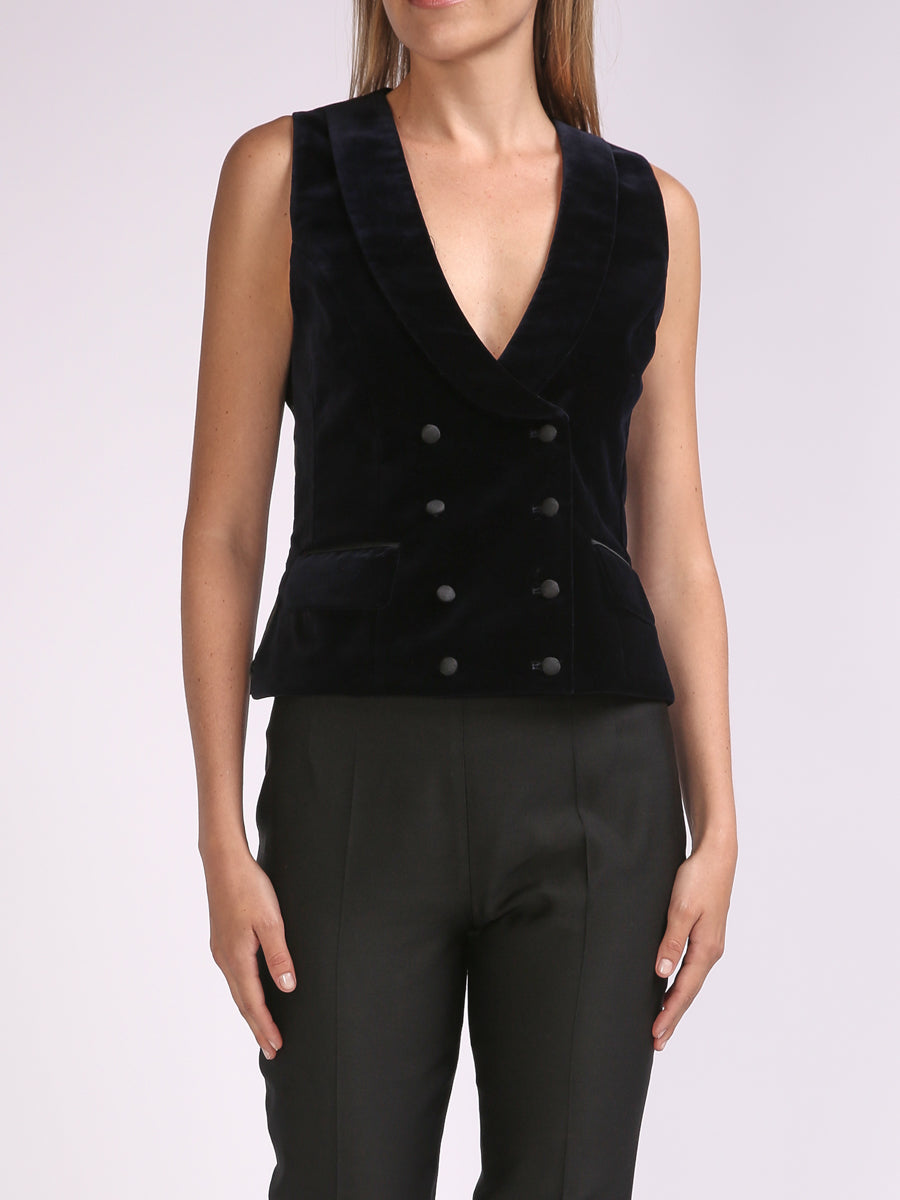
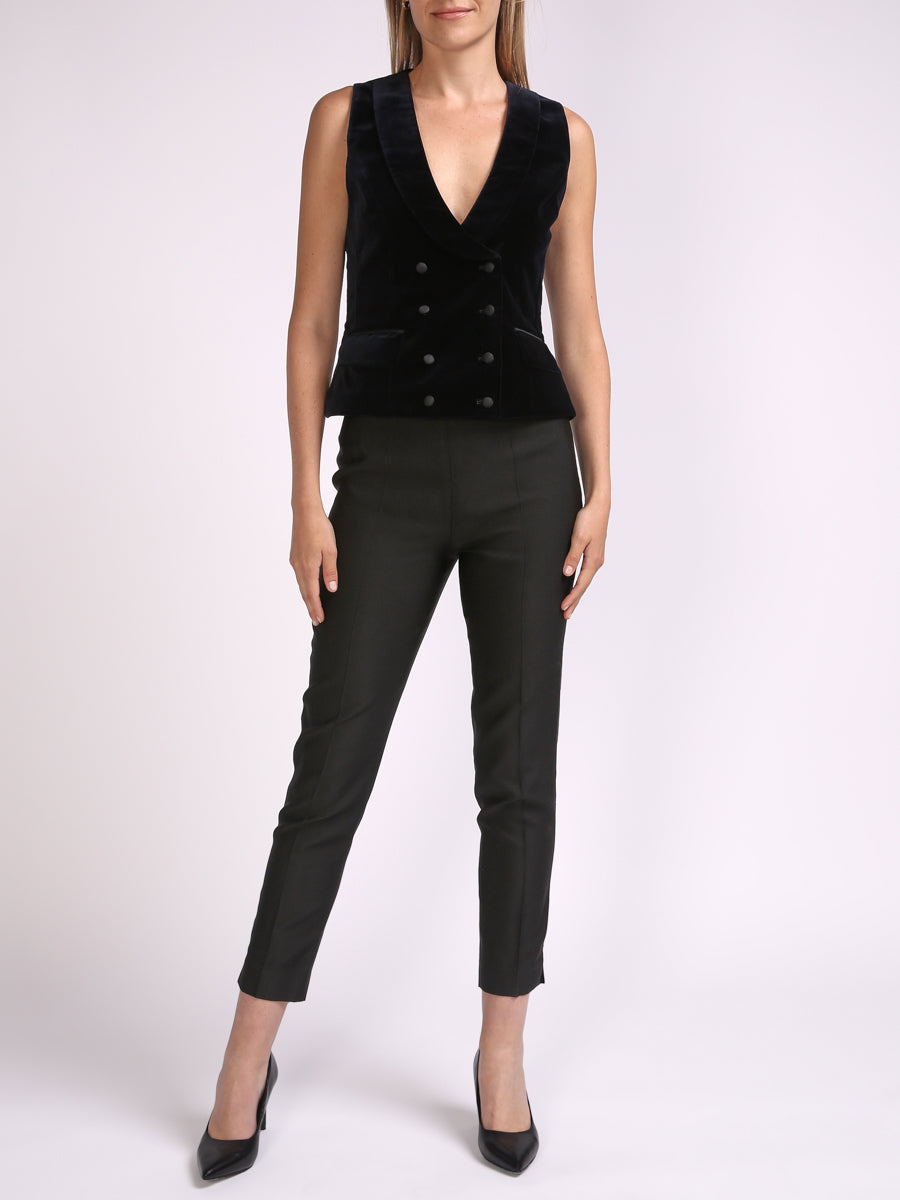
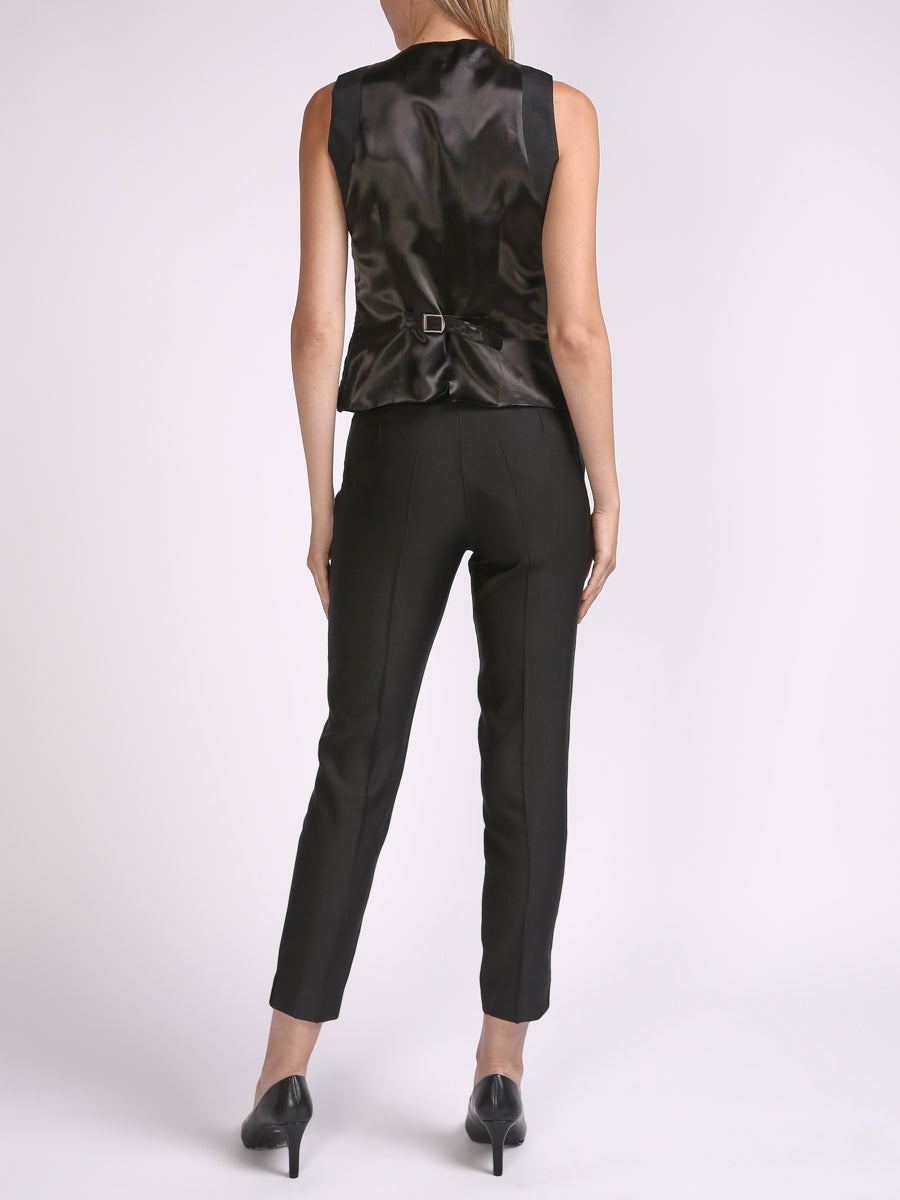
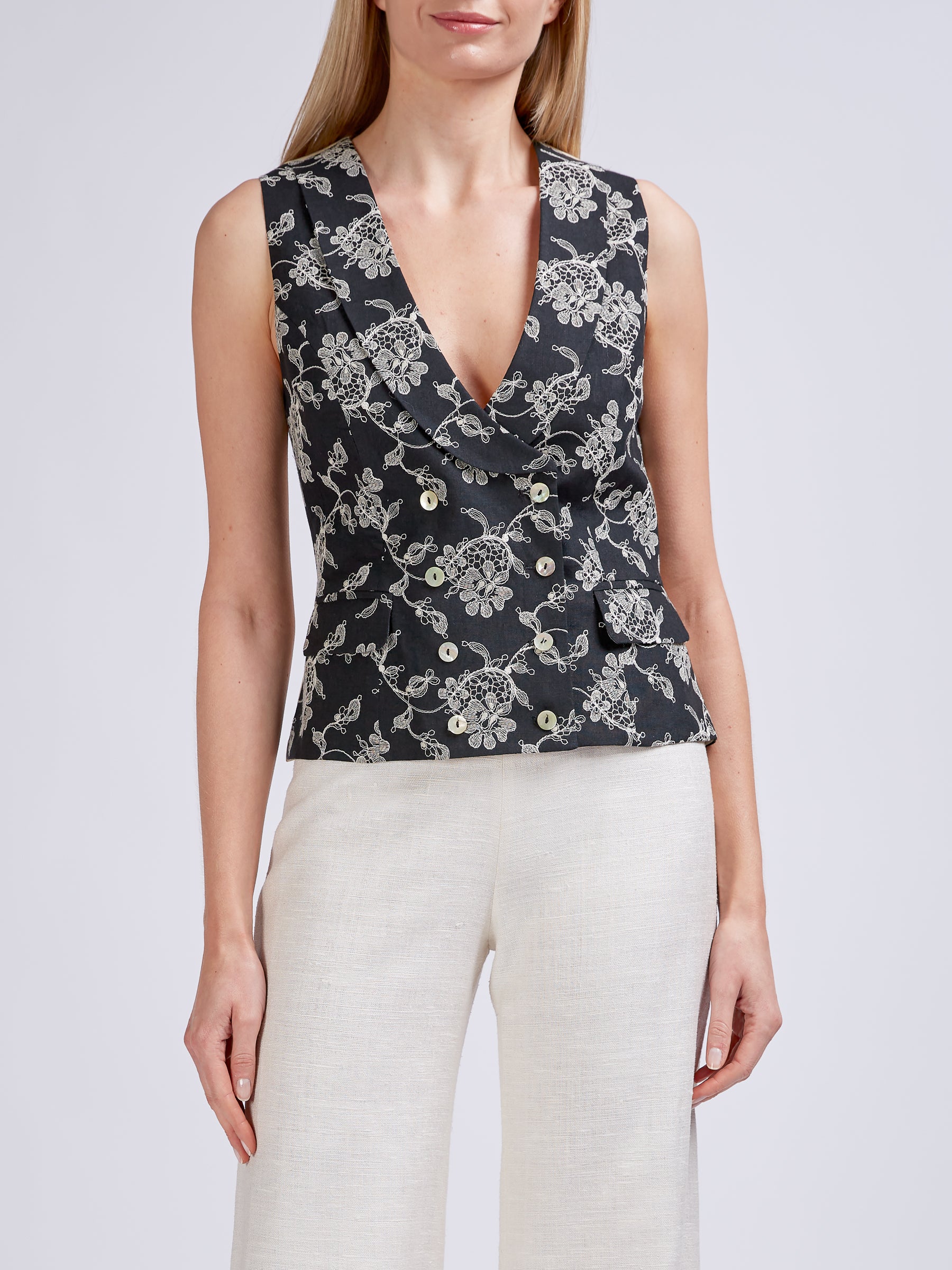
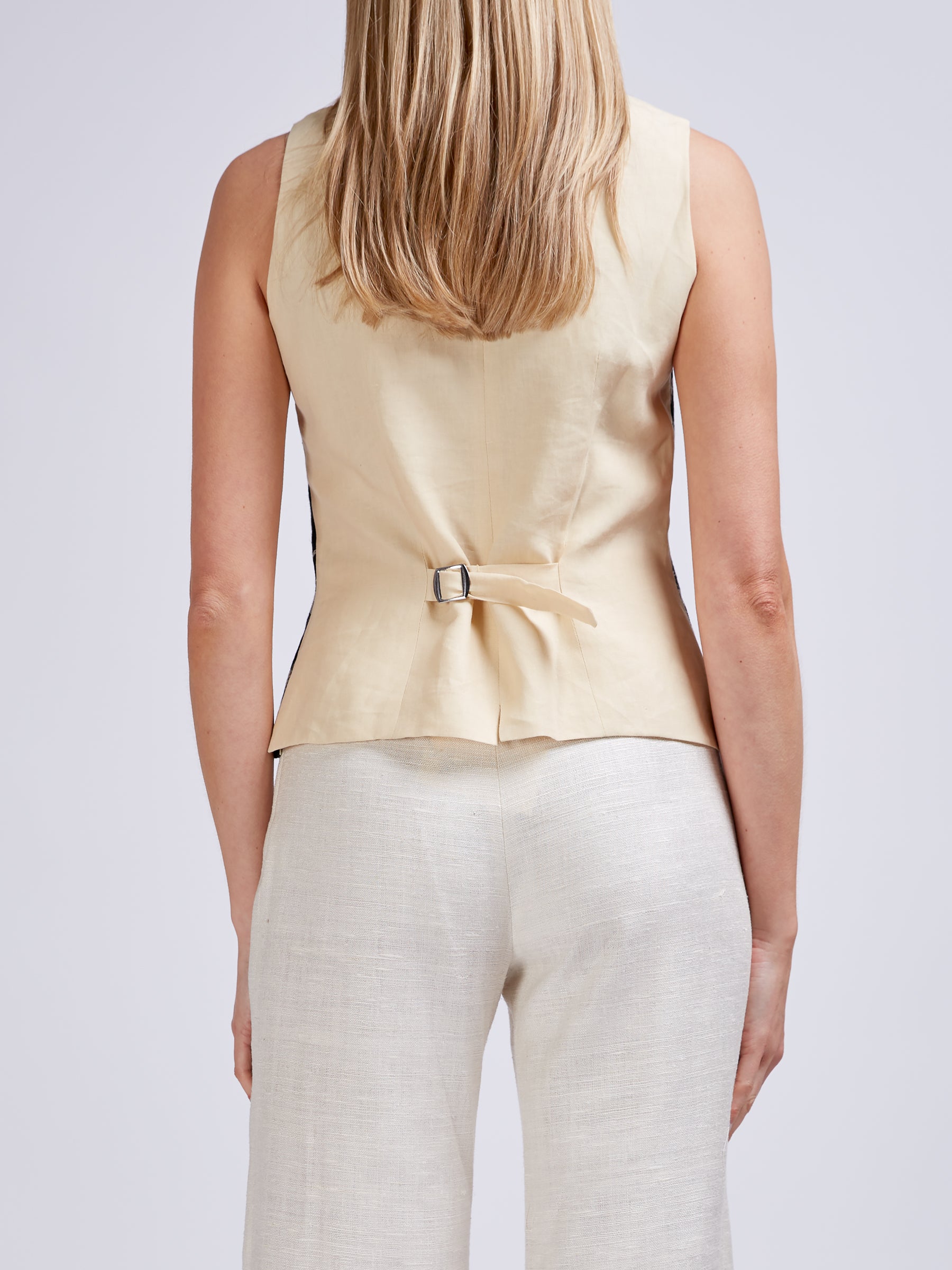
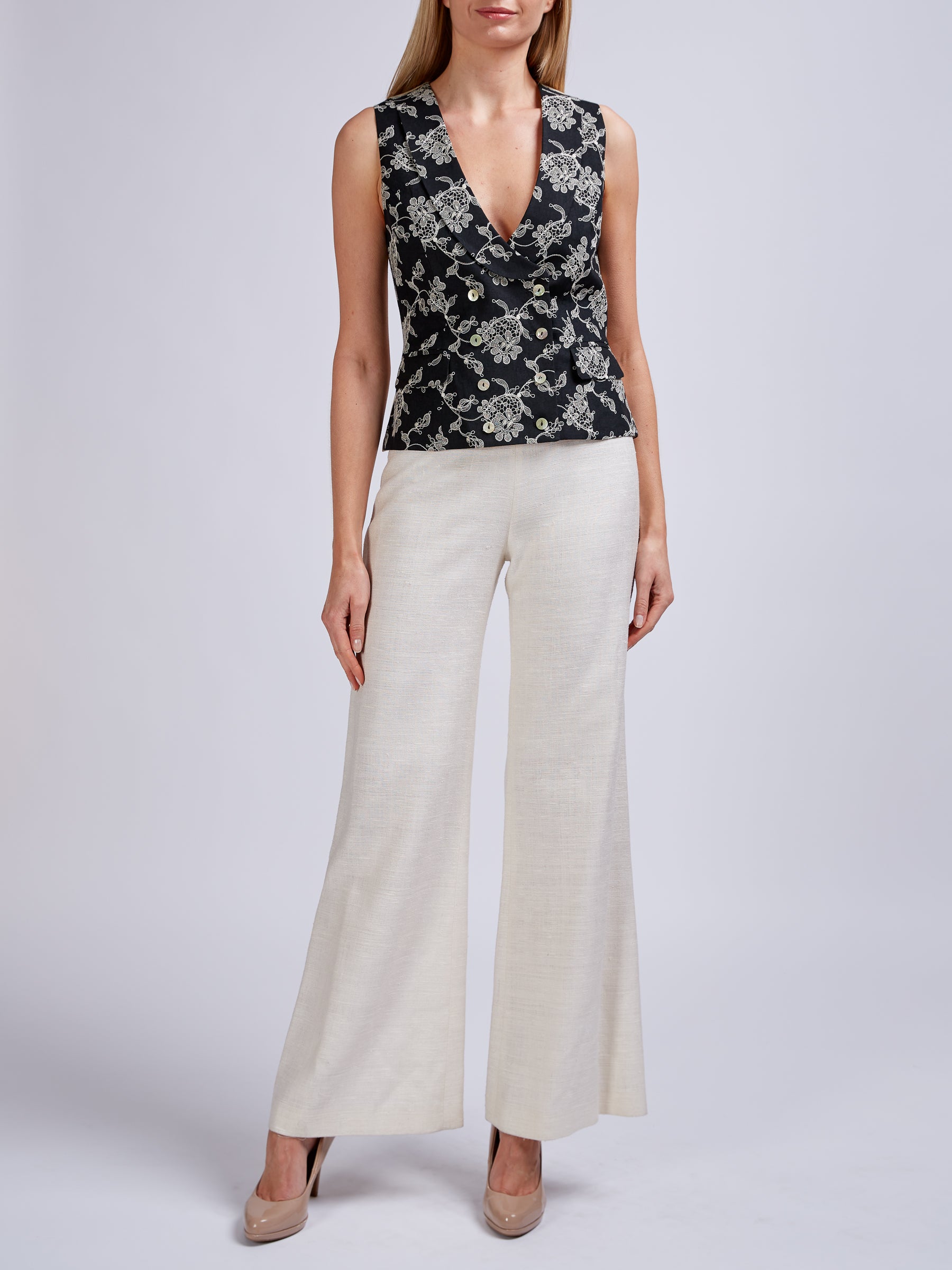
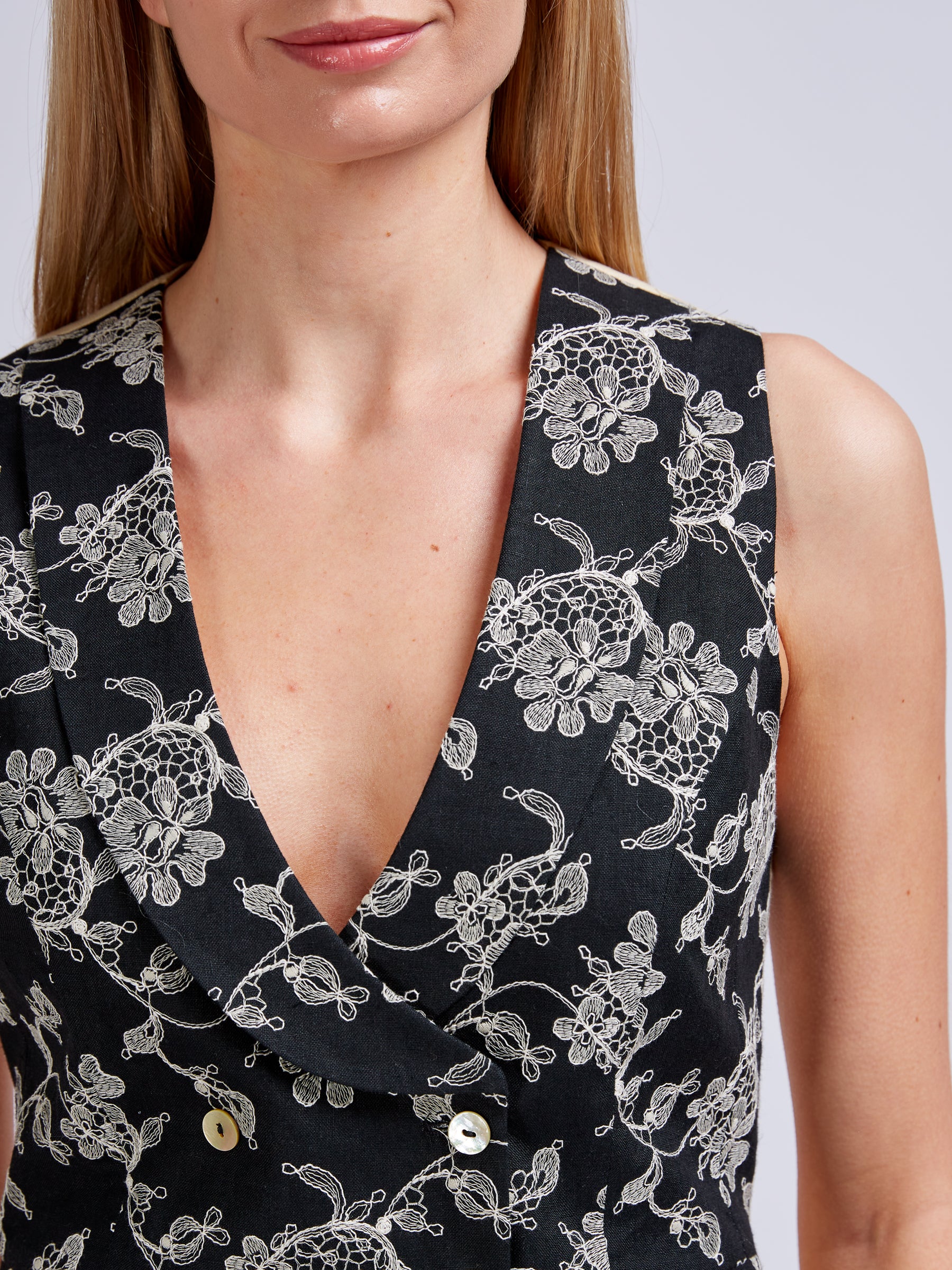
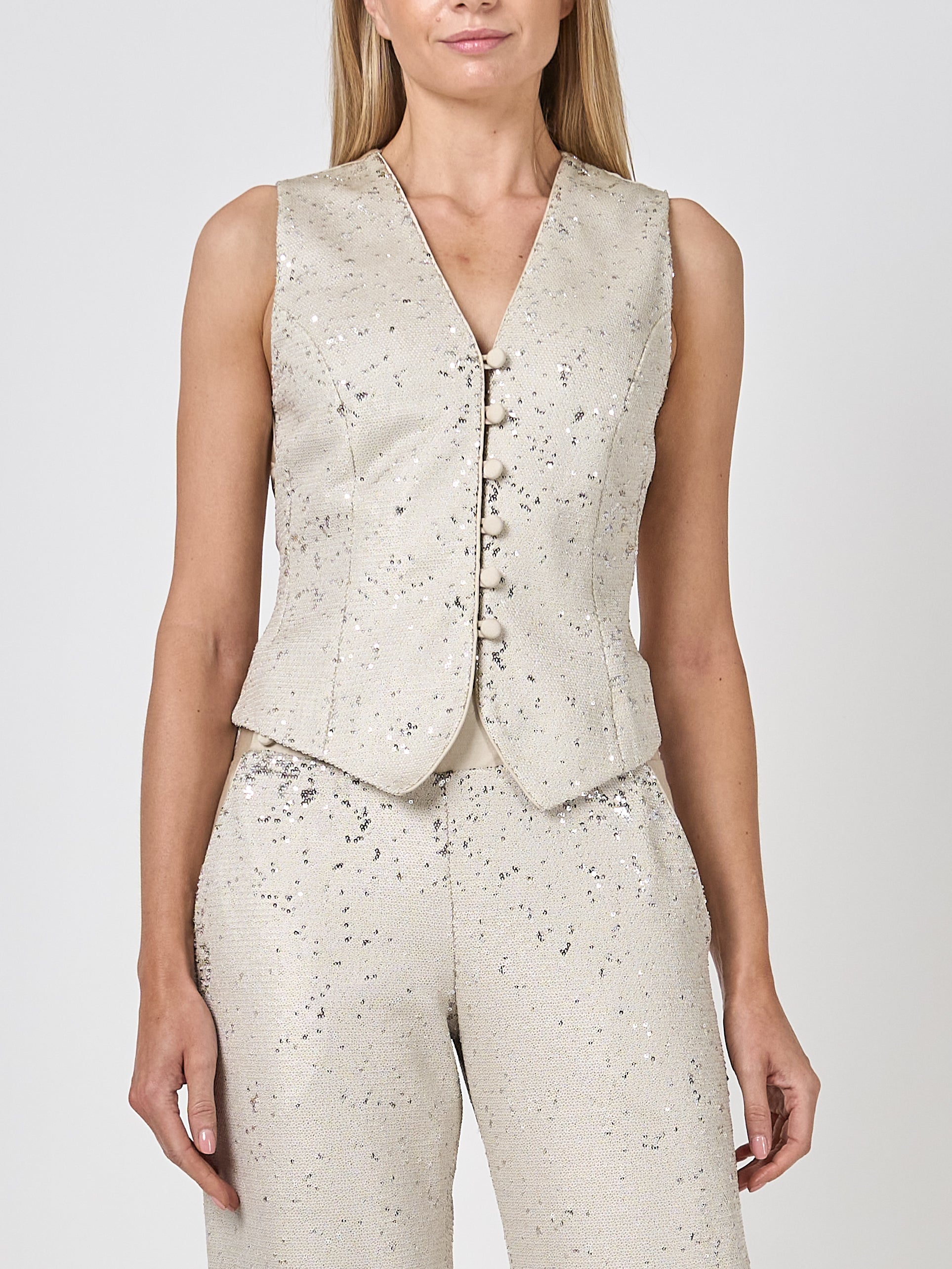
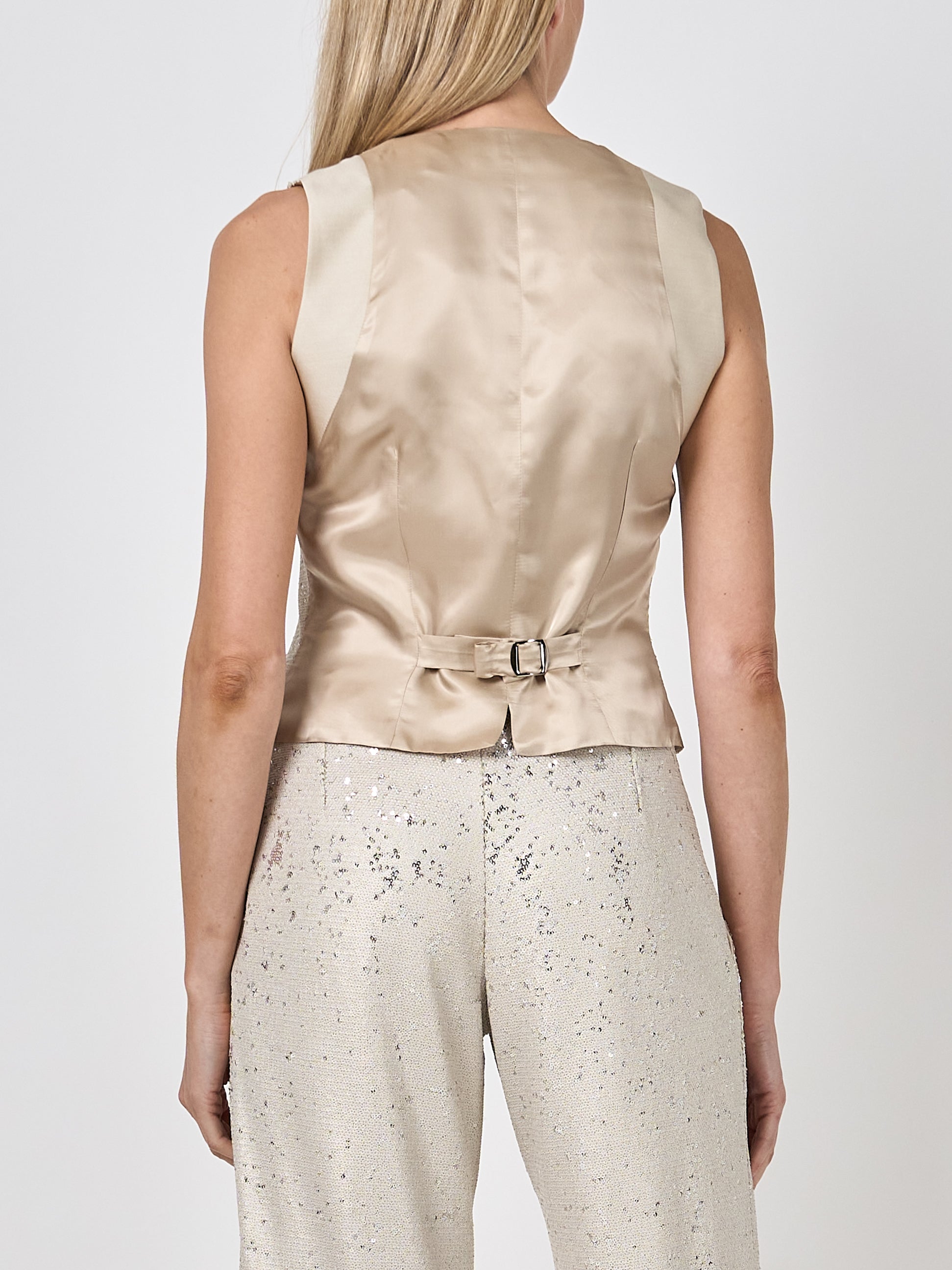
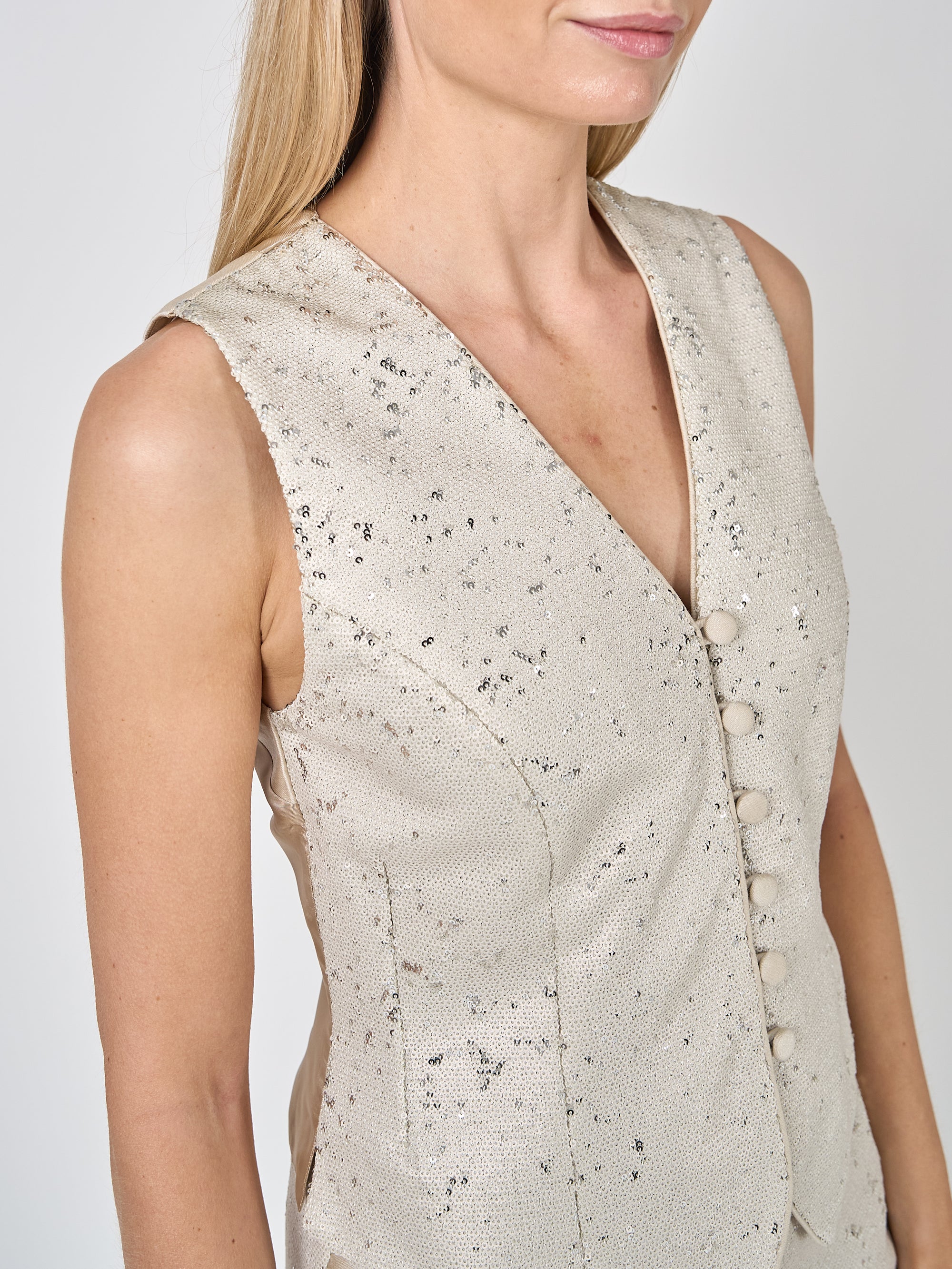
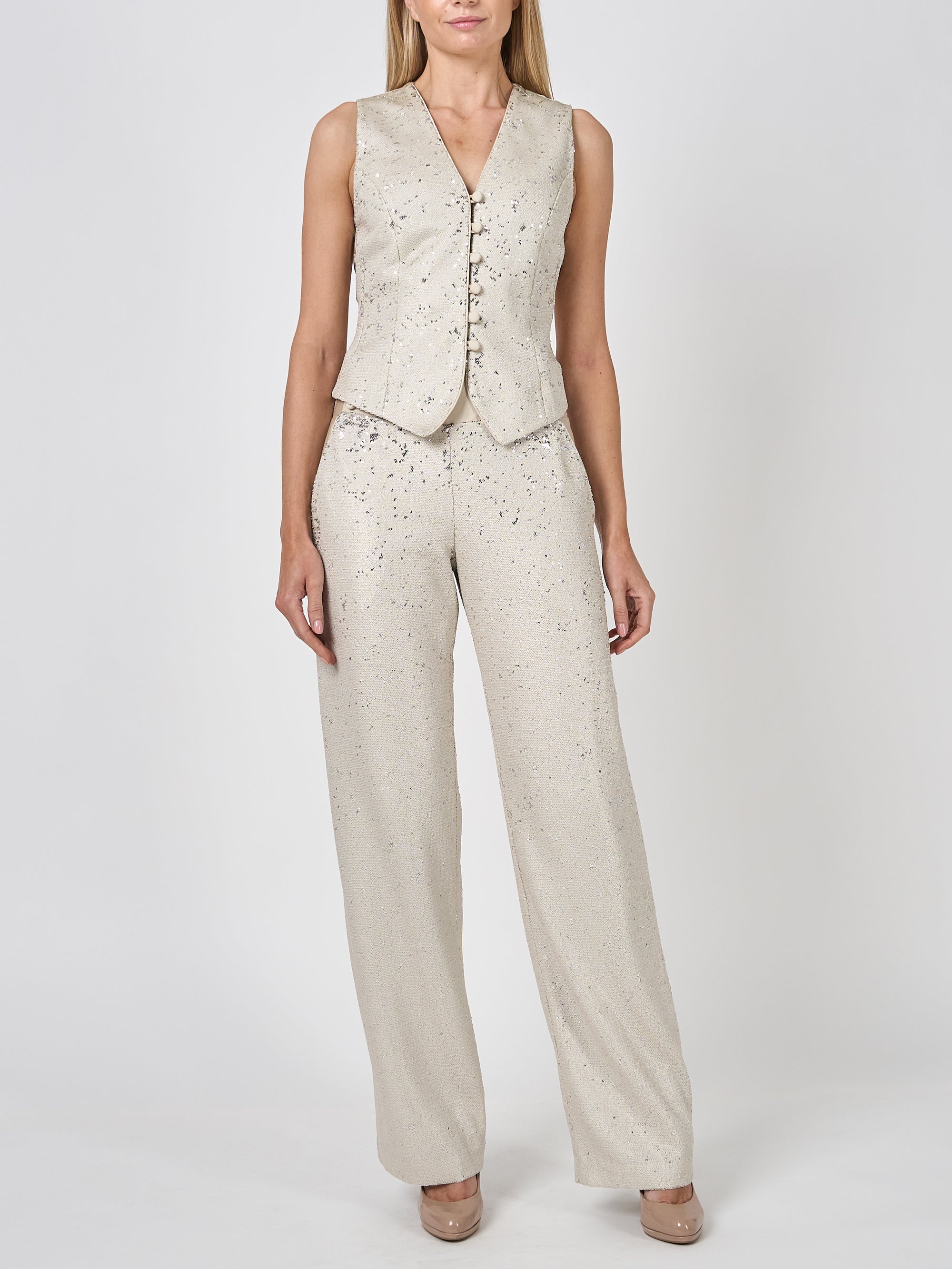
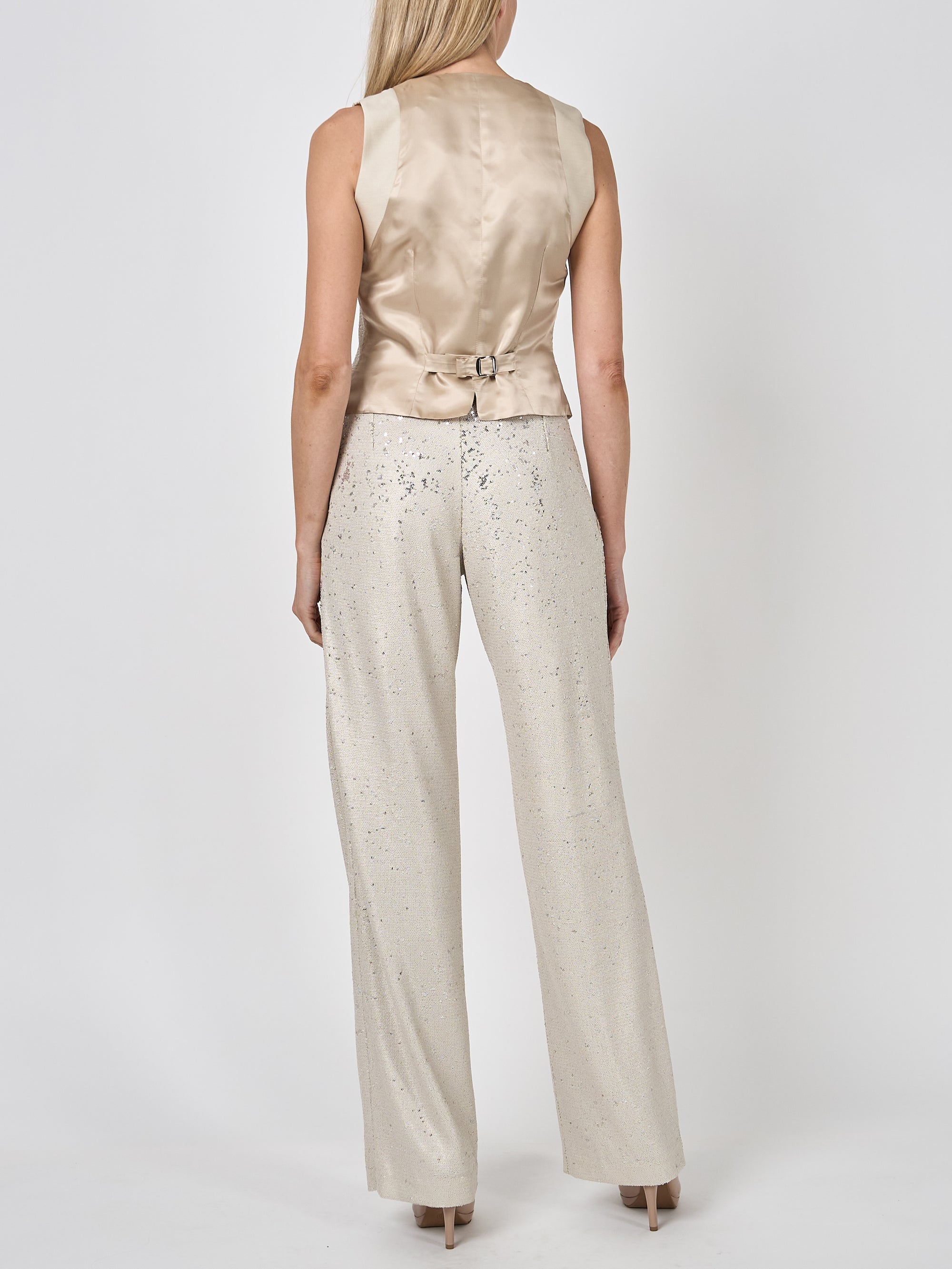
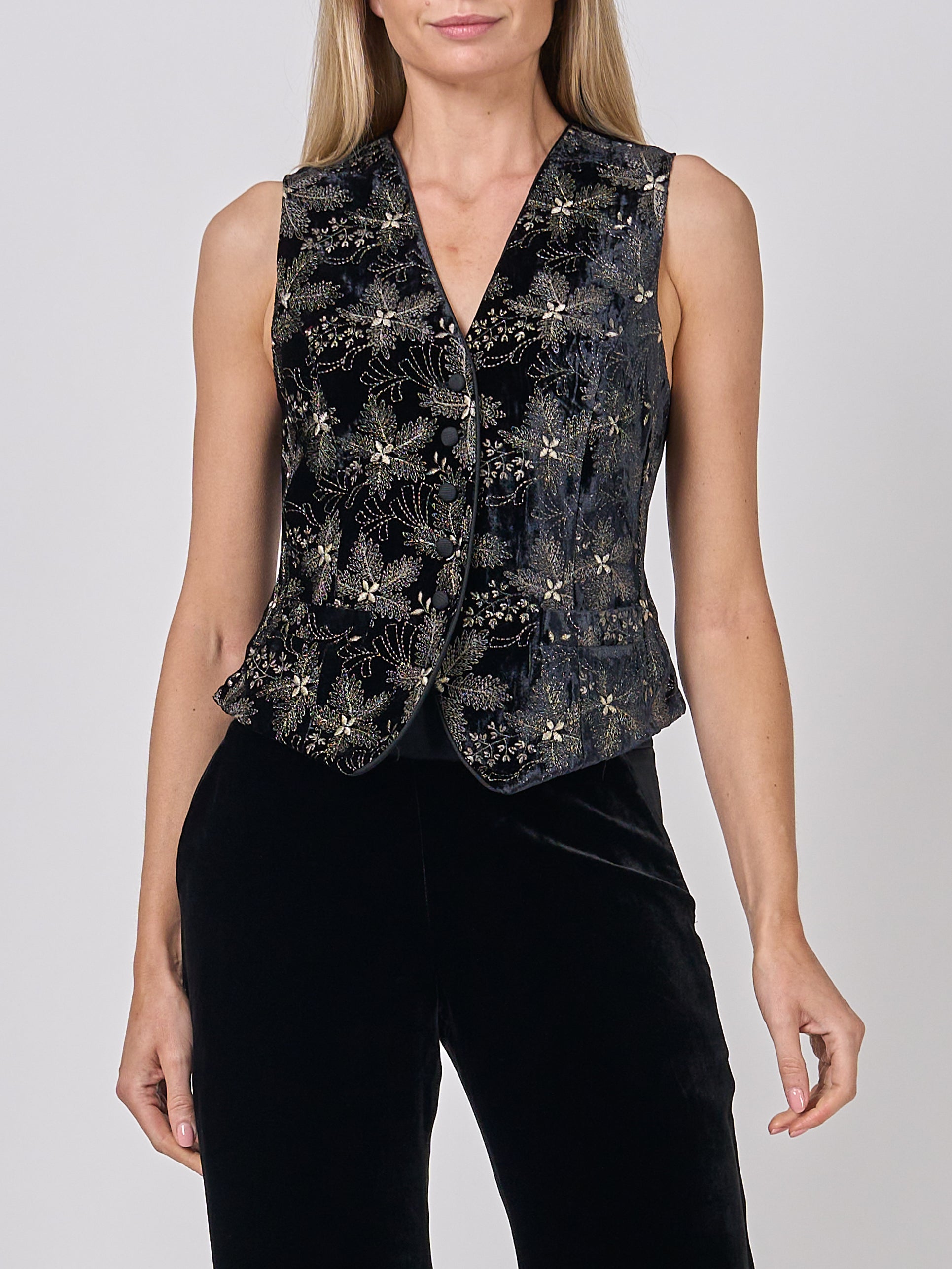
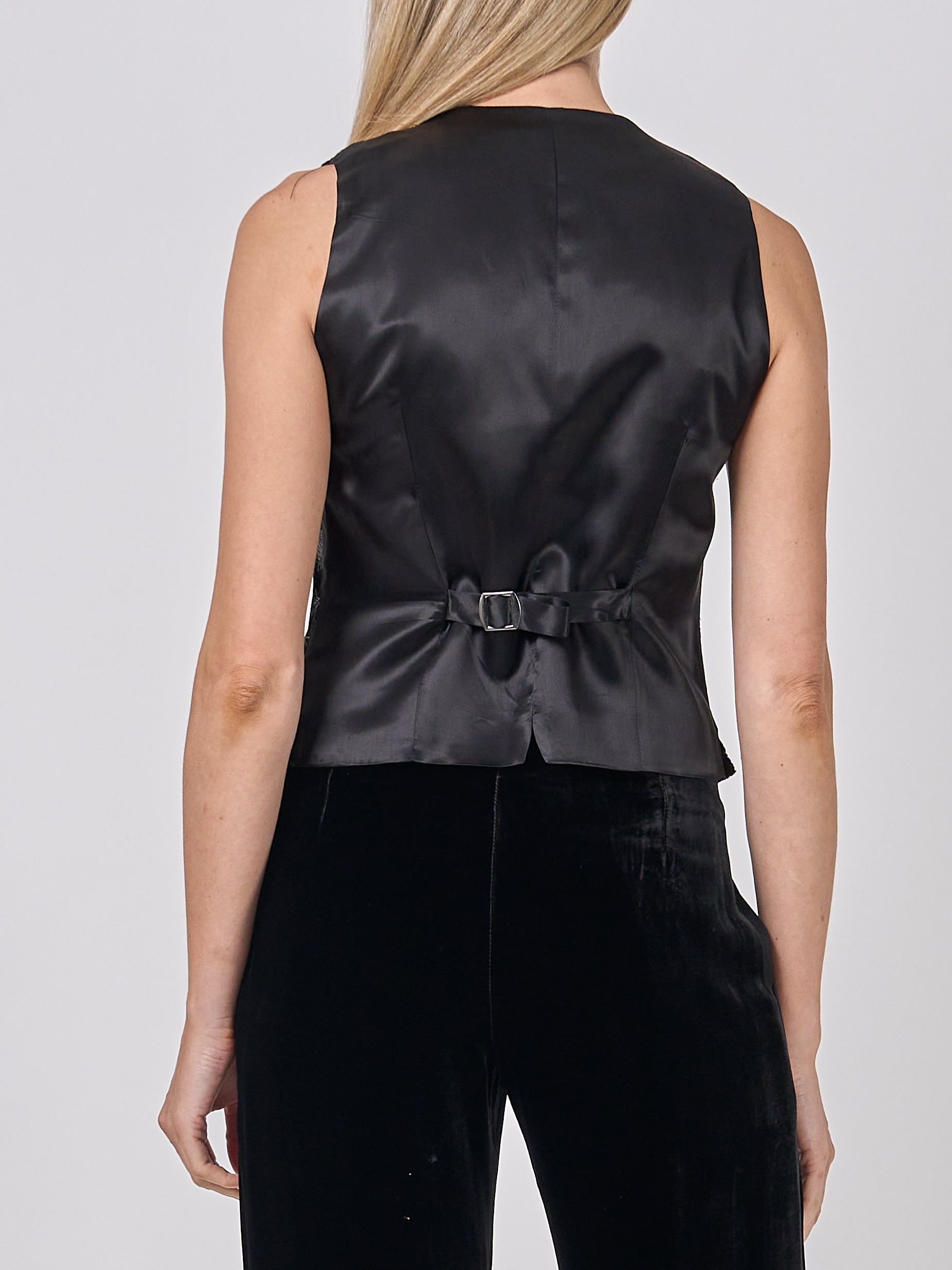
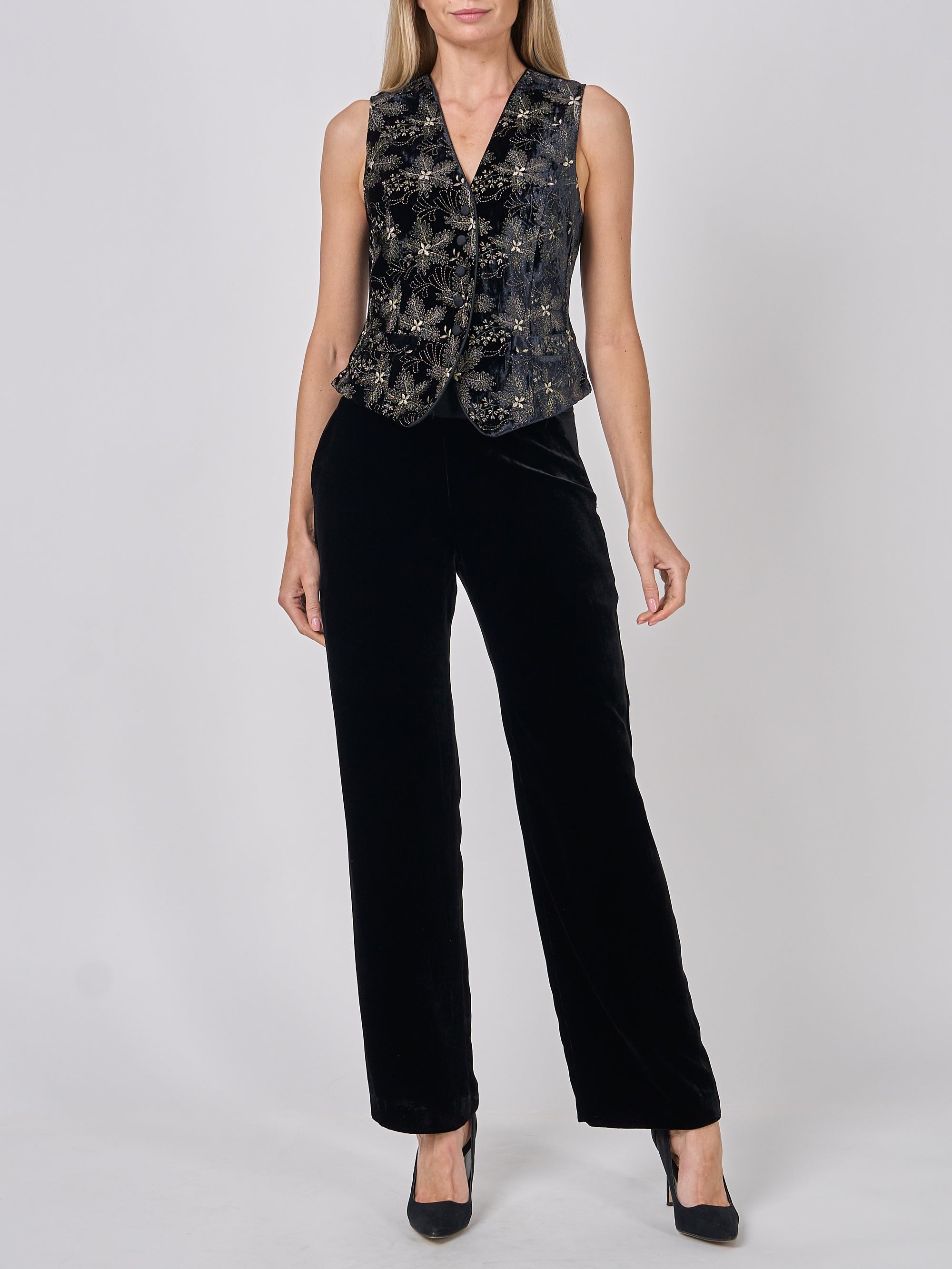
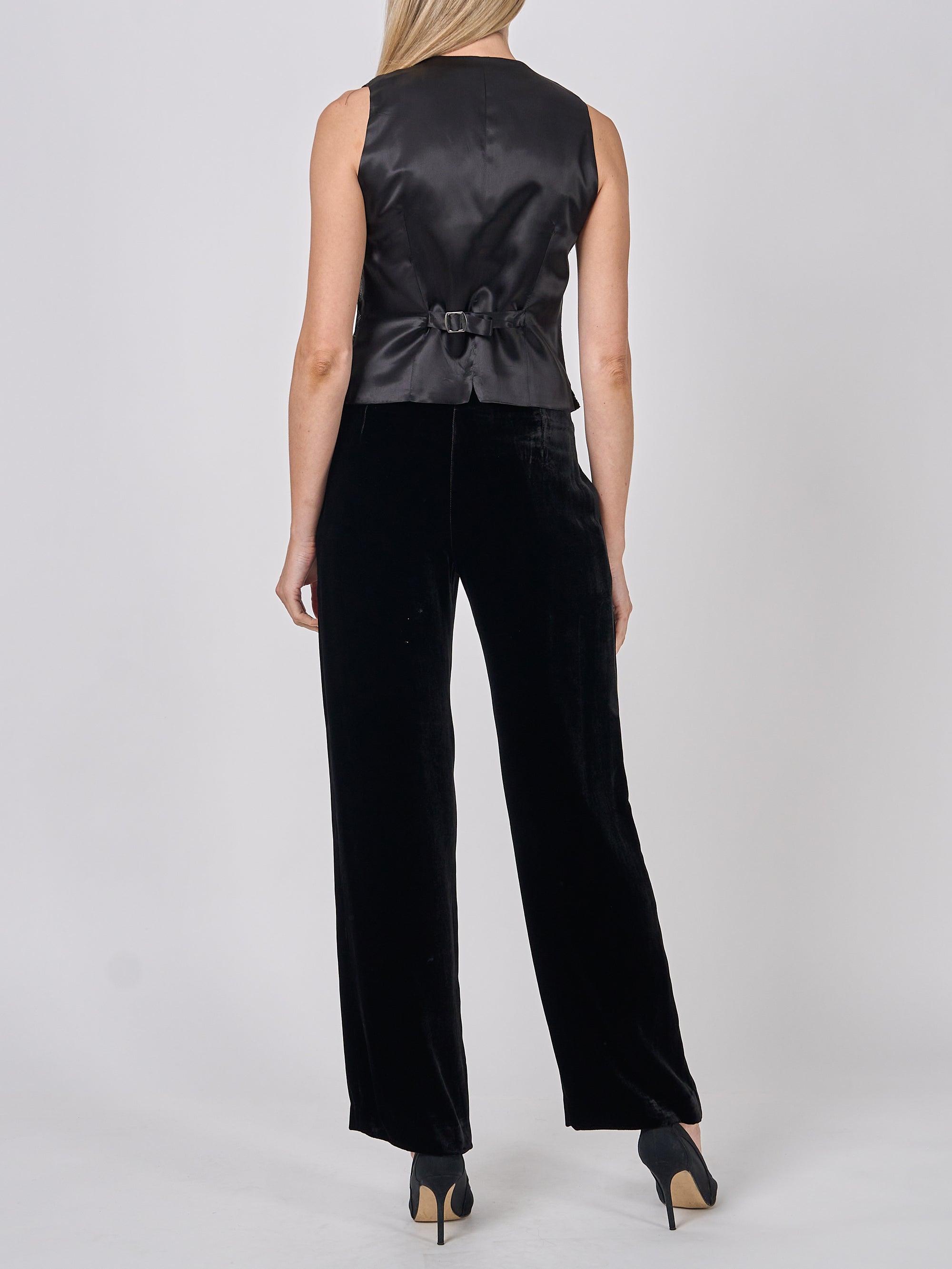
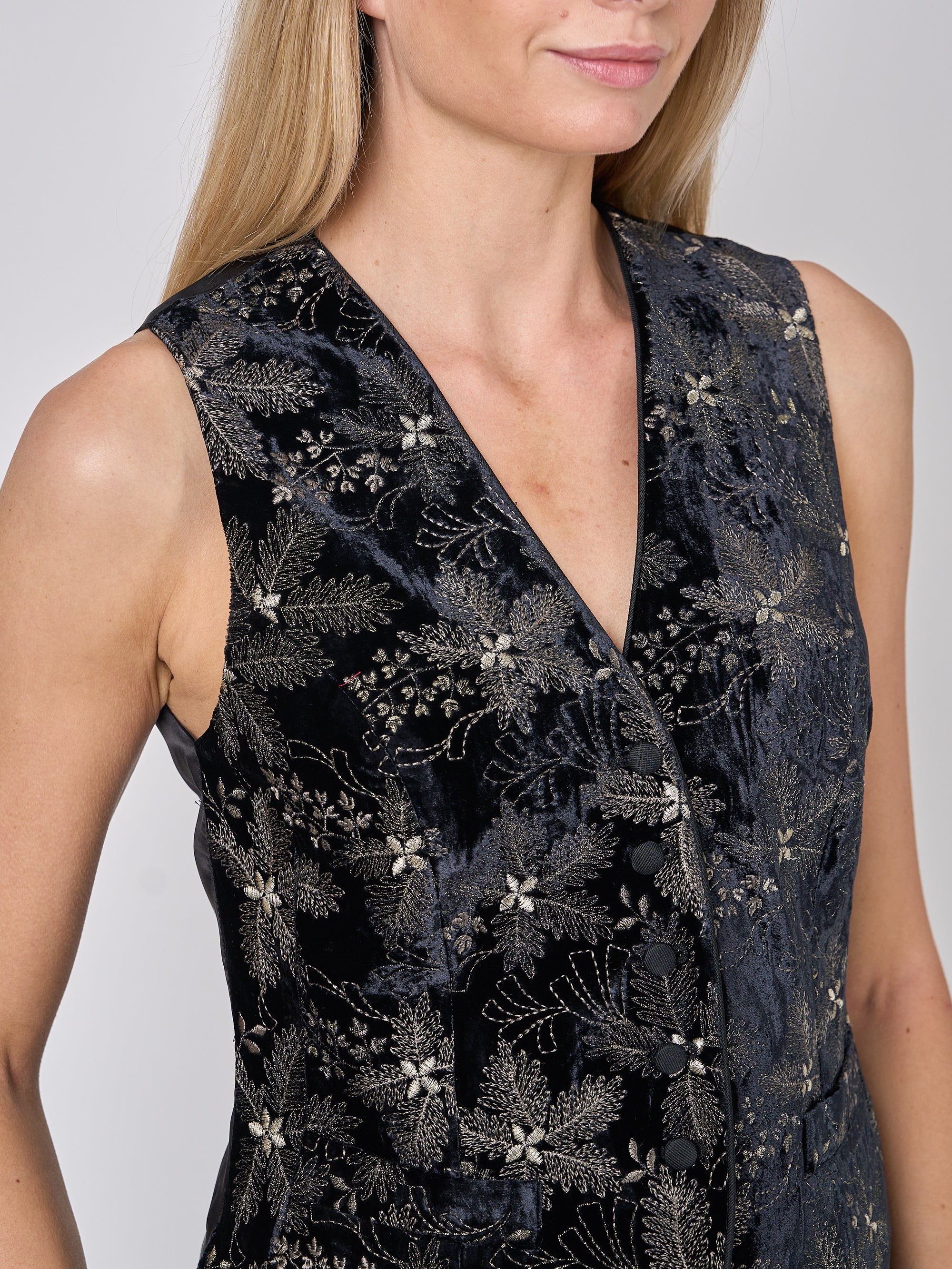
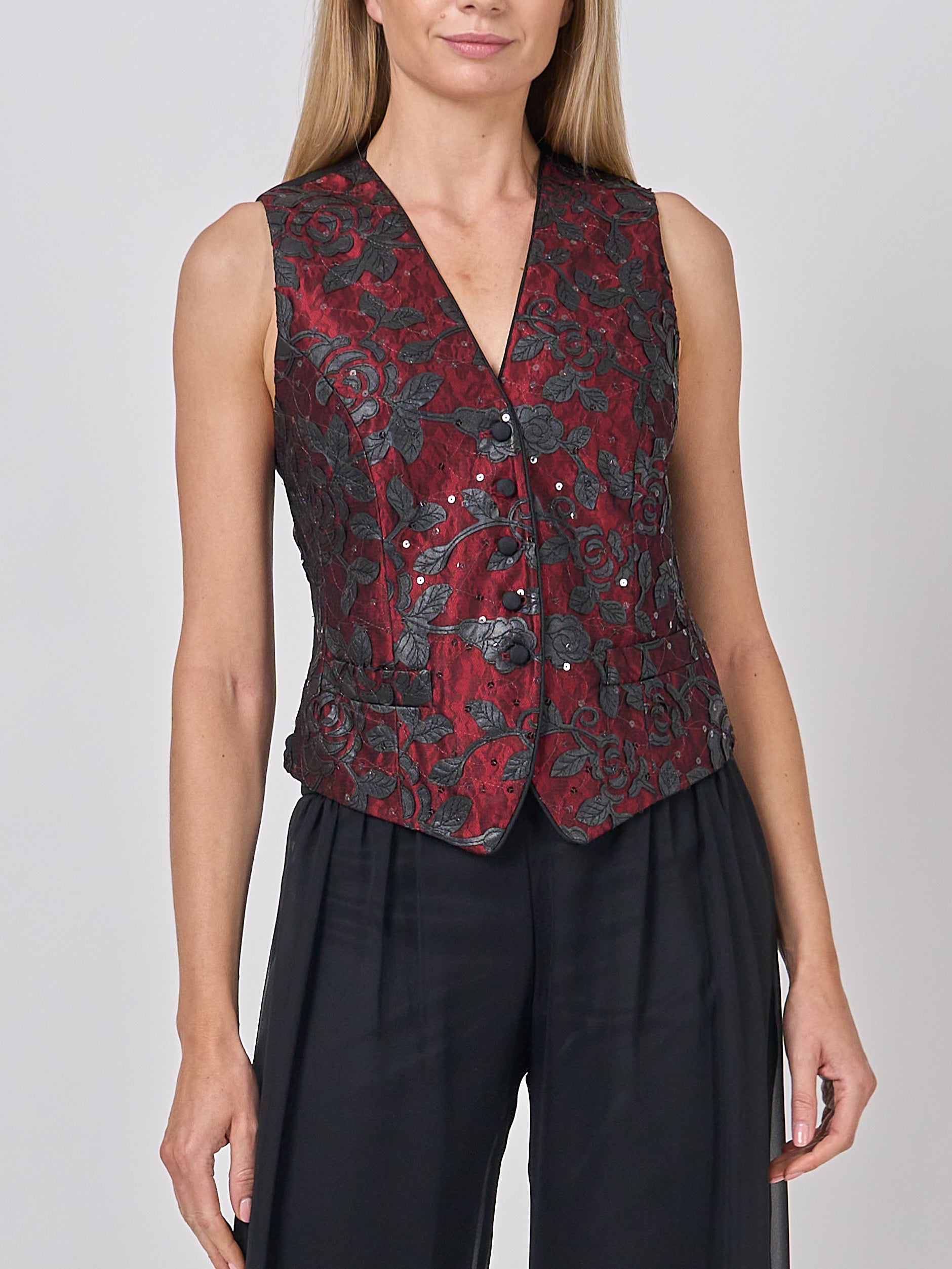
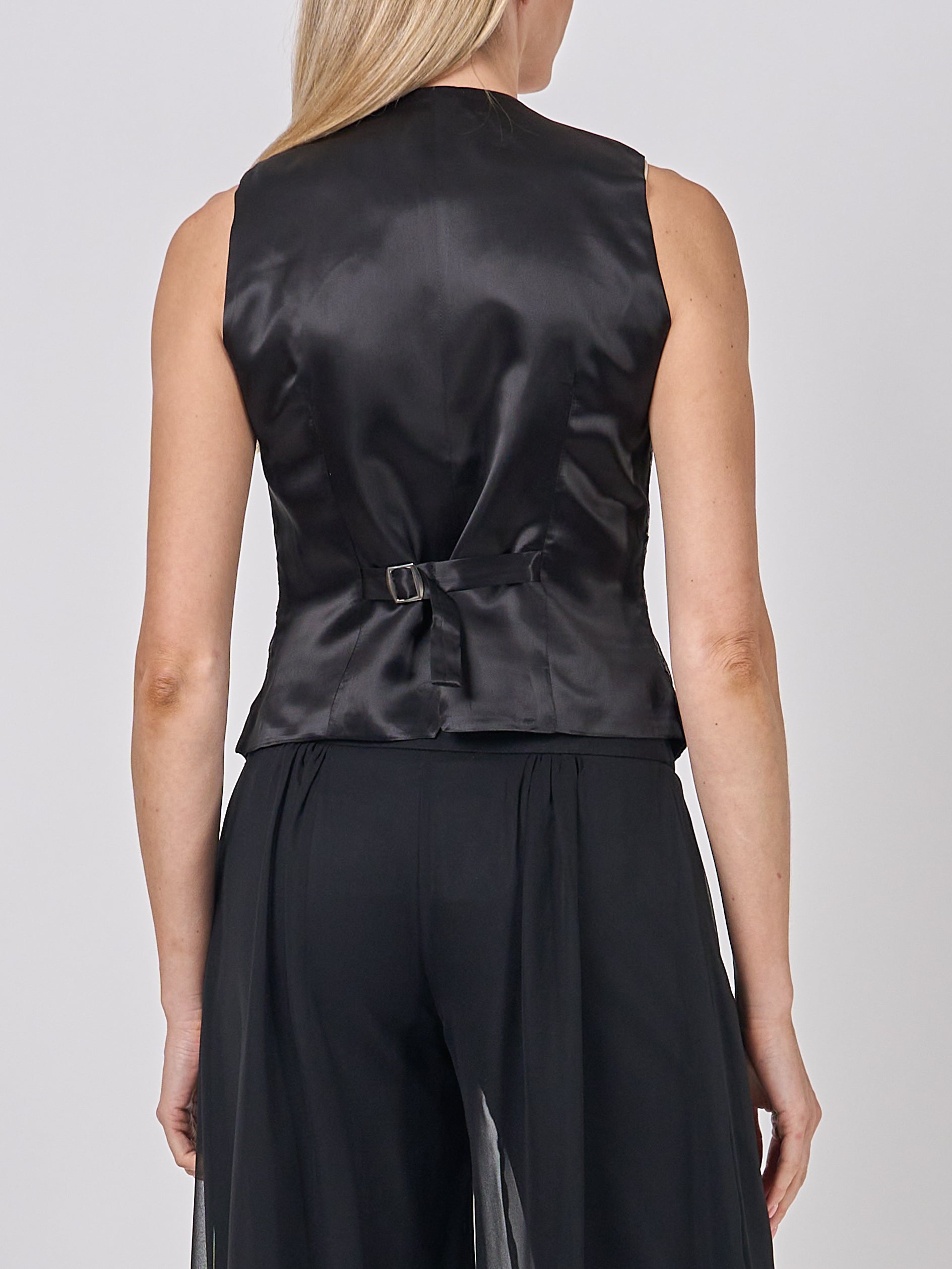
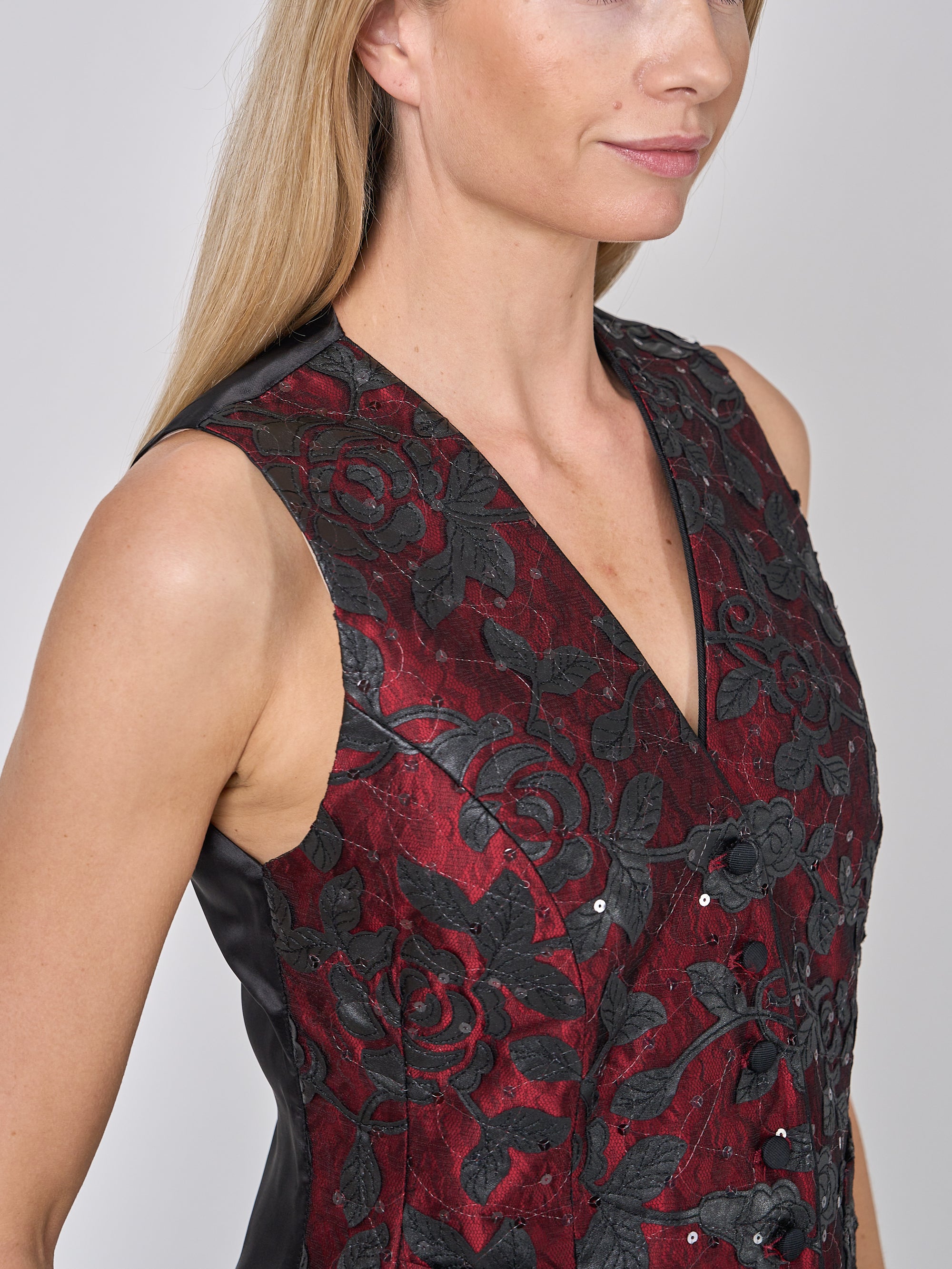
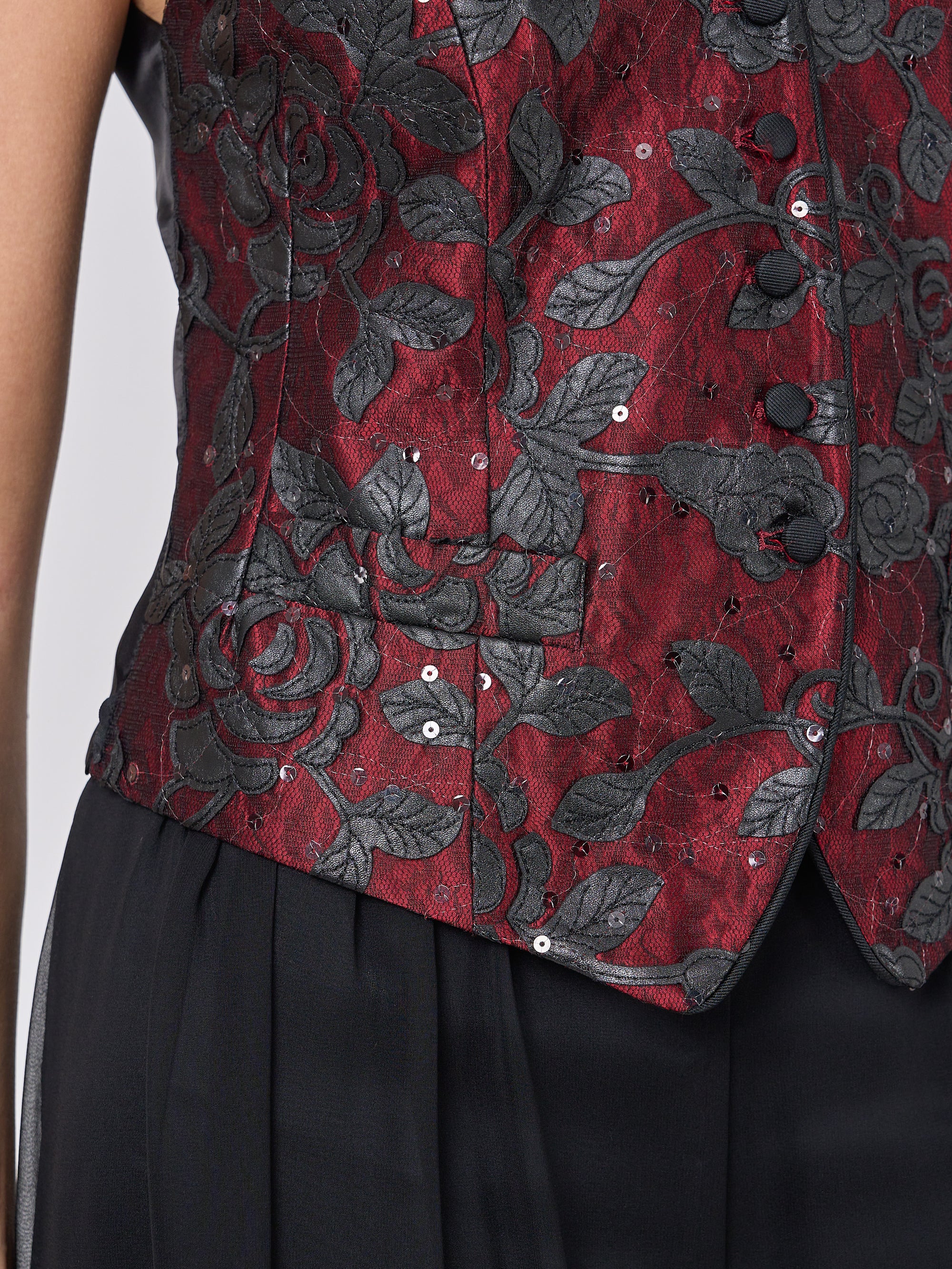
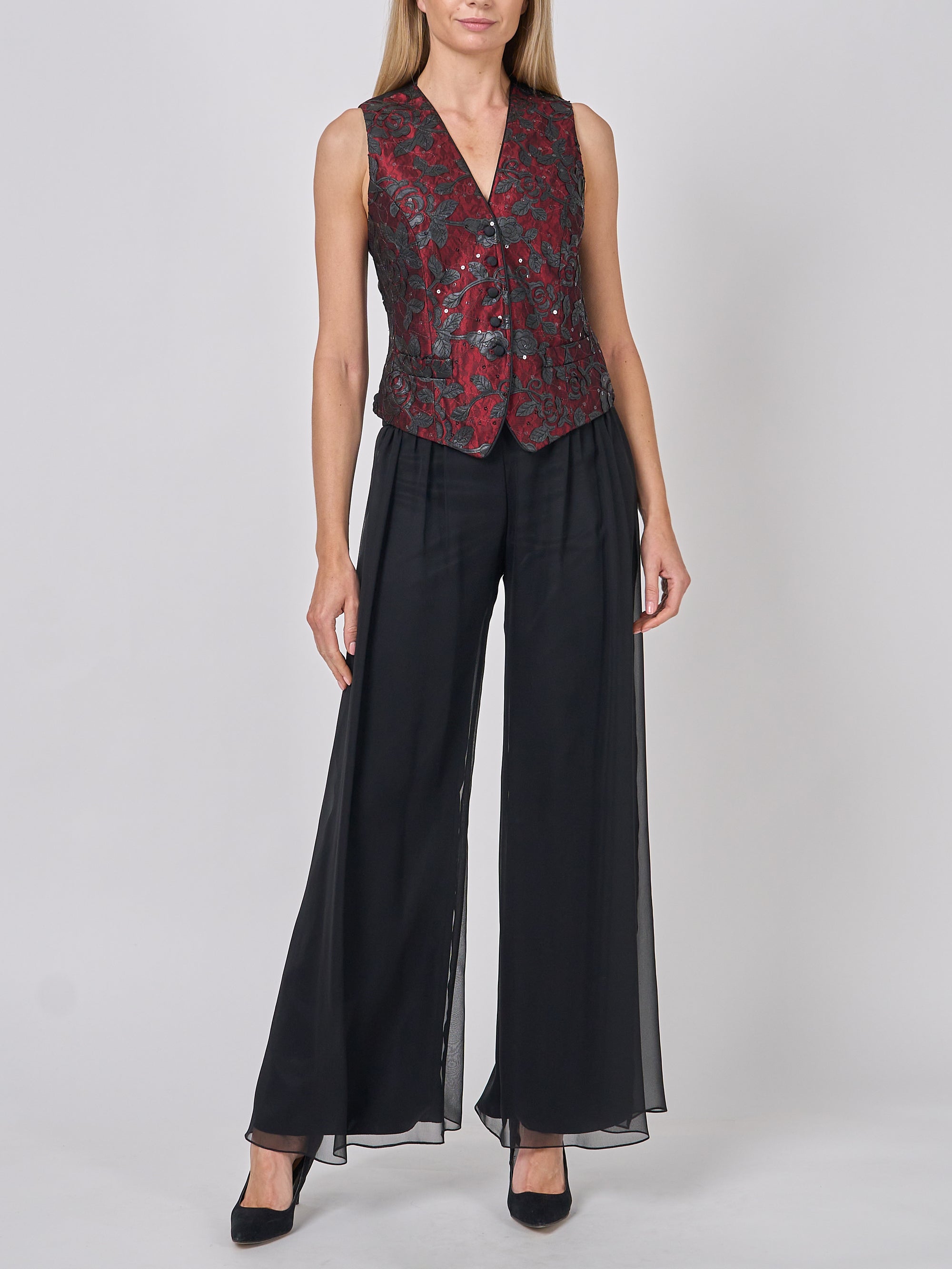
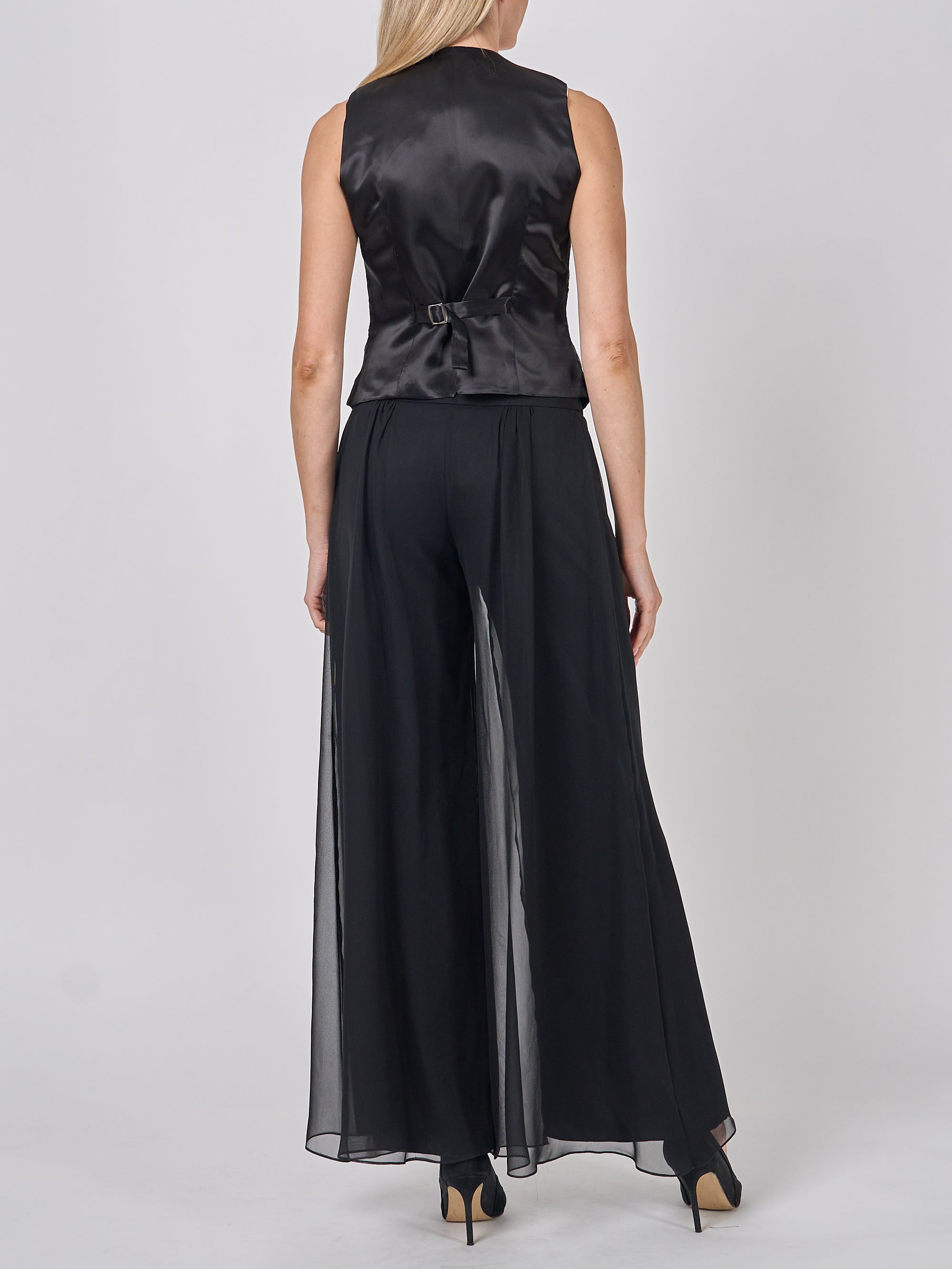
The waistcoat has always carried a particular kind of authority. It shapes the body, sharpens the silhouette and suggests intention, which may be why it has endured so long across menswear and womenswear alike. In feminine dressing, the waistcoat is especially compelling because it combines structure with freedom: it can read as tailored, sensual, classic or modern, depending on how it is cut and worn.
Its history is rooted in menswear, but its appeal to women has never been simply derivative. As tailoring entered women’s wardrobes more confidently, the waistcoat became part of a broader conversation about self-possession and style. It offered an alternative to softer layering, bringing definition to the waist and a sense of tailored clarity. In certain periods it has felt quite formal; in others, more subversive. That adaptability is what gives it lasting relevance.