If You Read Only One Guide to Waistcoats...

If You Read Only One Guide to Waistcoats...

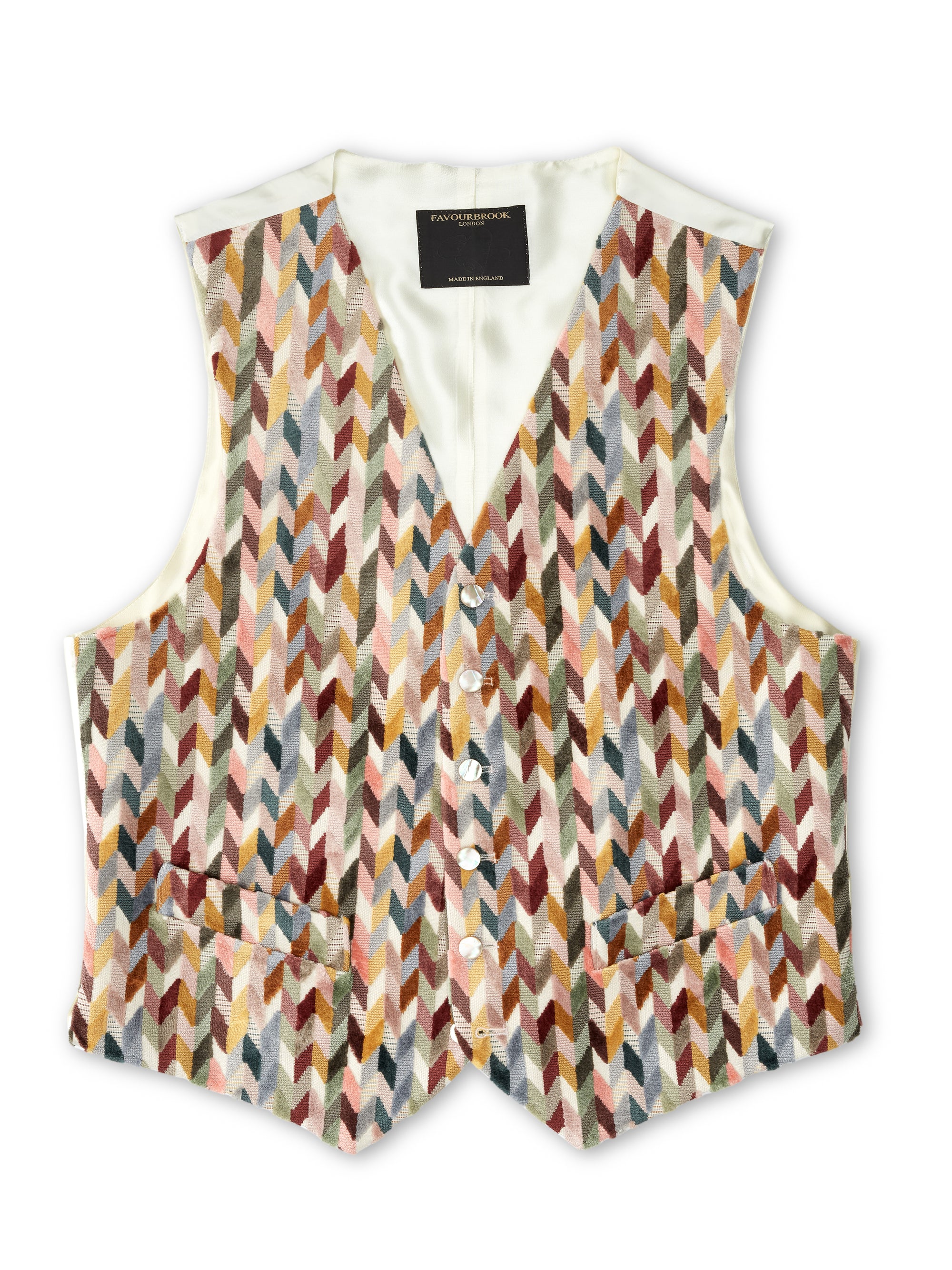
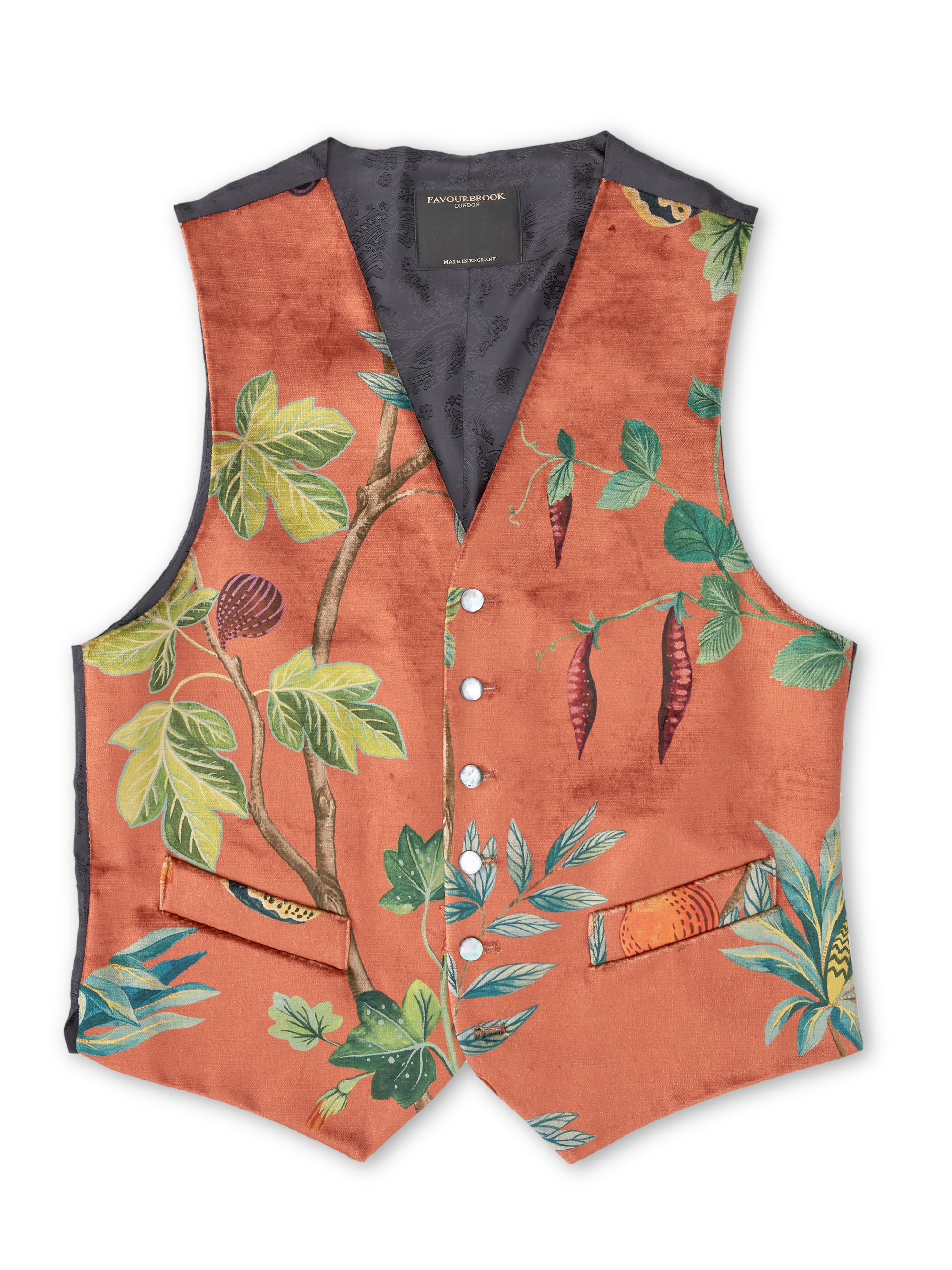
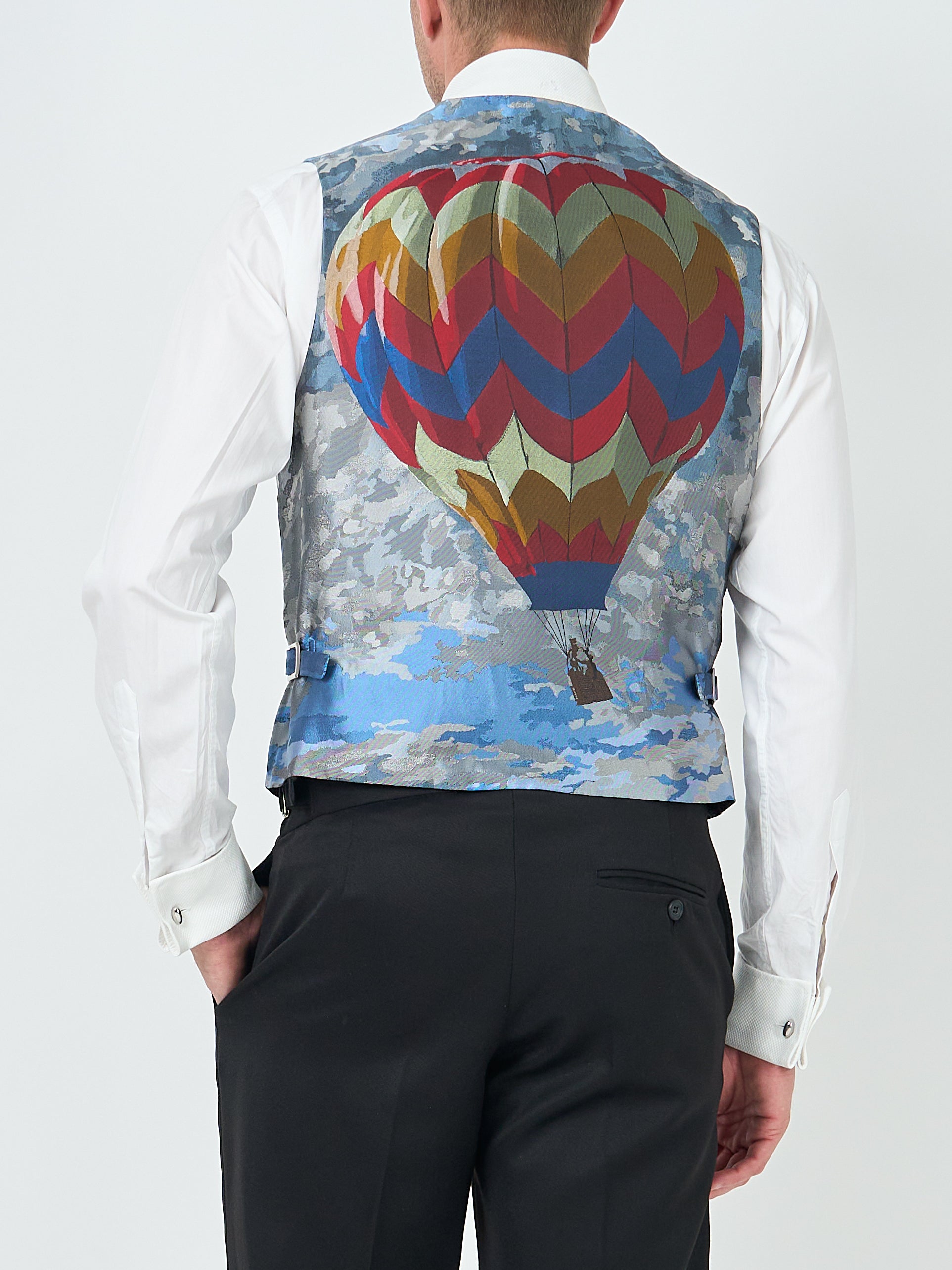
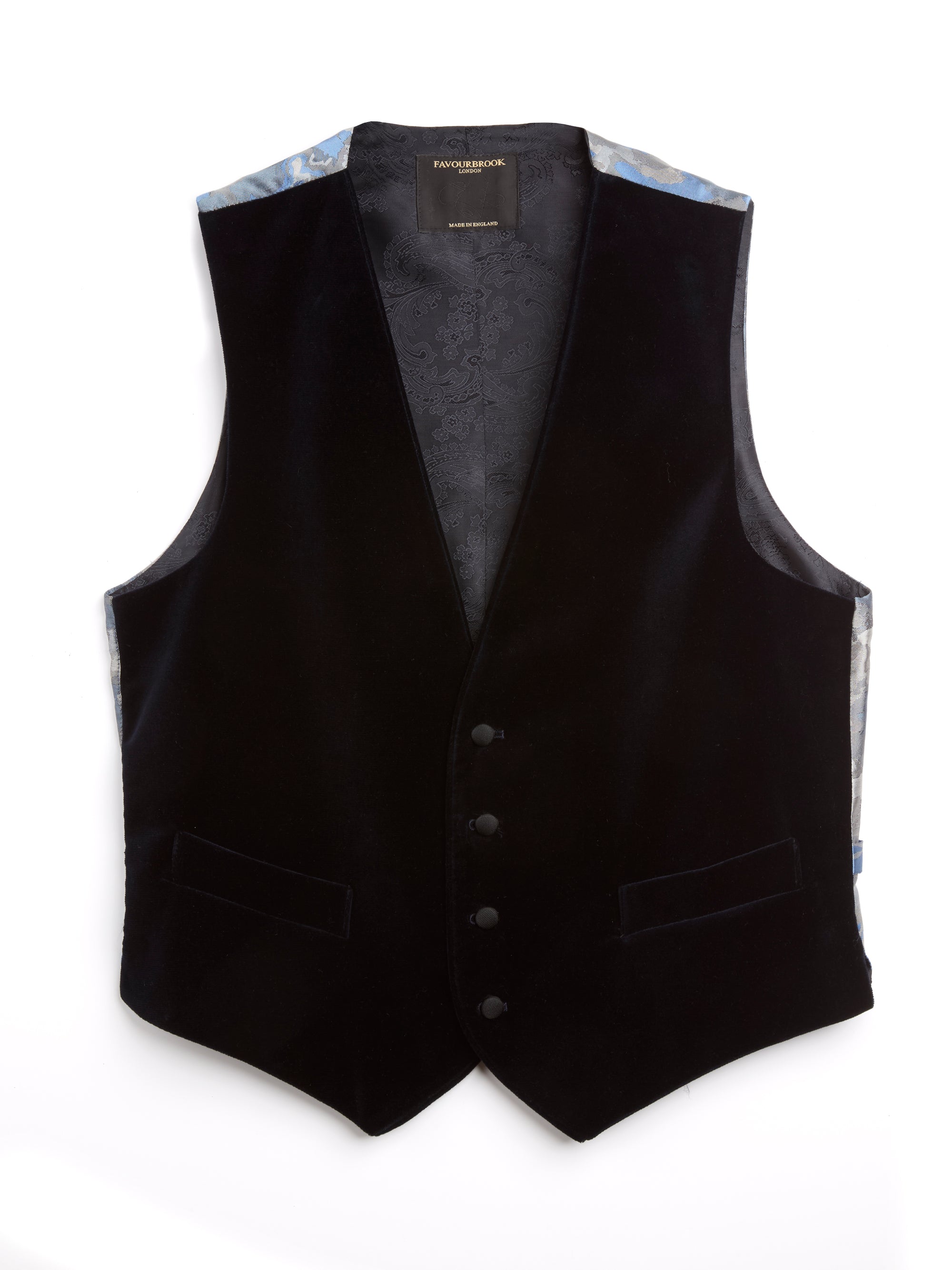
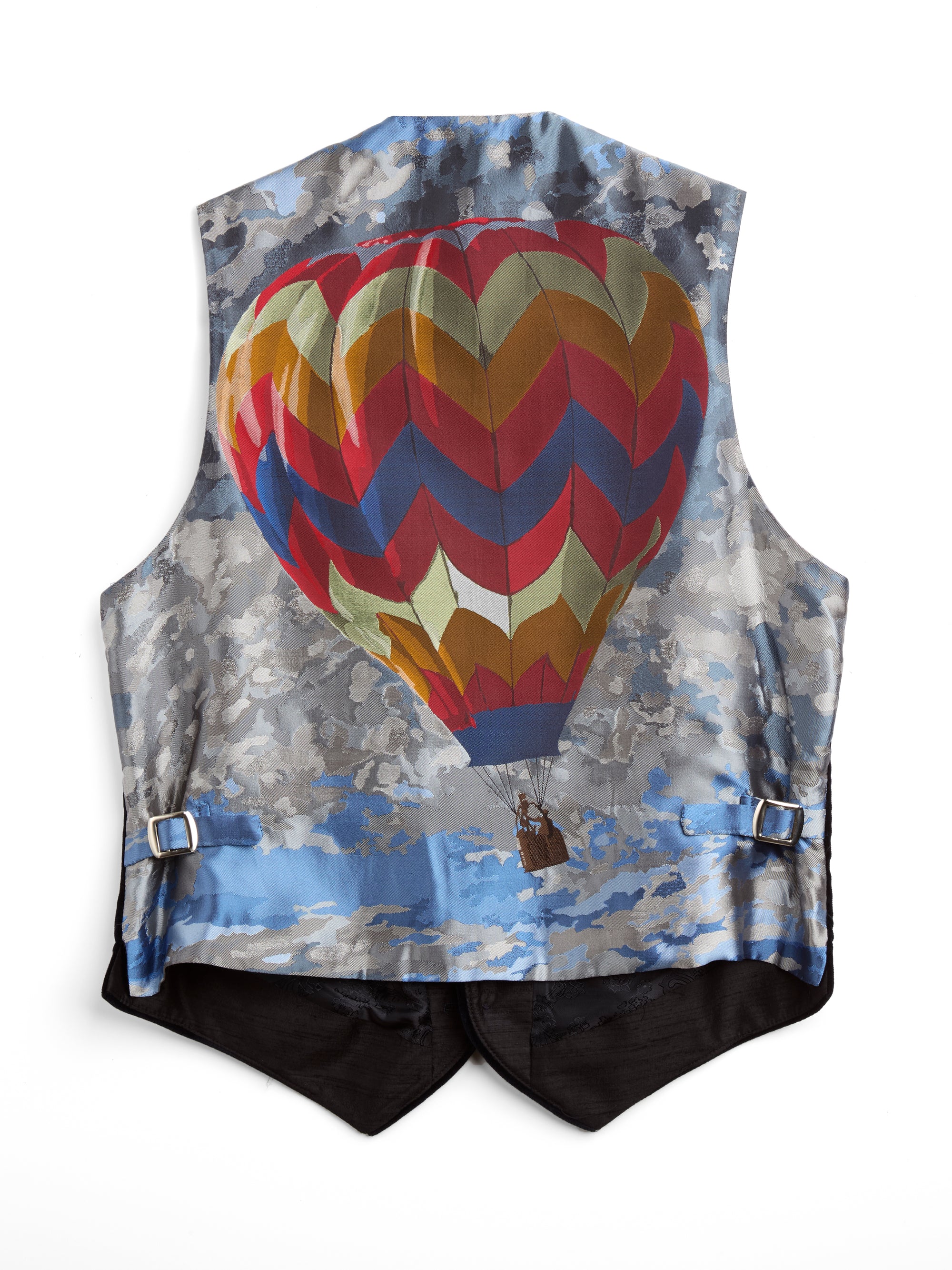
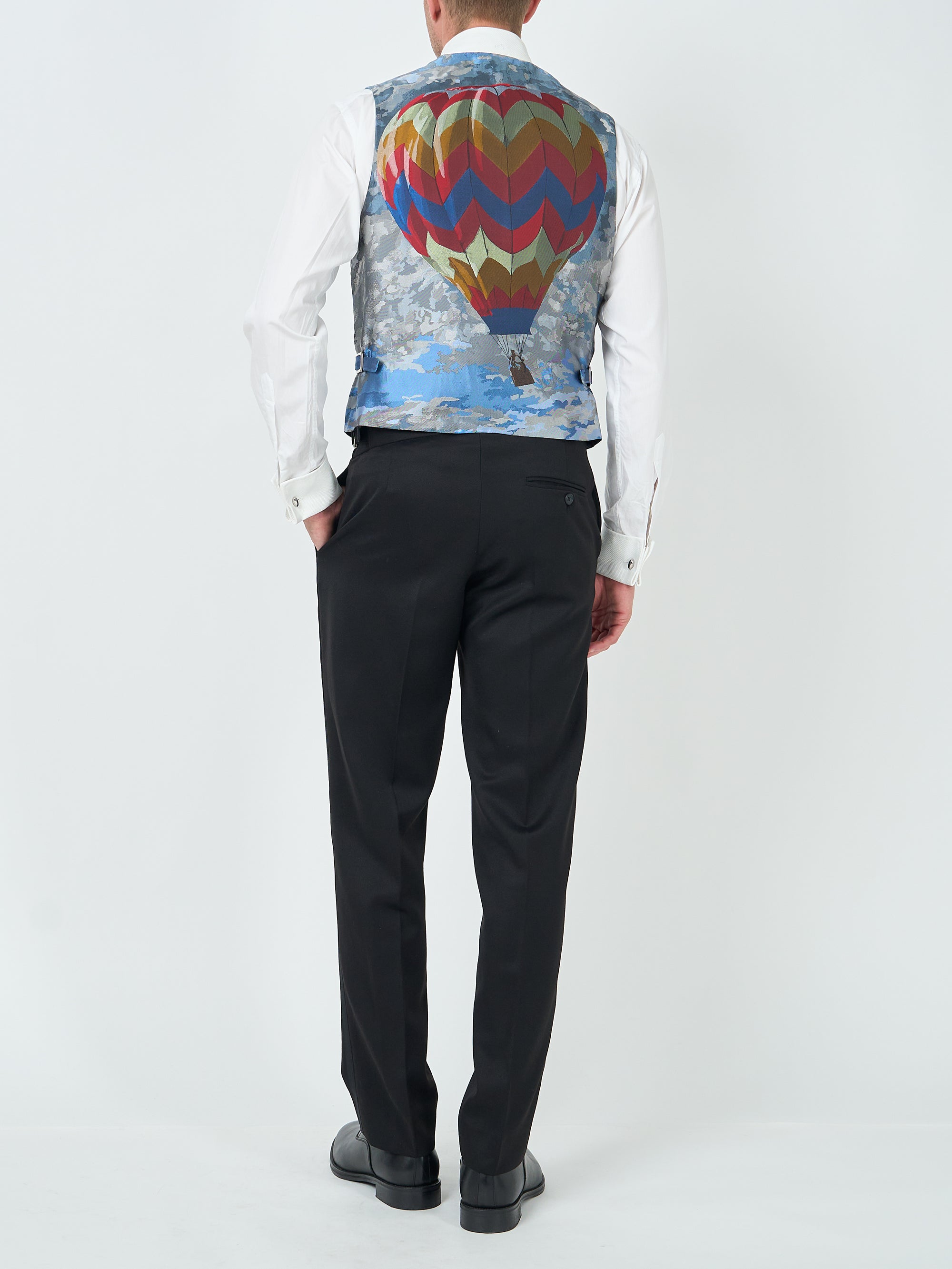
At Favourbrook, we pride ourselves on having one of the most extensive and unique collections of formal waistcoats in the world, housed in our Piccadilly Arcade store, as well as our Pall Mall boutique. The Piccadilly Arcade store specialises in men's accessories, which is why so many of our valued customers go there to update their waistcoat collections. Despite the waistcoat becoming all but redundant in casualwear these days, when it comes to formalwear and occasion dressing, the waistcoat is indispensable, not least because it is the largest piece of sartorial real estate on your body upon which you can build a semblance of personality and individuality.

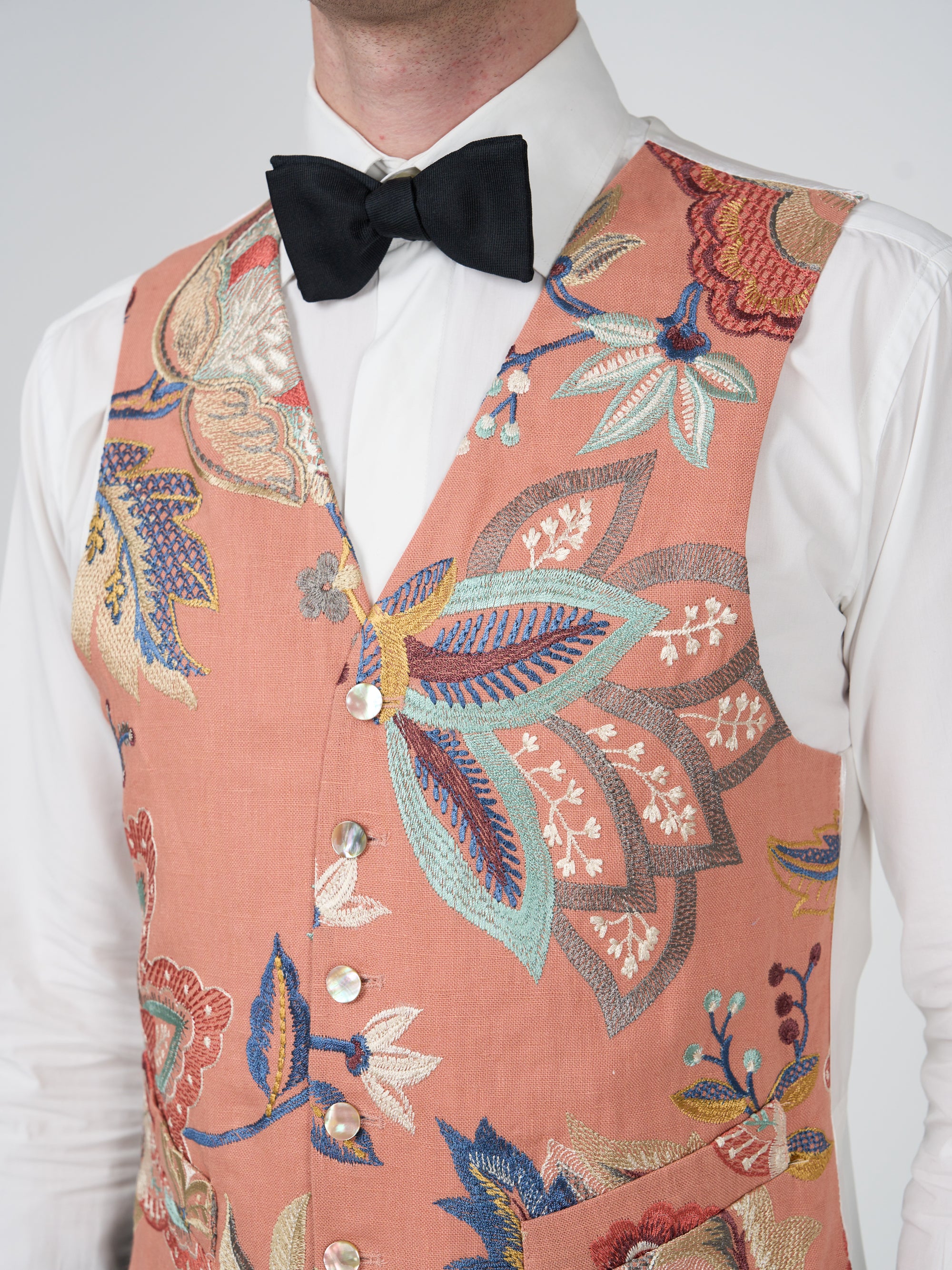
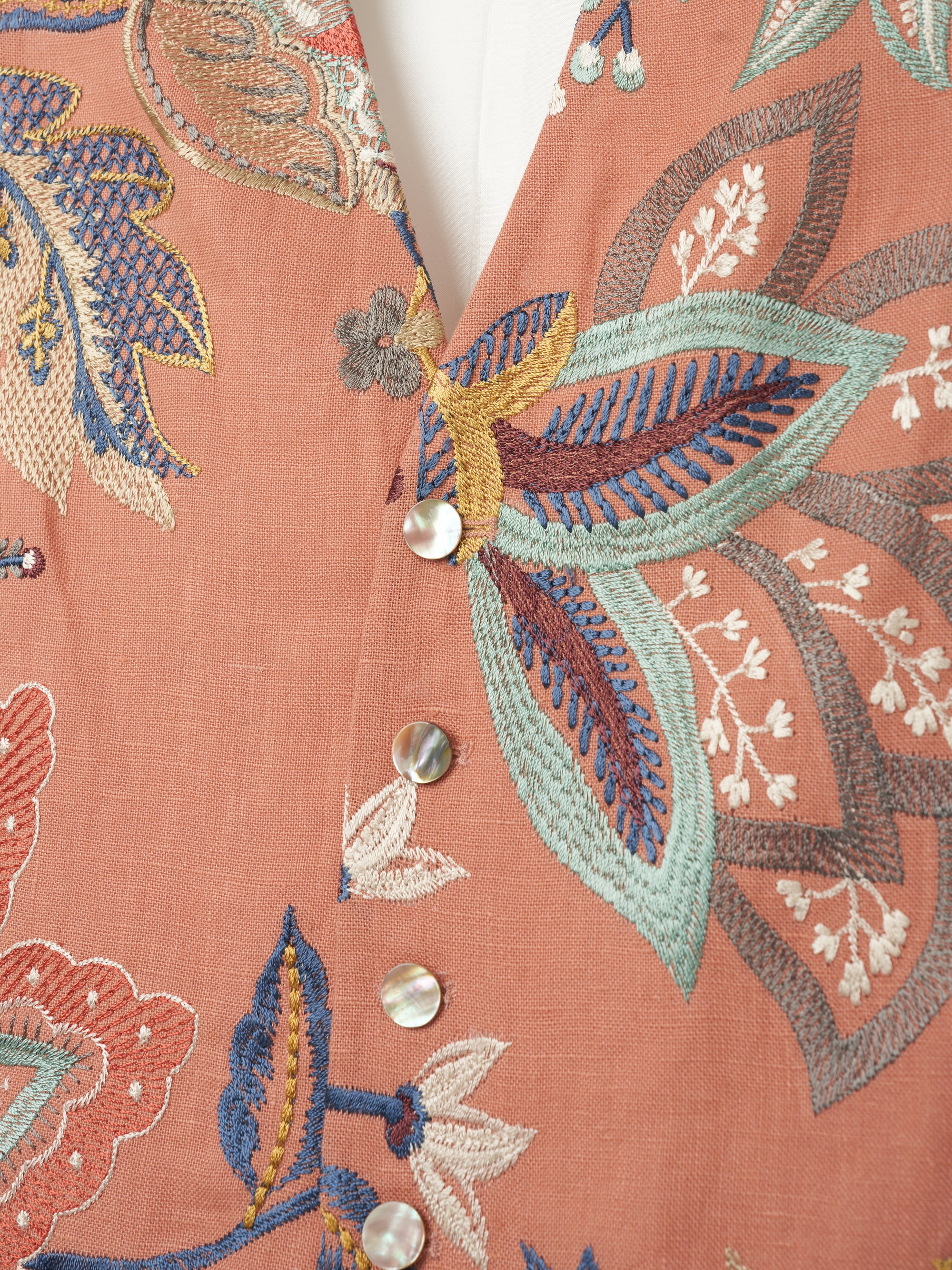
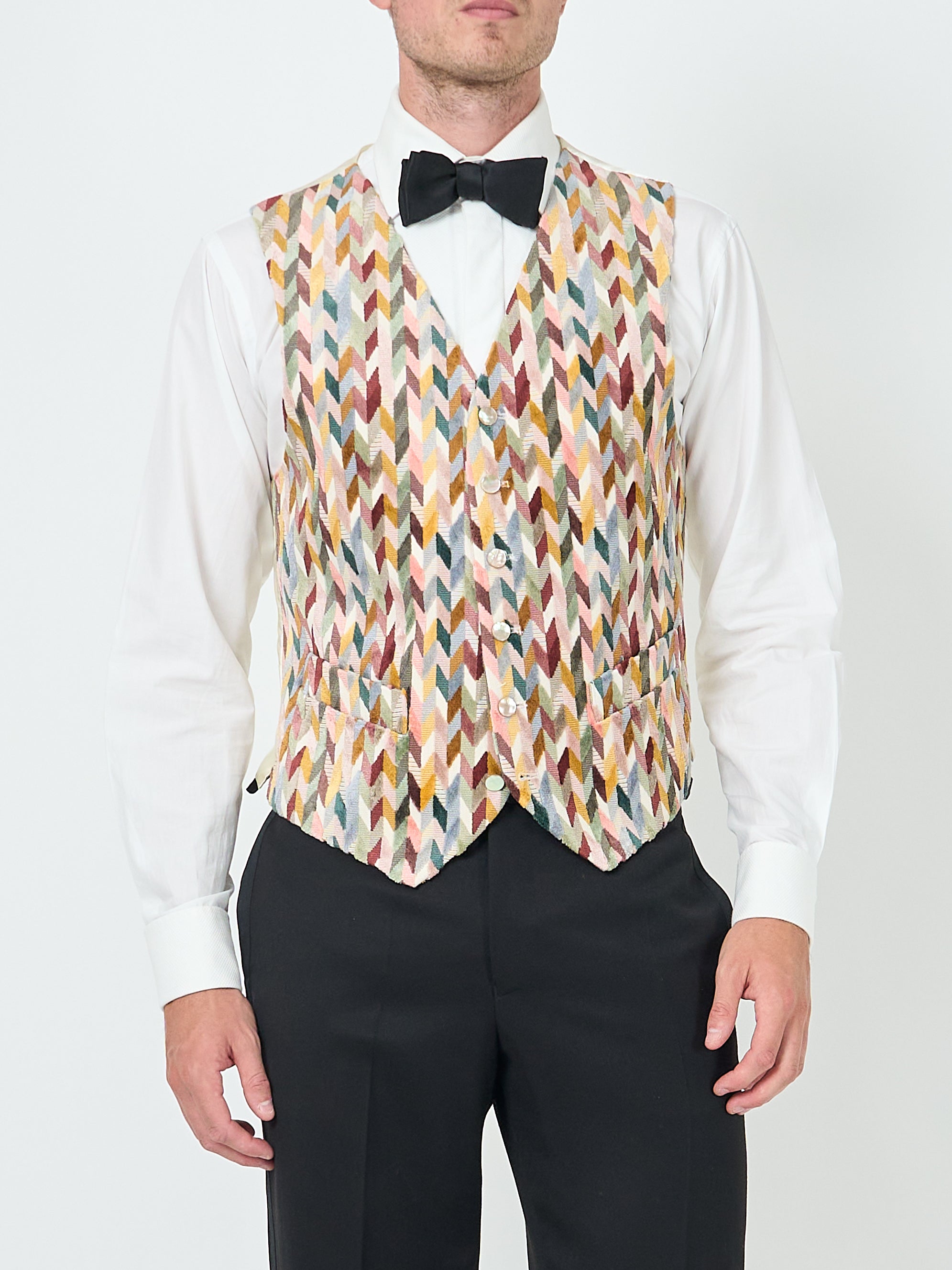
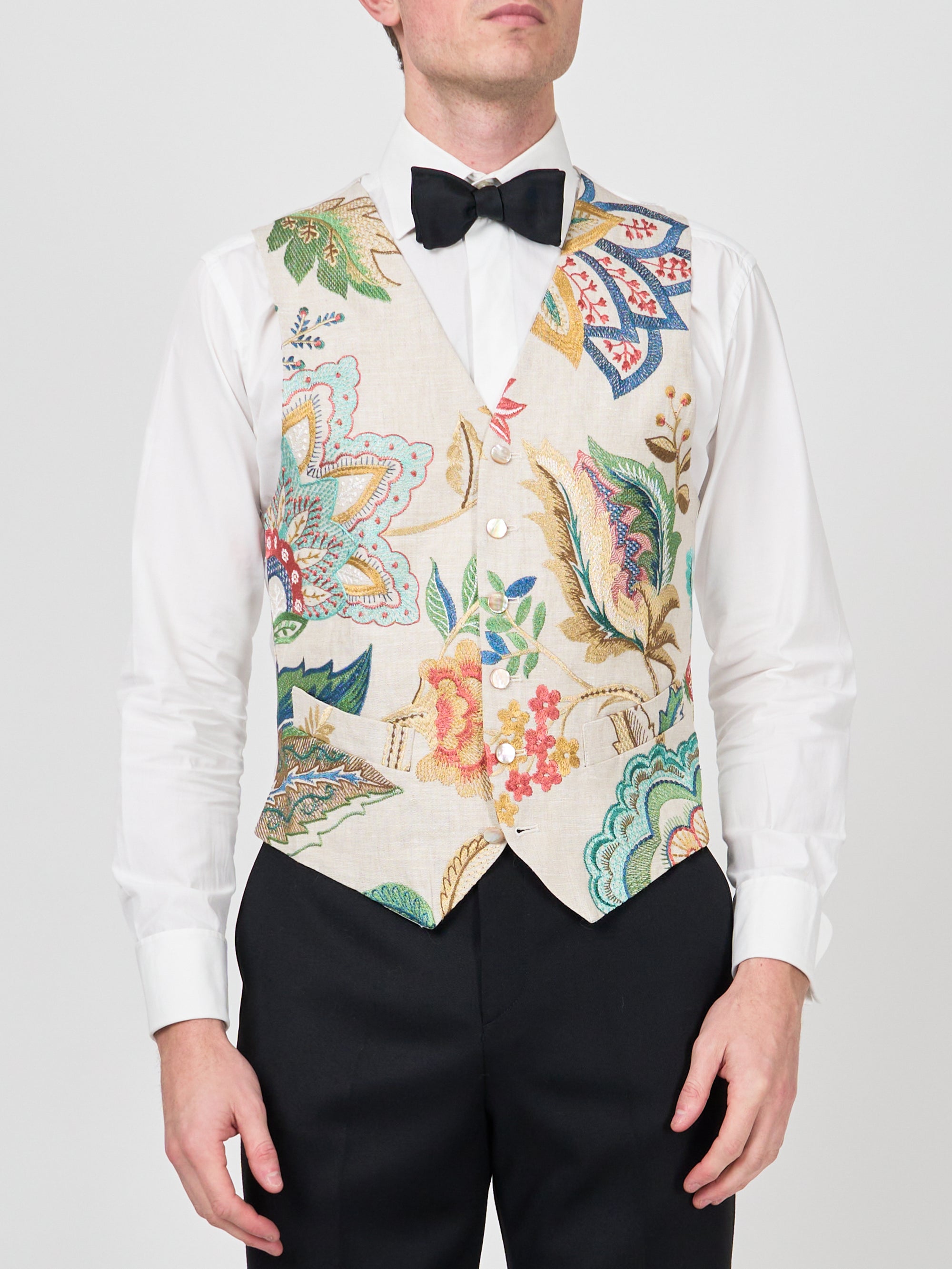
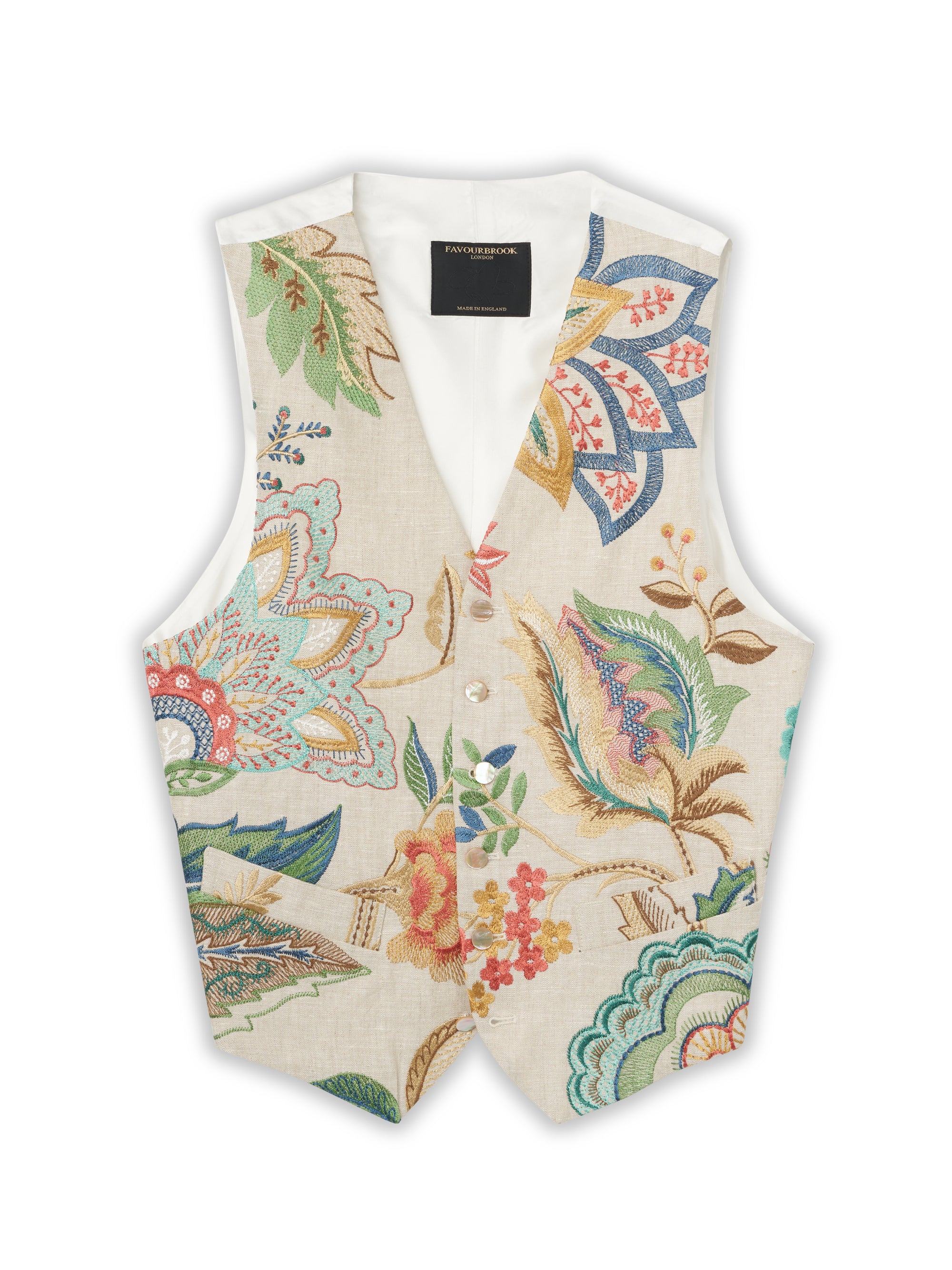
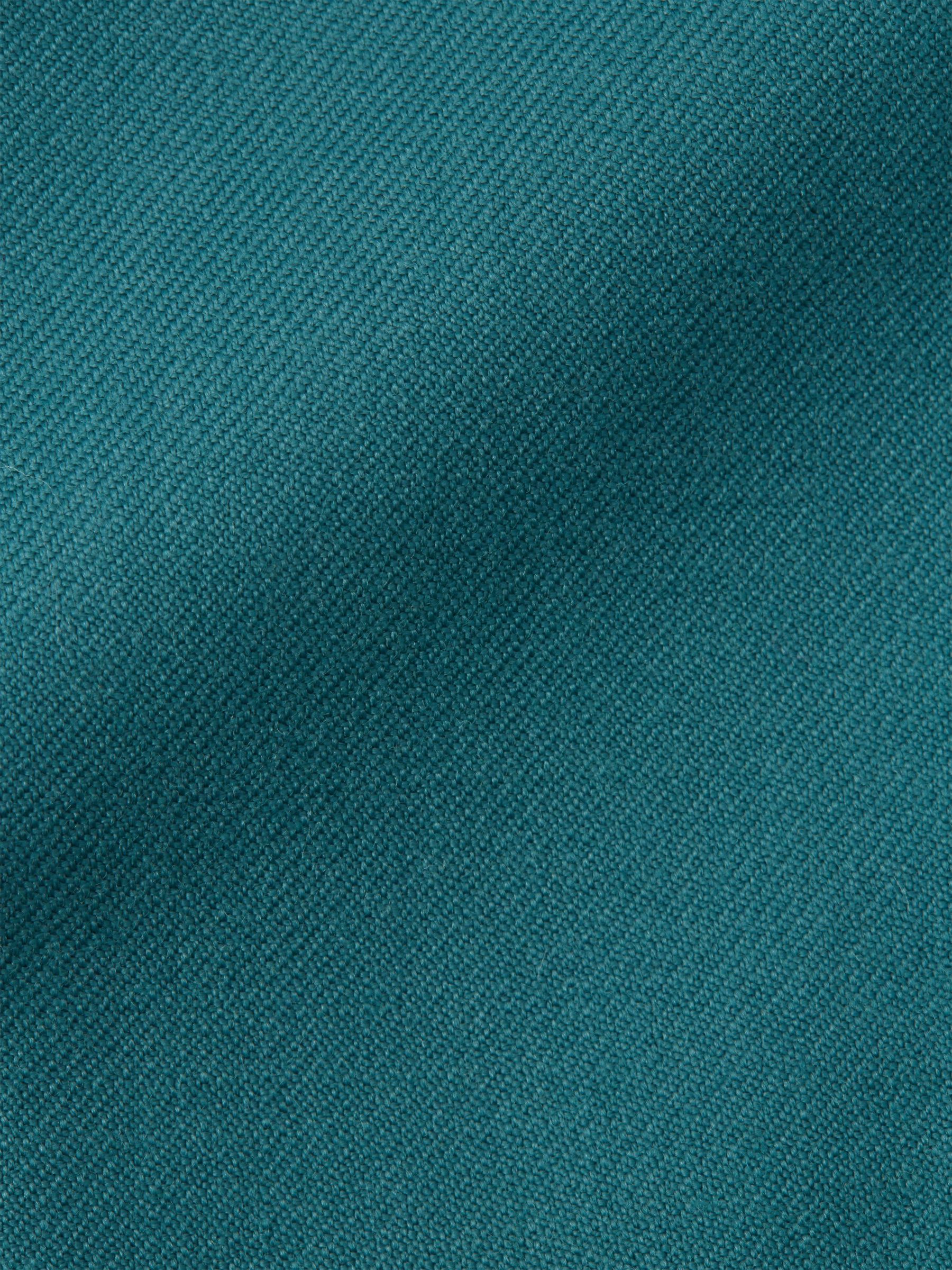
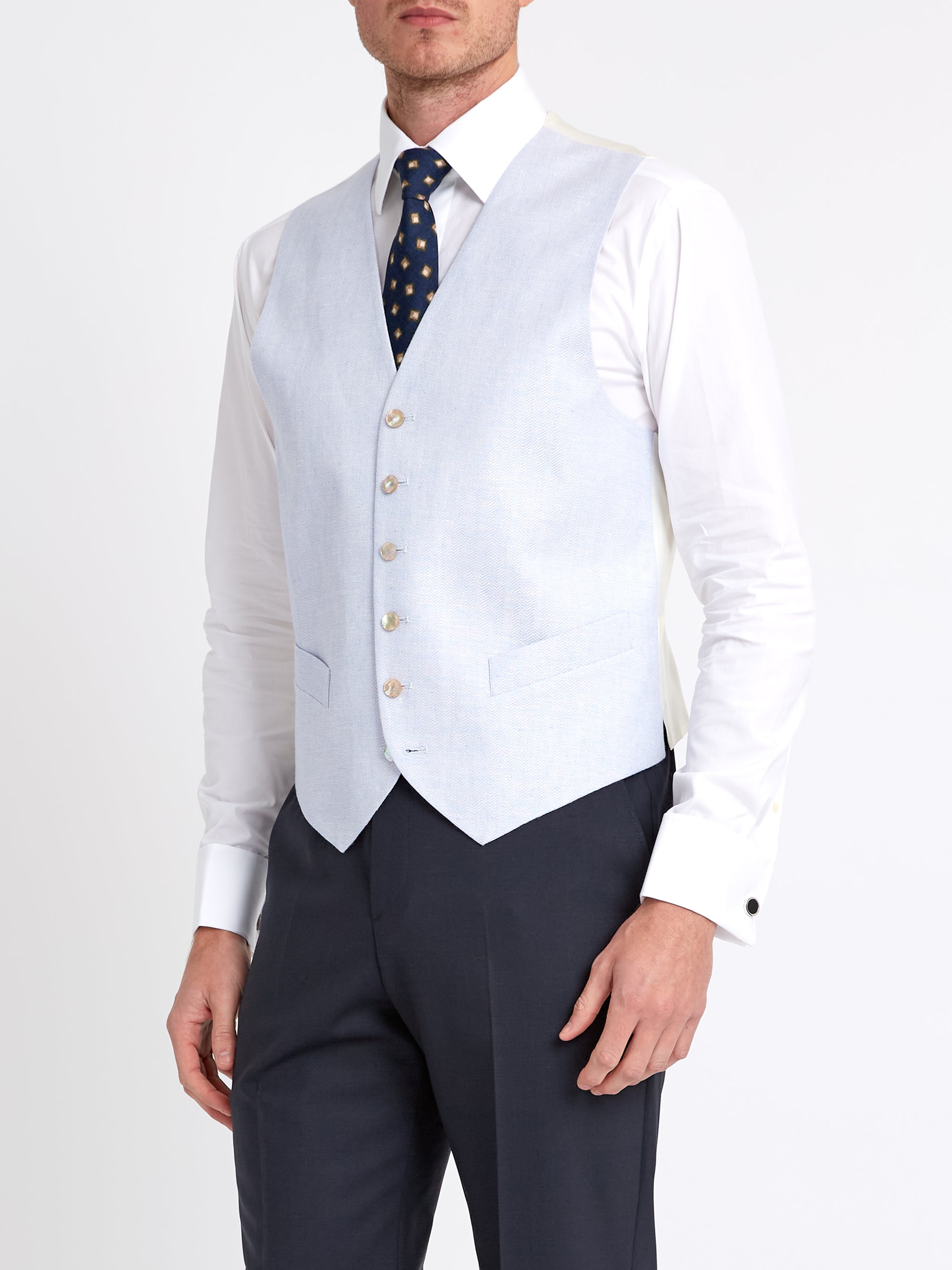
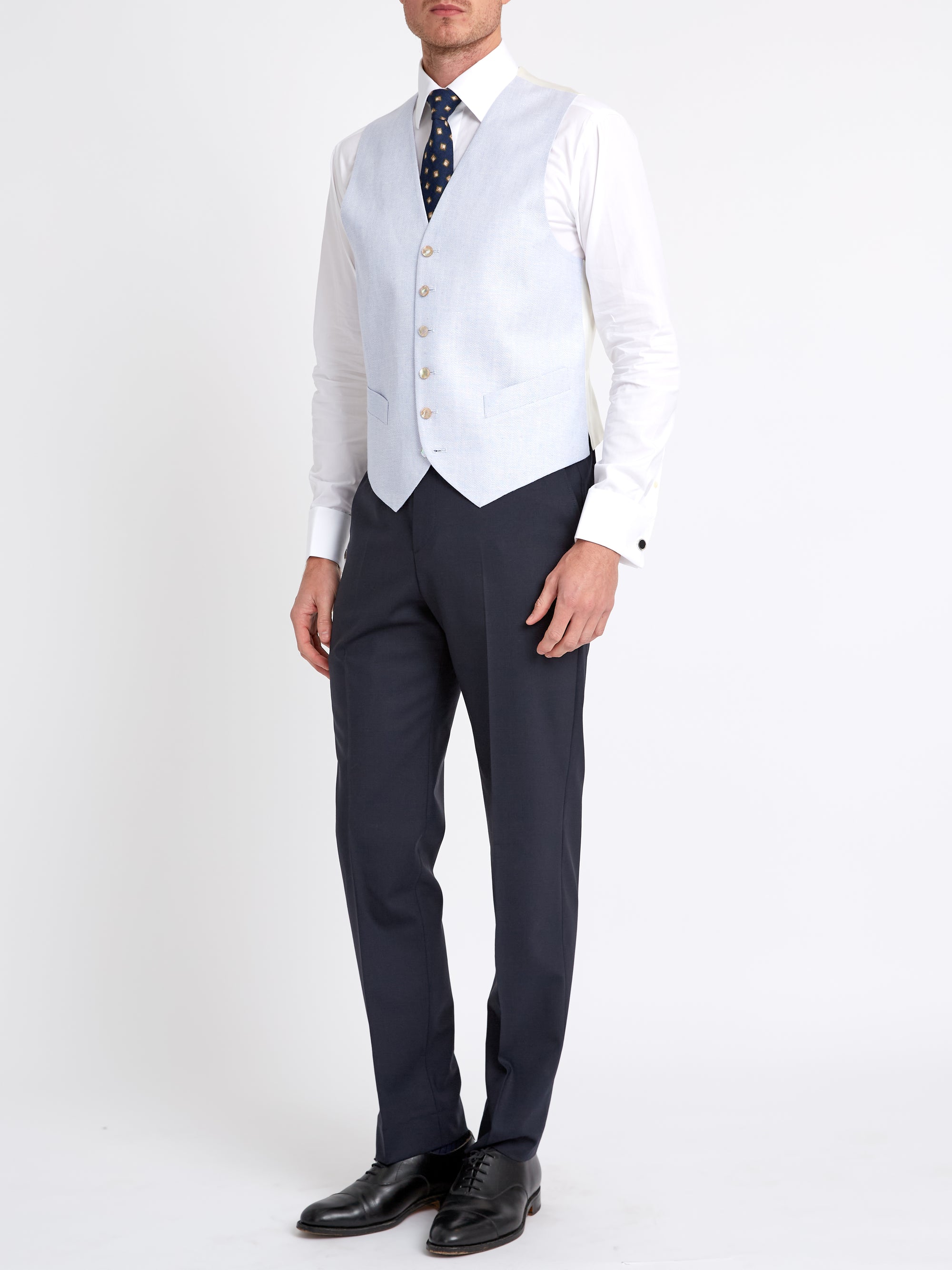
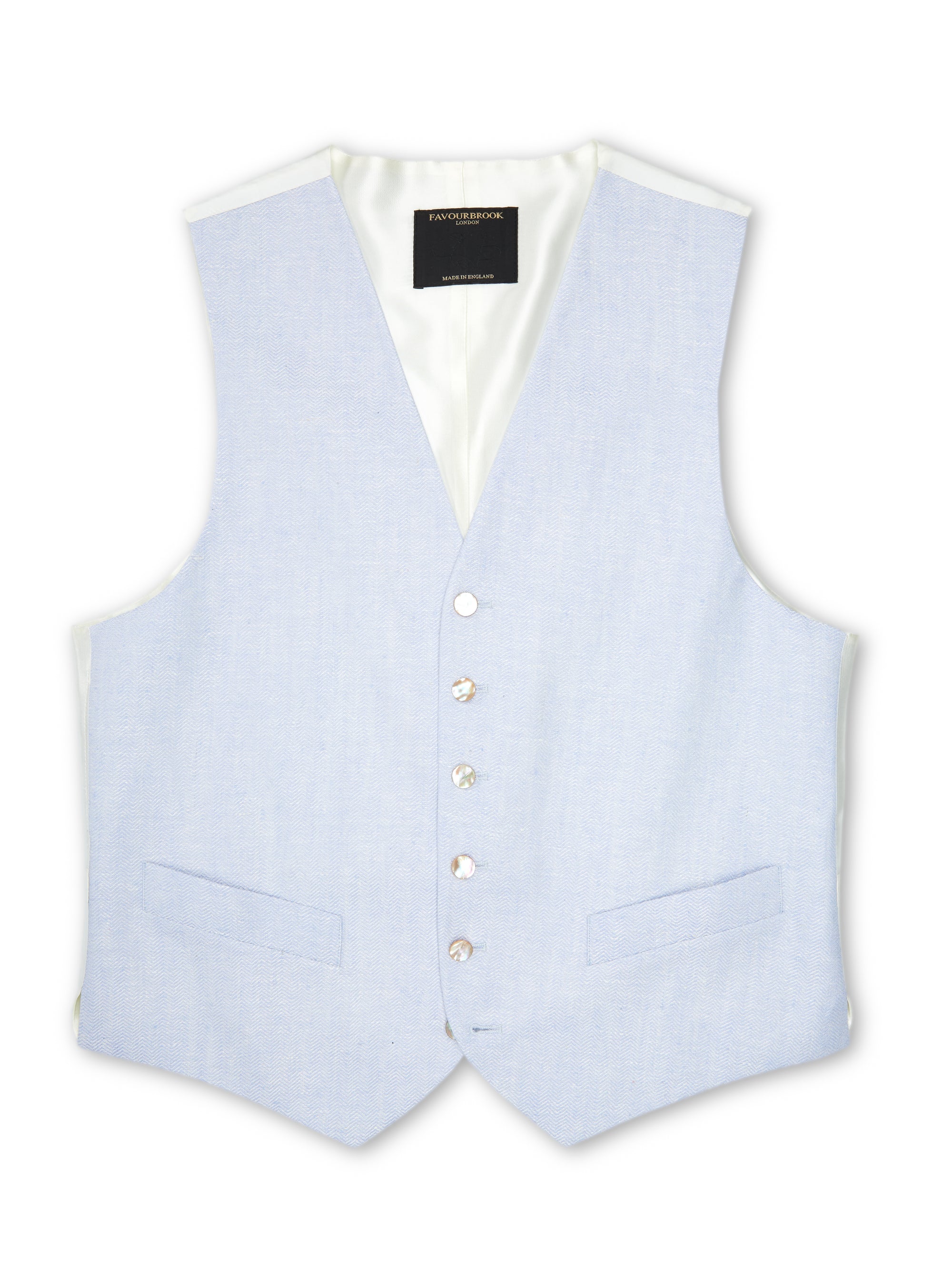
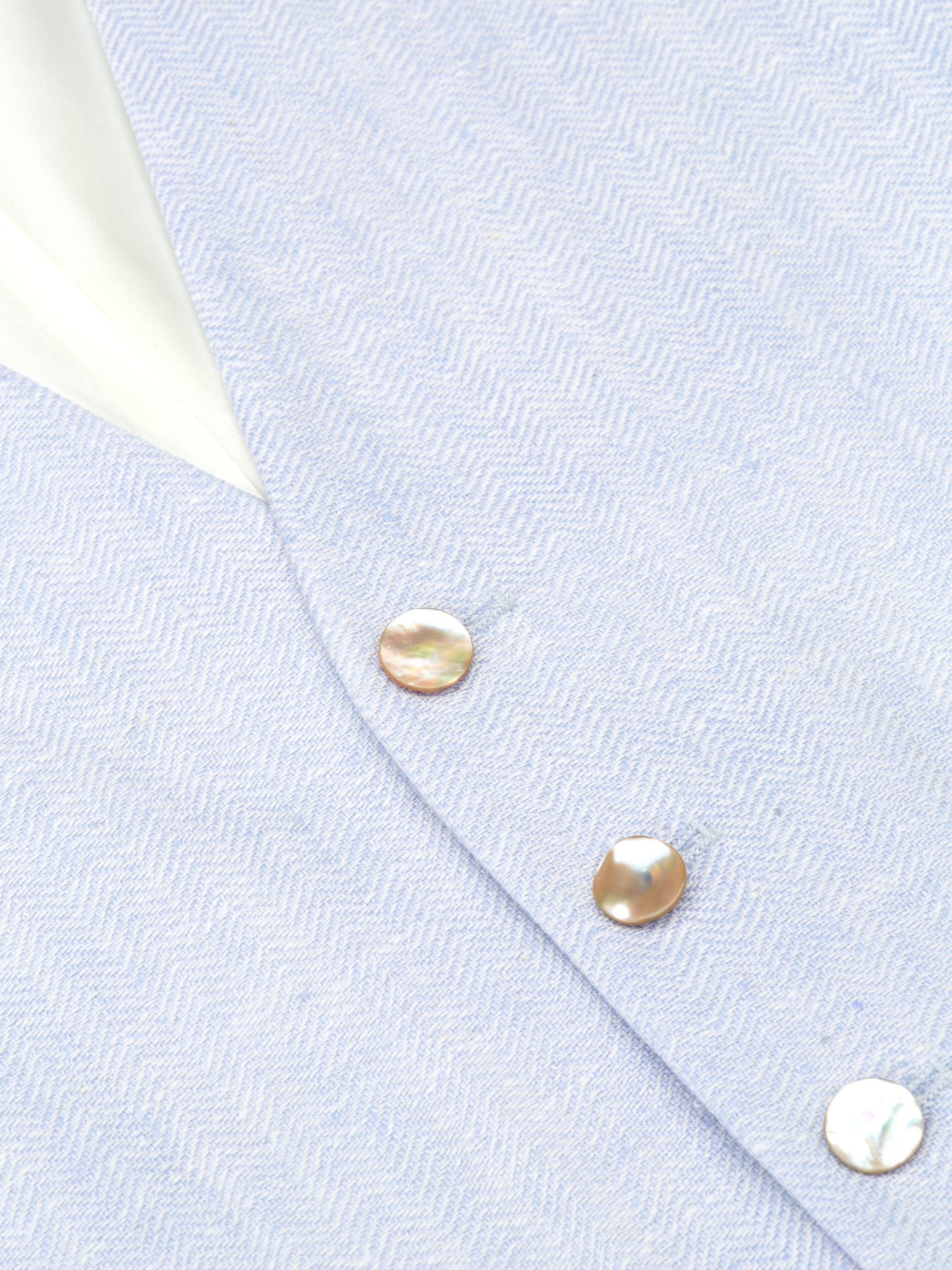
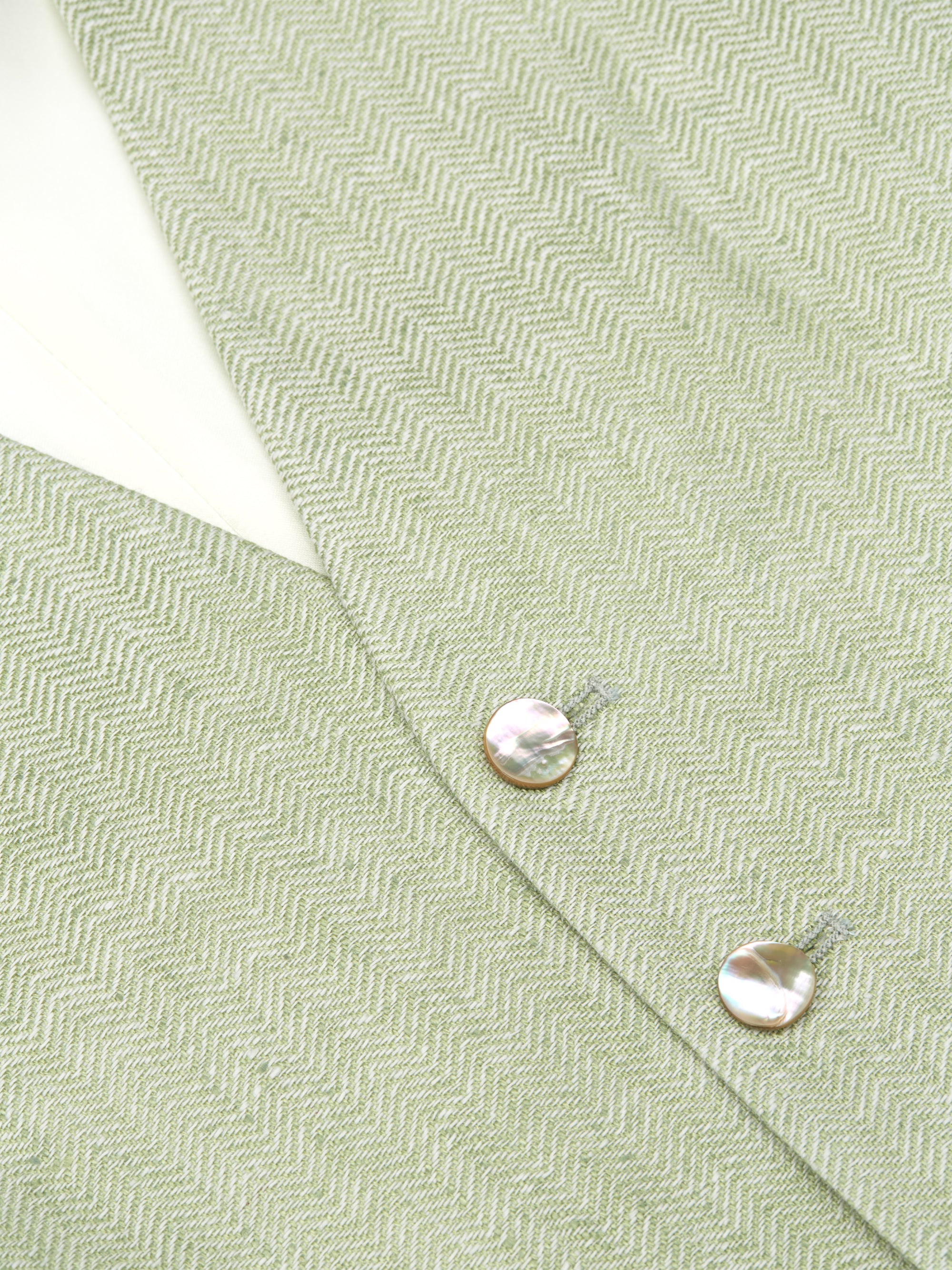
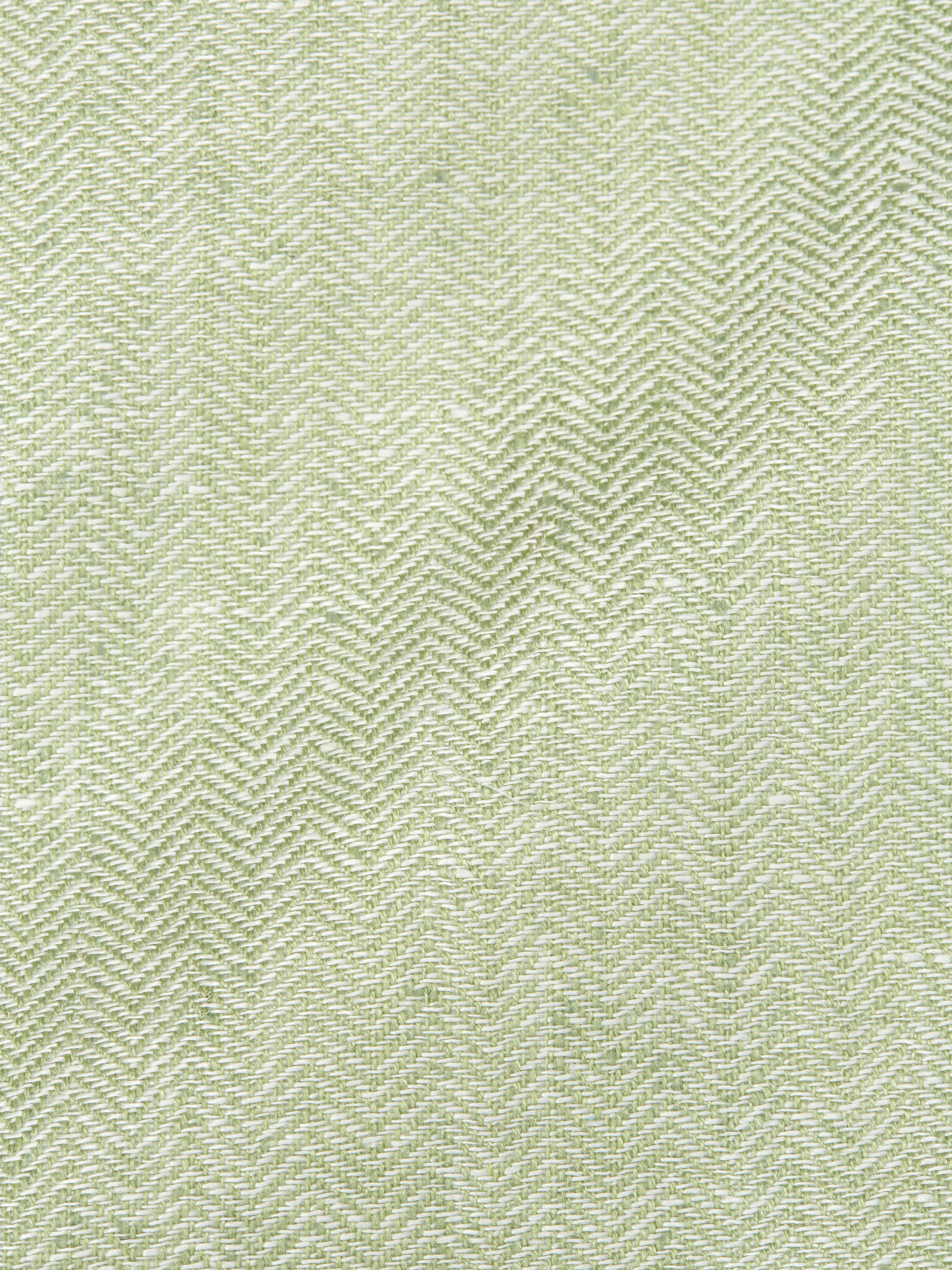
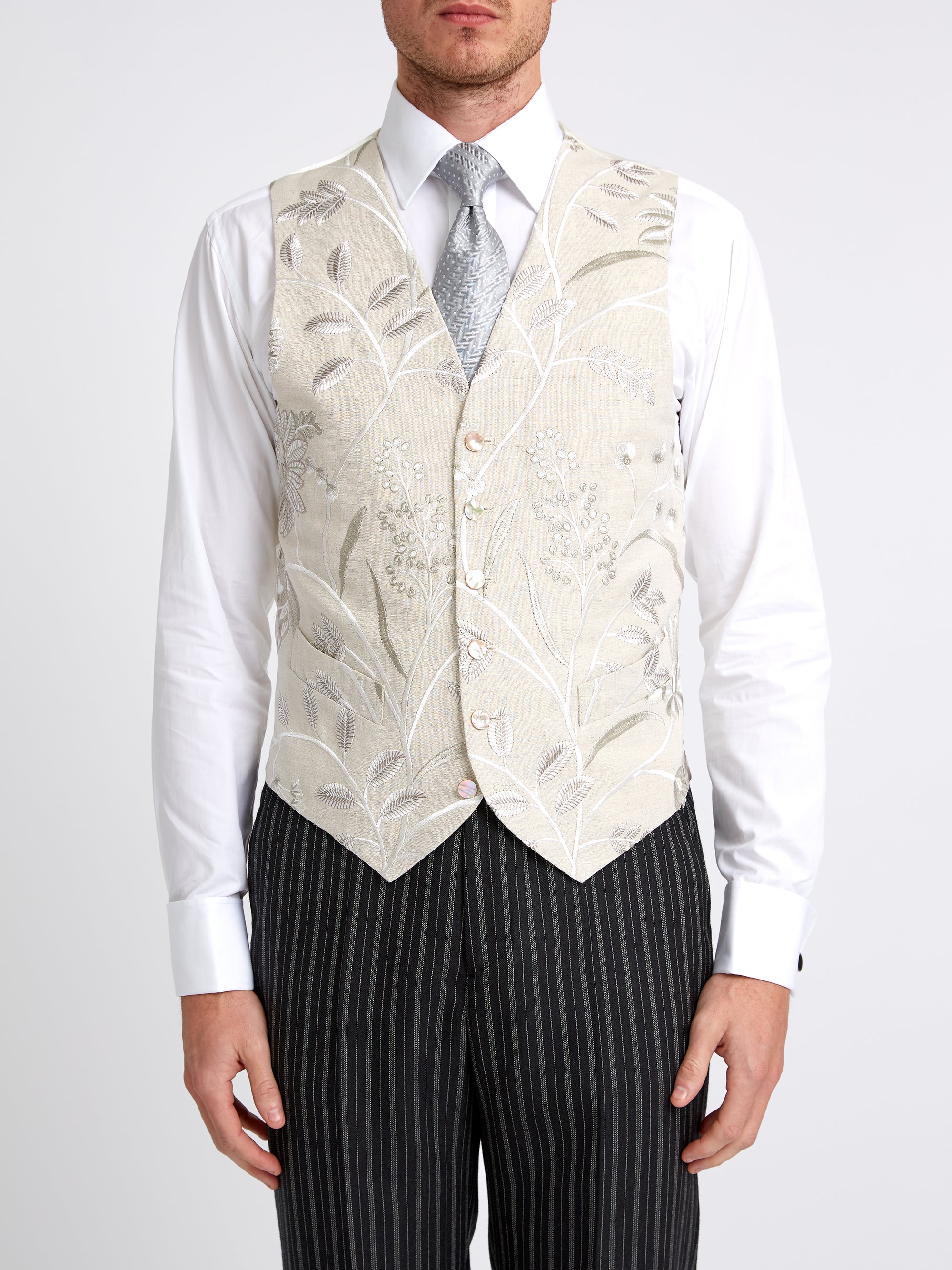
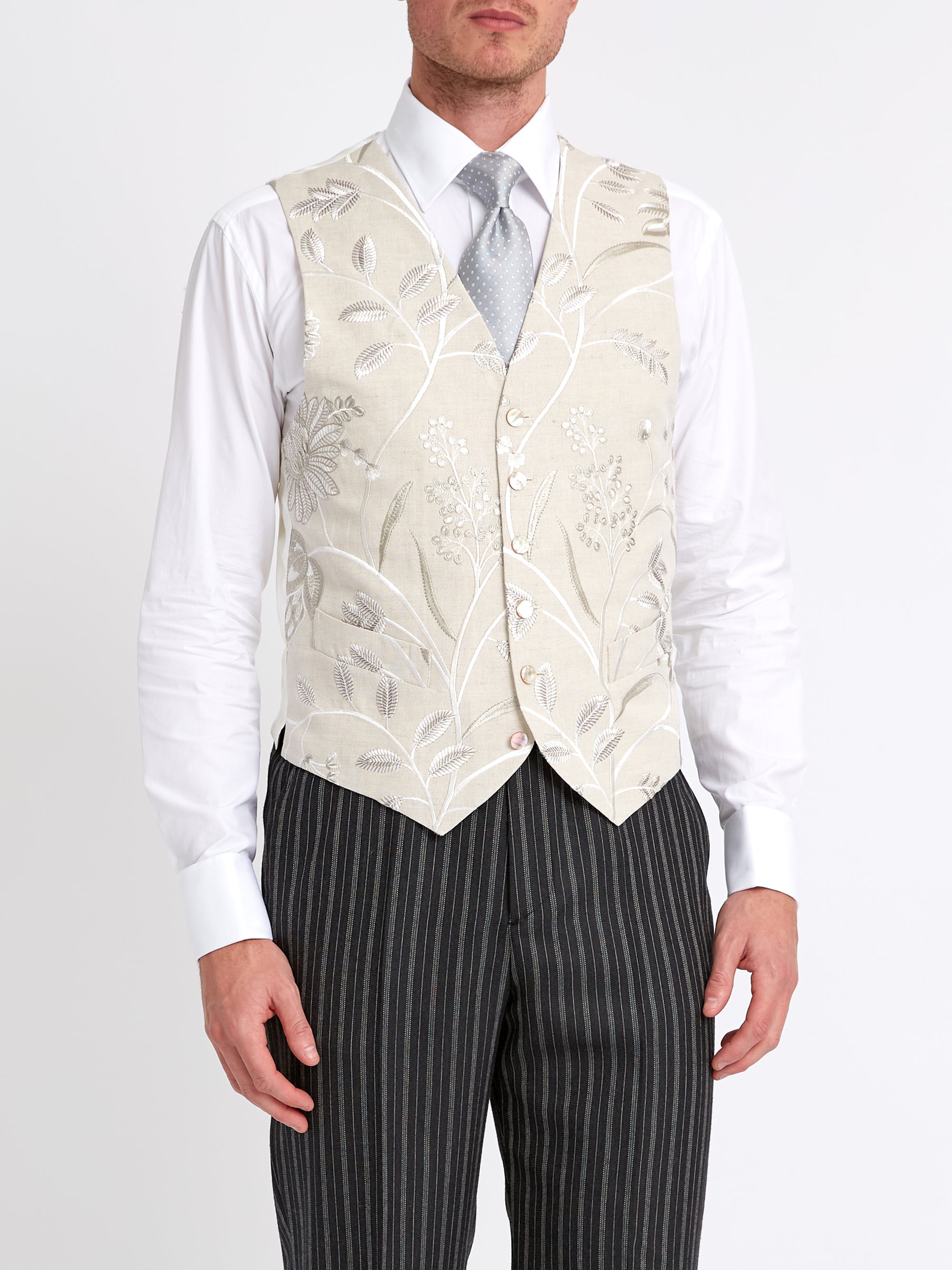
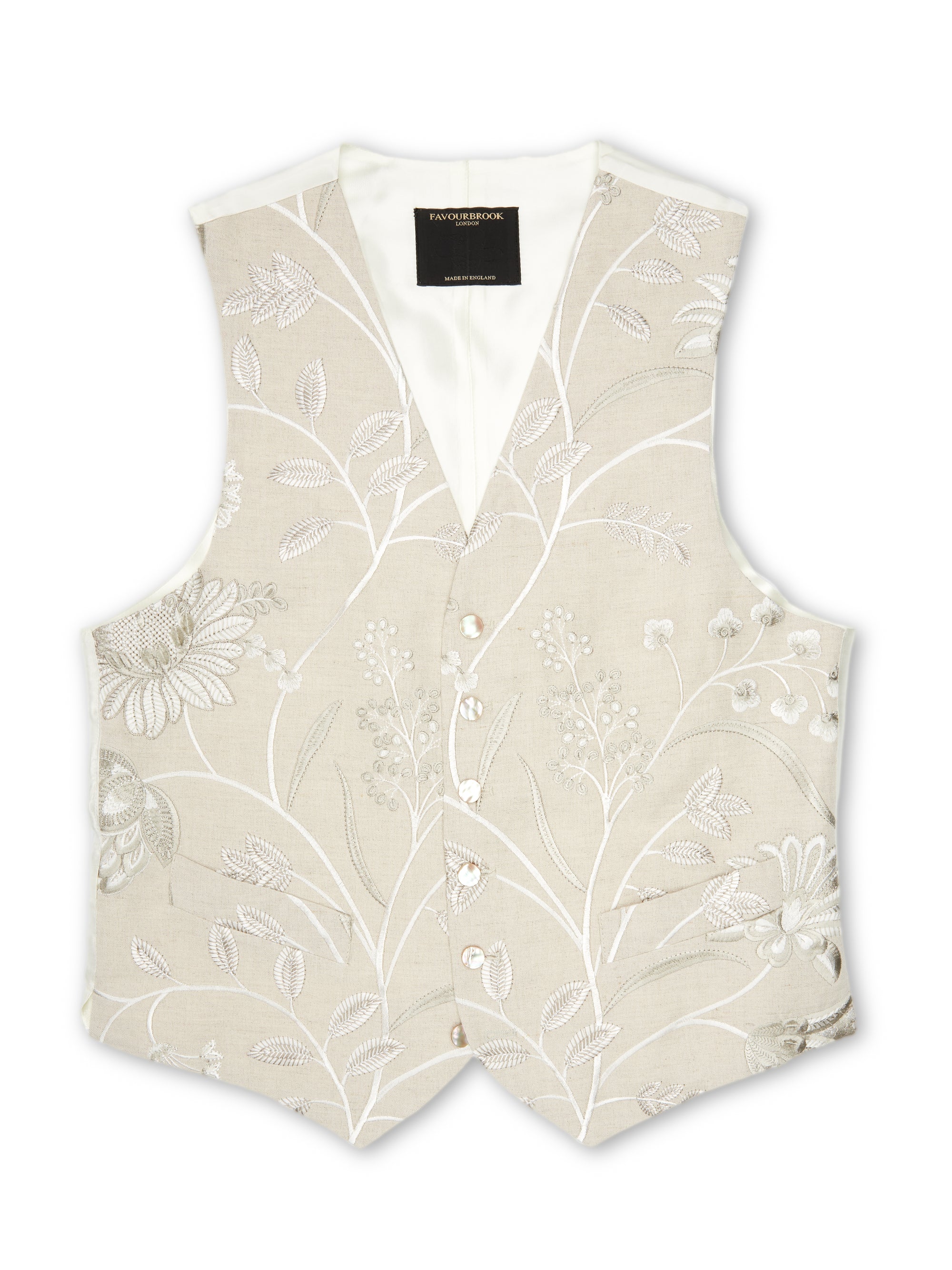
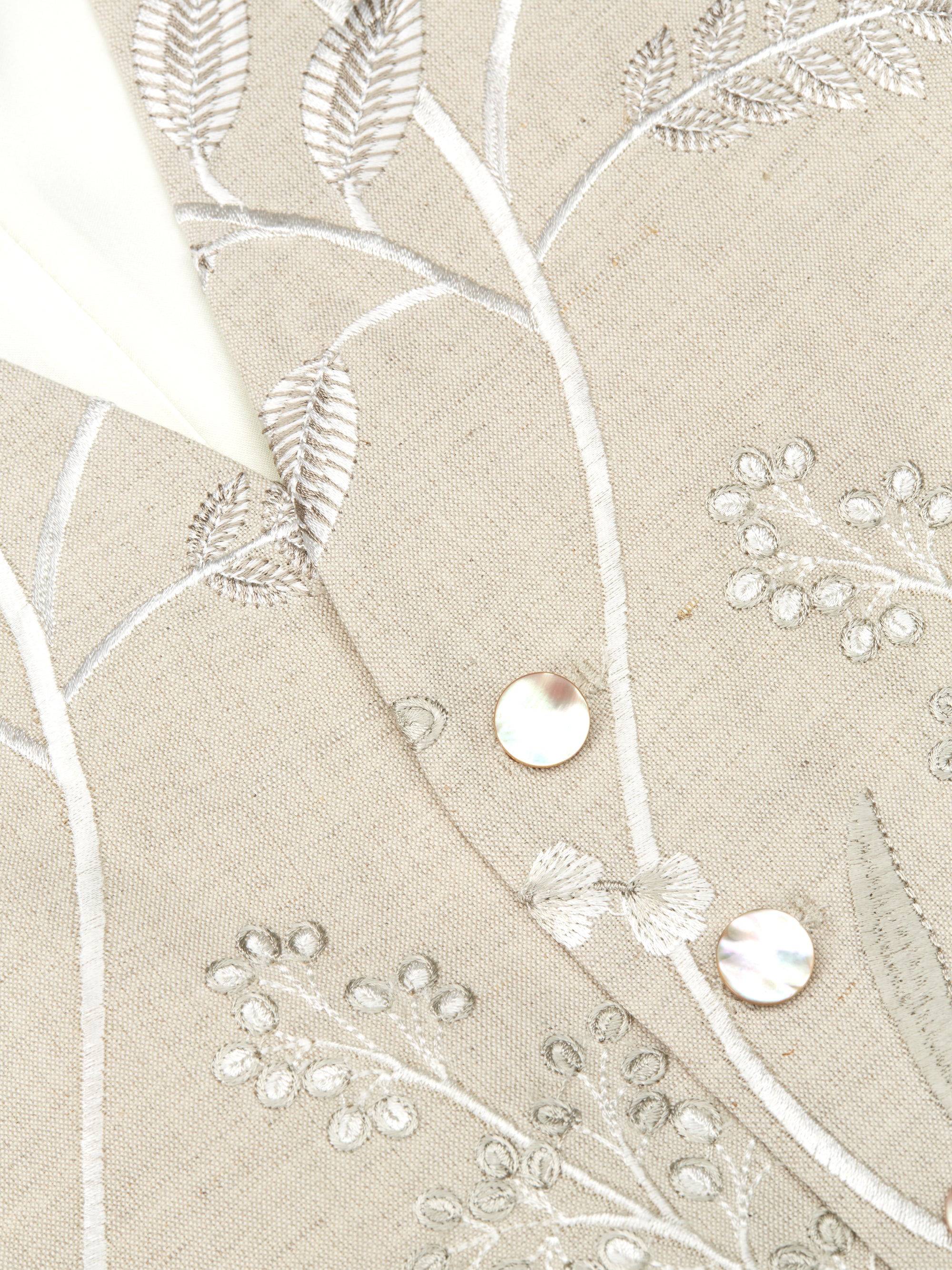
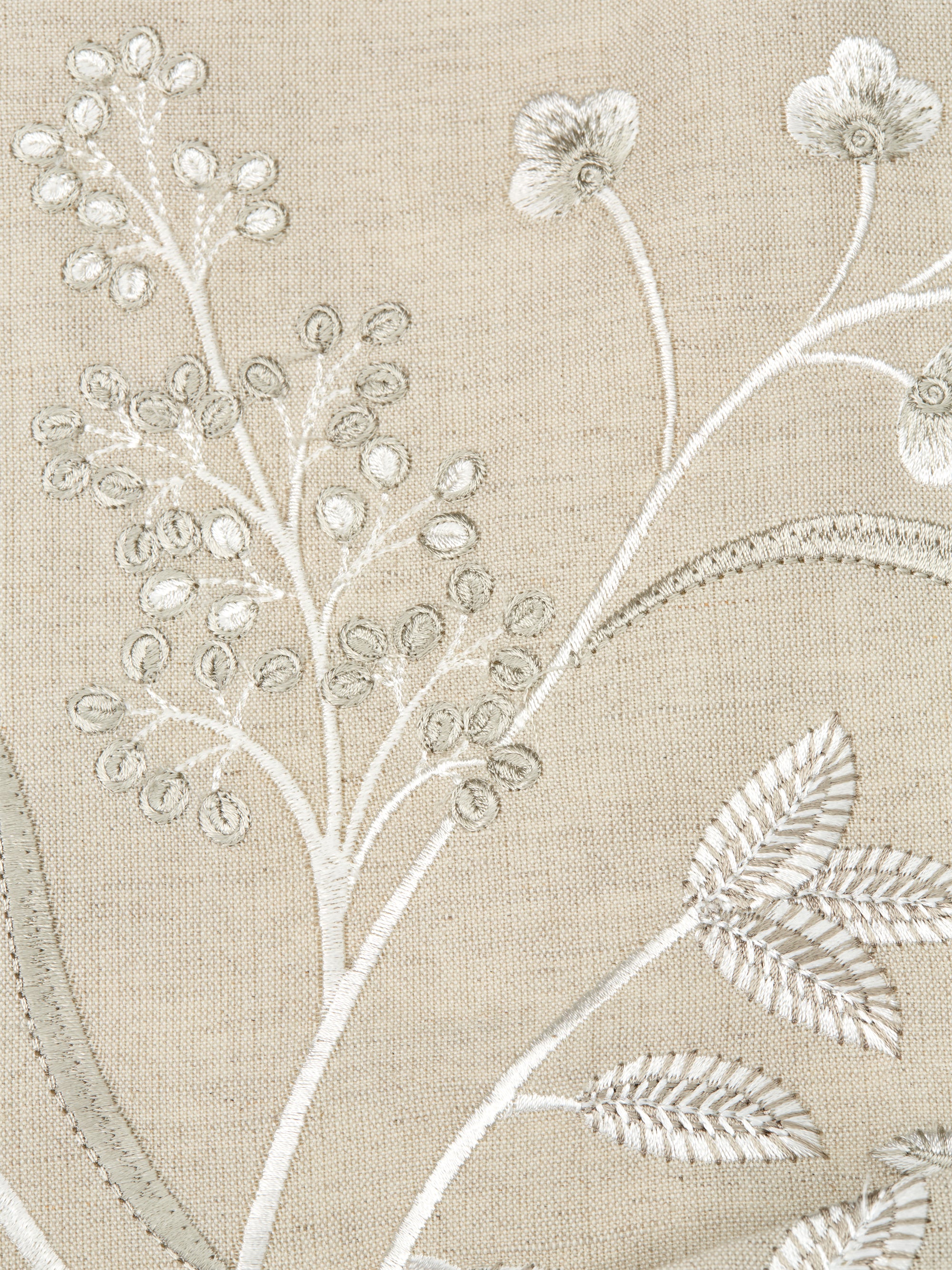
For Summer 25, we have expanded our already vast collection to include new summer-weight gabardine wools alongside stunning pastel linen and silk options. Whether you are getting married or are attending an event with a formal dress code such as Royal Ascot, your choice of waistcoat will go quite some way to determining the success of your look. From considering the colour and fabric to the cut and style, choosing a waistcoat is not a decision to take lightly, which is why we have deep-dived into its history to understand its purpose and legacy in the annals of sartorial menswear. 

Vested Interest

It’s widely thought that what could be agreed as the original genesis of the modern waistcoat probably originated from Persia in the middle of the seventeenth century, before making its mark on King Charles II (in the portrait below by Tomas Hawker). He is purported to have borrowed the idea from adventurer Sir Robert Shirley, who in turn had borrowed it from the Persian court of Shah Abbas the Great. A ‘vest’ would be the most accurate description of the garment, popularised by Charles II who was persuaded that a more sober sartorial style should be adopted after the twin catastrophes of the Great Plague and the Great Fire of London (in vast contrast to the  superficial extravagance on display in the upper echelons of French court and society. 

Far from being something that finished at the waist like the modern waistcoat, this vest was a well-fitted knee-length garment made mostly from cheaper fabrics as opposed to the lace preferred in more lavish times (although it wasn’t that long before this sartorial sobriety was forgotten). As time passed, the vest’s length gradually diminished so that by around 1700, many of the examples of the time had skirts that finished above the knee, a change catalysed for the most part by the demands of being on horseback. As the waistcoat evolved, the front became increasingly more cutaway in order to reveal the wearer's breeches.

As to the question of which came first - the double or single-breasted waistcoat - I’m not entirely sure, but what is more certain is the breakout popularity of the double-breasted style, at least during the early period of the 18th century. By this stage, the waistcoat had developed small flap pockets, had removed the sleeves, and was cut square to the waist. As the sobriety of earlier decades receded, it became common for waistcoats to use patterned fabrics - mostly stripes - but by the turn of the century, the waistcoat had fully arrived in all its splendour, with conspicuous extravagance back in the form of decorative embroidery and luxury fabrics. Dandies were so enamoured with the opportunity to peacock their wares that they even took to wearing more than one at once.

An illustrated guide to historical waistcoats

The 20th century was an entirely different story for the waistcoat however as extravagance made way for mundanity once again, before virtual extinction in common everyday dress. The three-piece suit did its best to keep the tradition going, and various subcultures such as the hippies, Teddy boys and punks put their own unique twist on the garment. Despite their best efforts, the casualisation of menswear has meant that the waistcoat as we know it today finds itself best amalgamated in the traditions of formalwear and eveningwear, where it has always felt most at home.

How to choose the perfect waistcoat

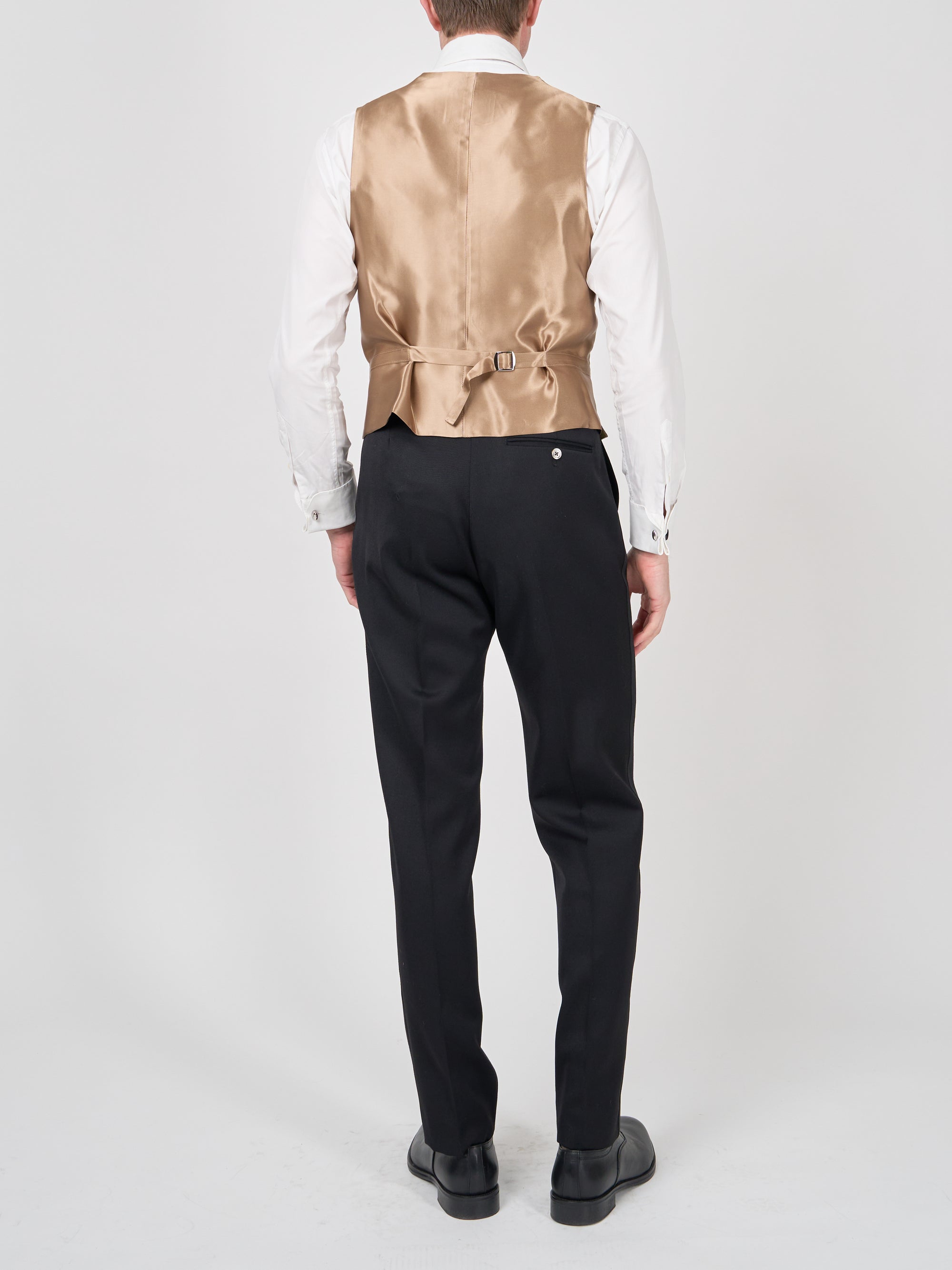
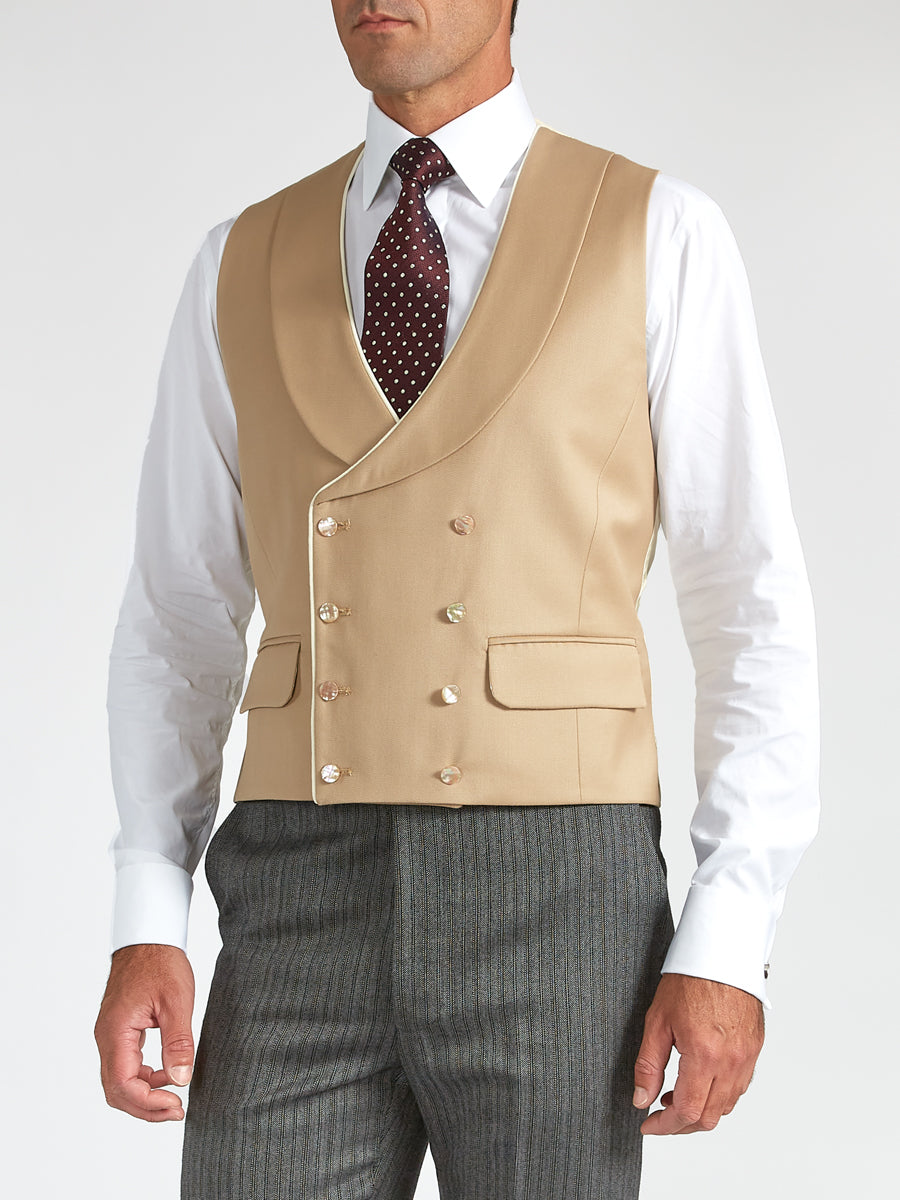
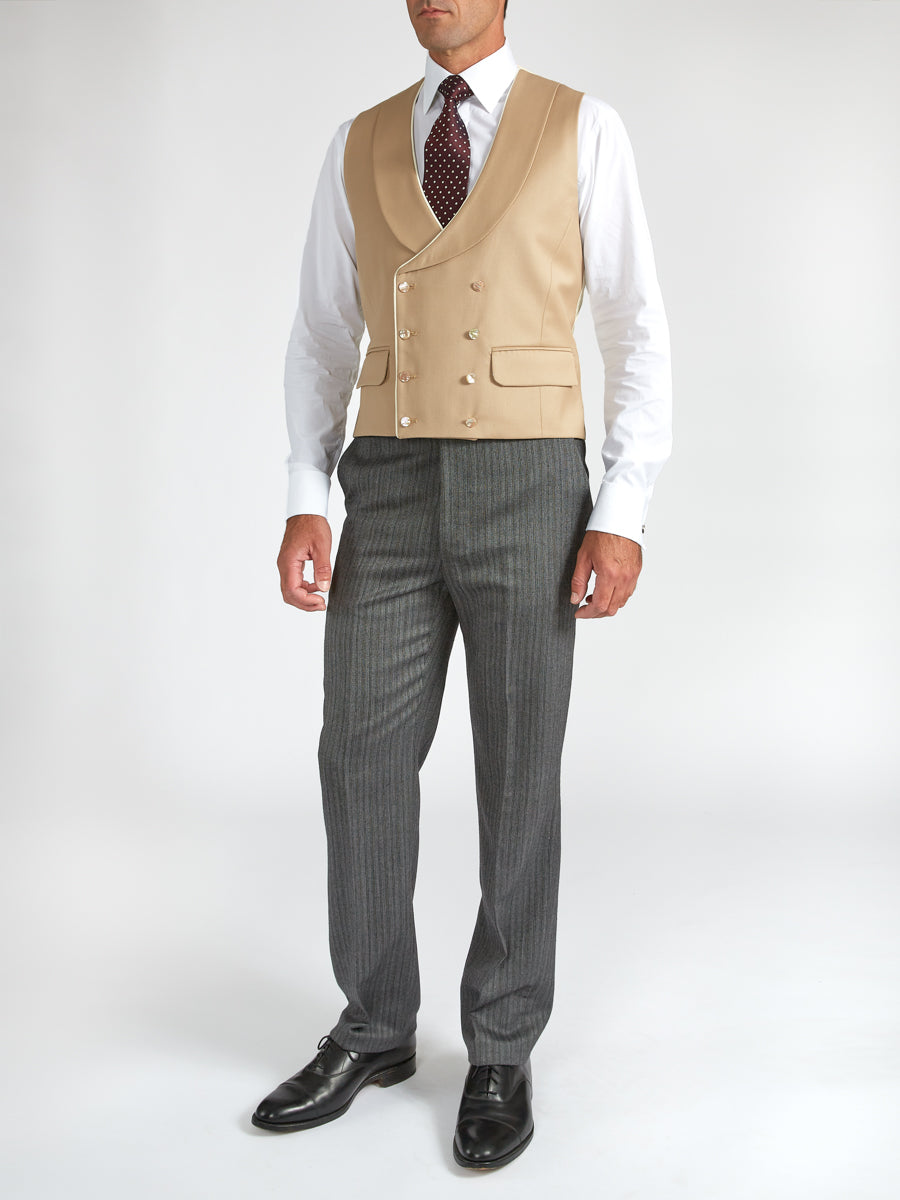
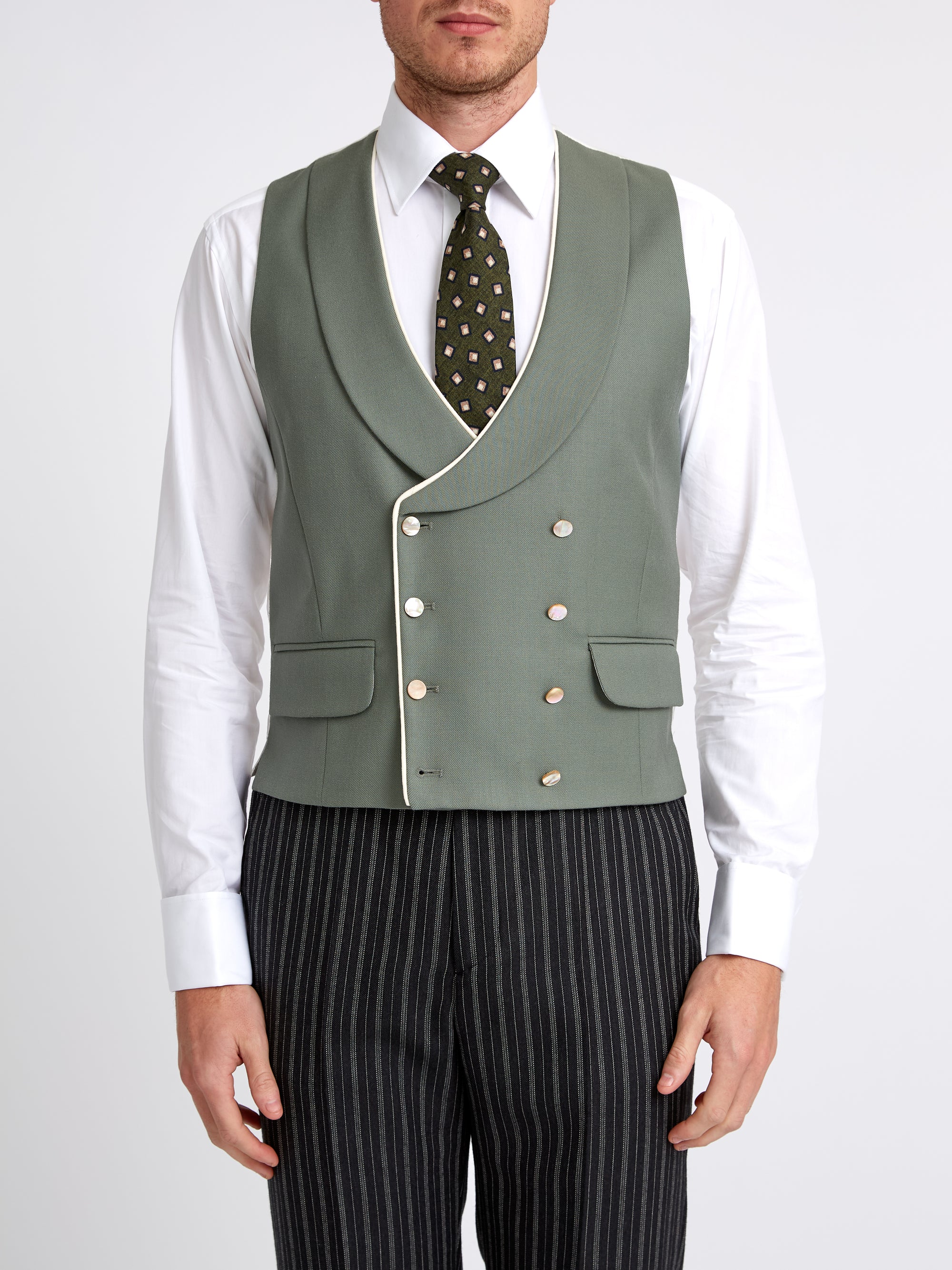
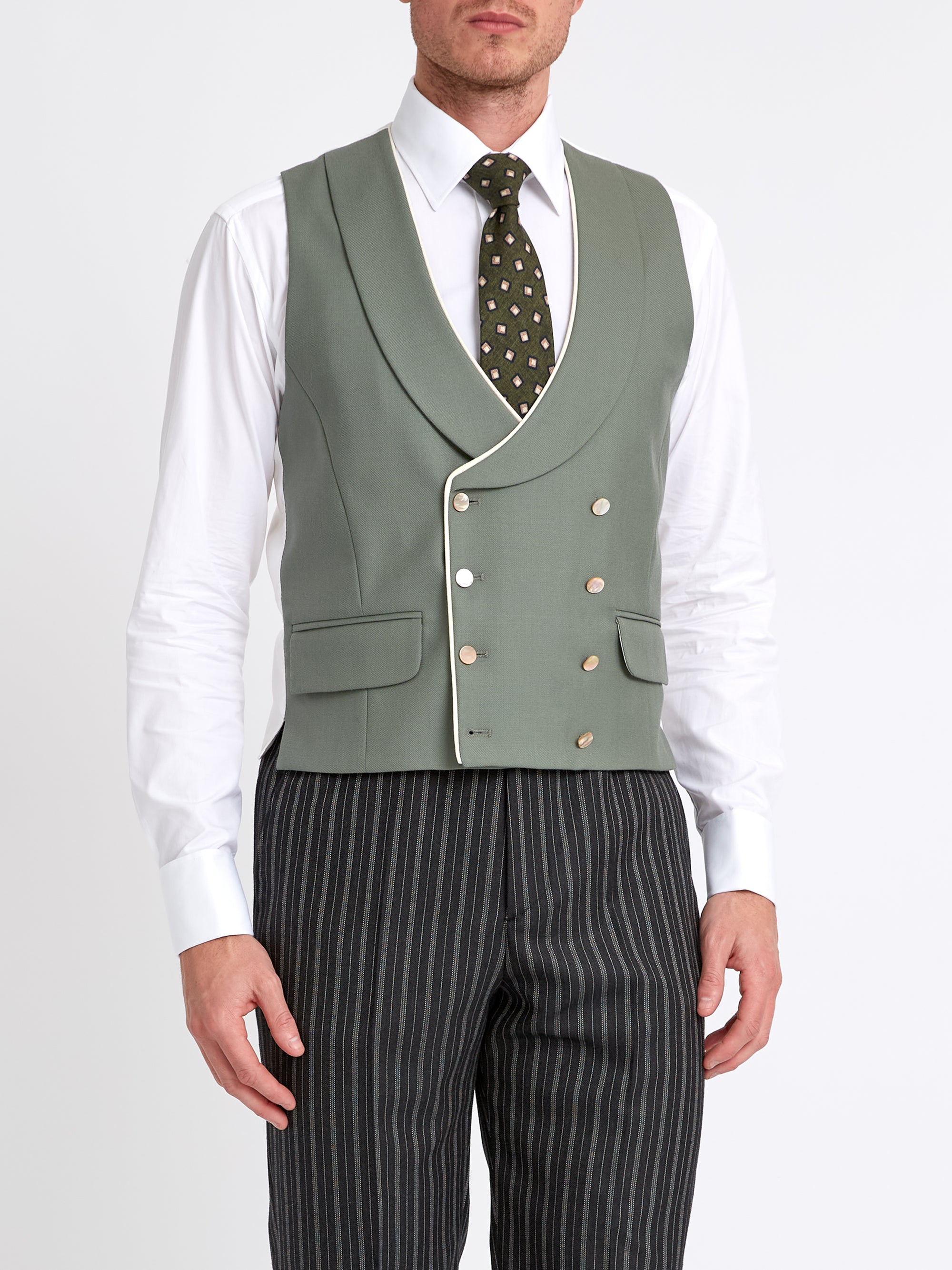
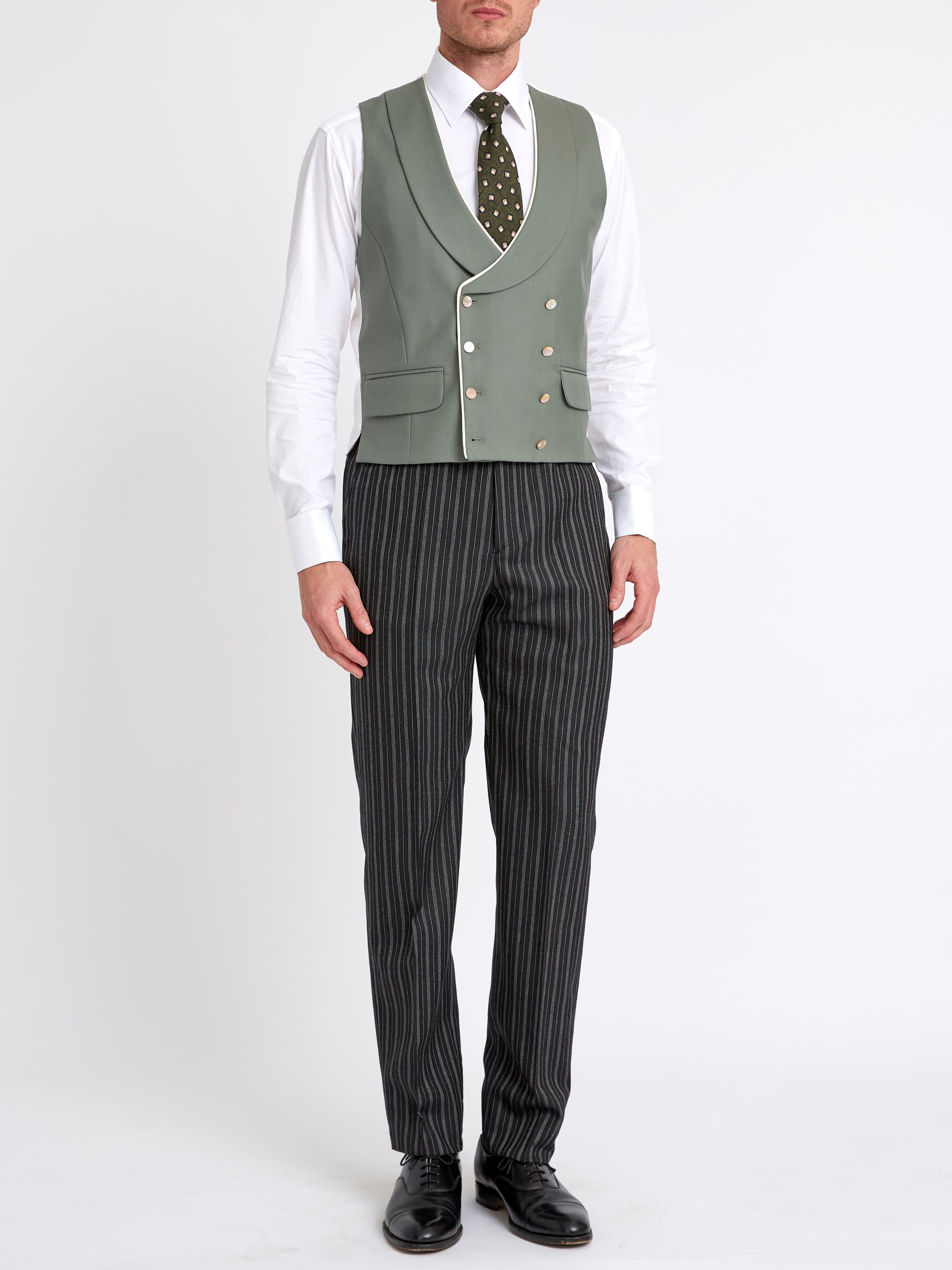
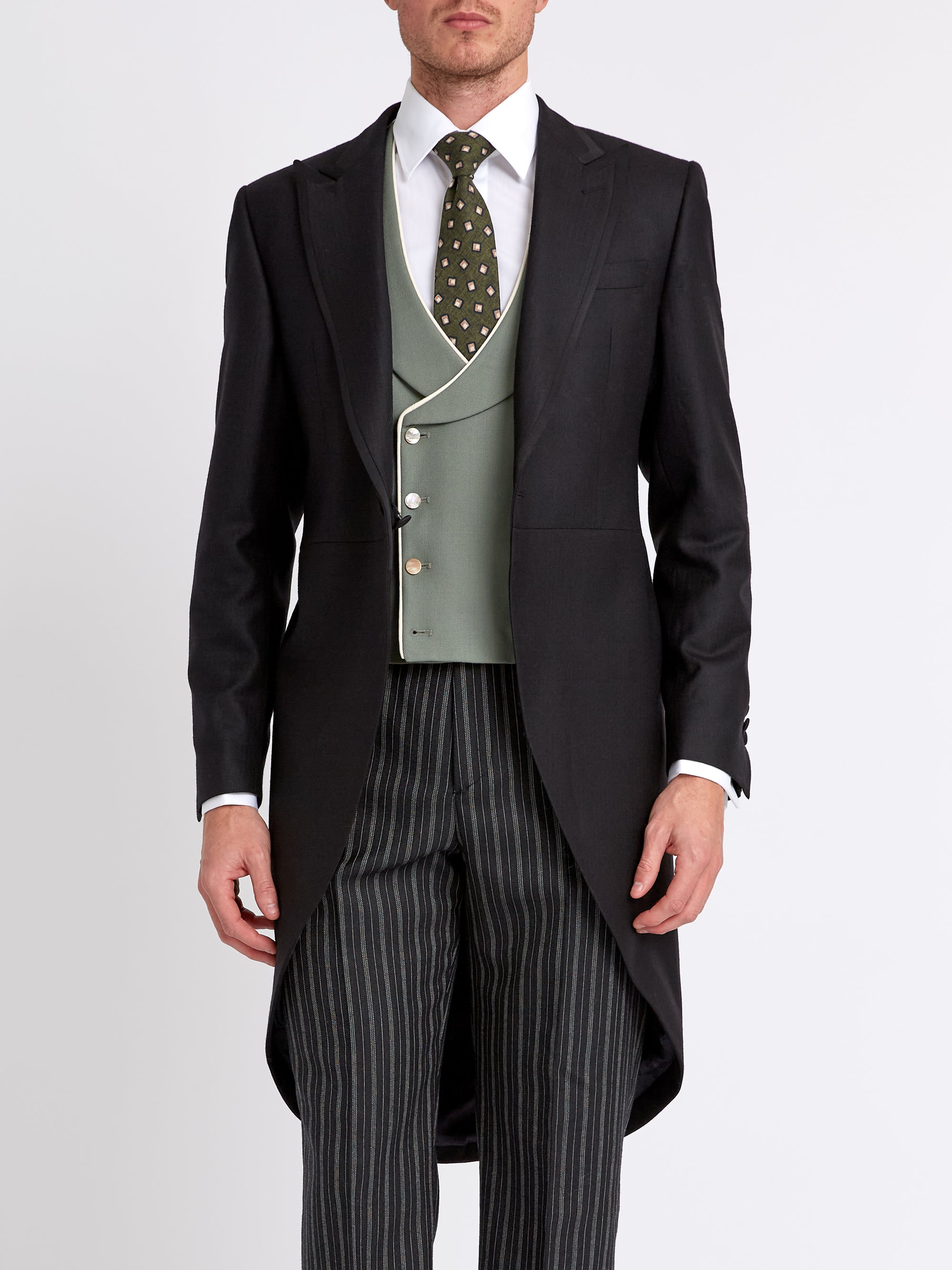
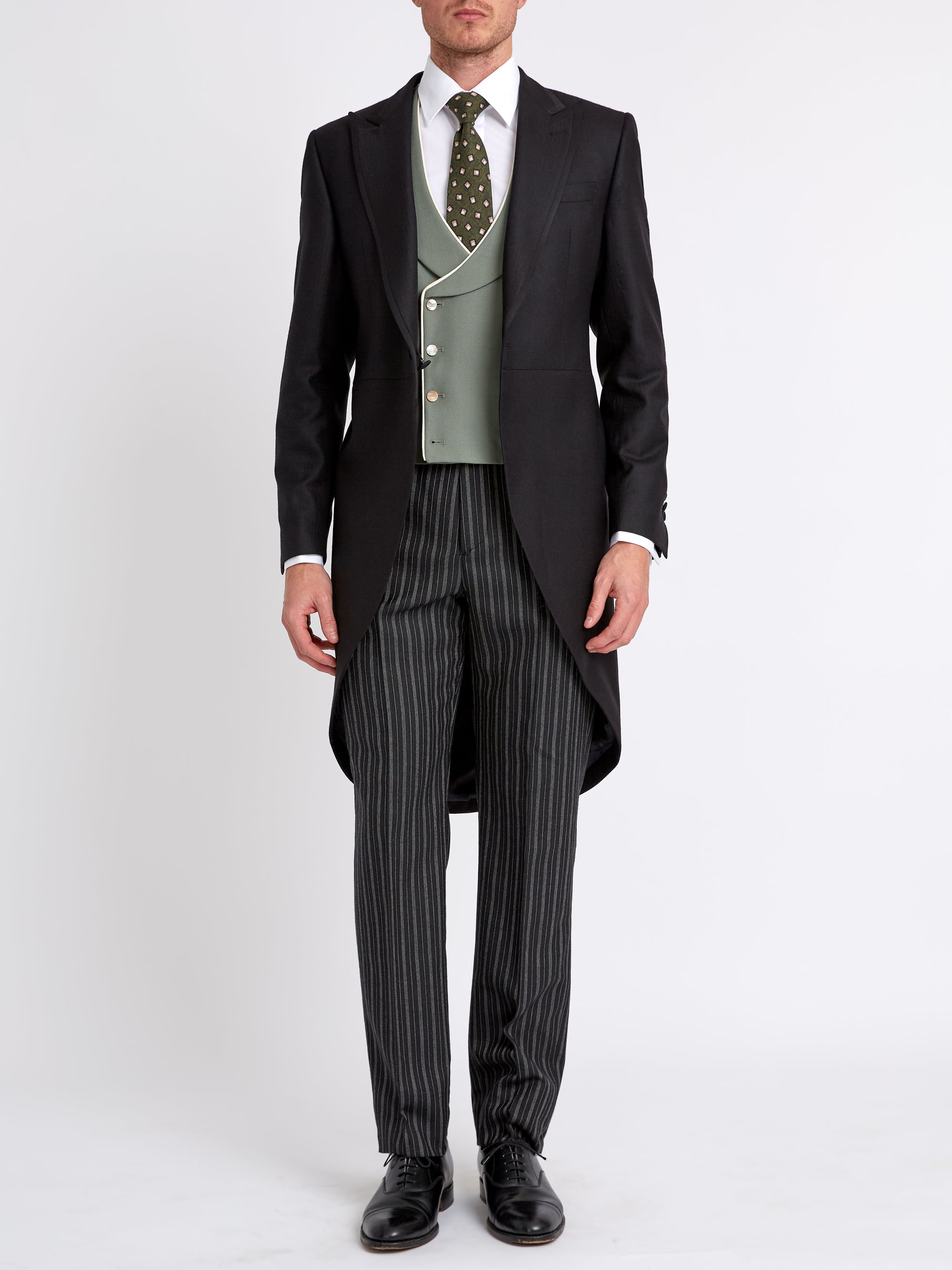
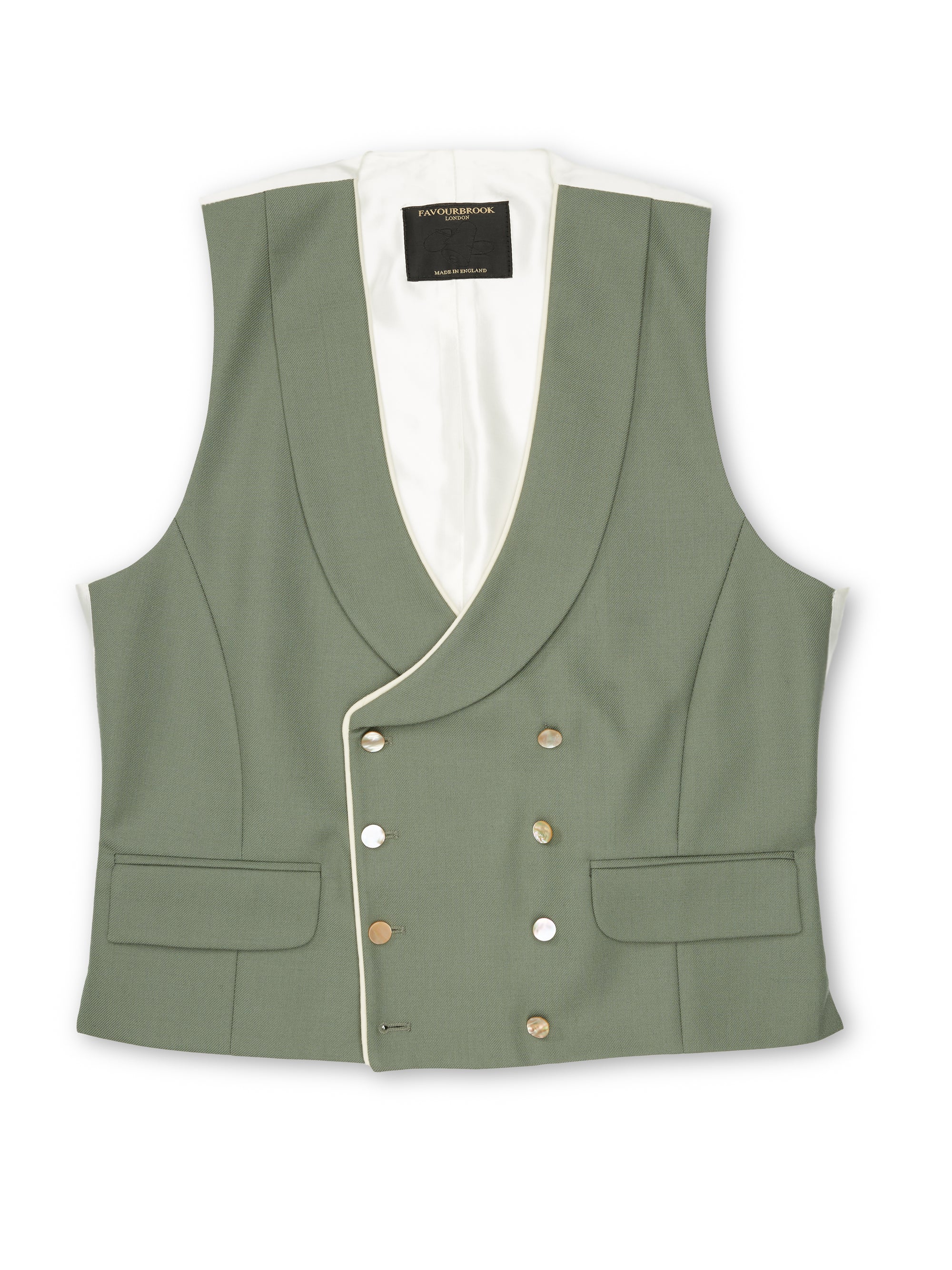
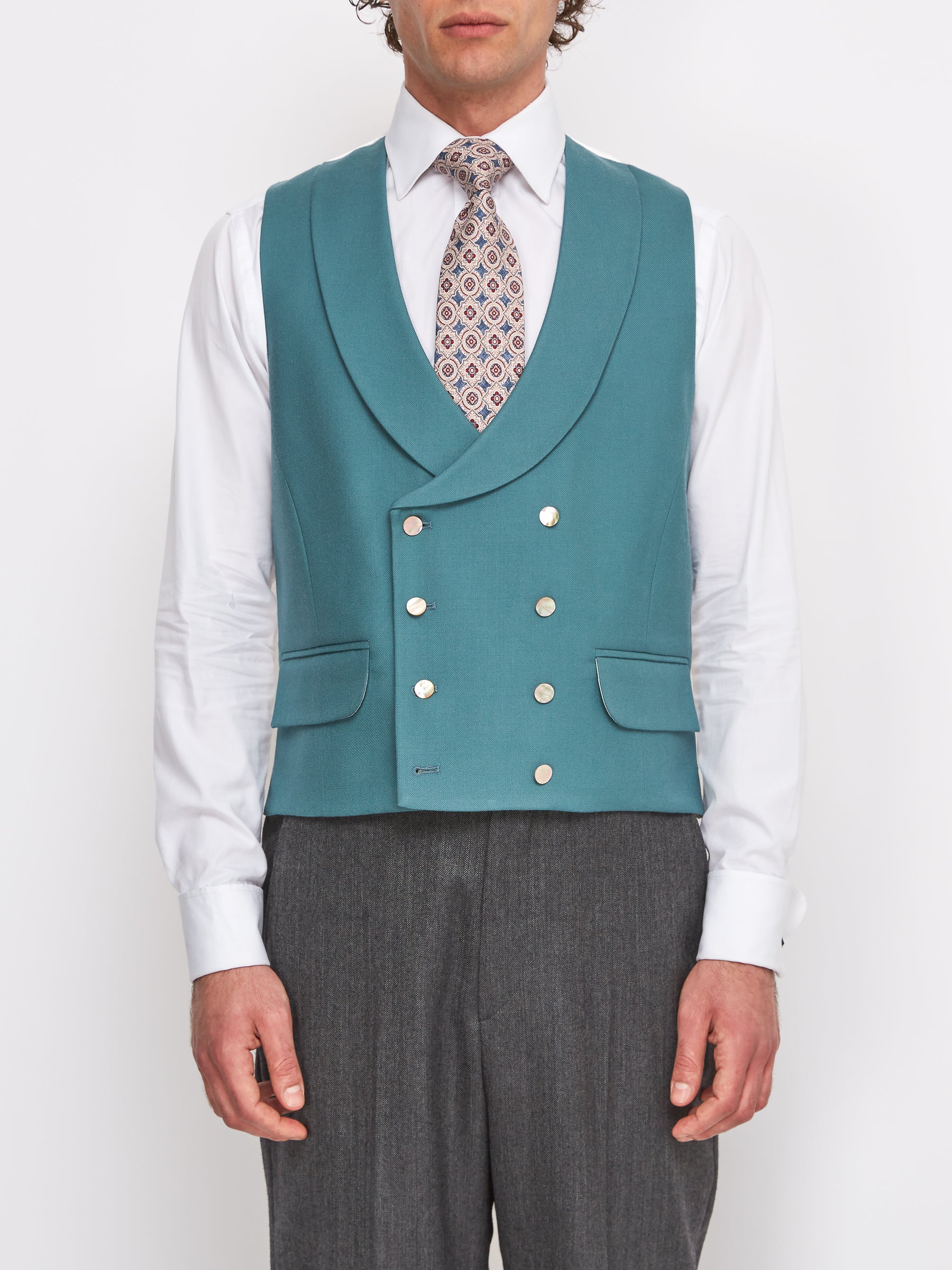
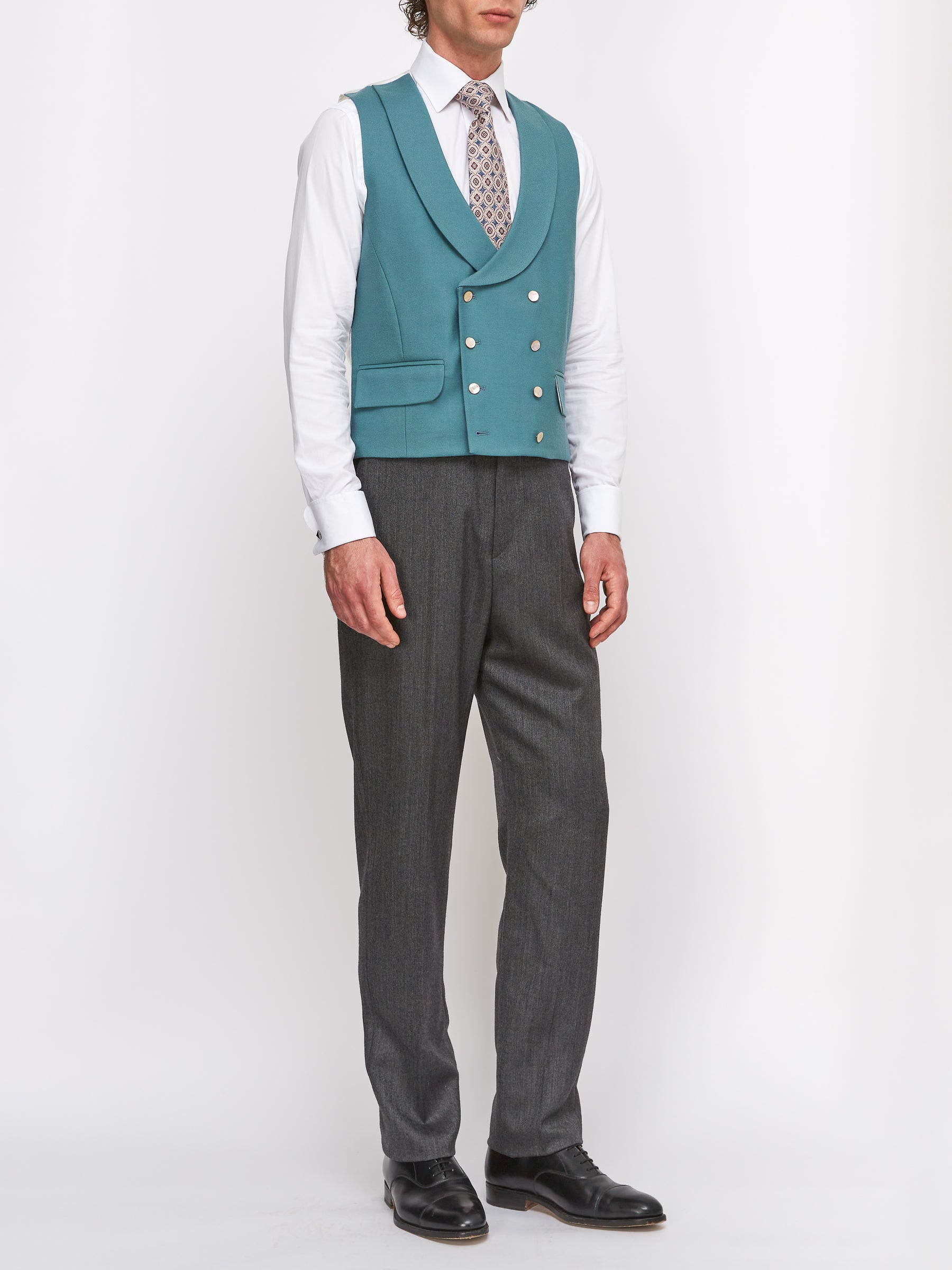
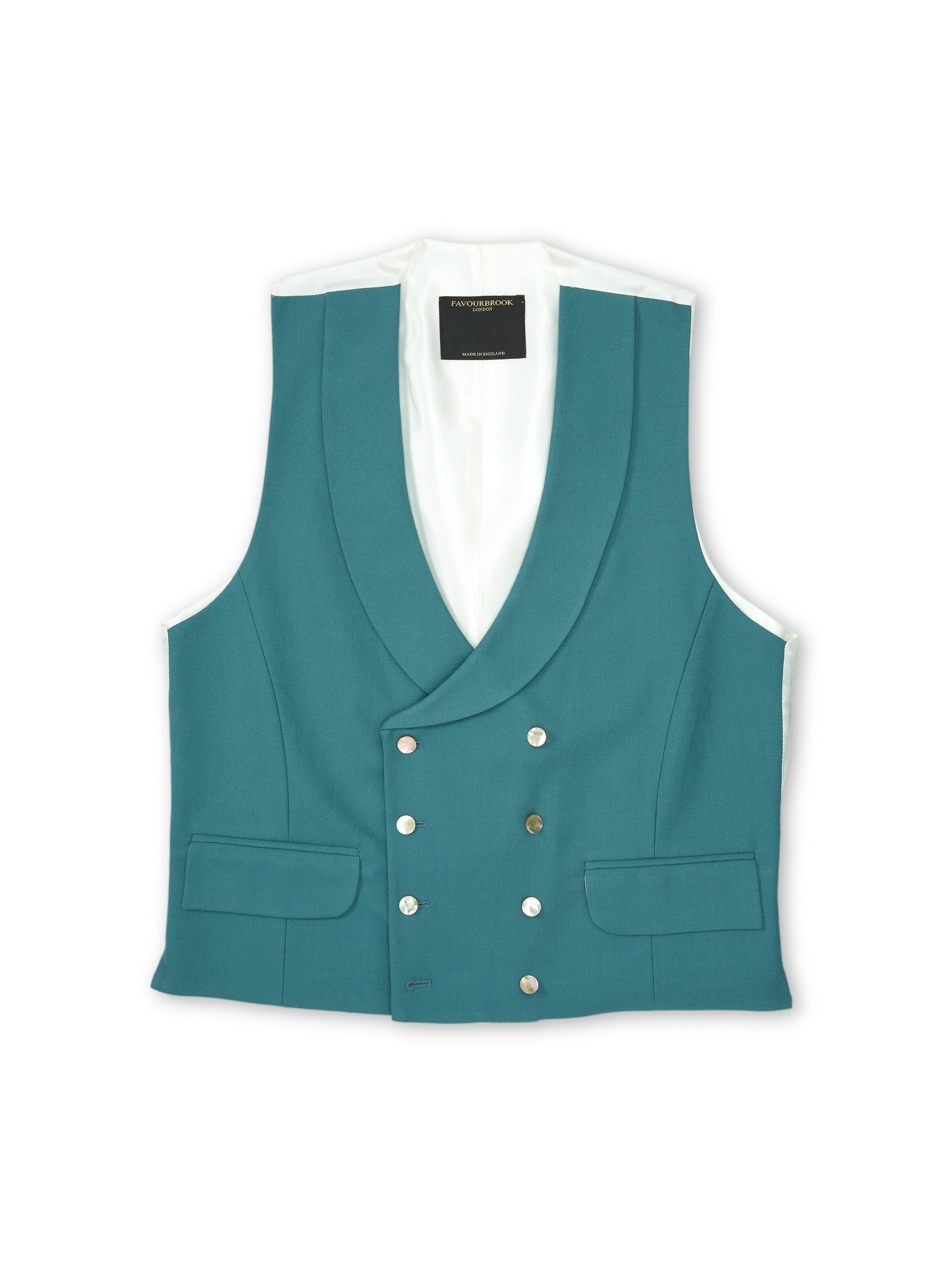
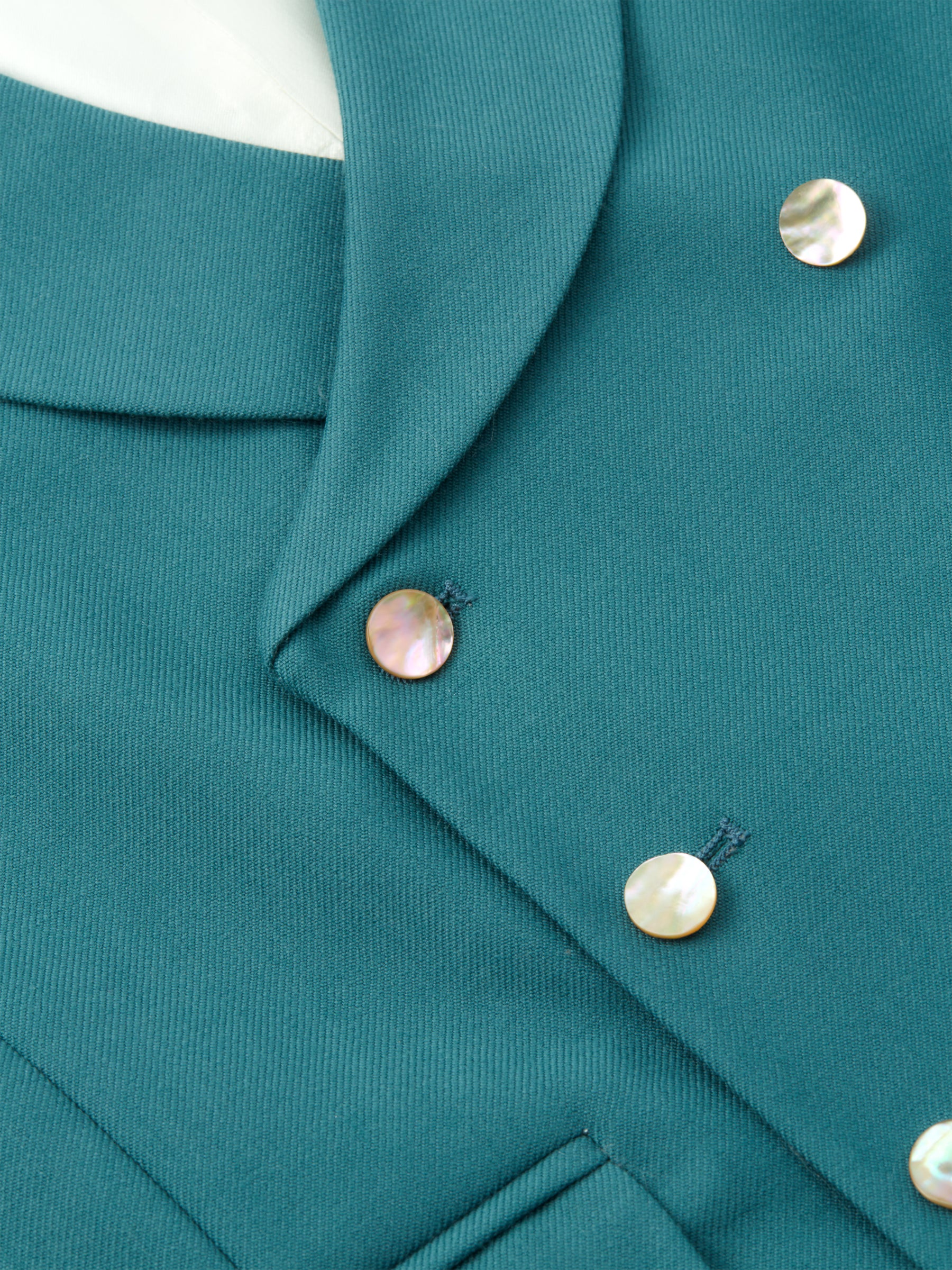
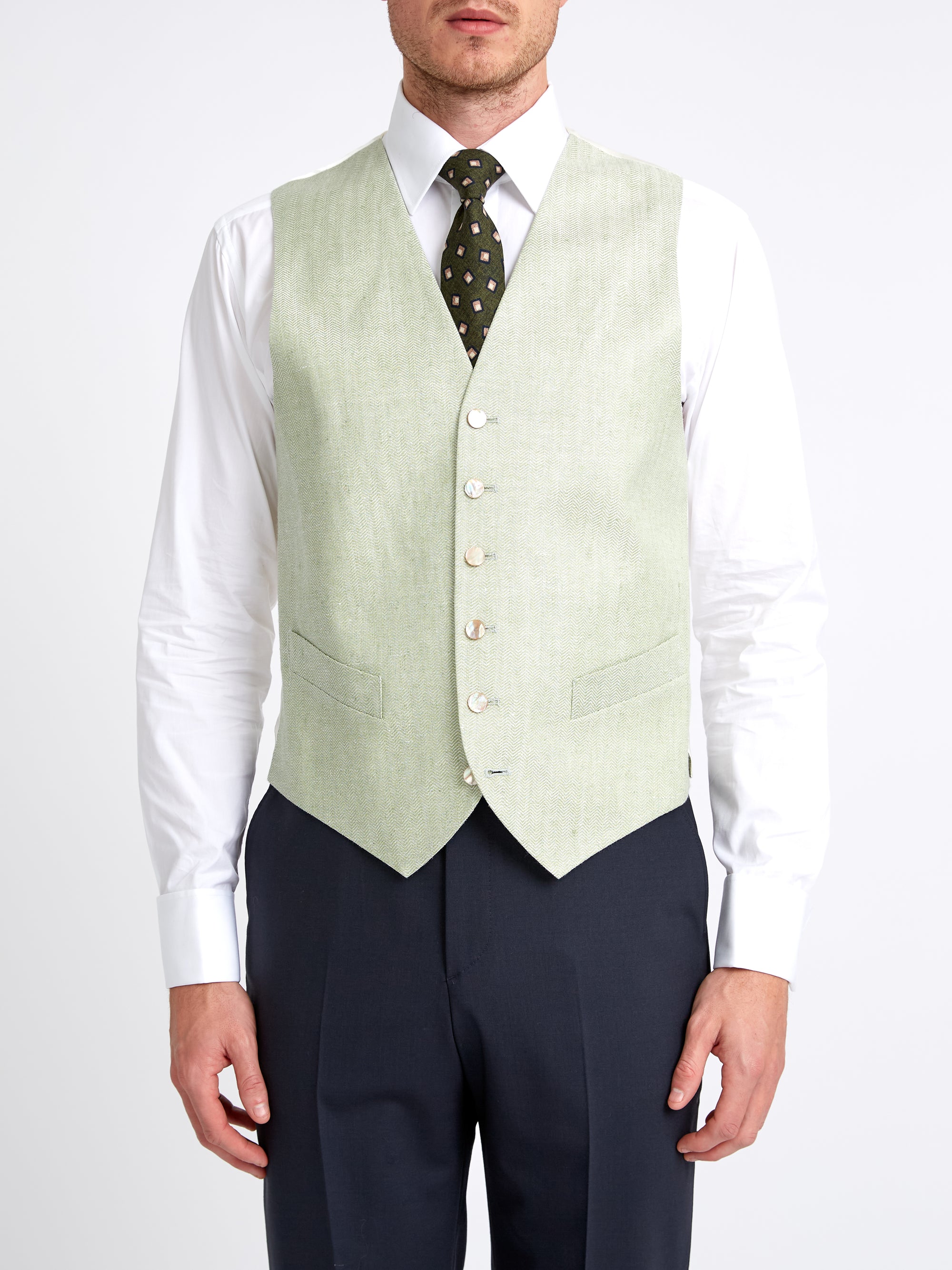
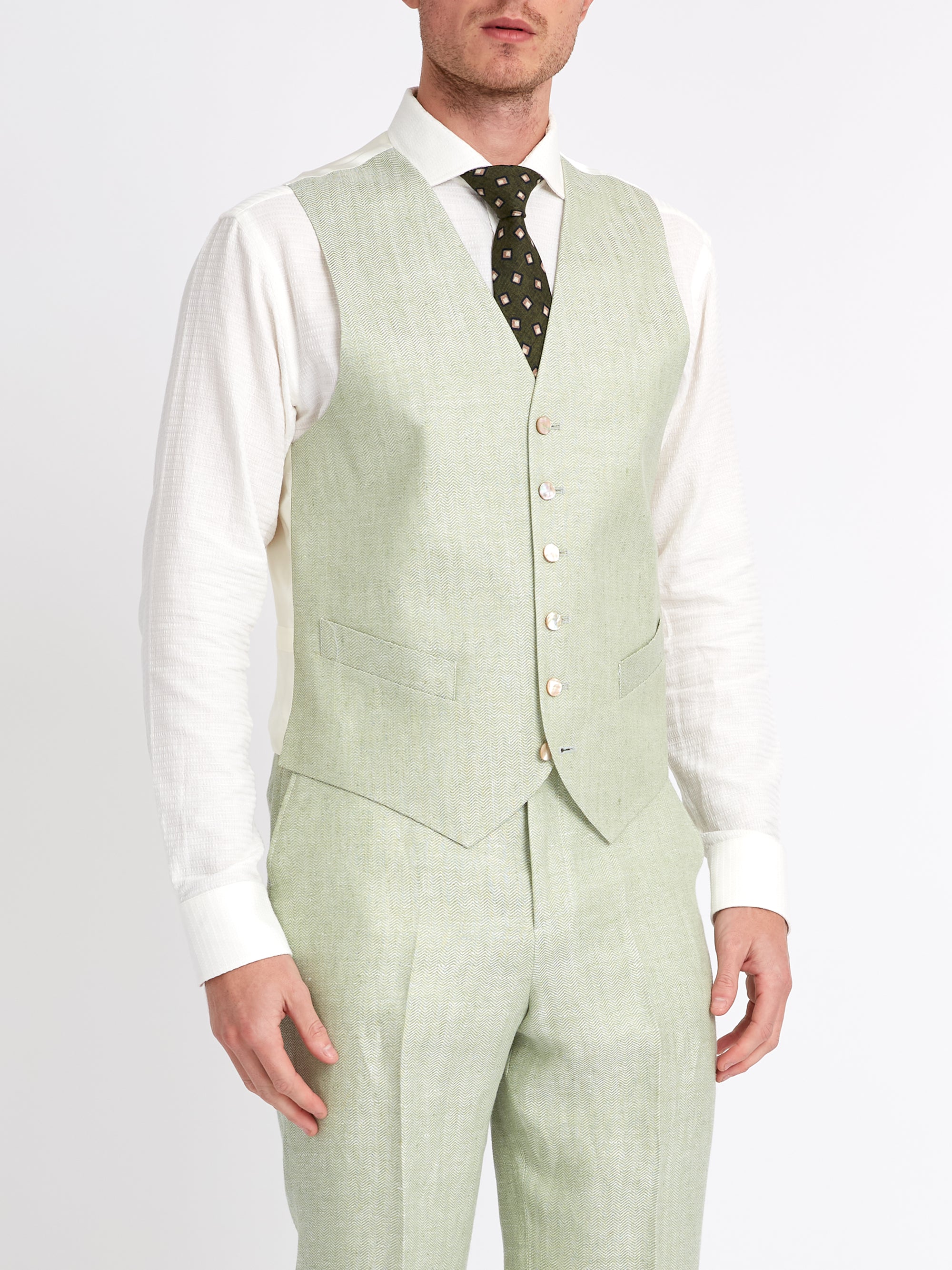
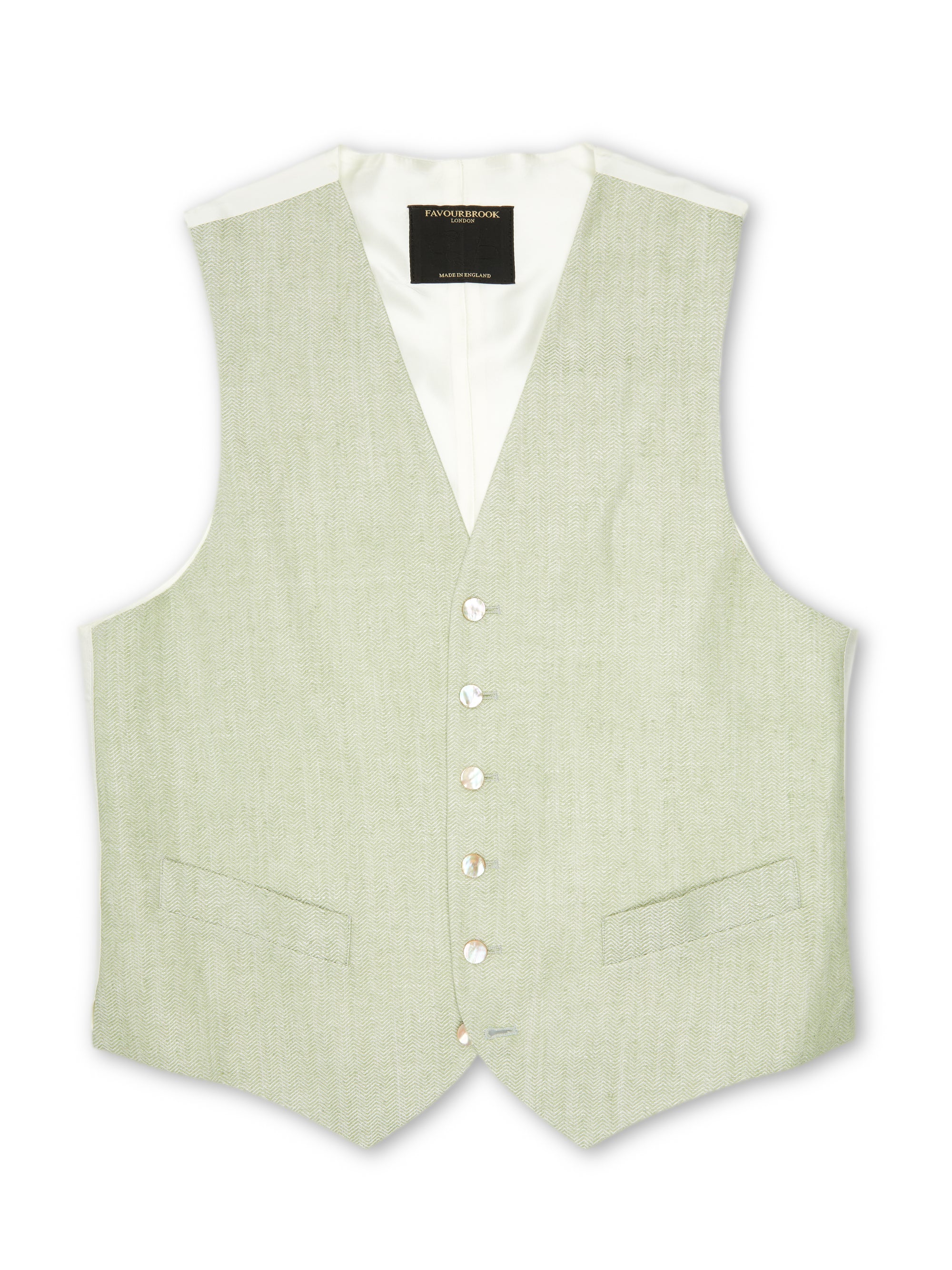
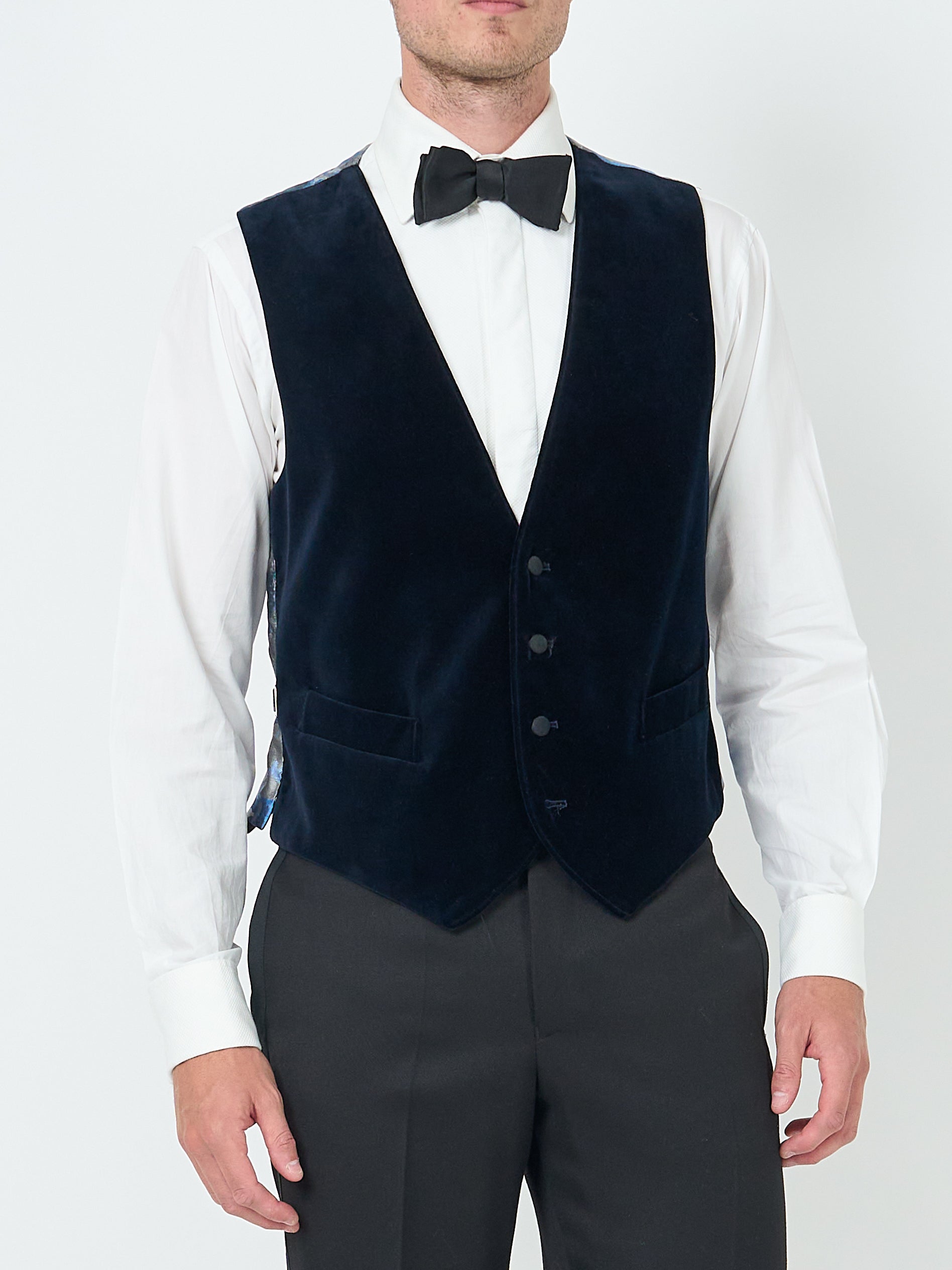
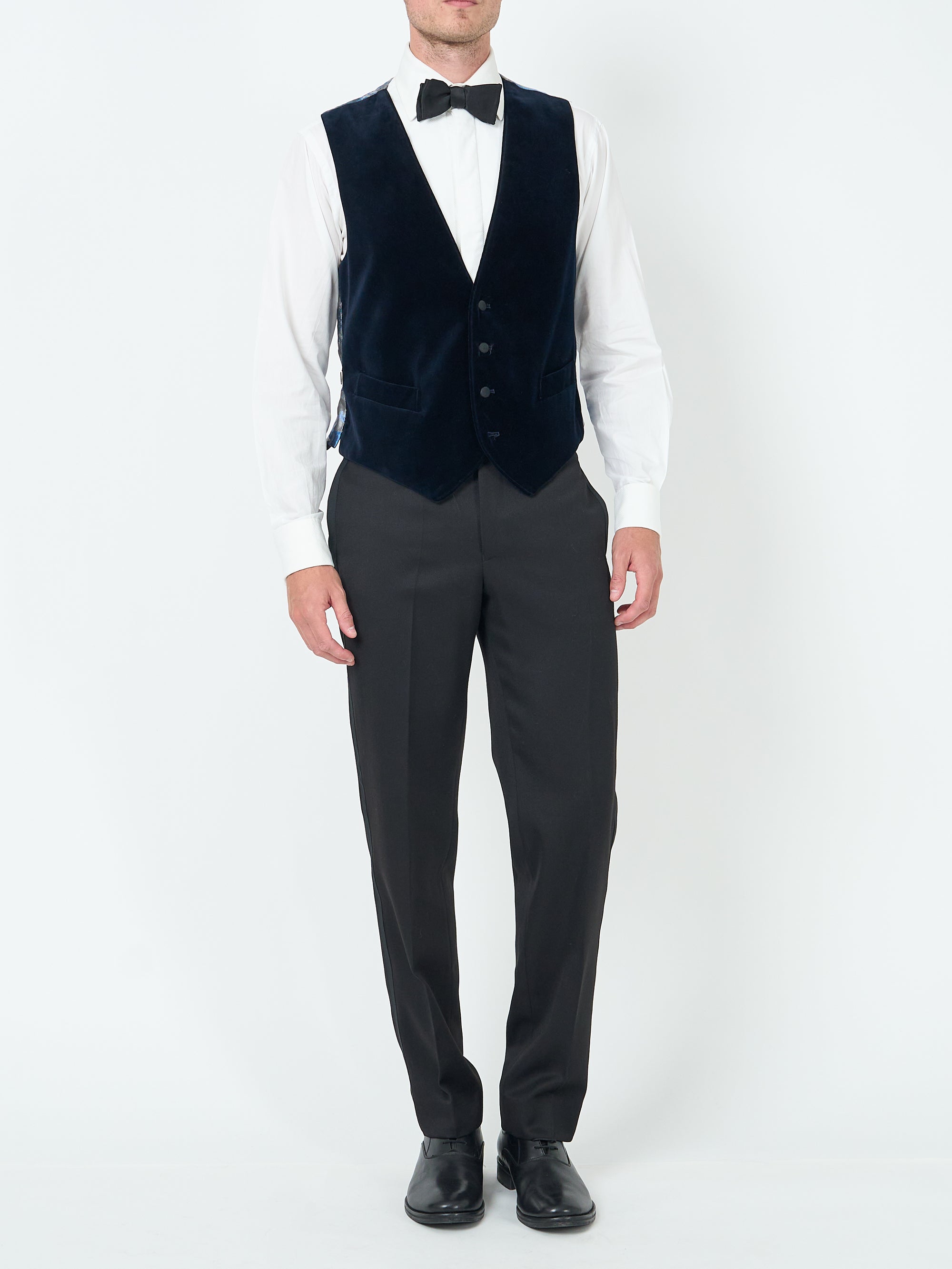
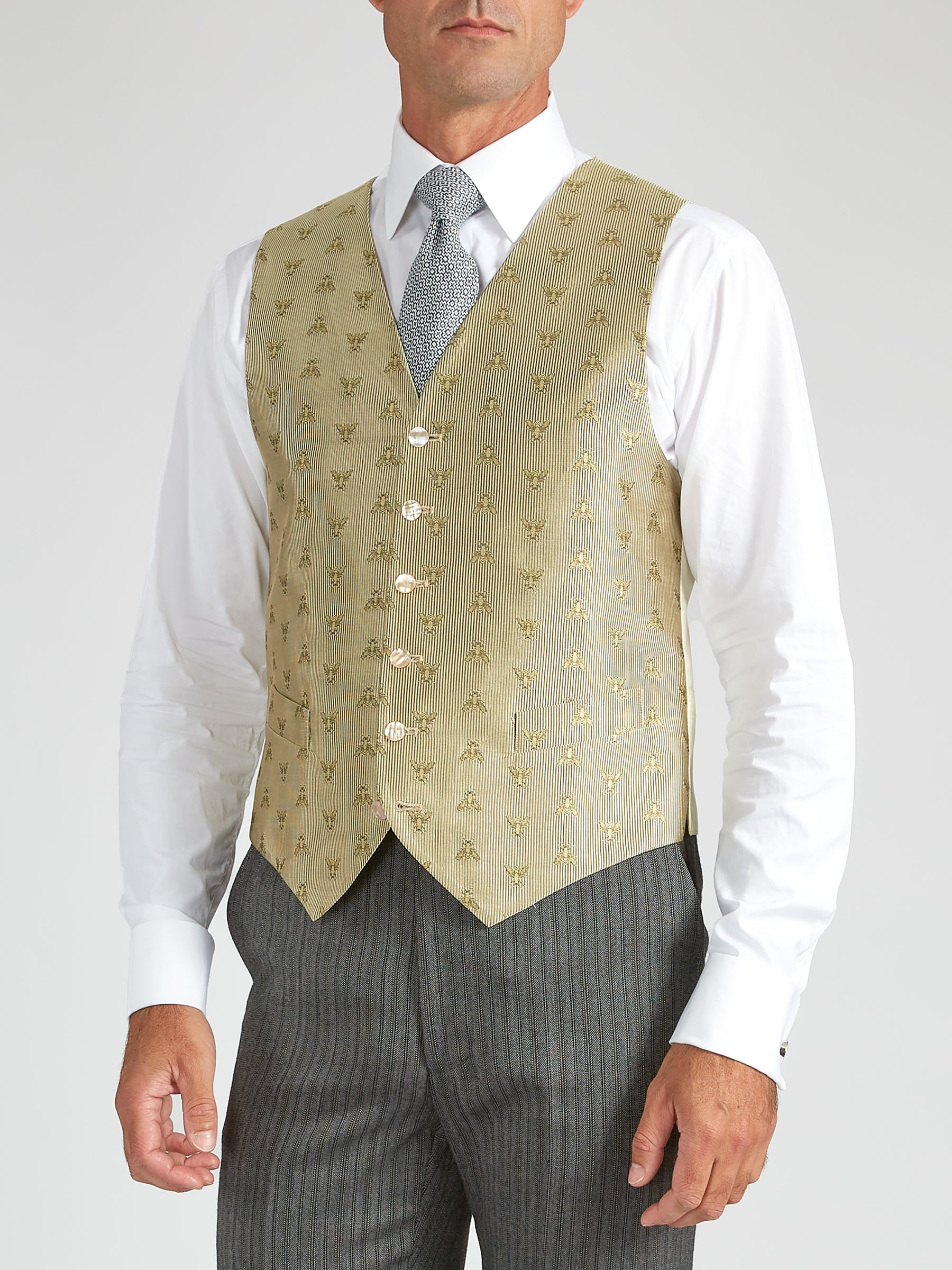
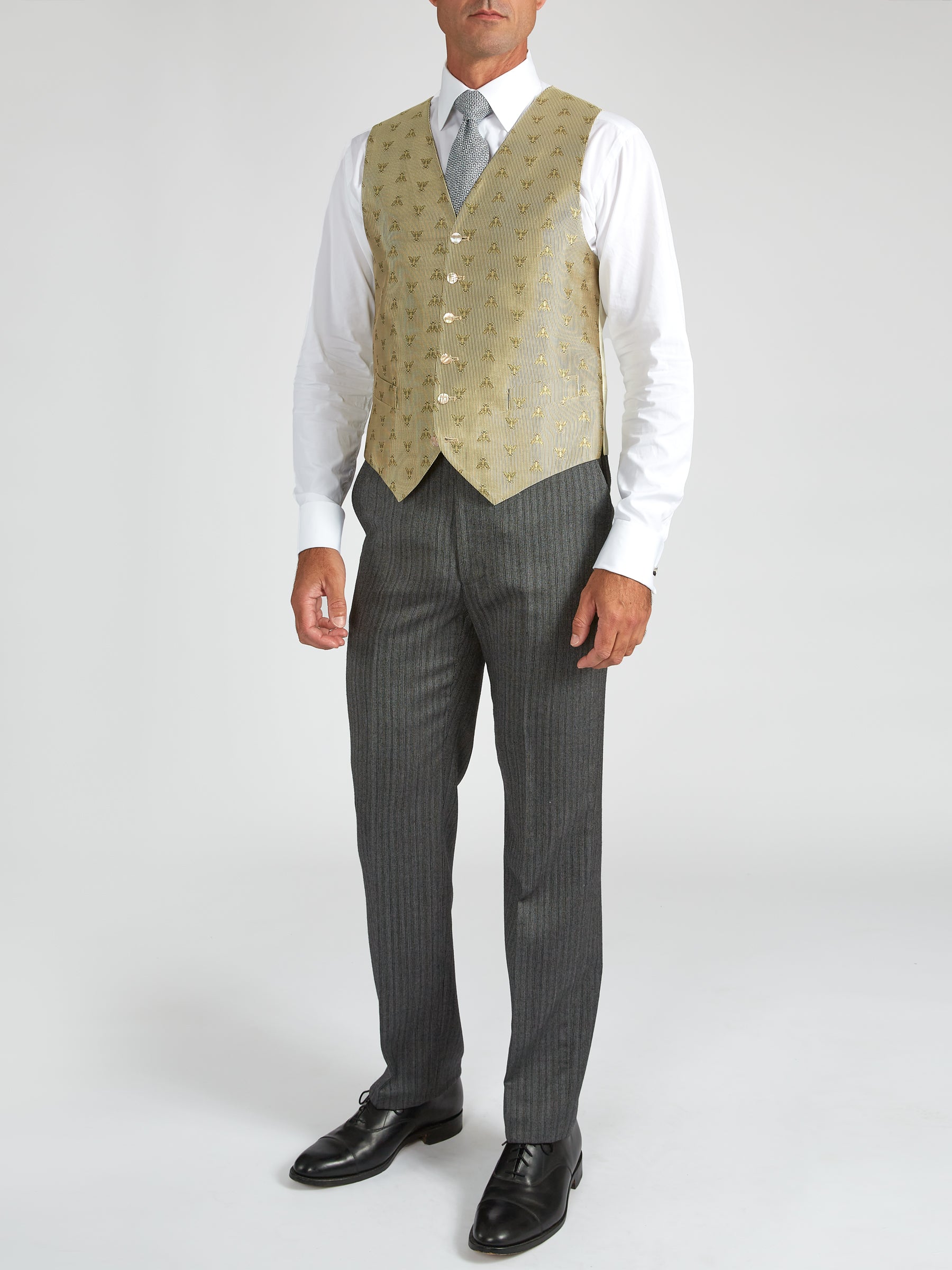
So that’s the history - here’s the nuts and bolts of choosing one for whatever occasion you might need it for. The first thing to consider is the style - single or double-breasted. The latter is typically considered the more formal option of the two and comes with a squared-off finish at the waist as opposed to the single-breasted versions angular front. The DB will in almost all instances come with a shawl lapel which accentuates the lovely sweep of the cut and is ideal if you have broad shoulders and are of a medium build. The single-breasted style will be better suited to slimmer chaps. 

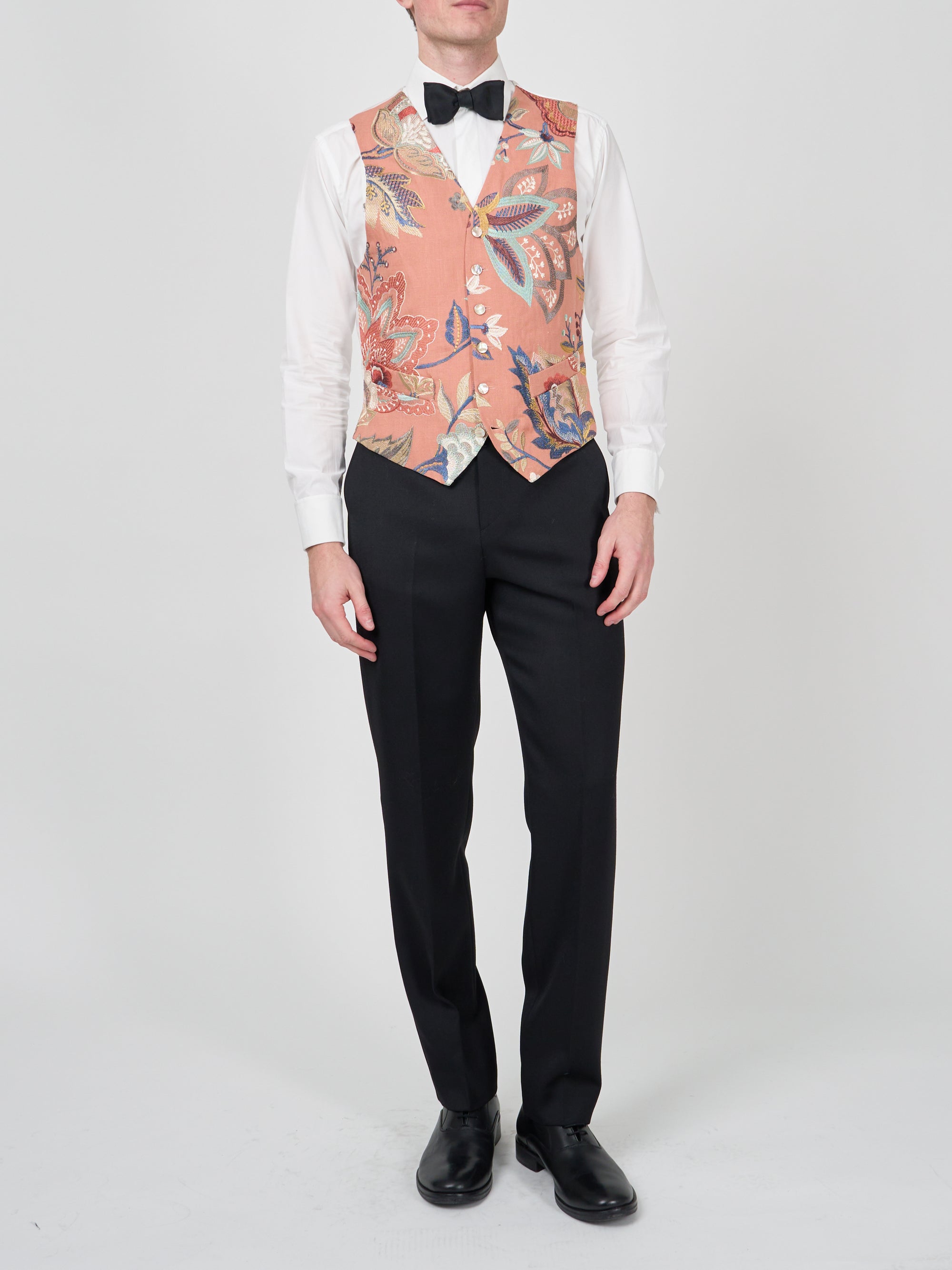
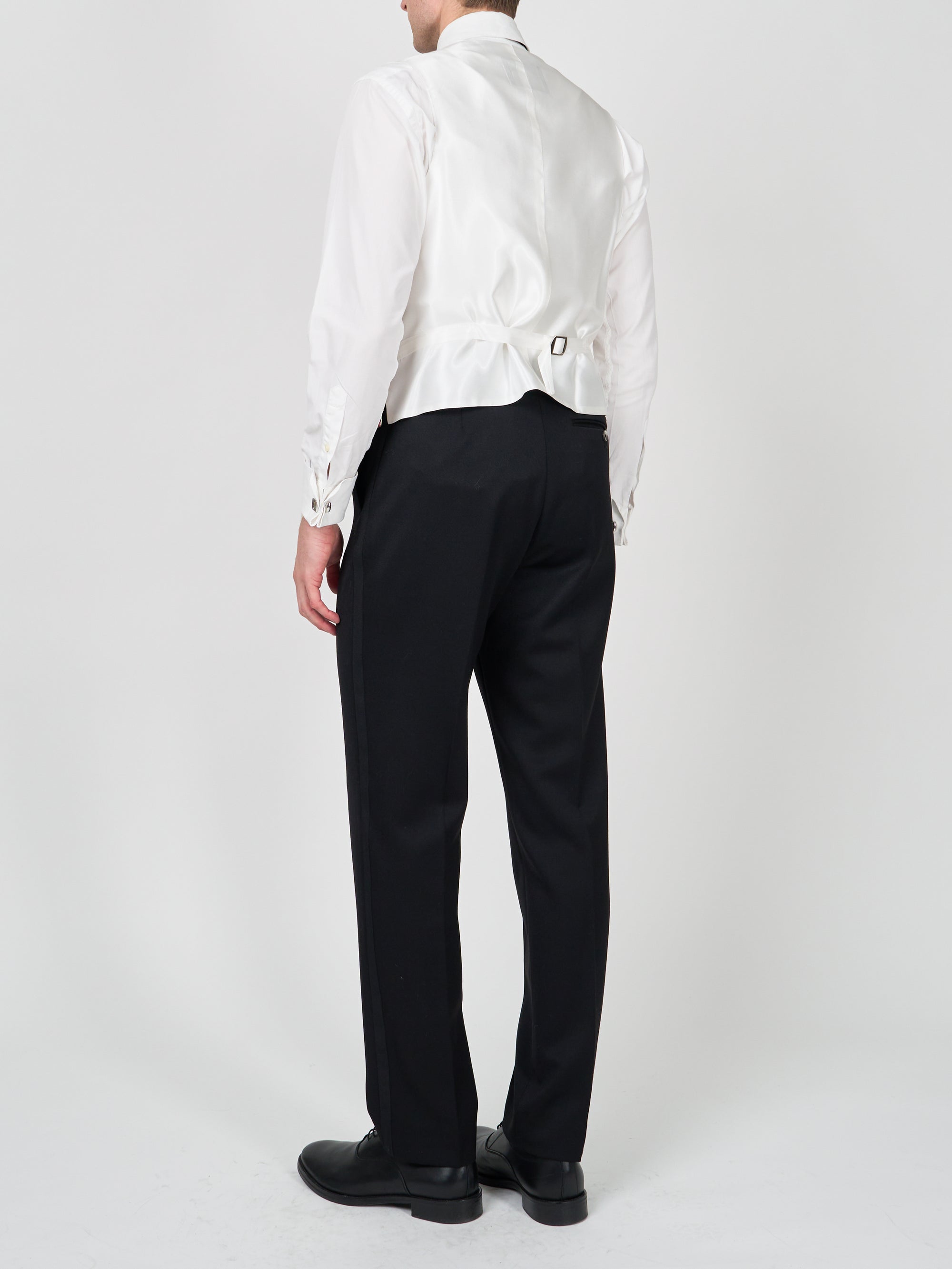
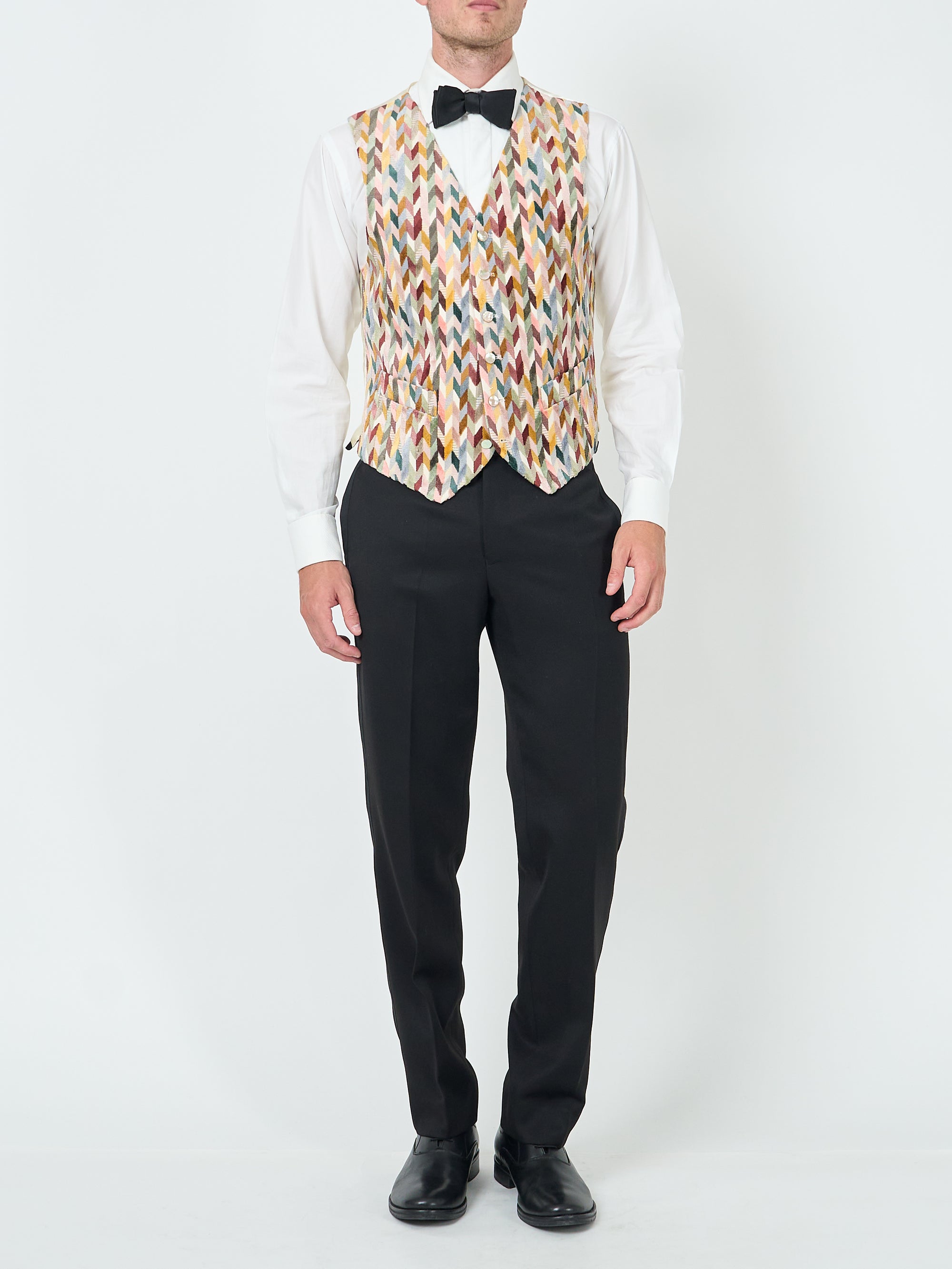
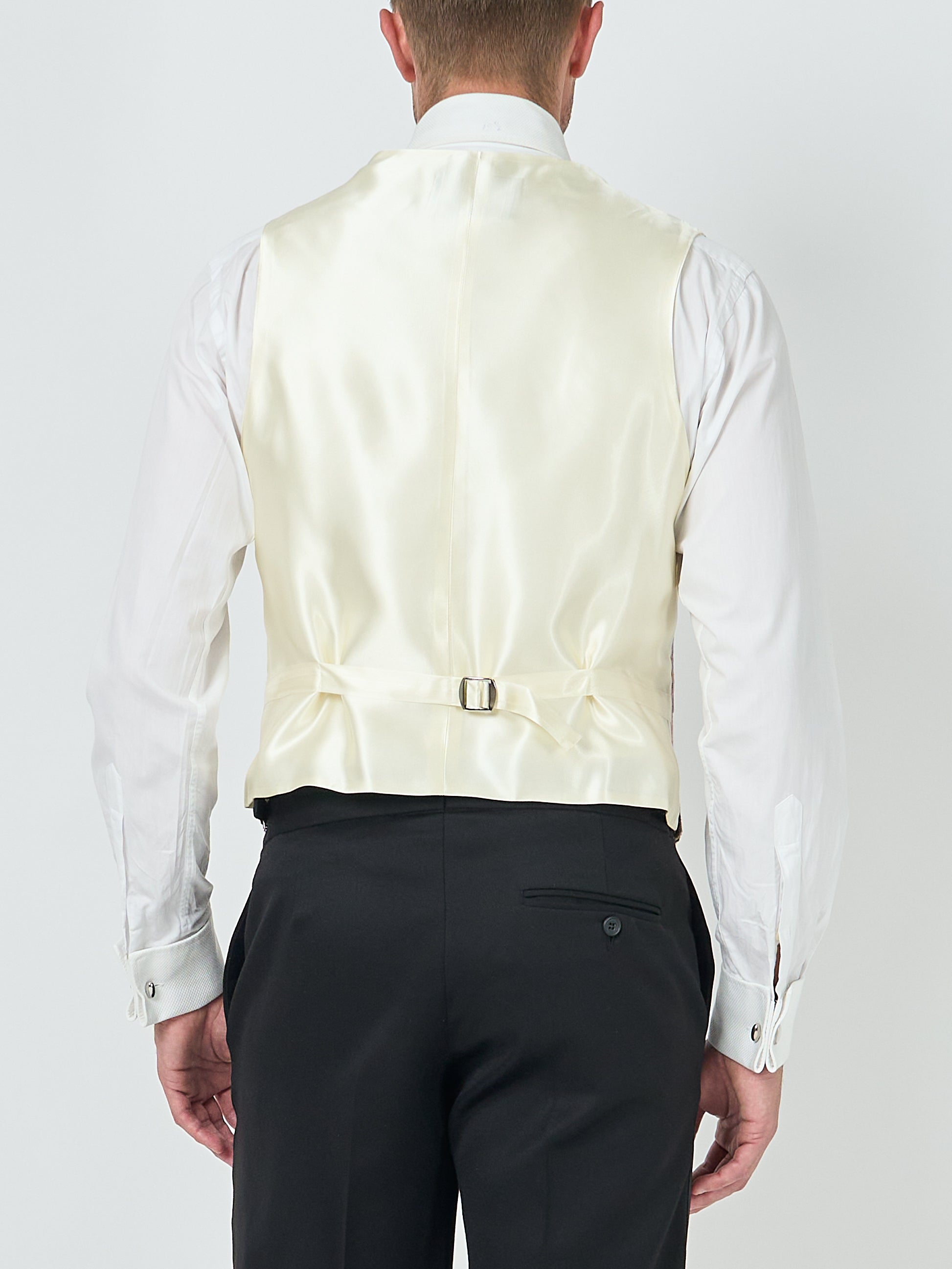
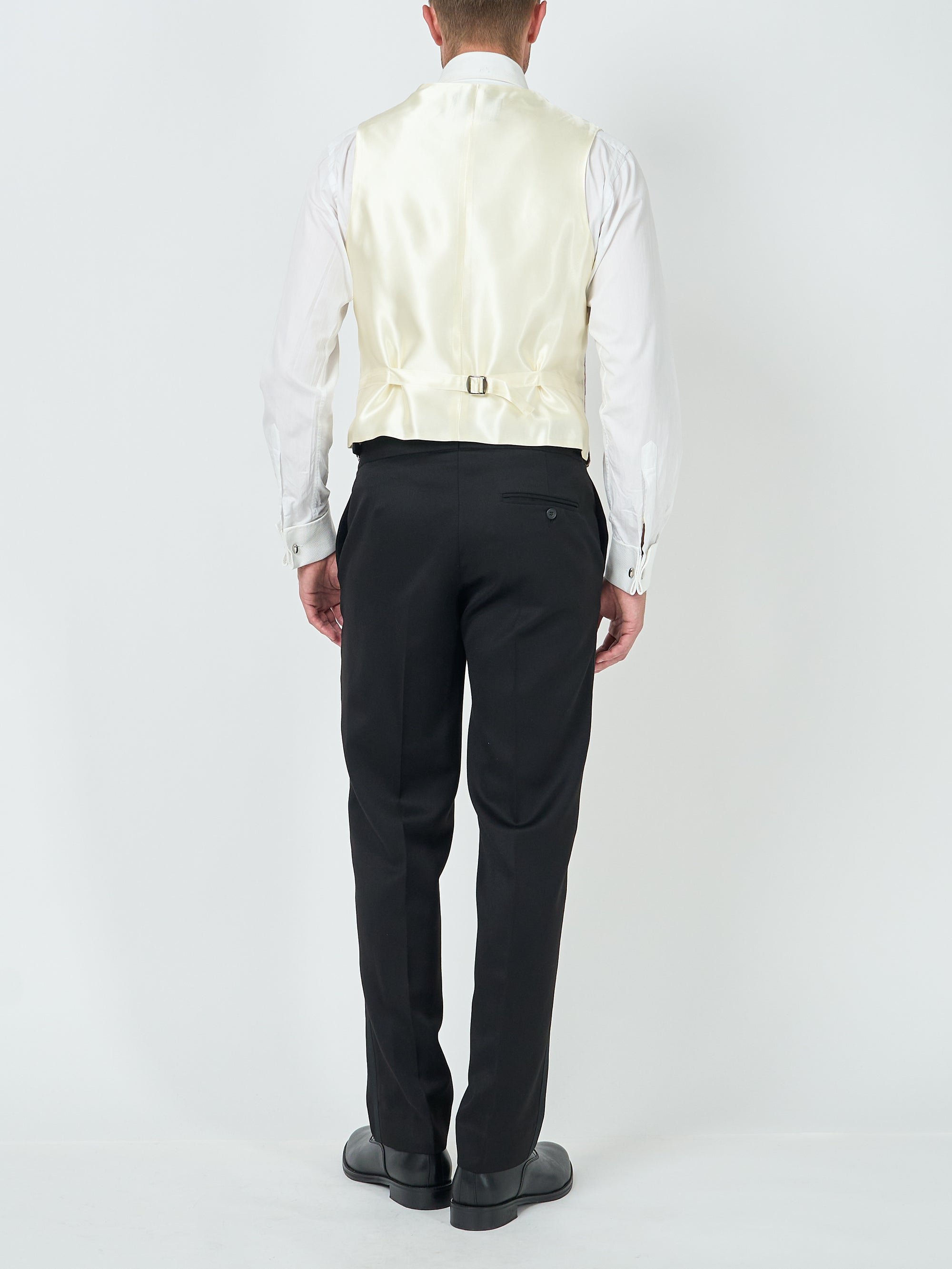
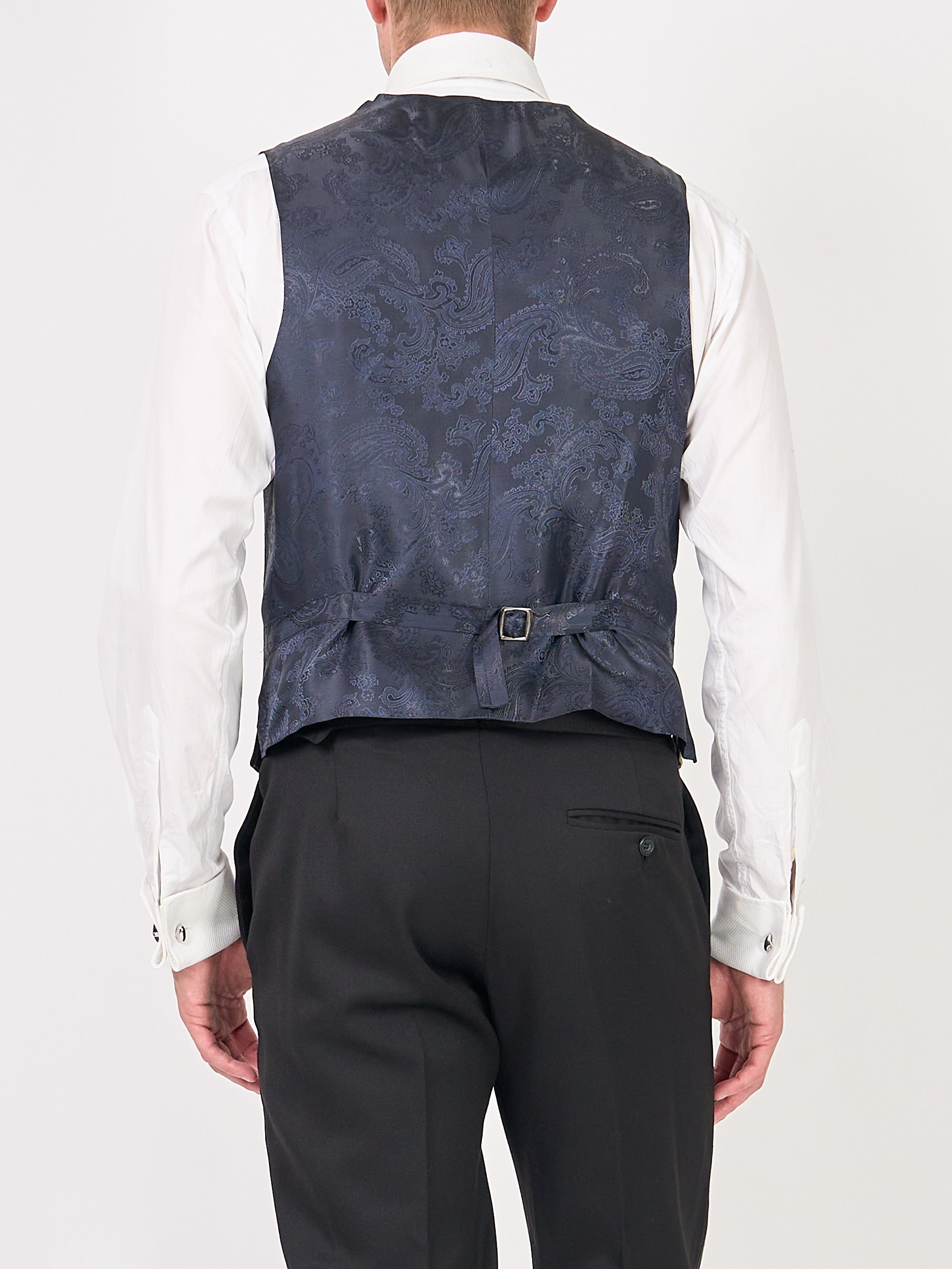
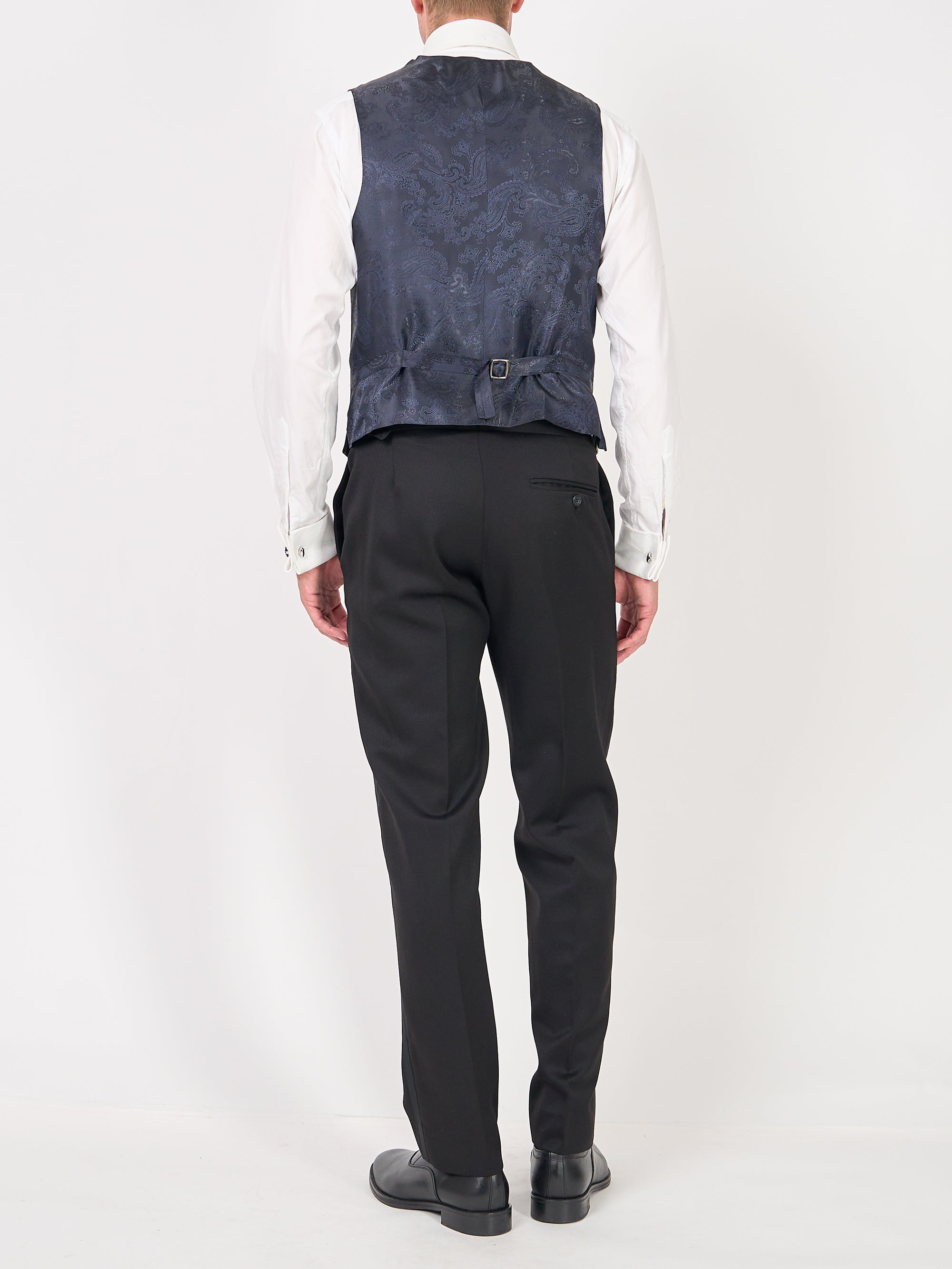
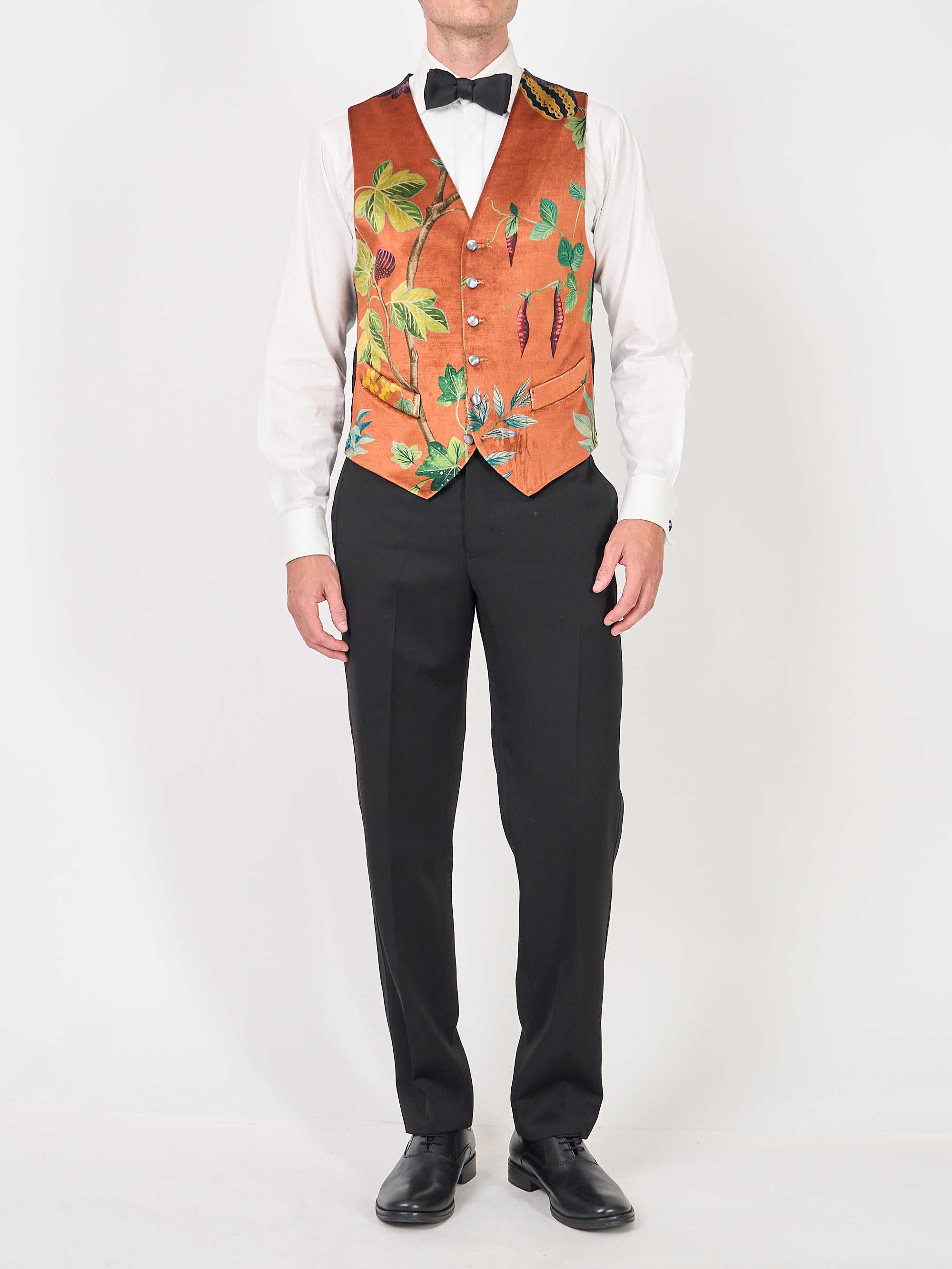
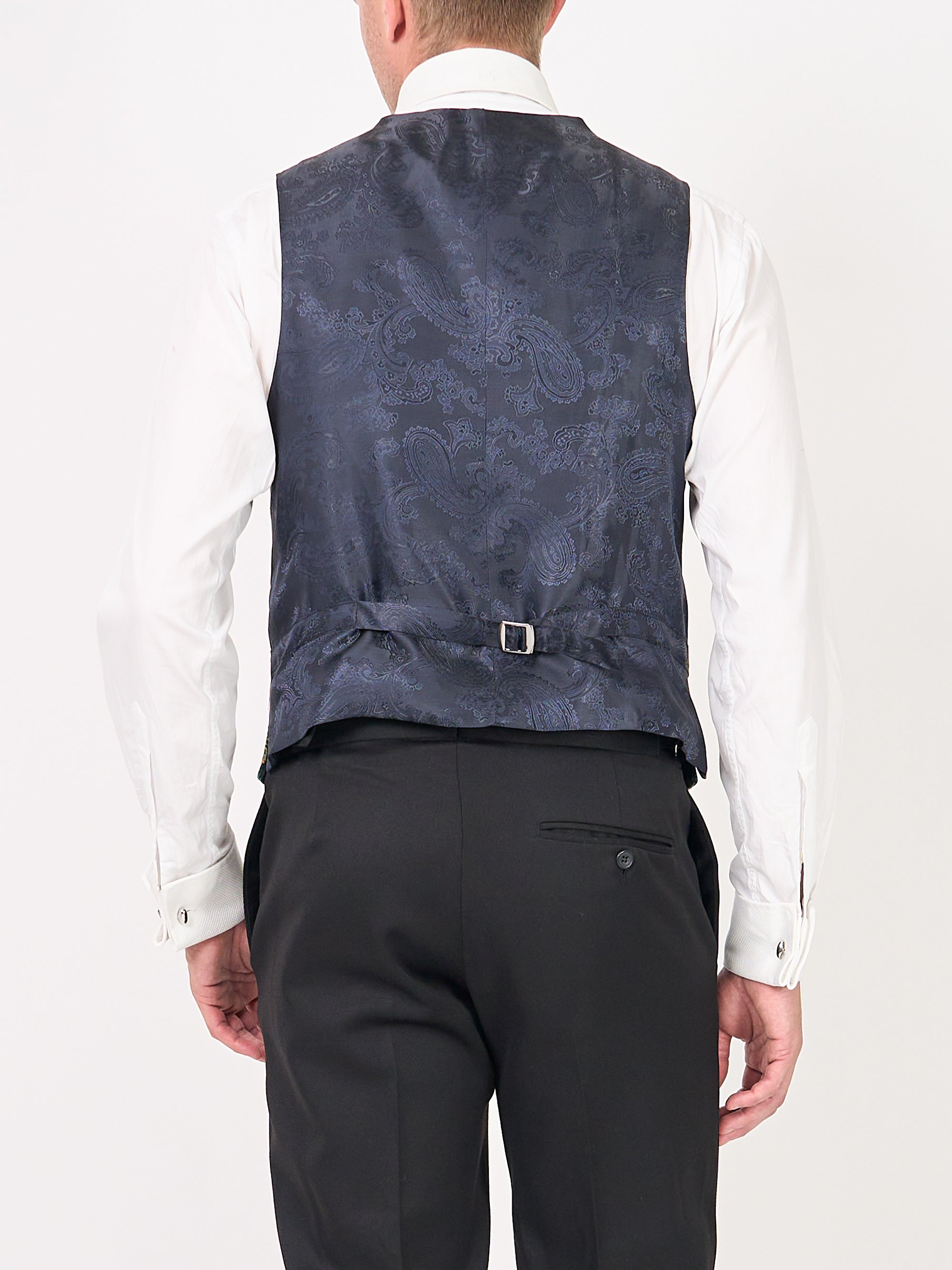
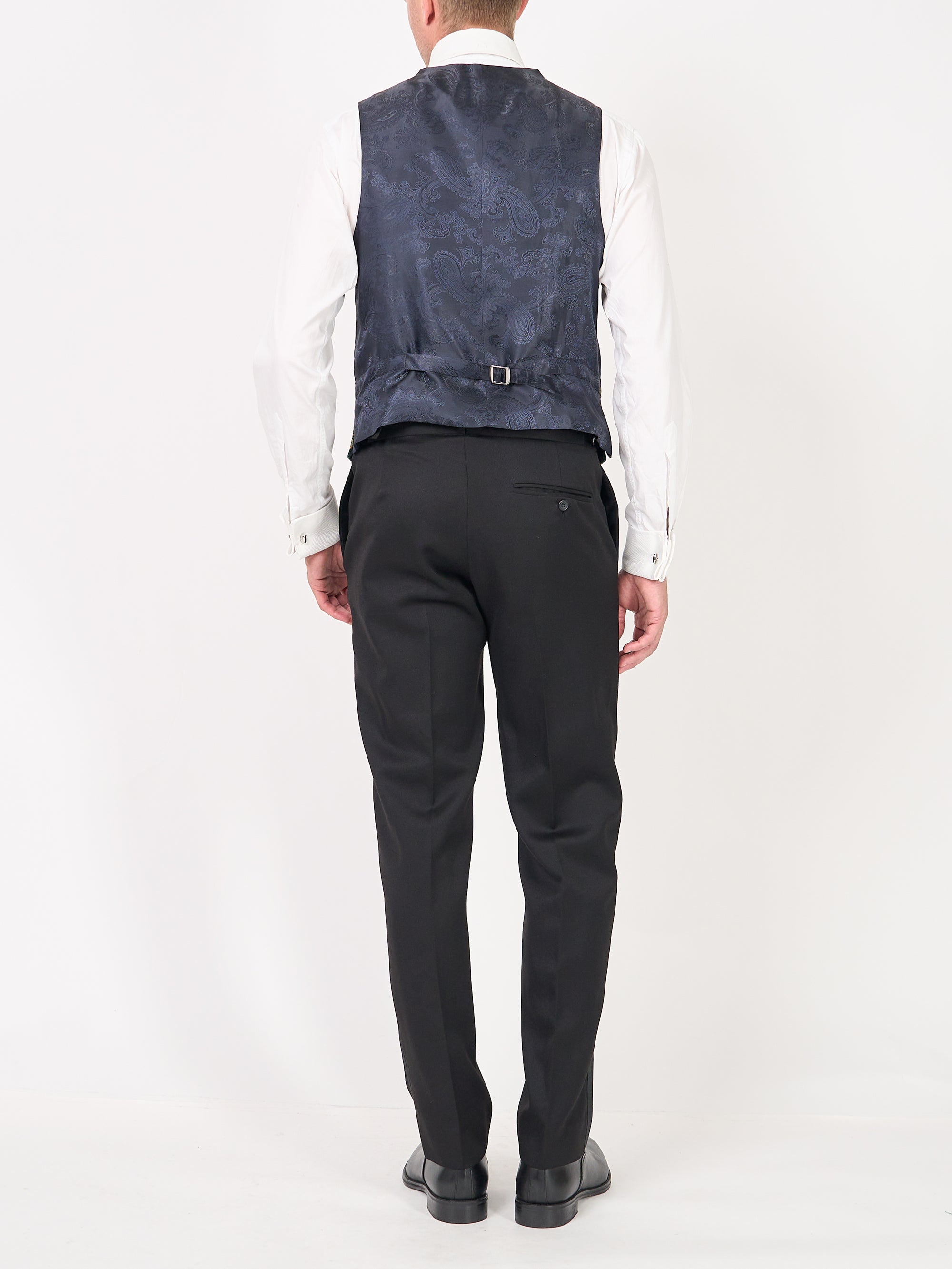
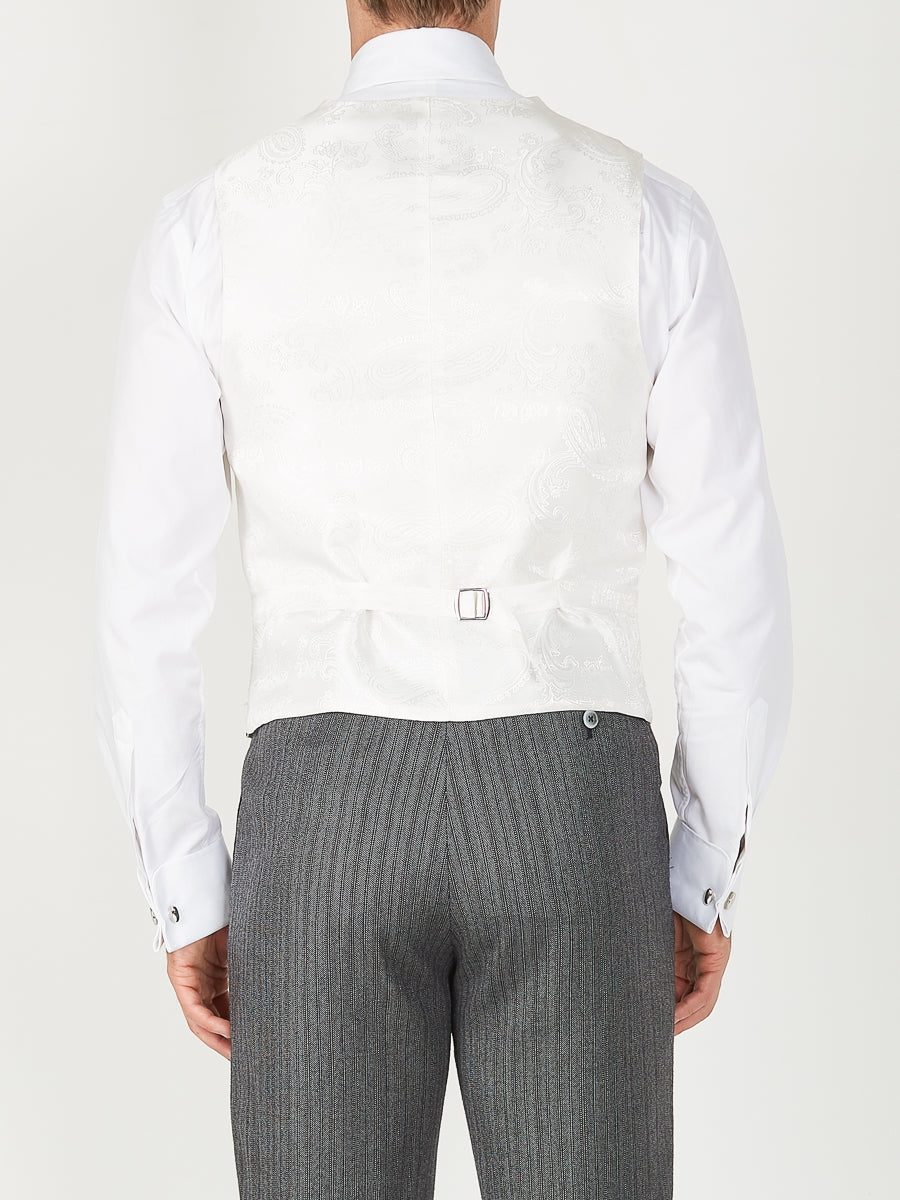
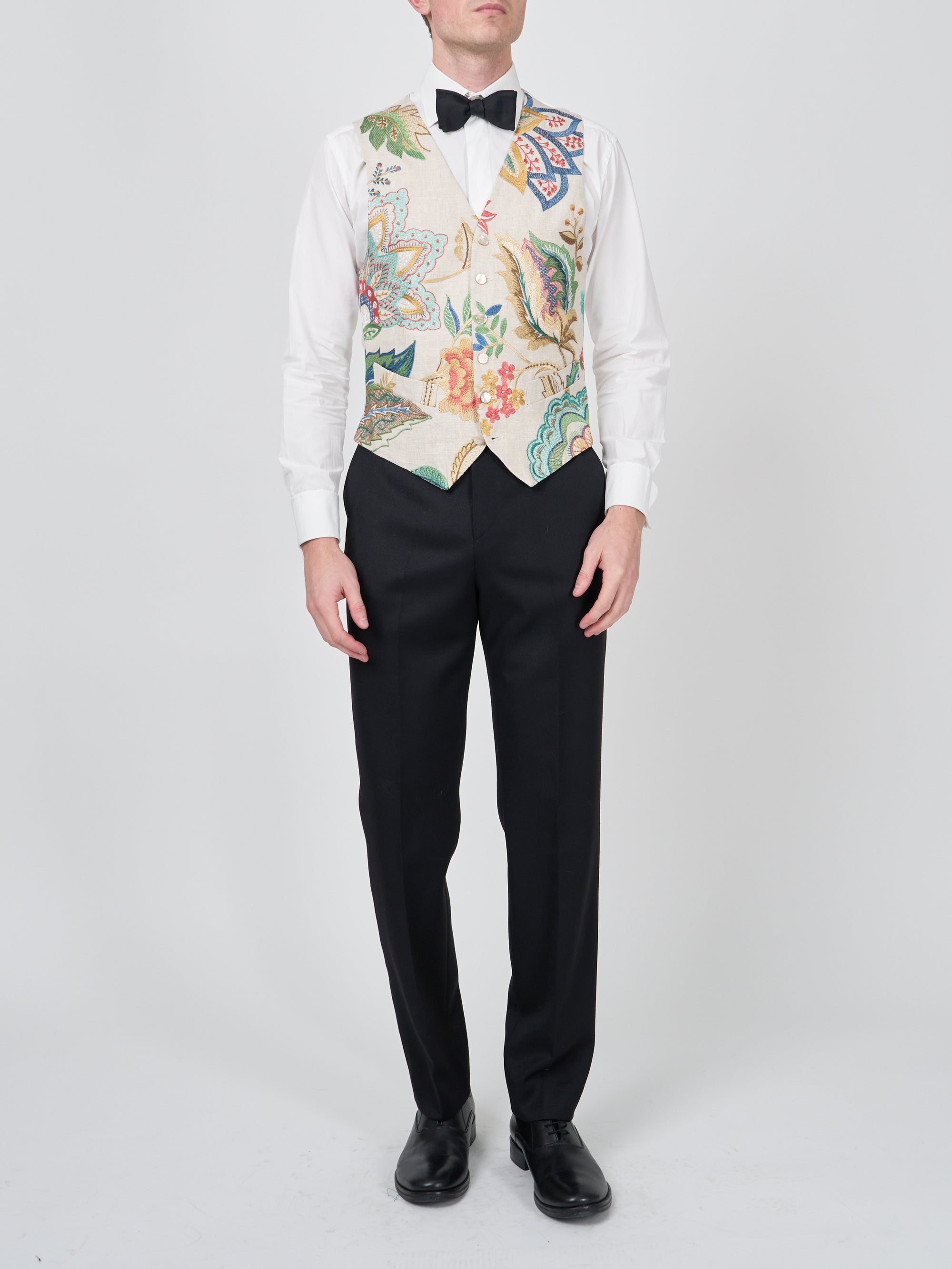
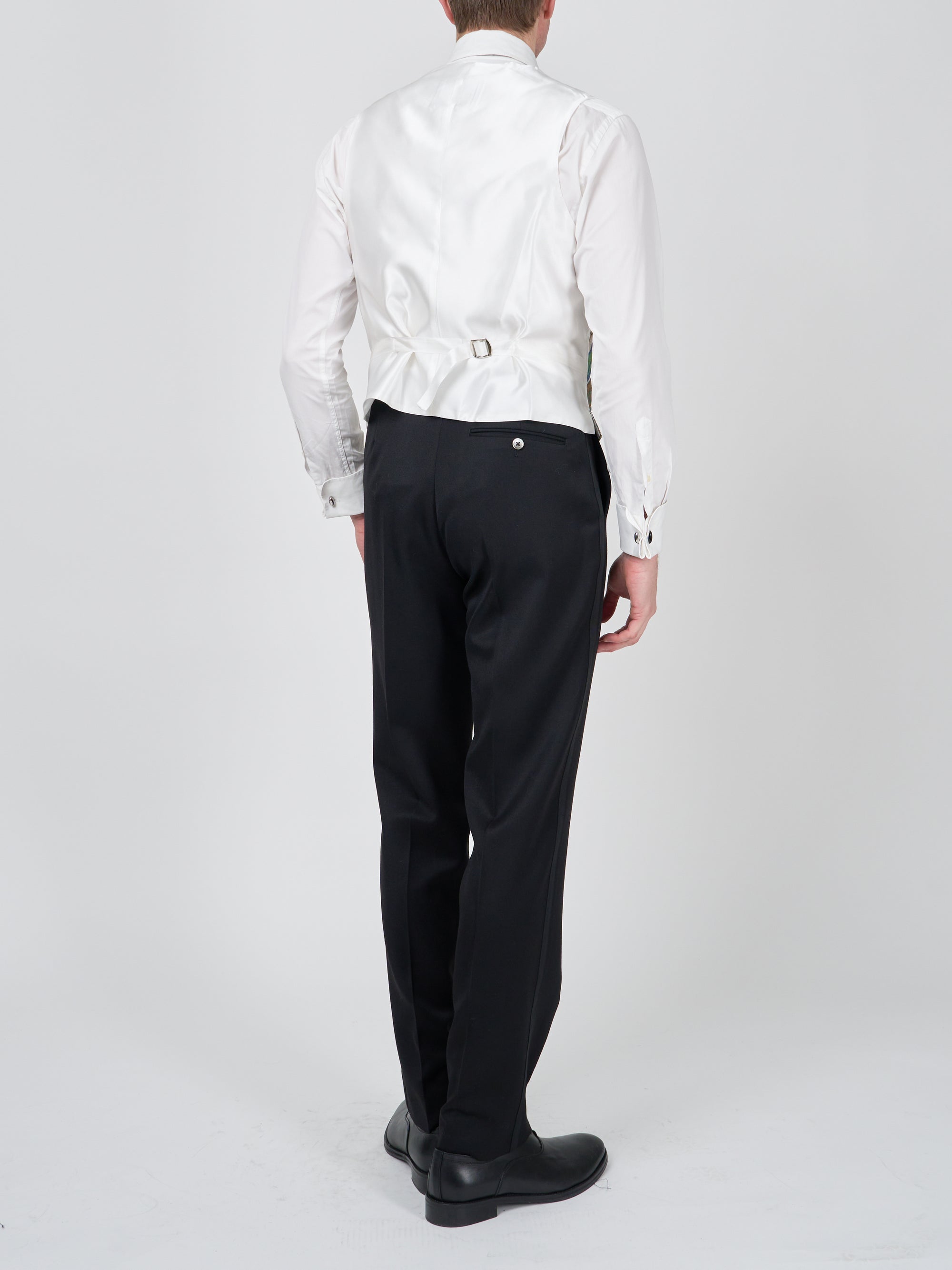
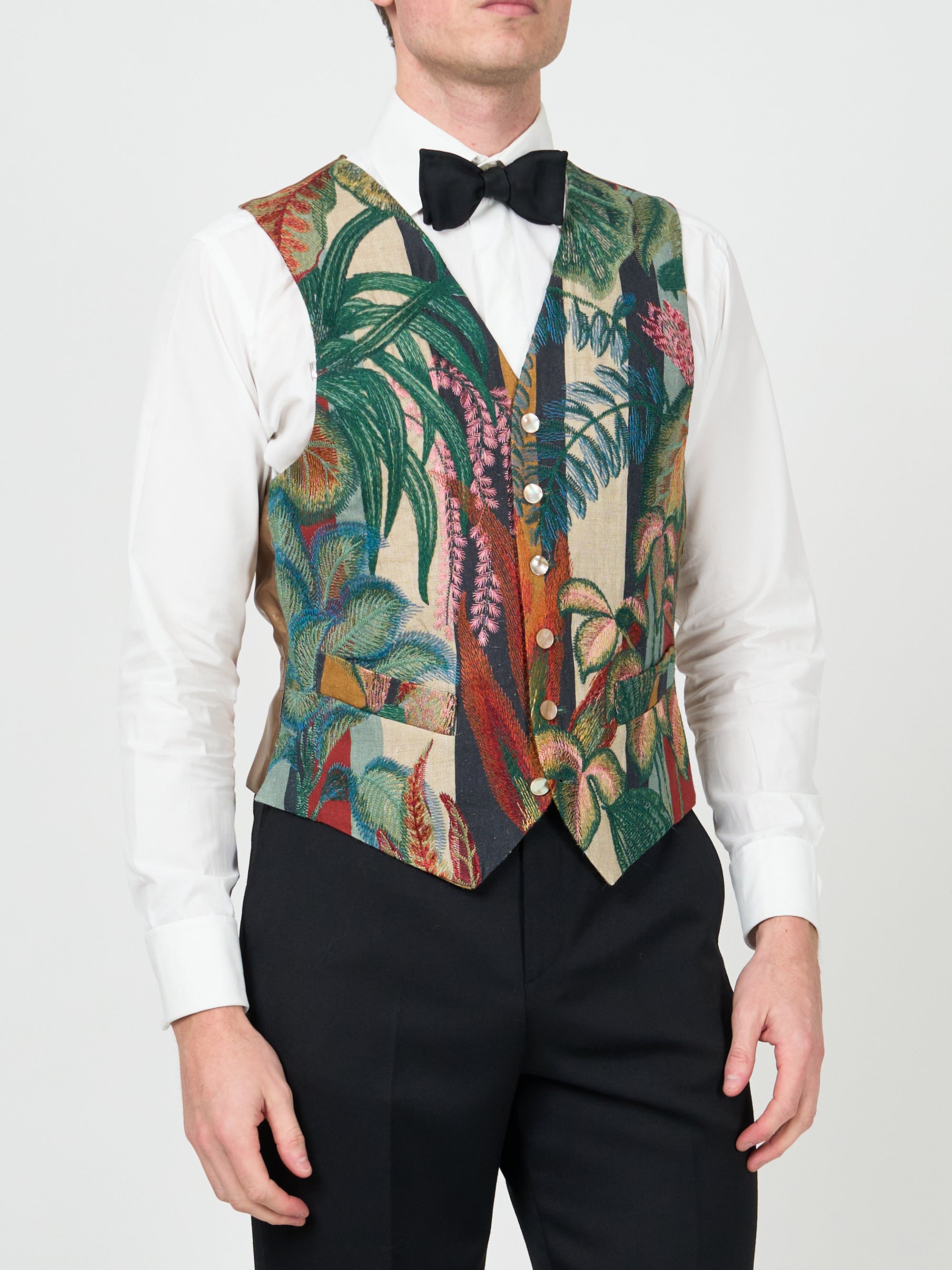
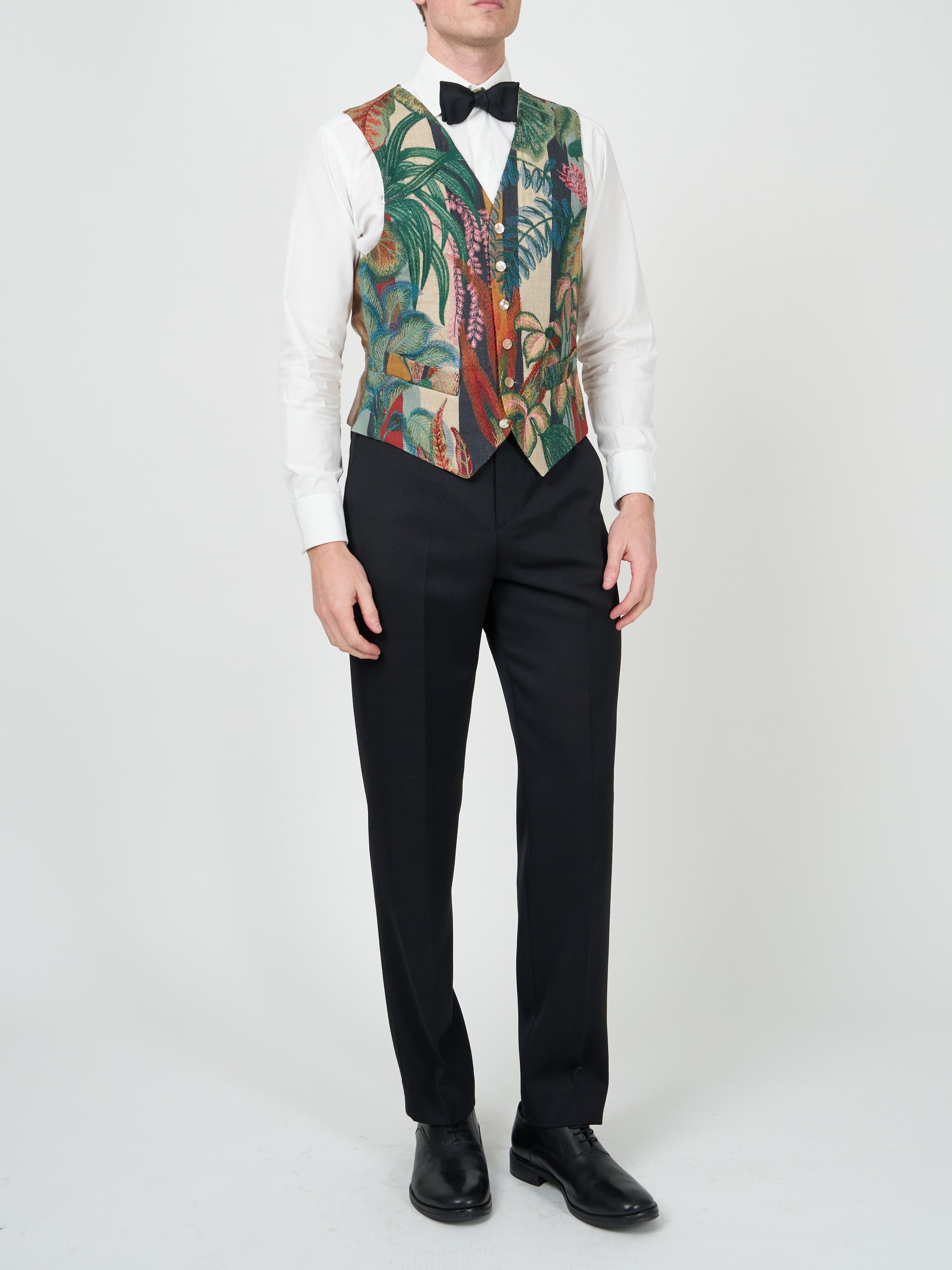
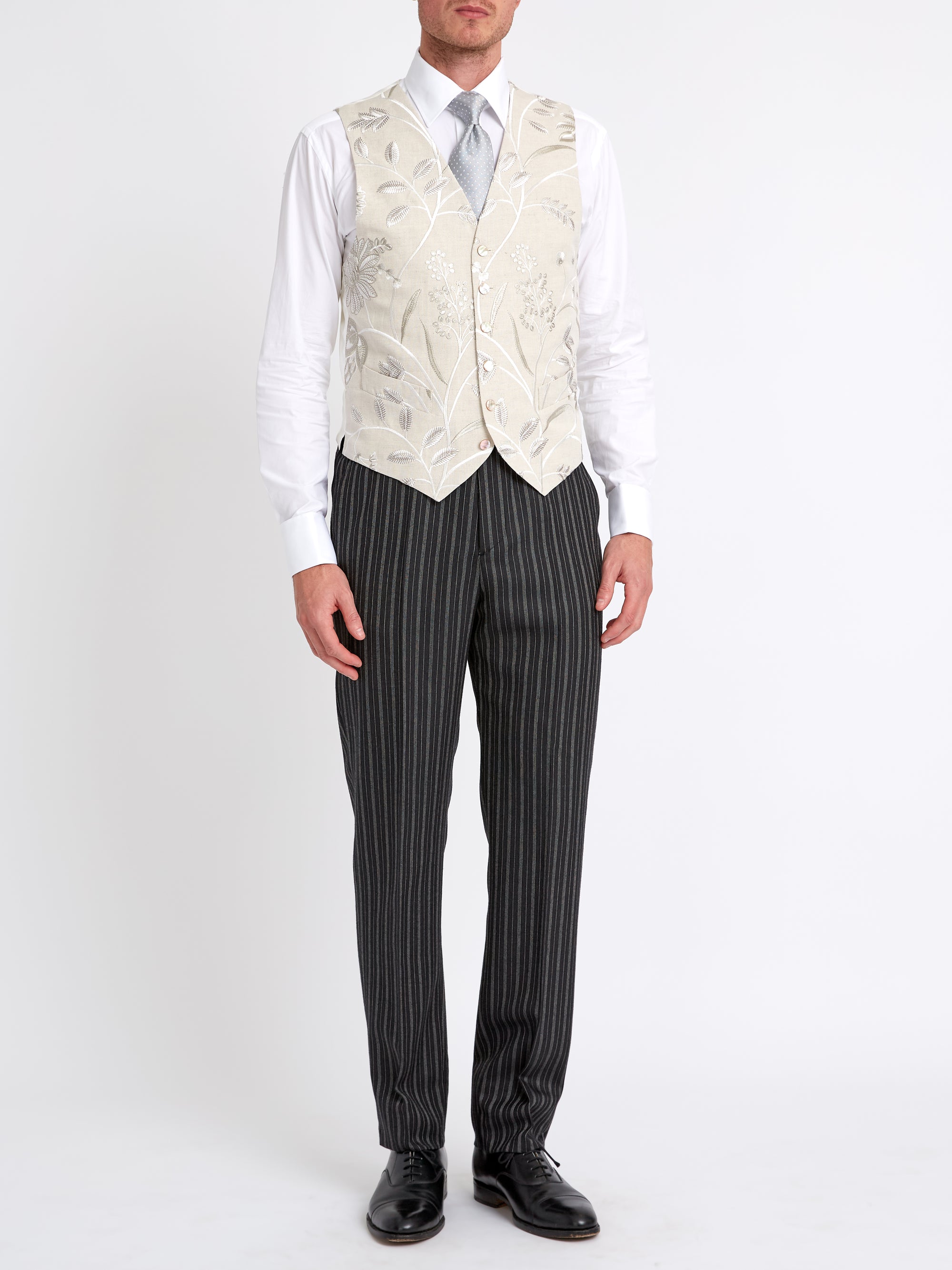
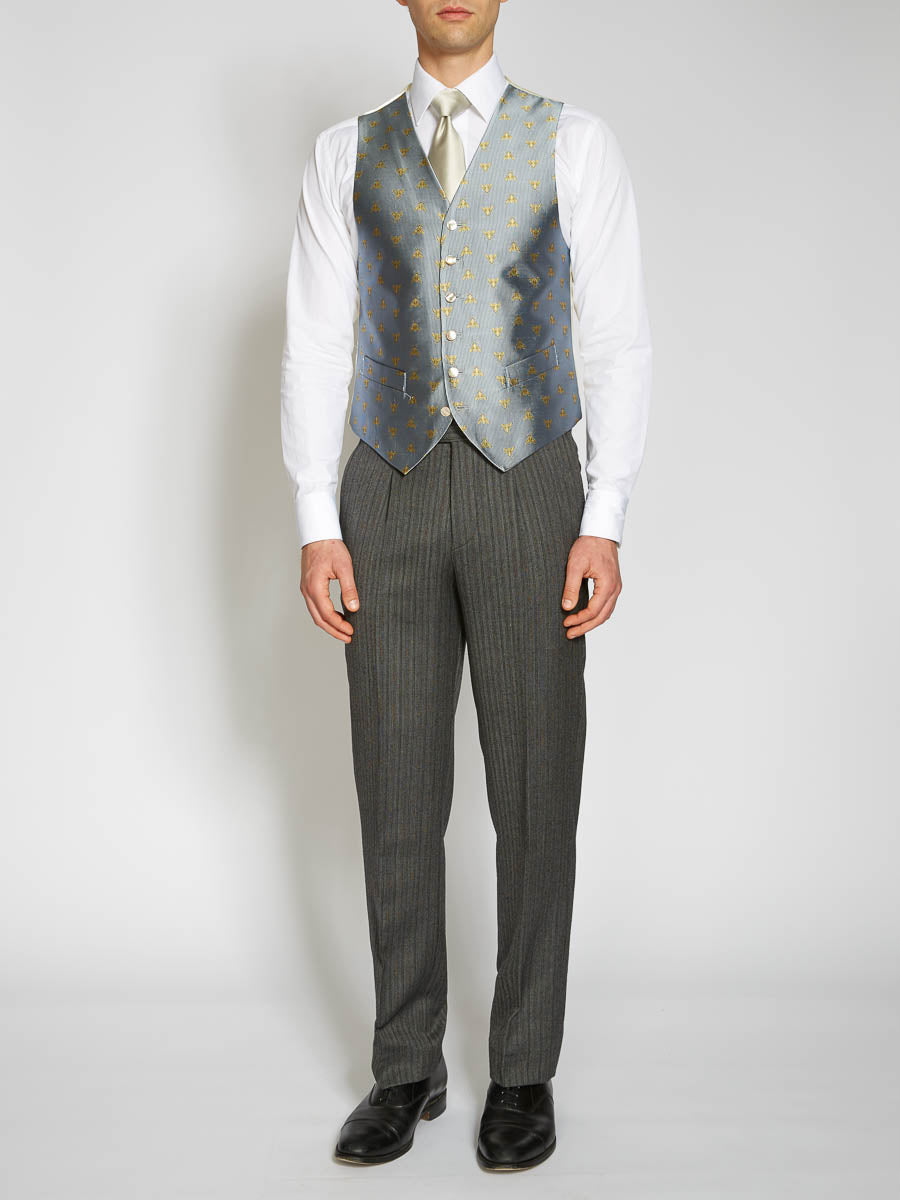
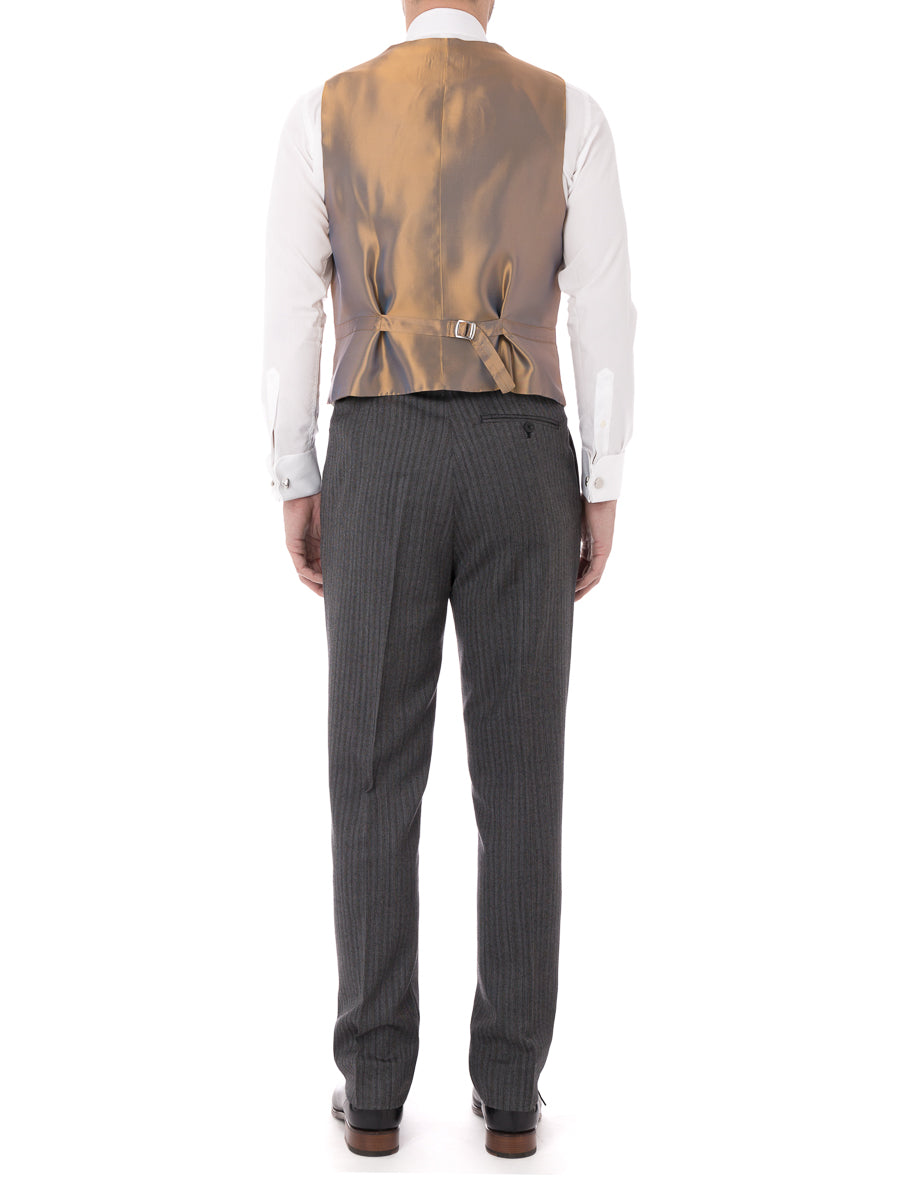
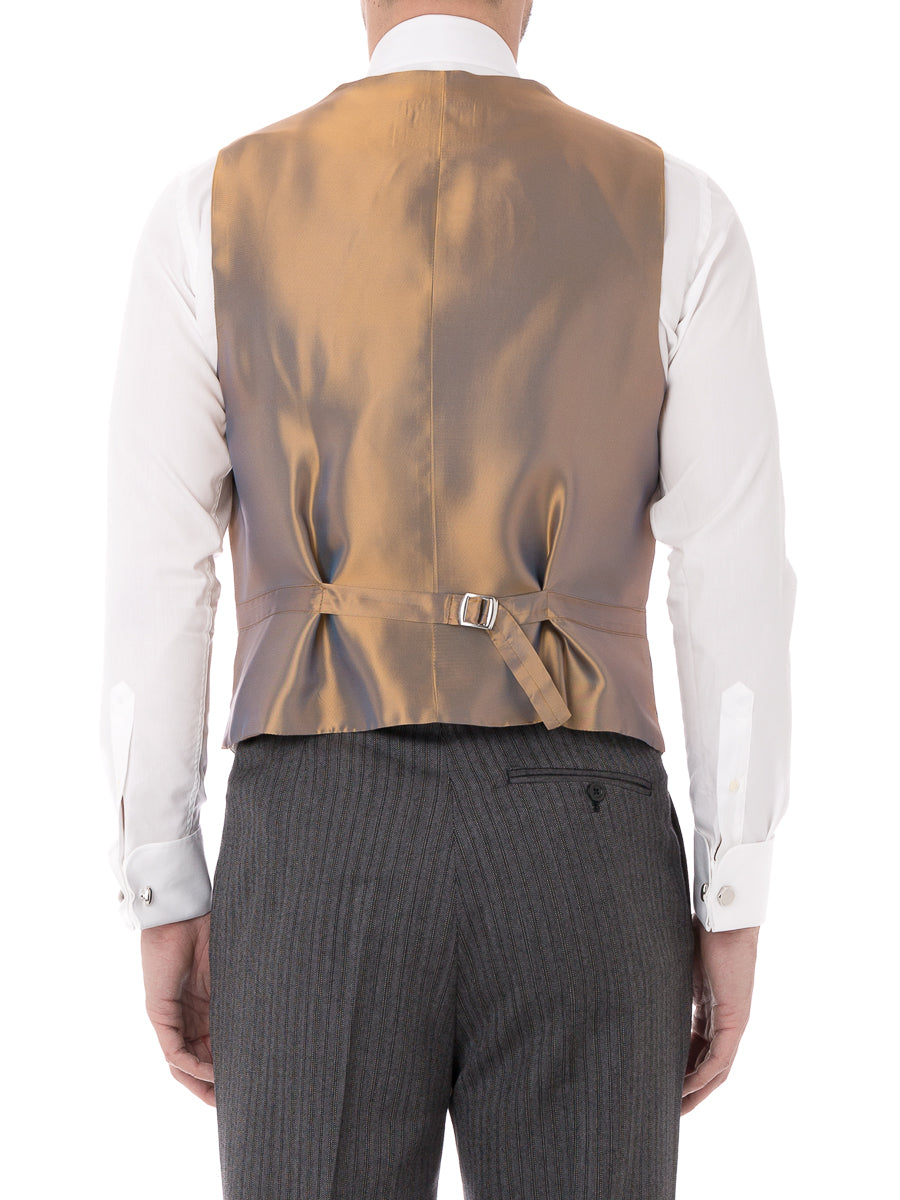
The fit for both styles should closely follow the contours of your body but allow for comfort in movement. If there is one unbreakable rule, it is that the length of the waistcoat should be such that no amount of shirt should be seen. Be mindful of this when trying on DB styles as they have a squared-off finish and the length can be easily misjudged. What’s more, length of the waistcoat can only be altered in one direction unless your tailor has the magical ability to conjure cloth from nowhere. Ideally, you want the waistcoat to finish about an inch below the trouser waistband and should cover a belt if worn. Any longer and the waistcoat will bunch at the waist which is not a good look. The front of the waistcoat should sit flat against your chest with minimal bunching at the back. Most waistcoats do come with an adjuster but that should be used to tweak rather than fix.

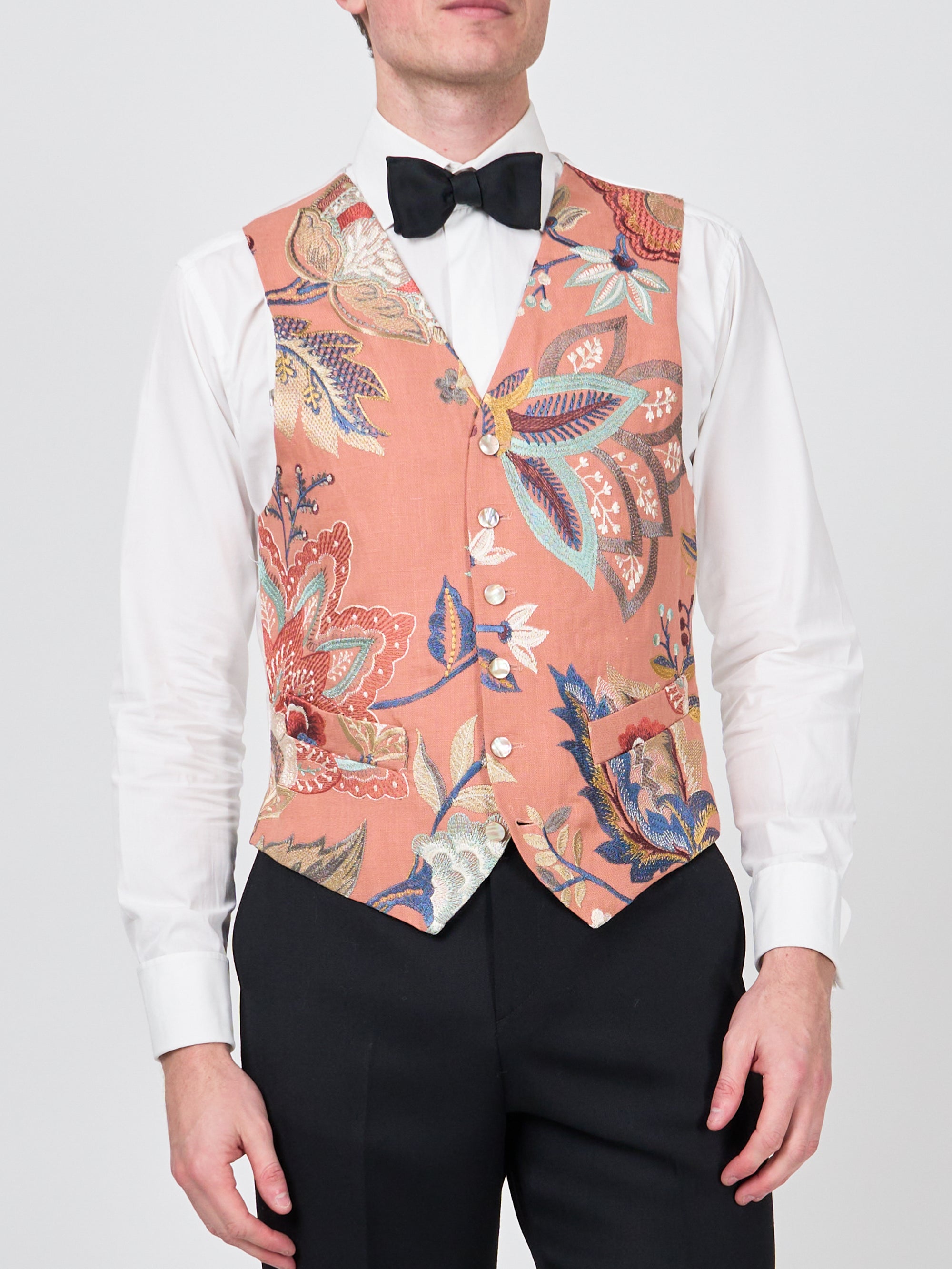
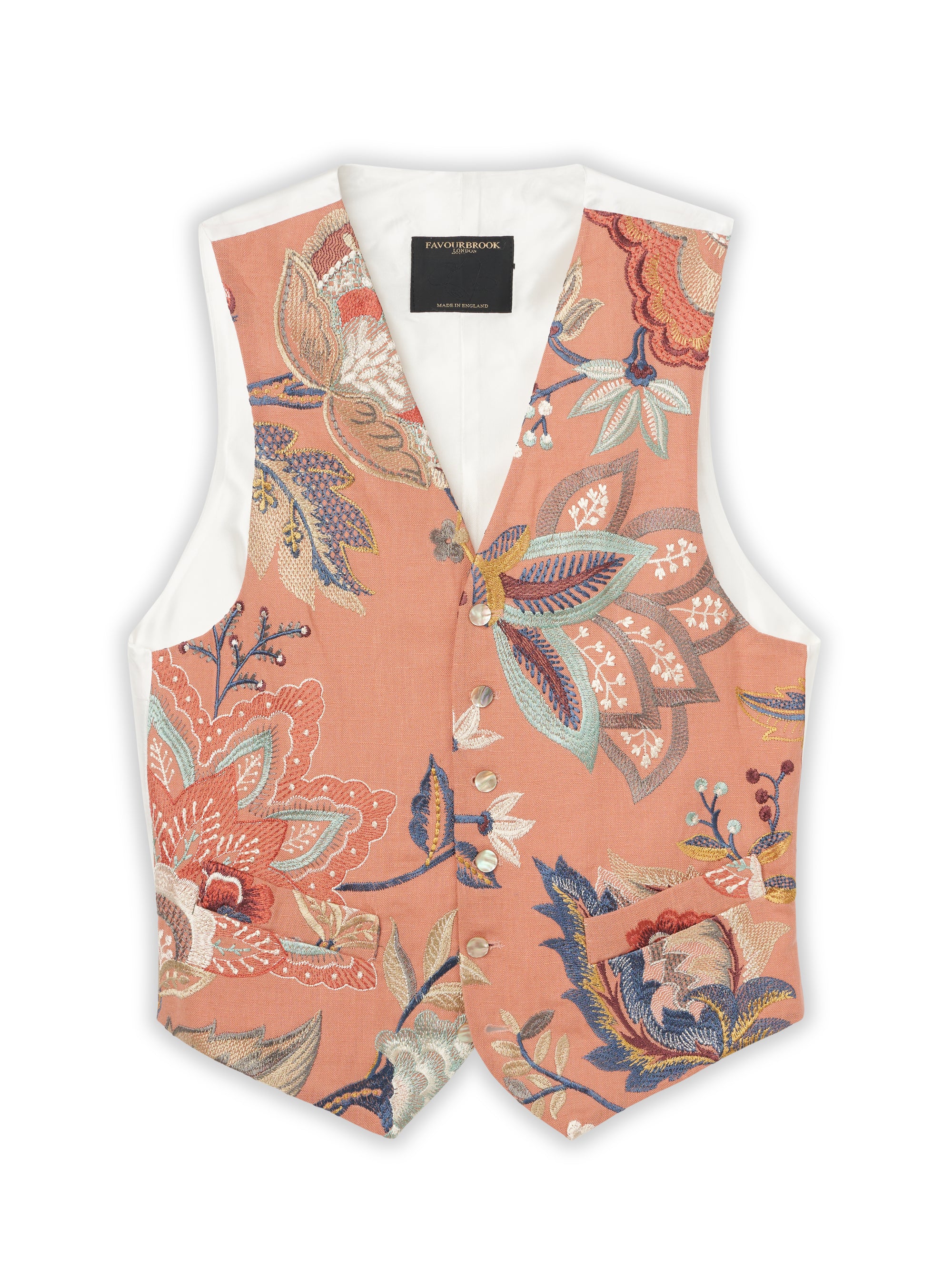
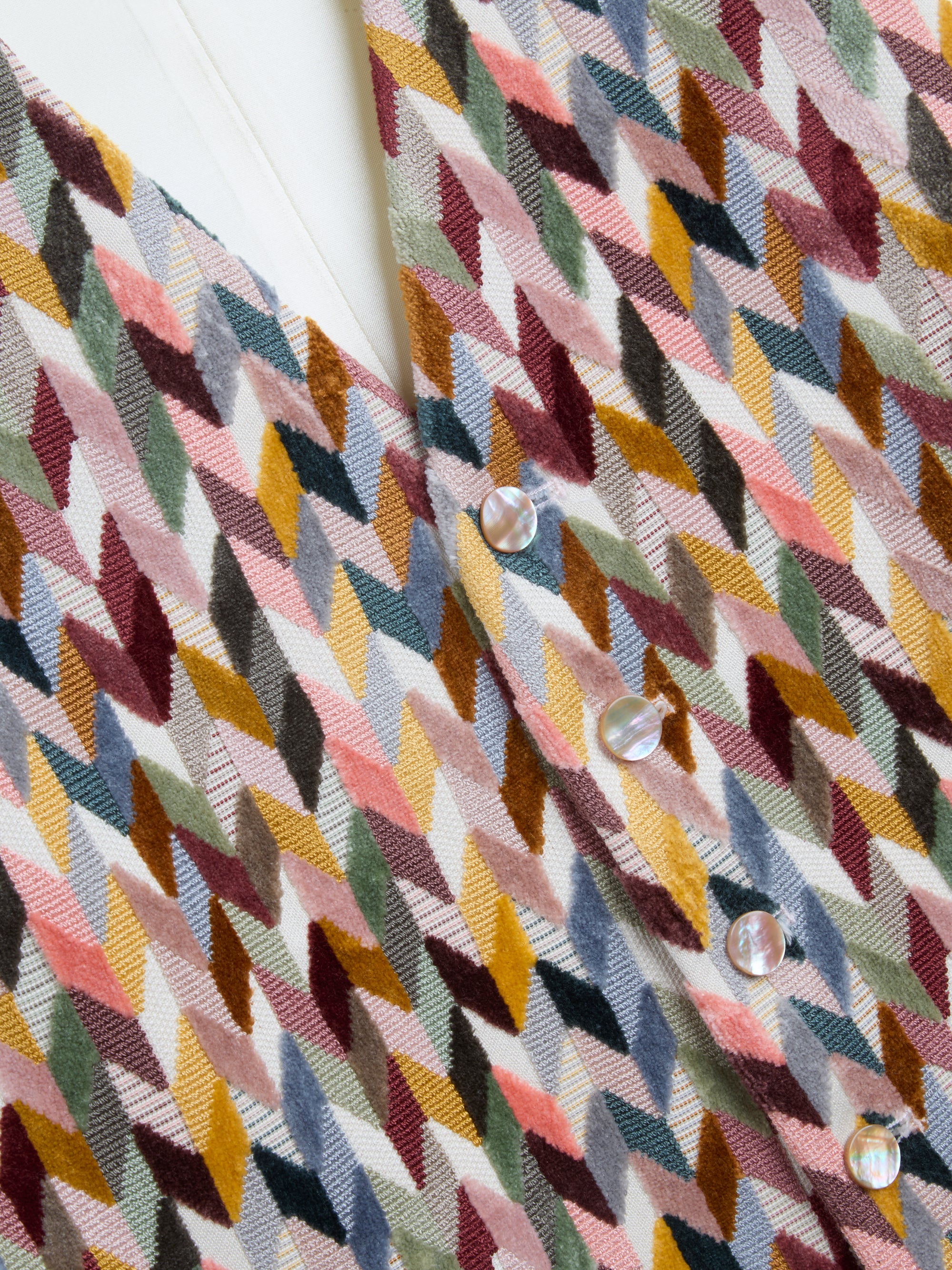
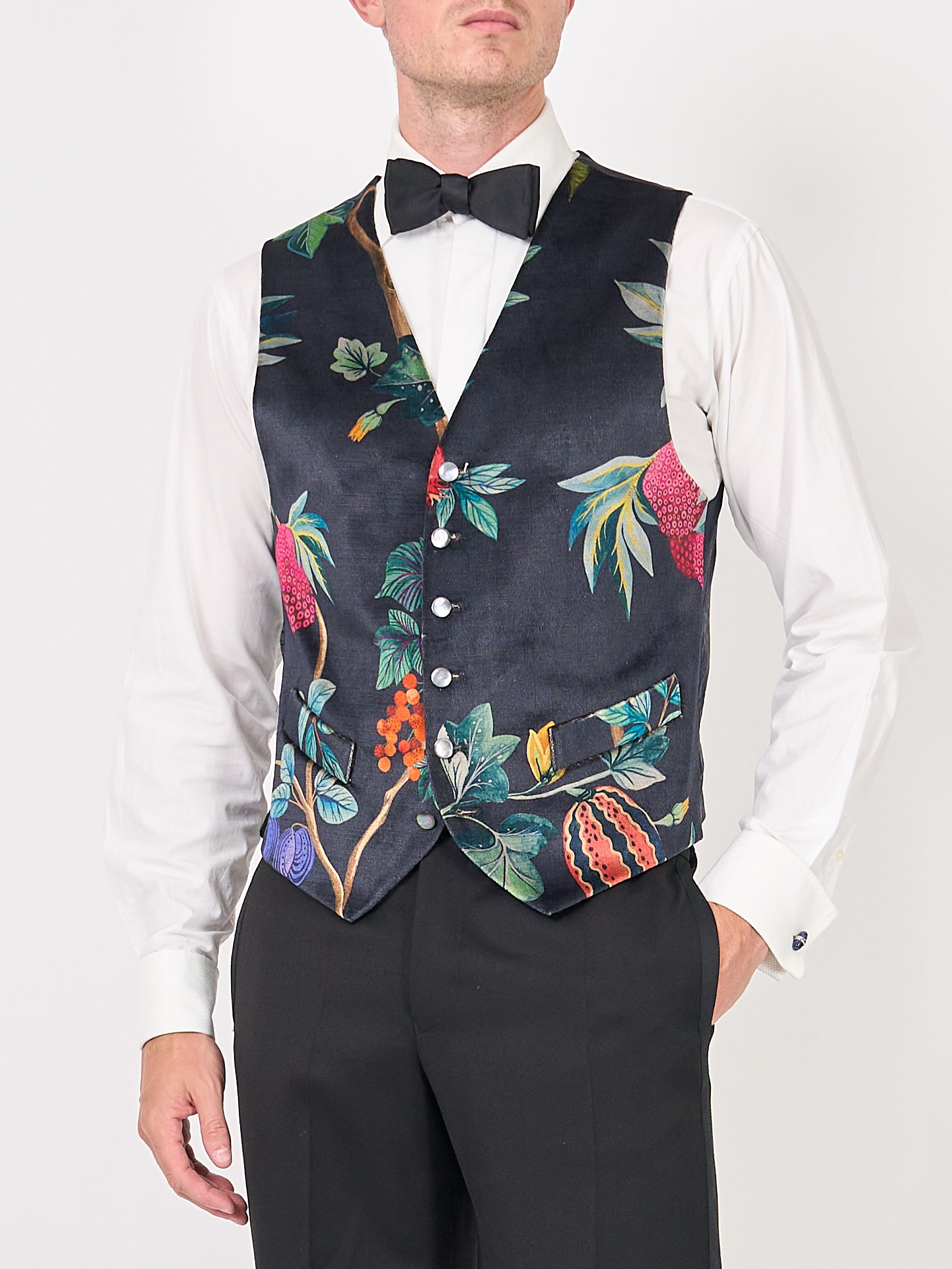
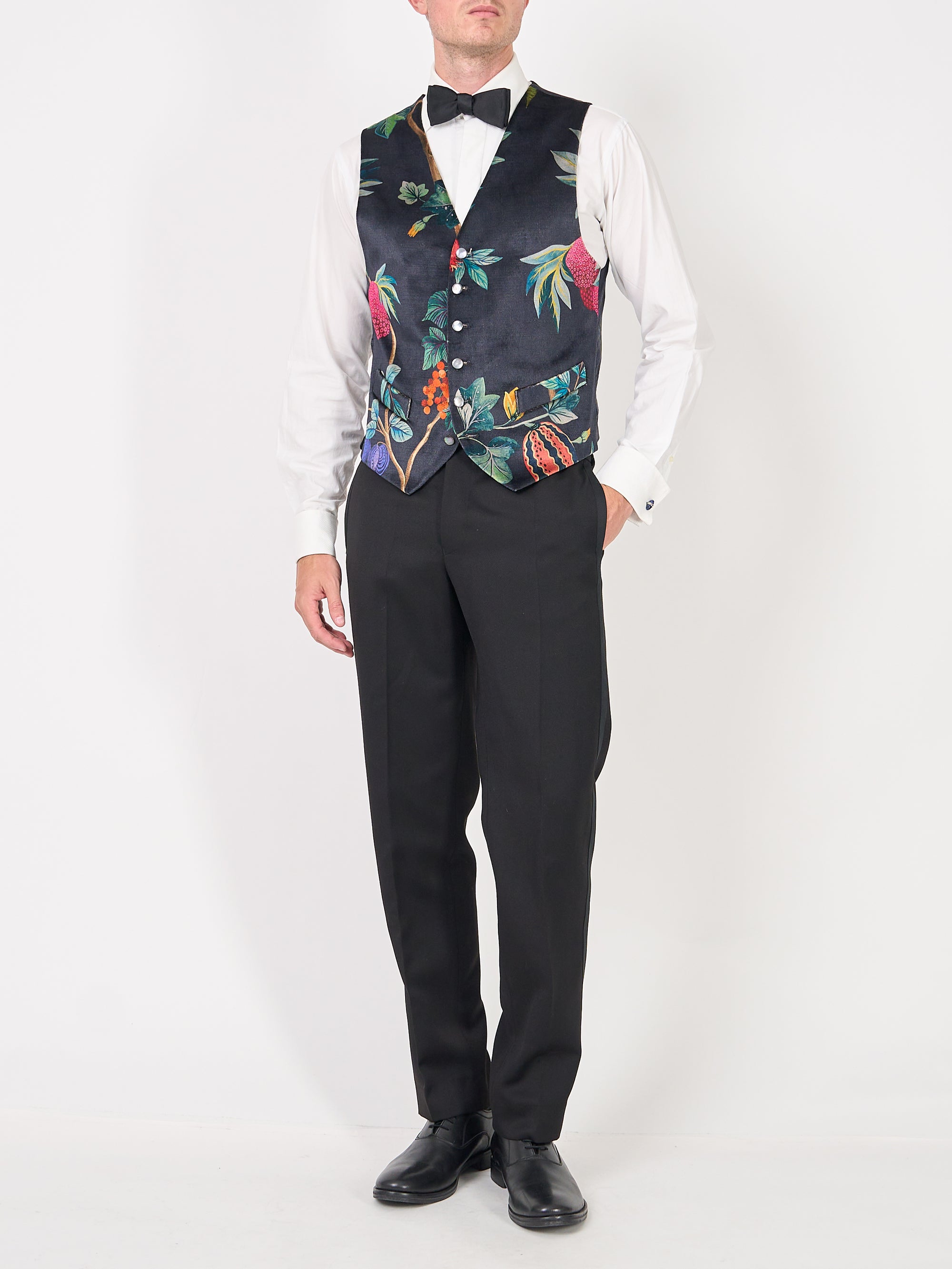
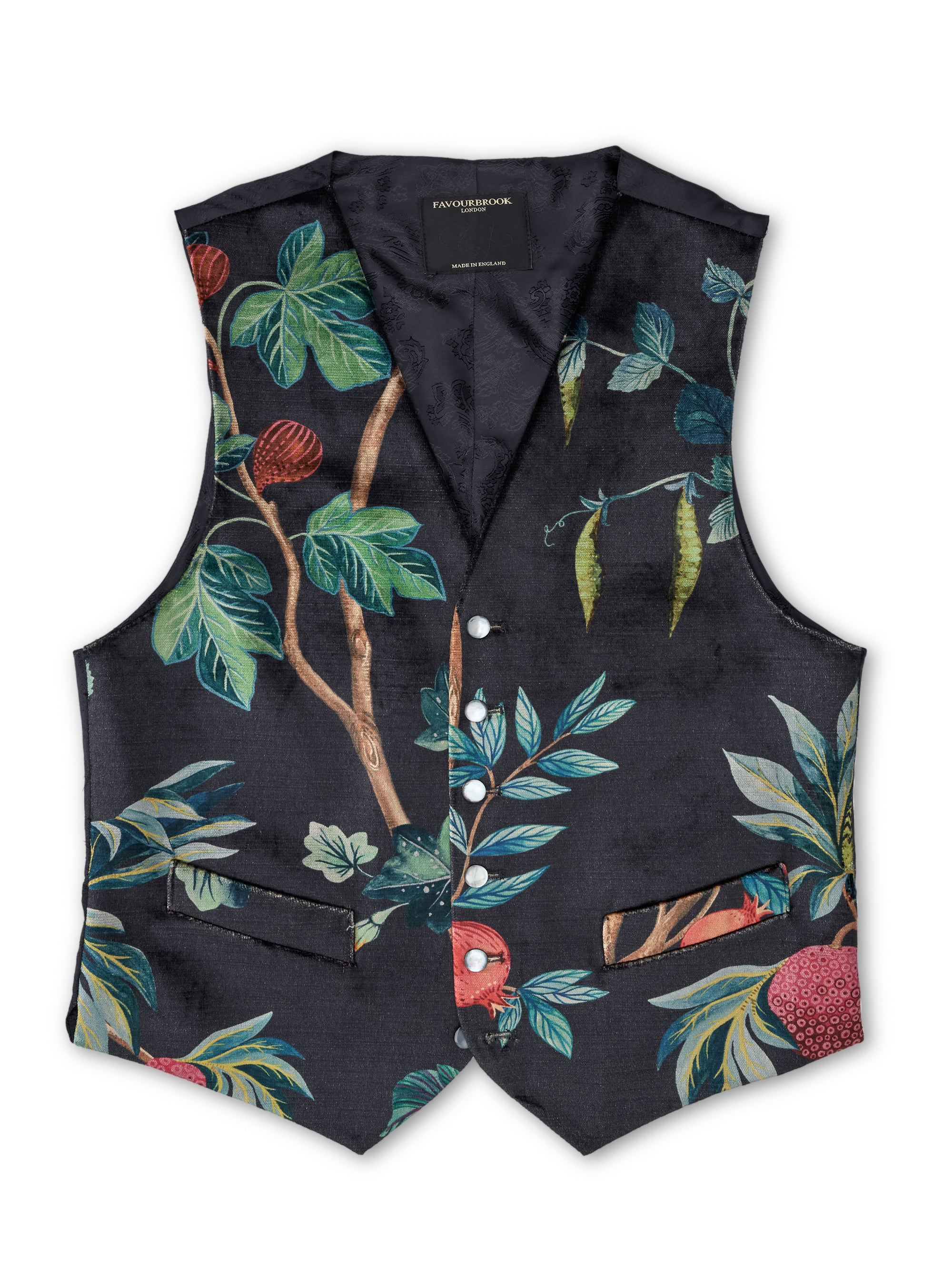
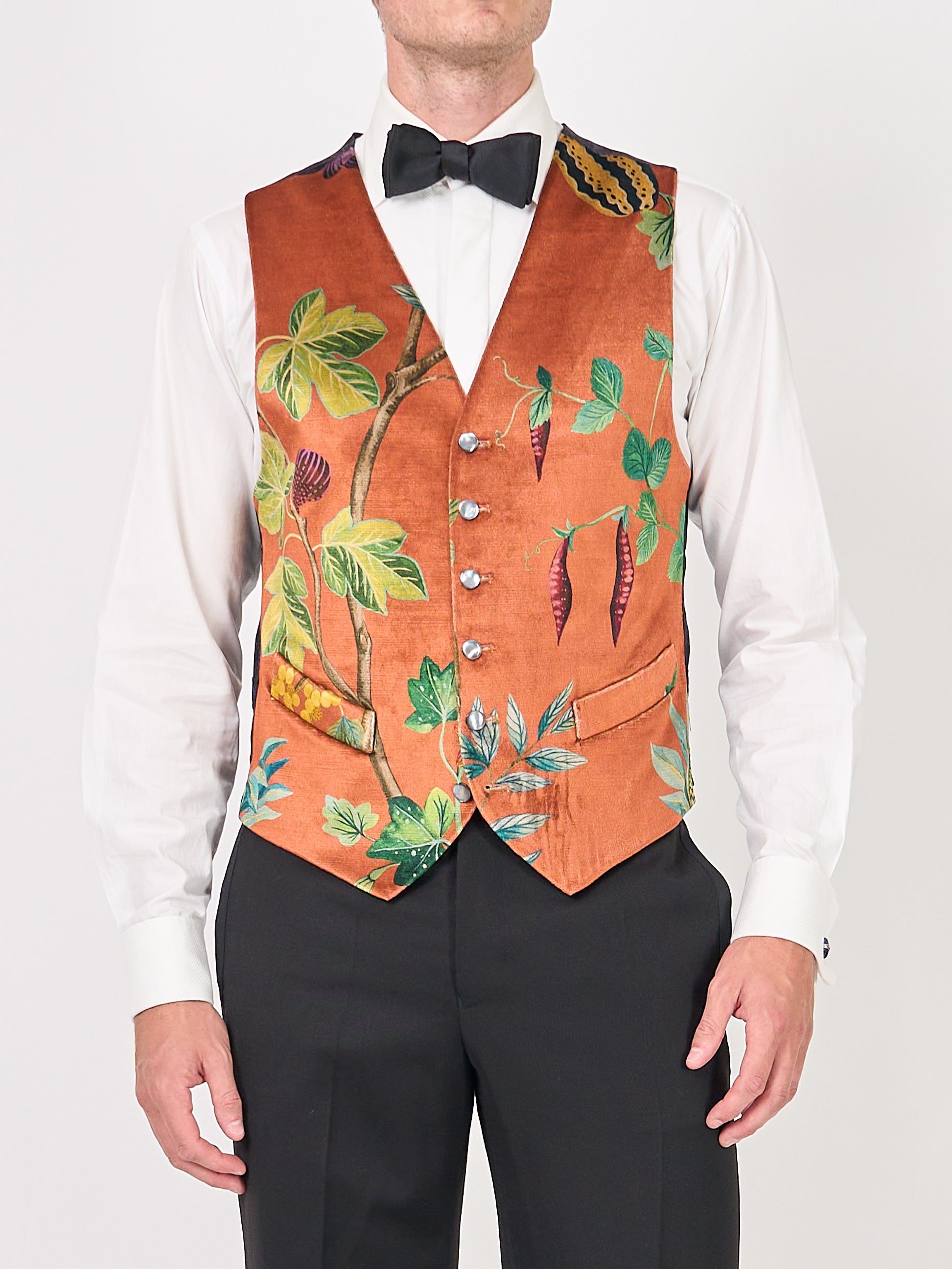
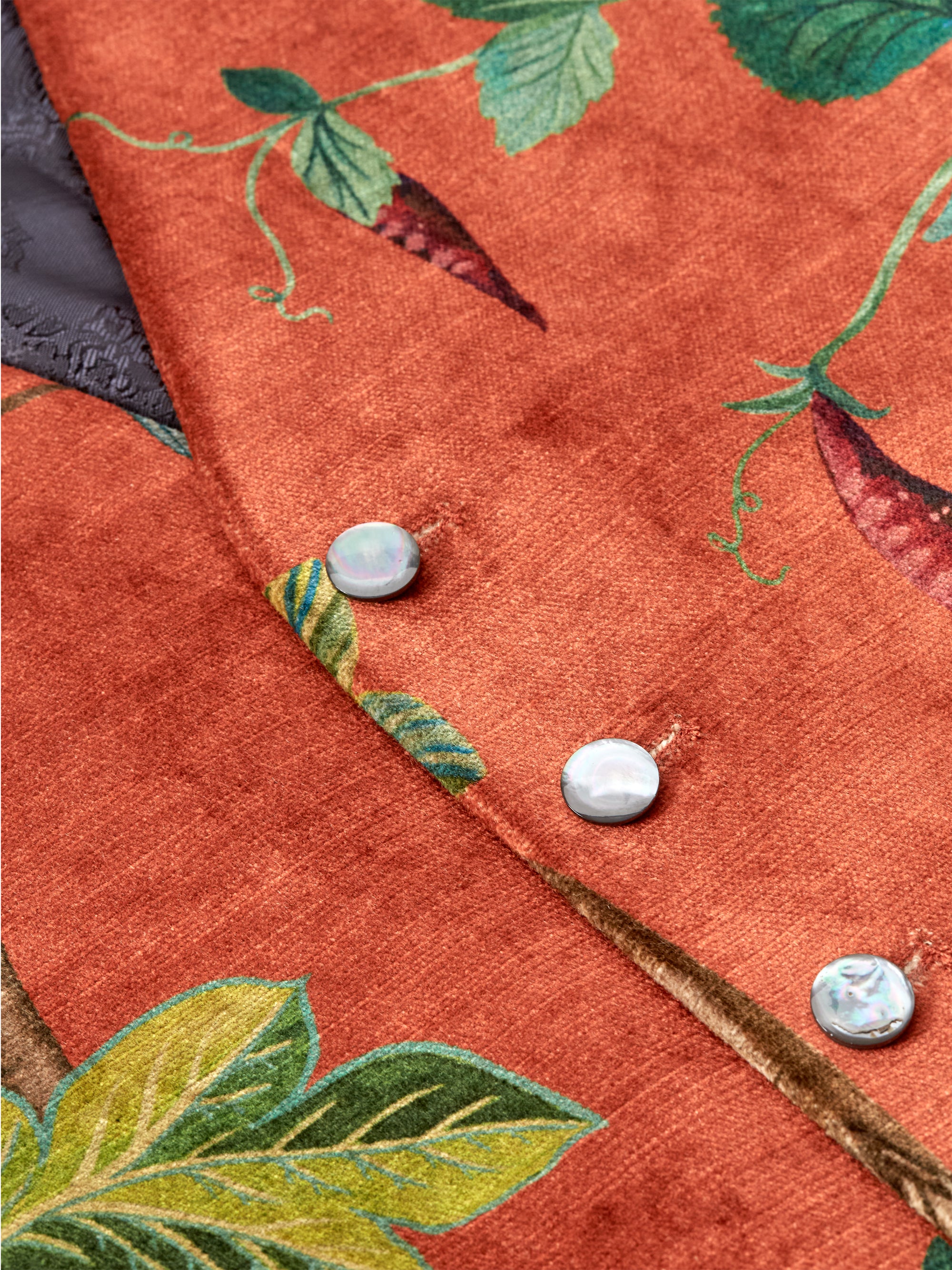
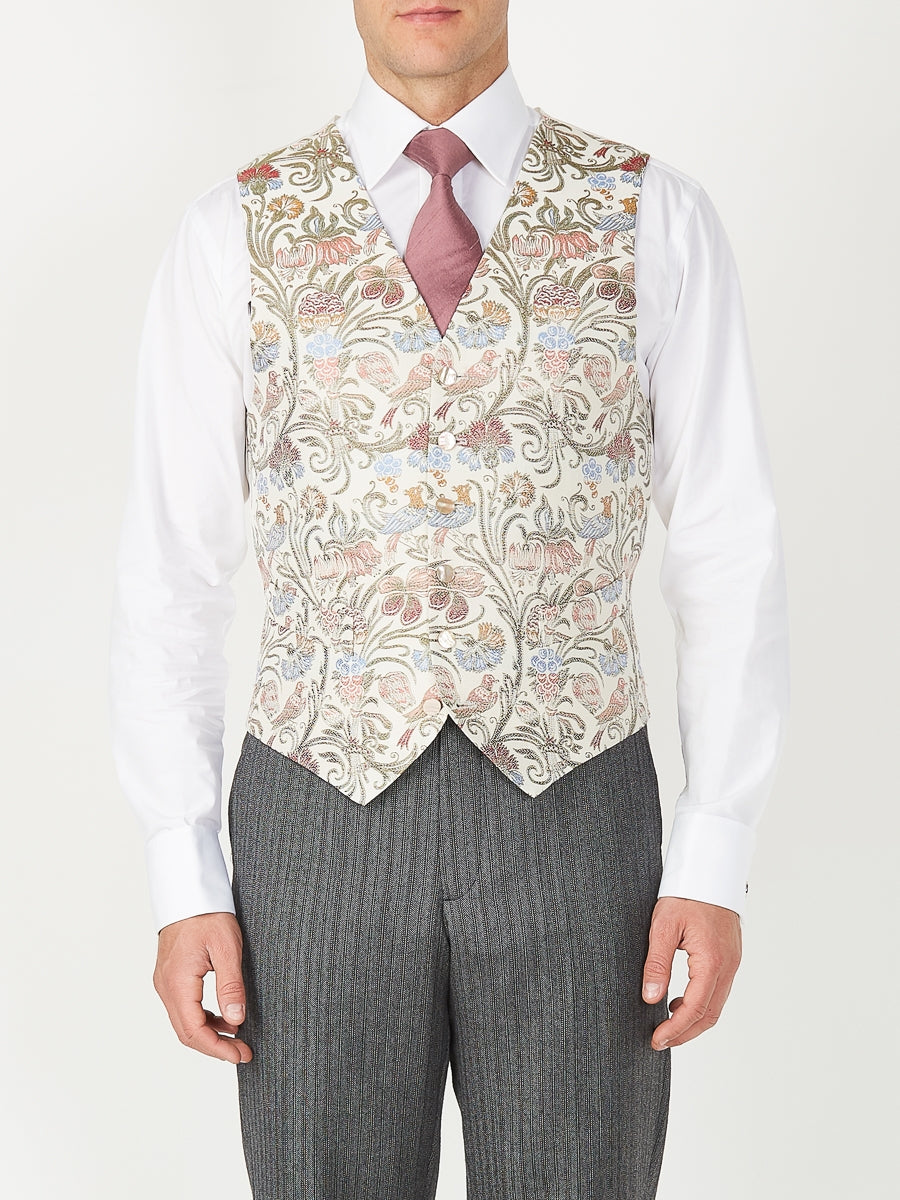
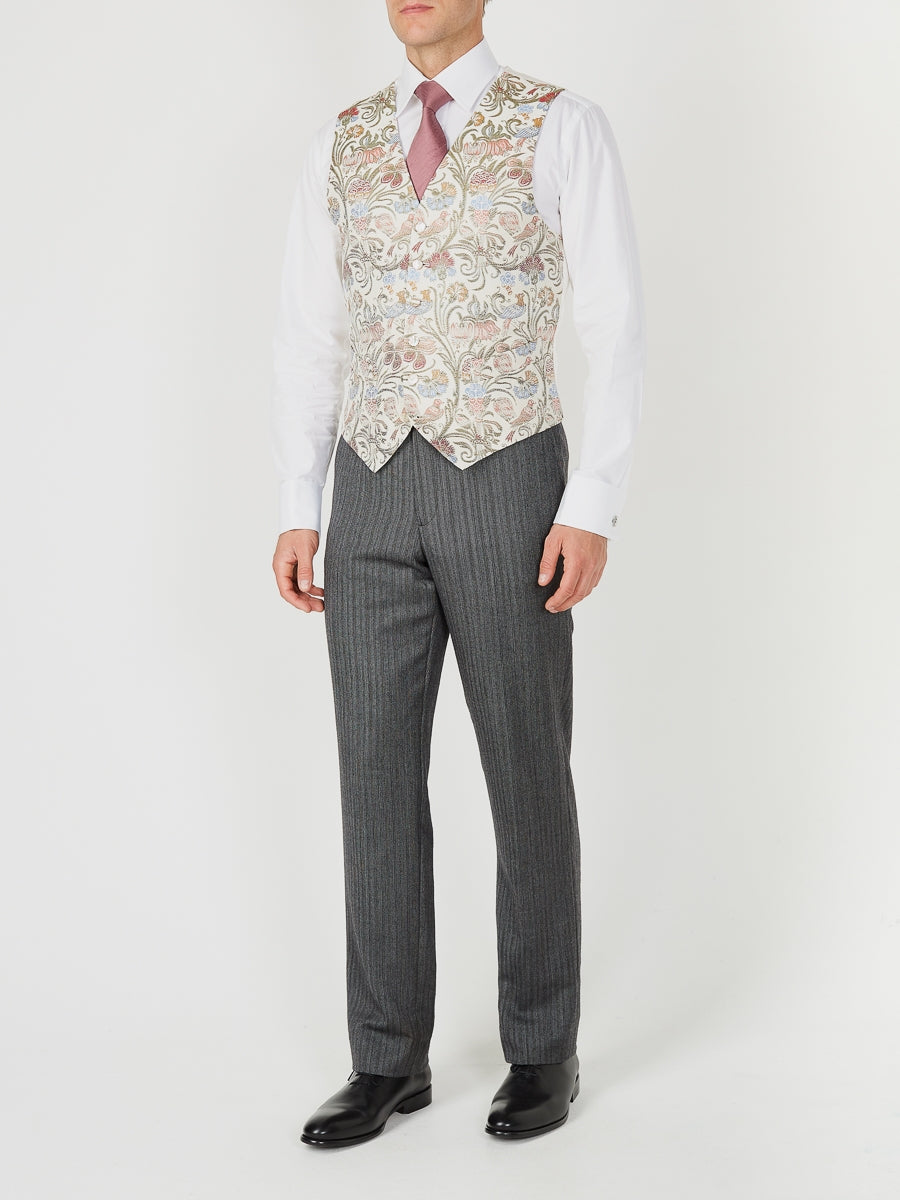
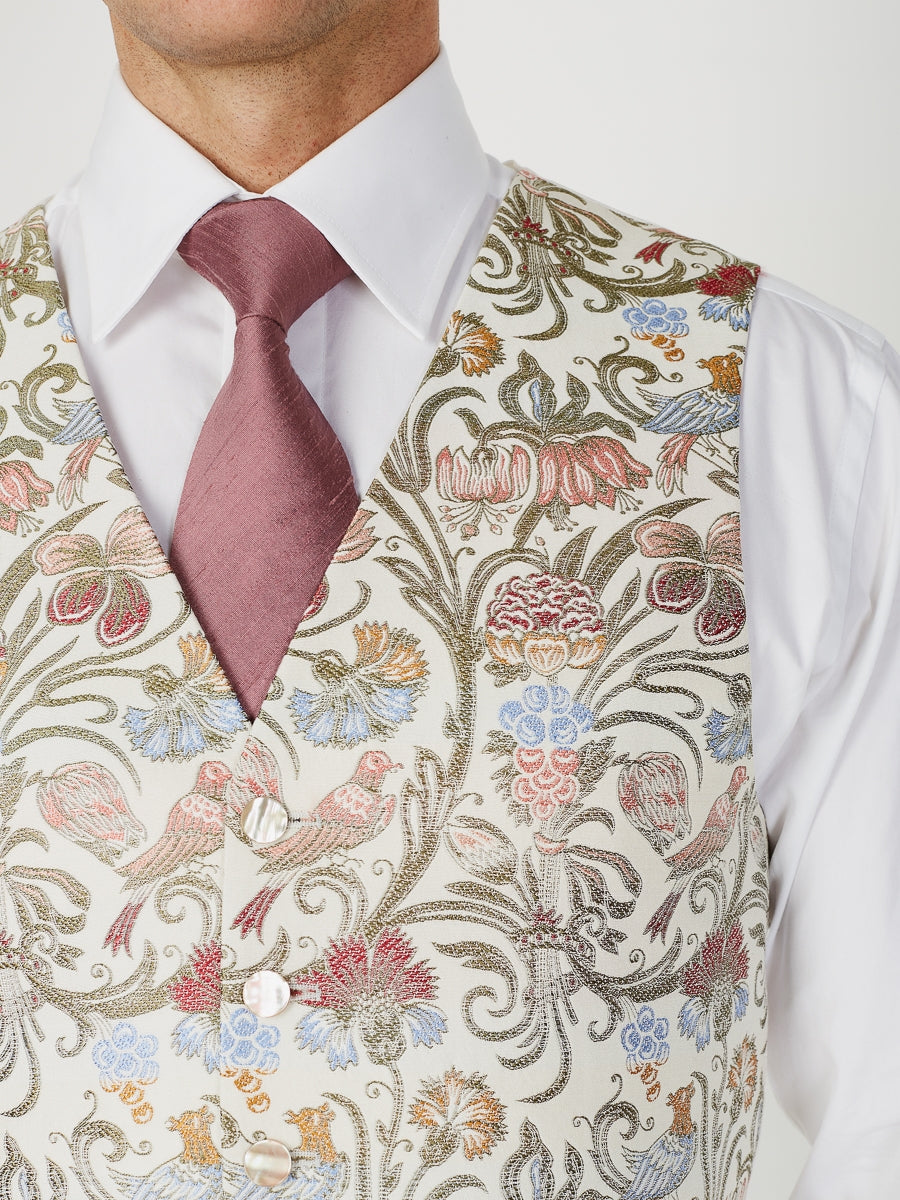
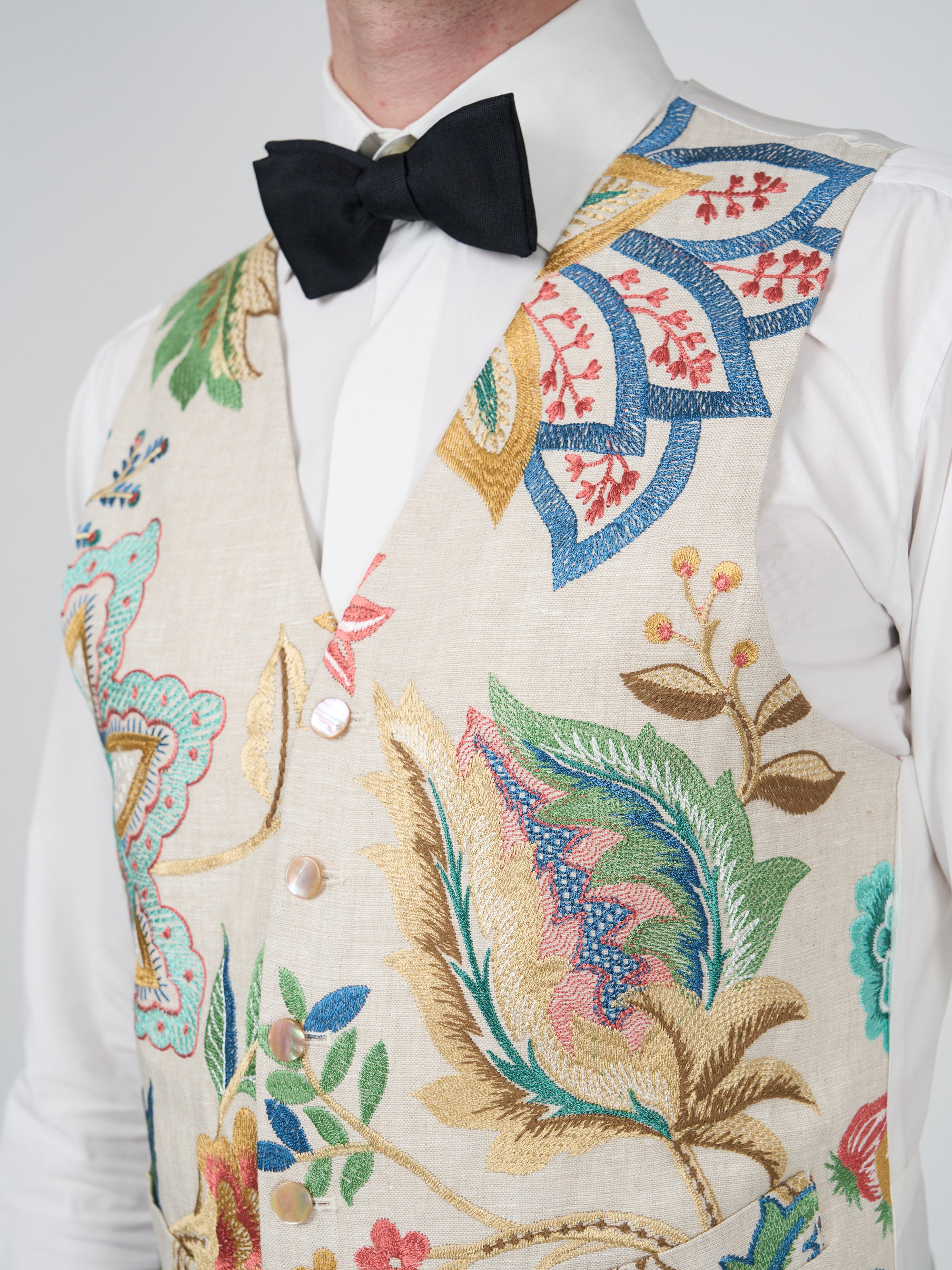
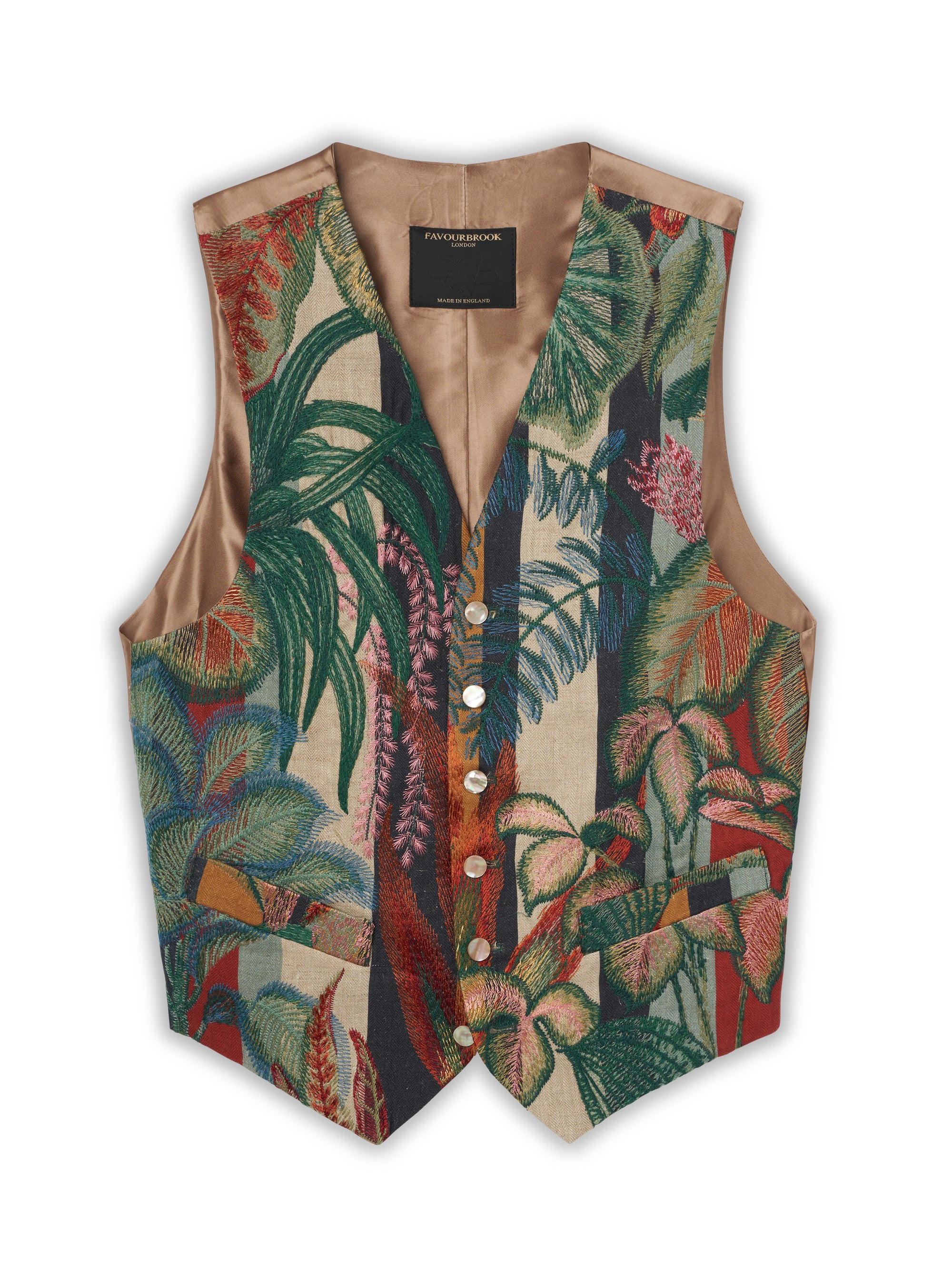
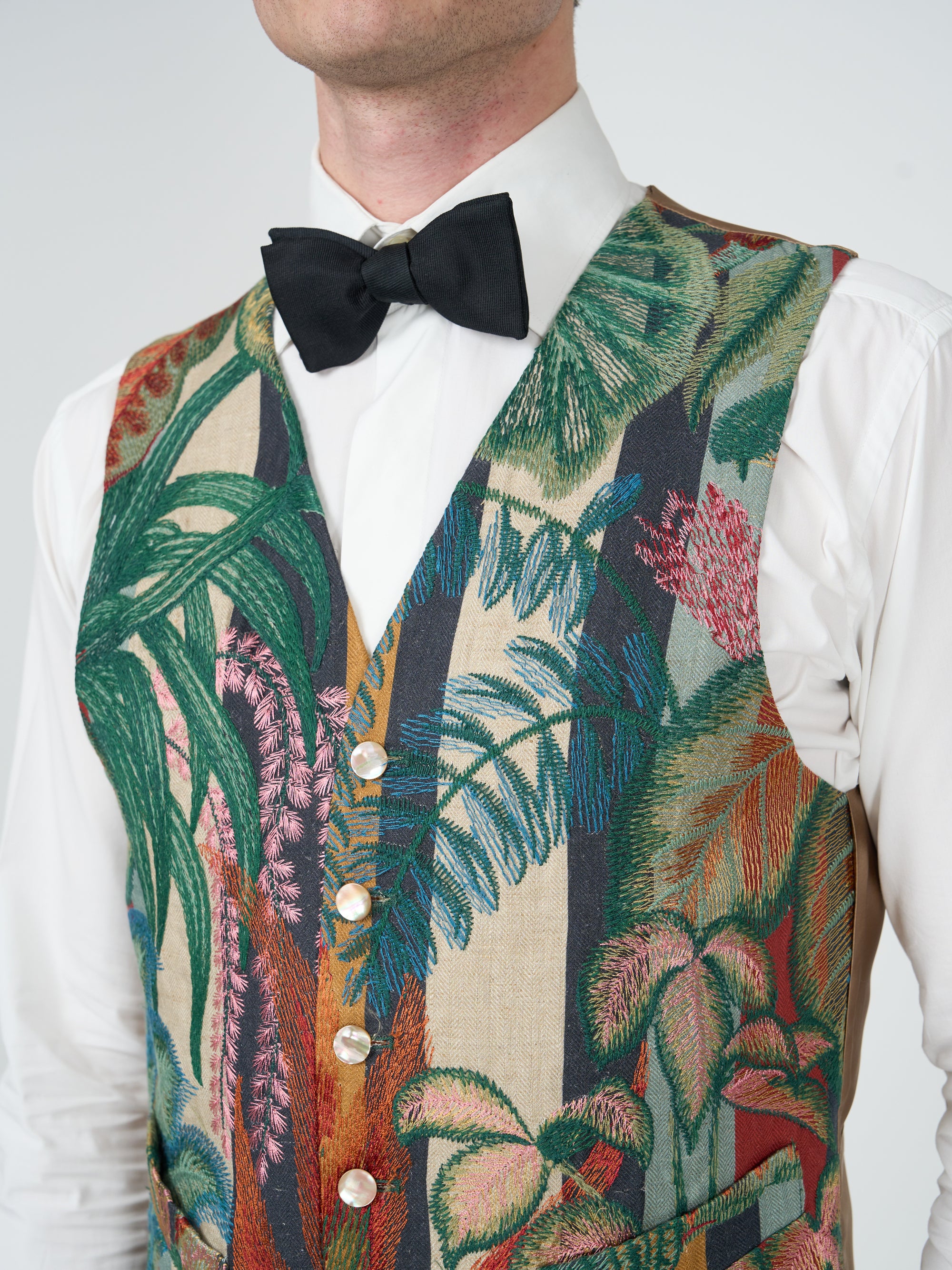
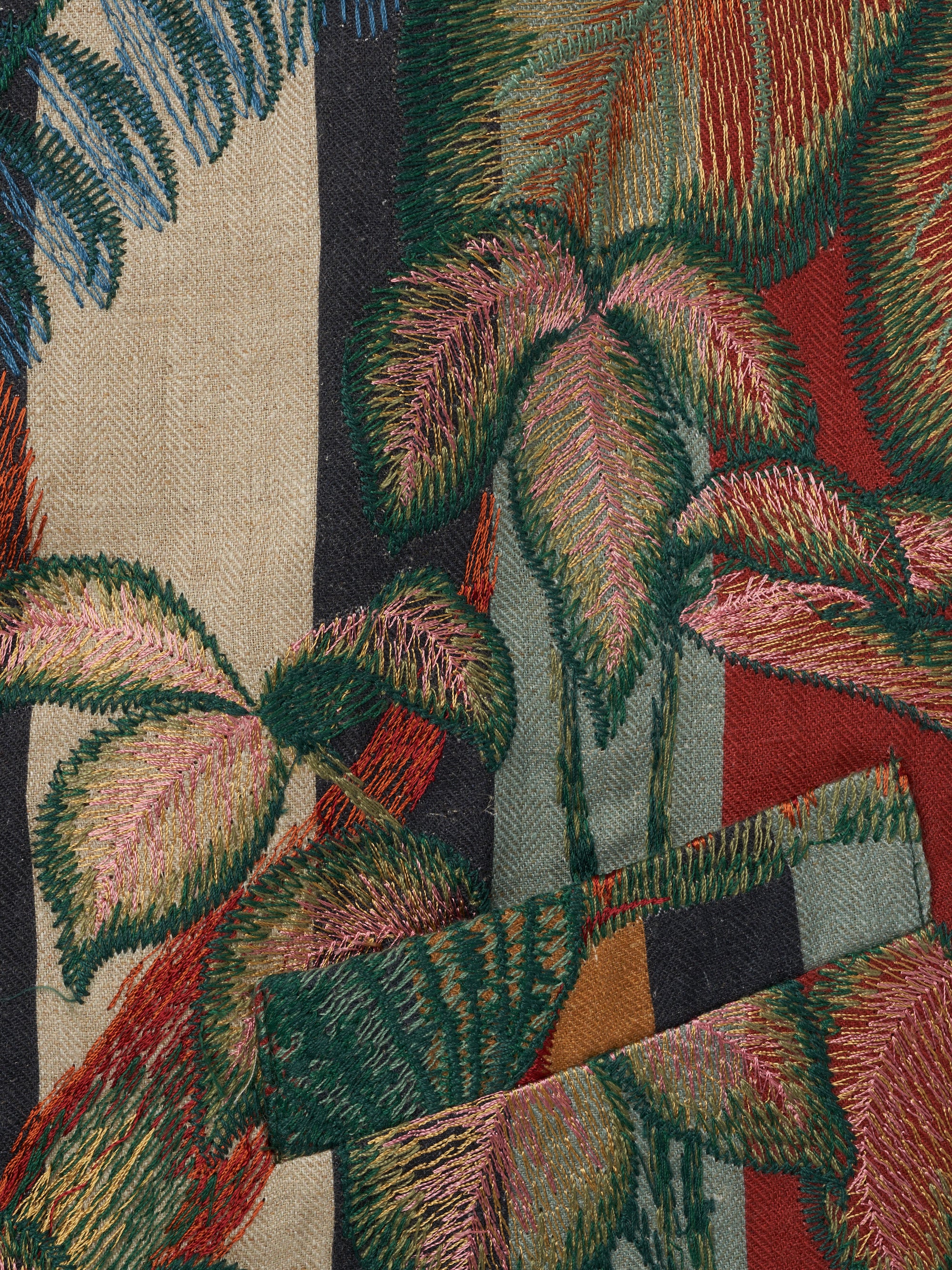
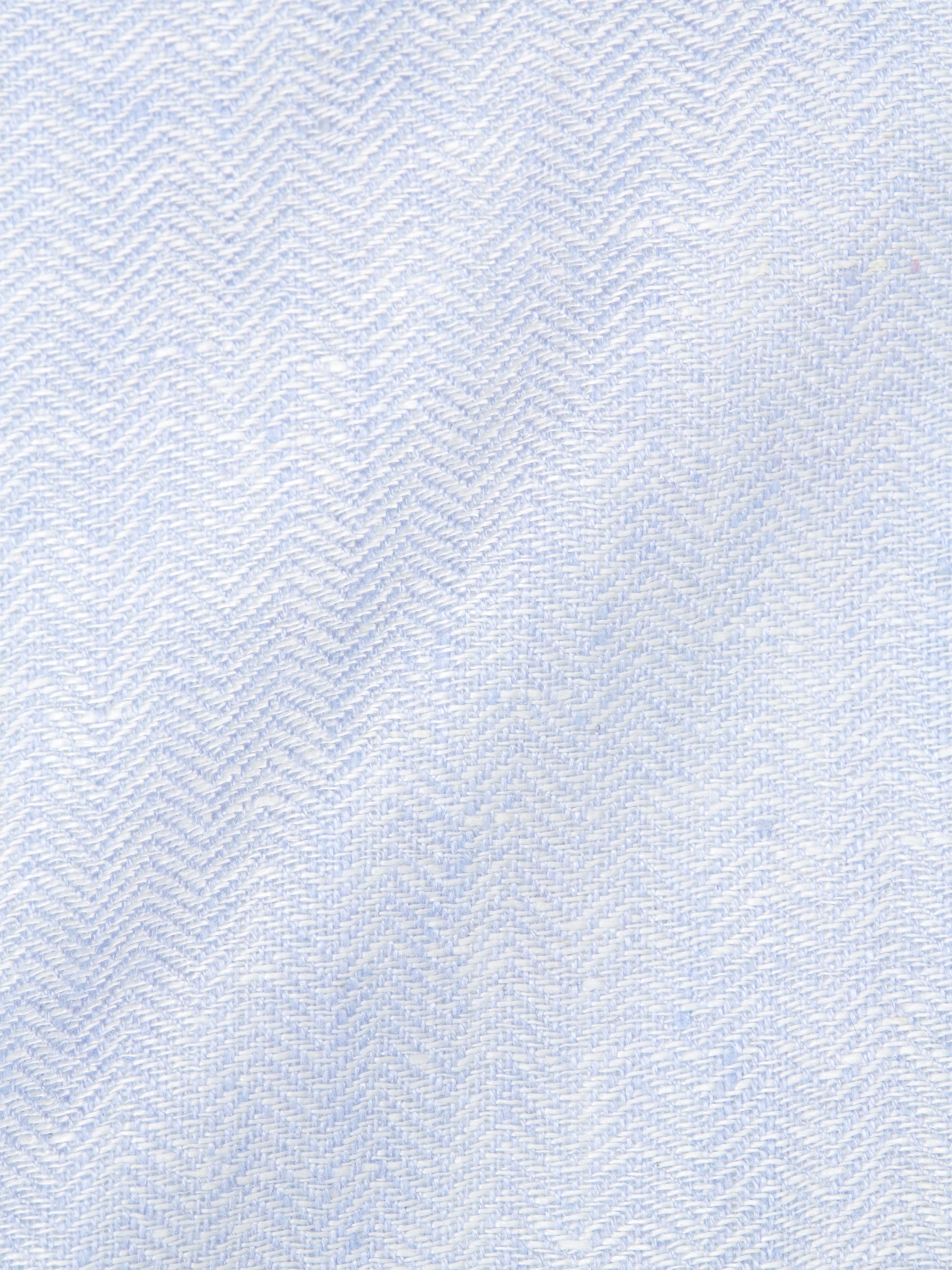
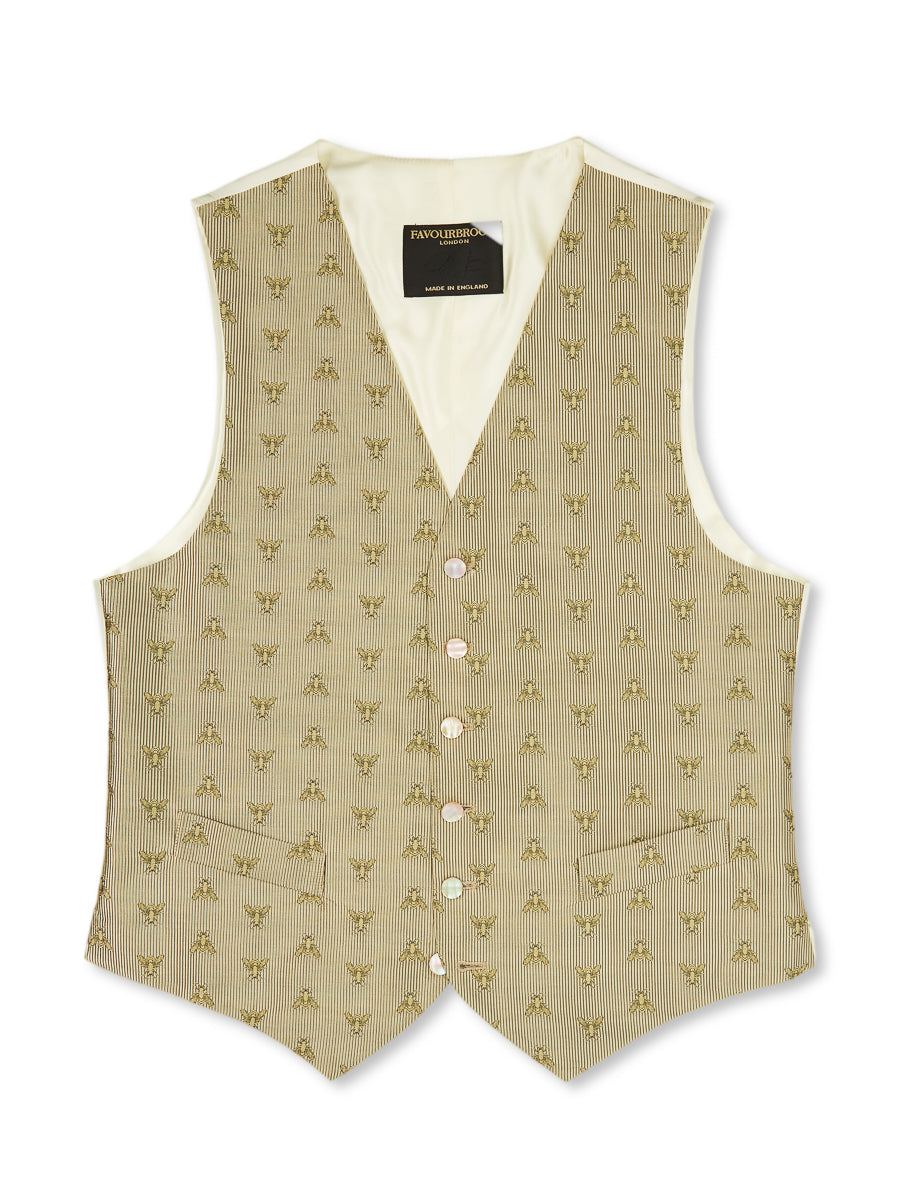
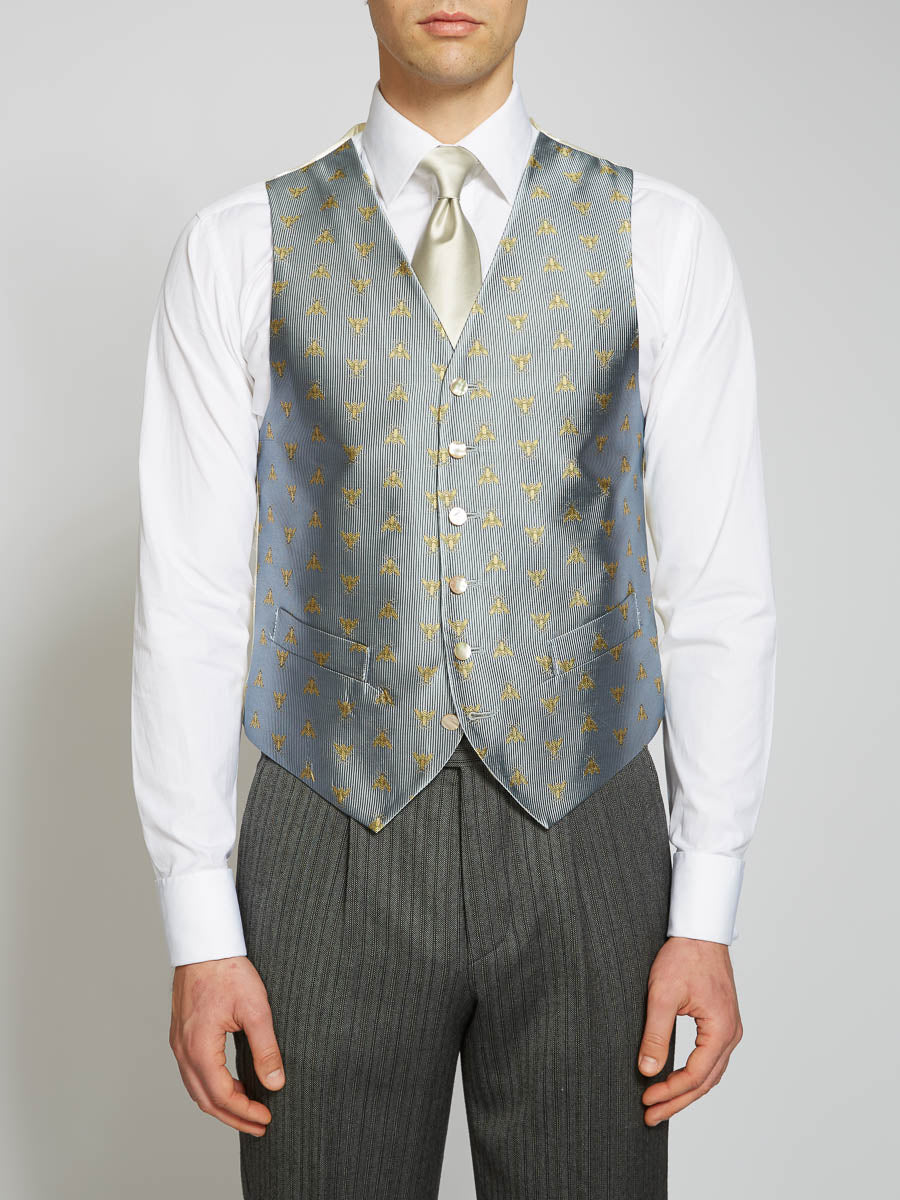
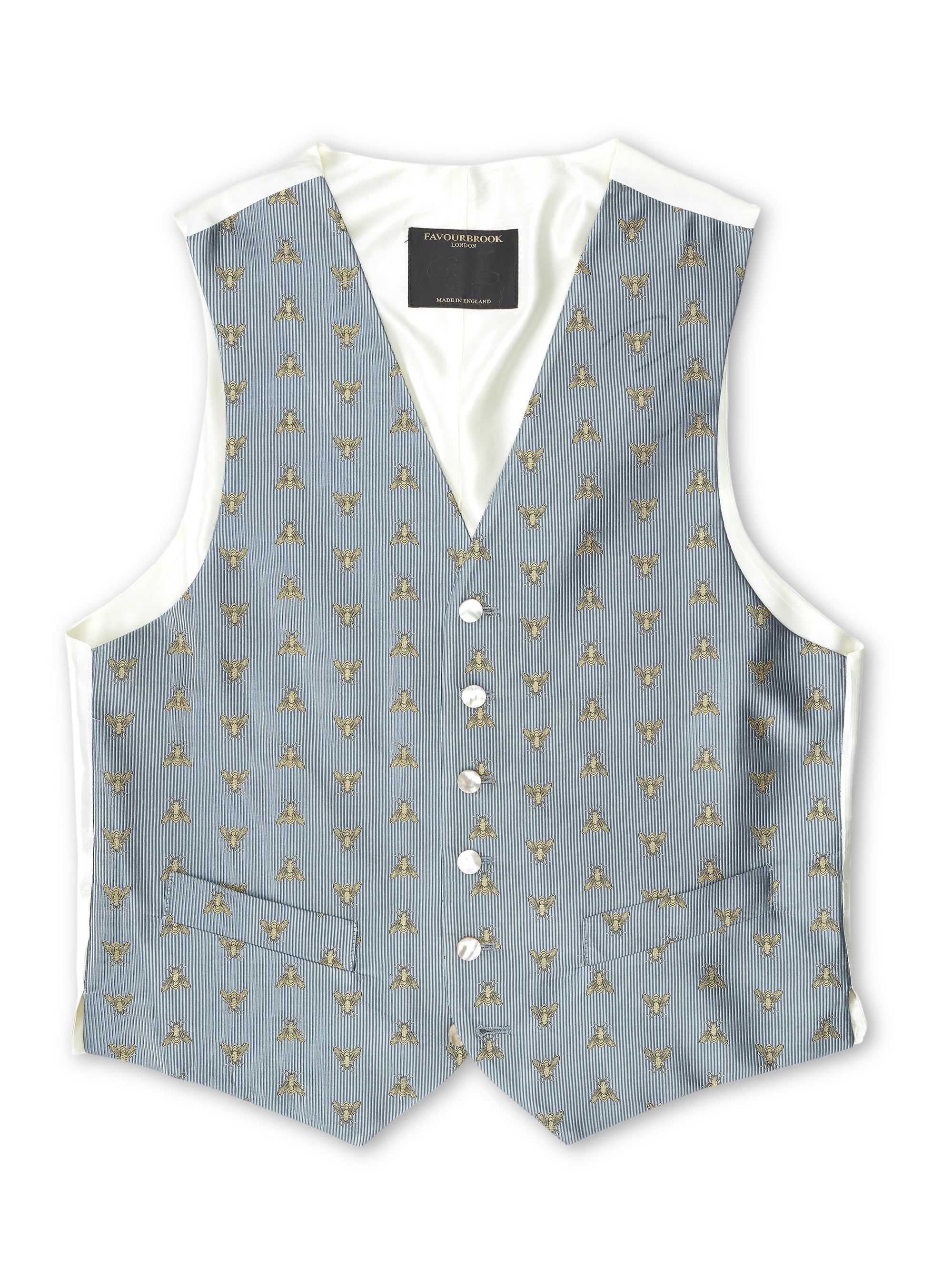
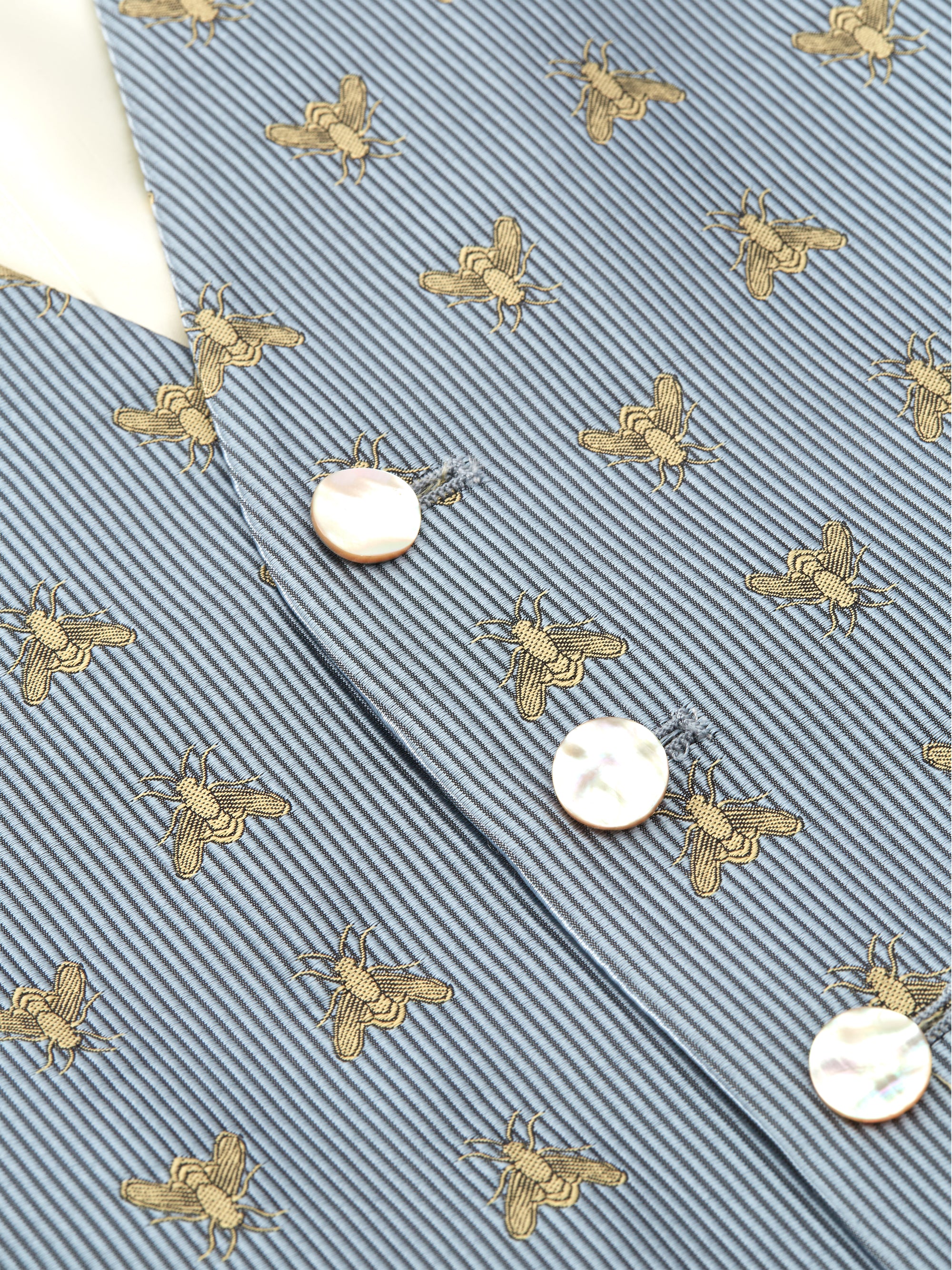
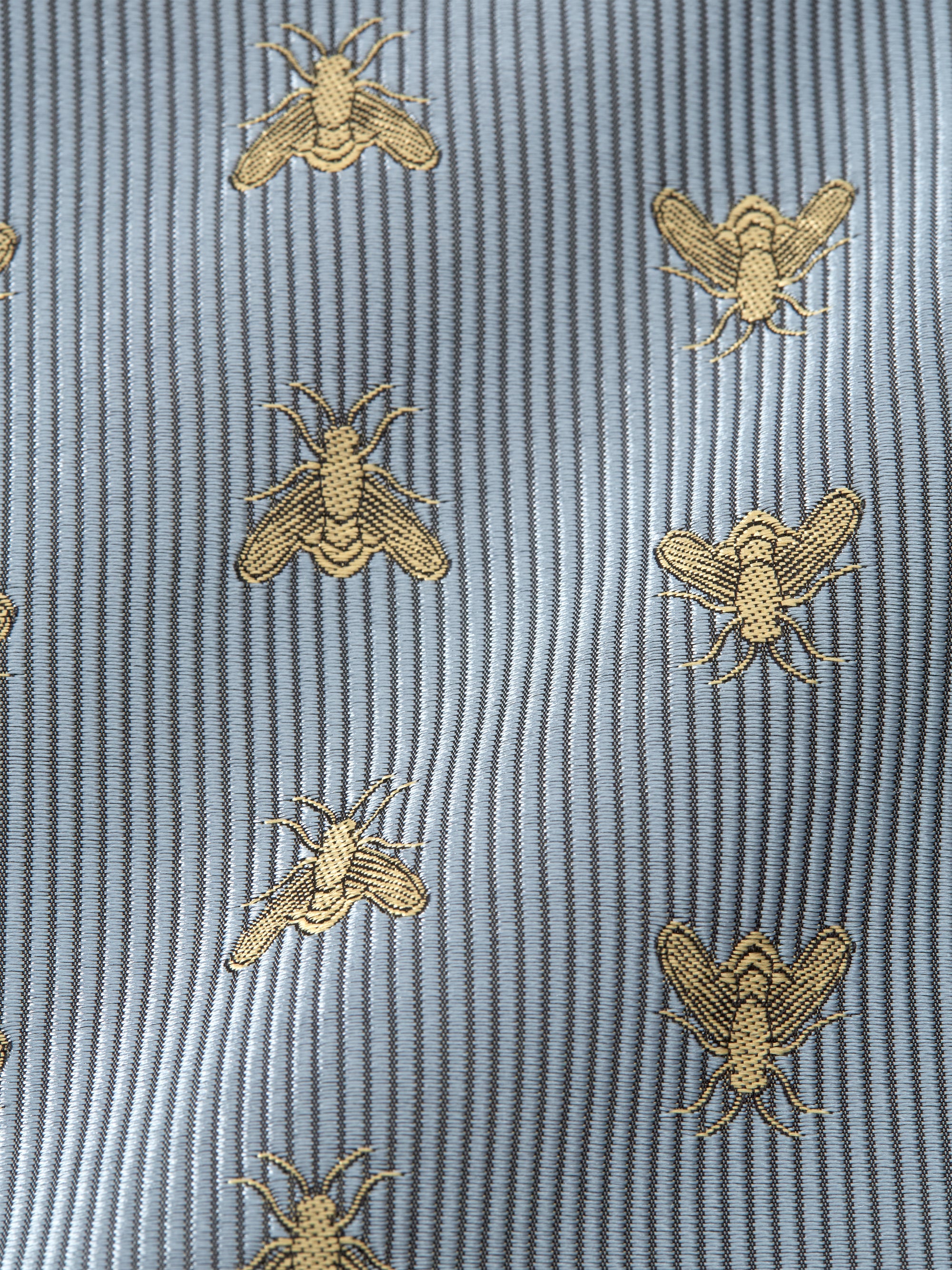
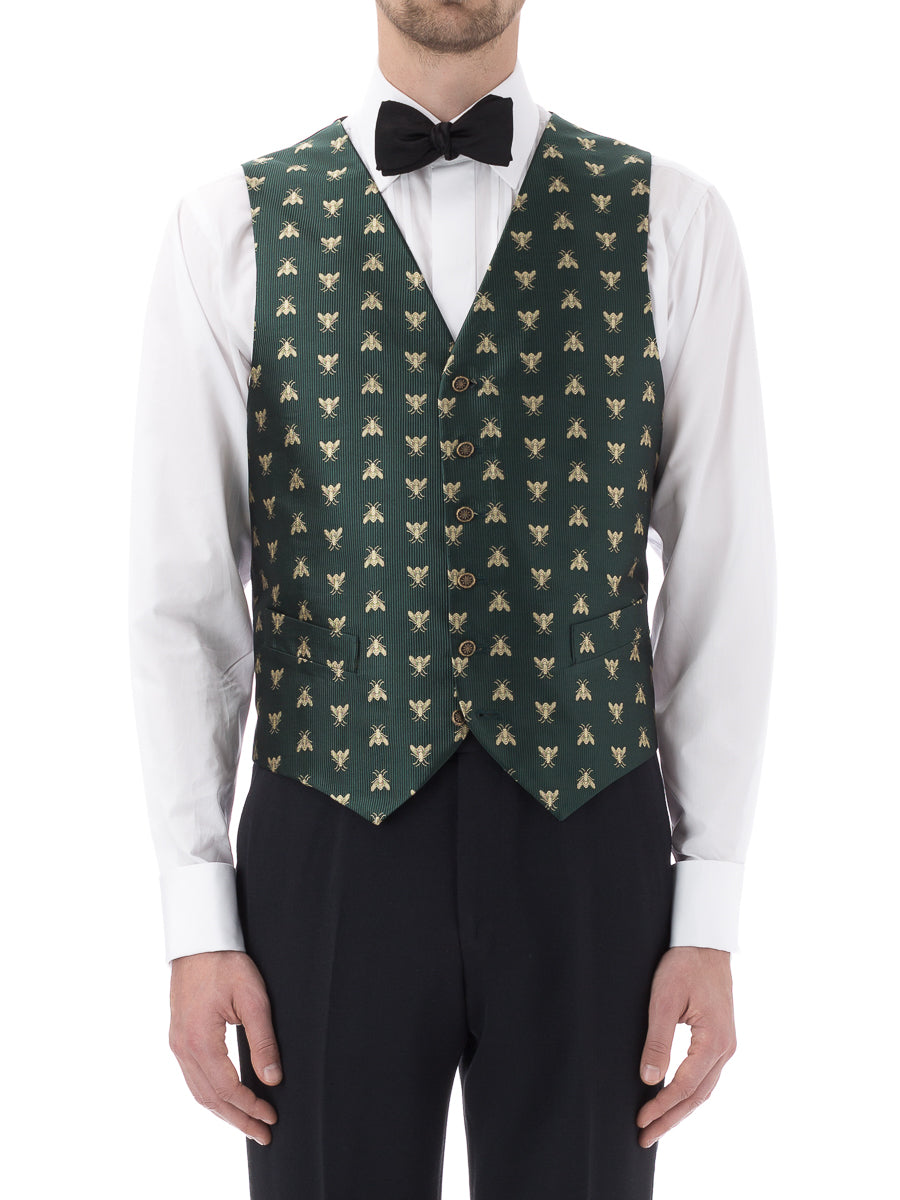
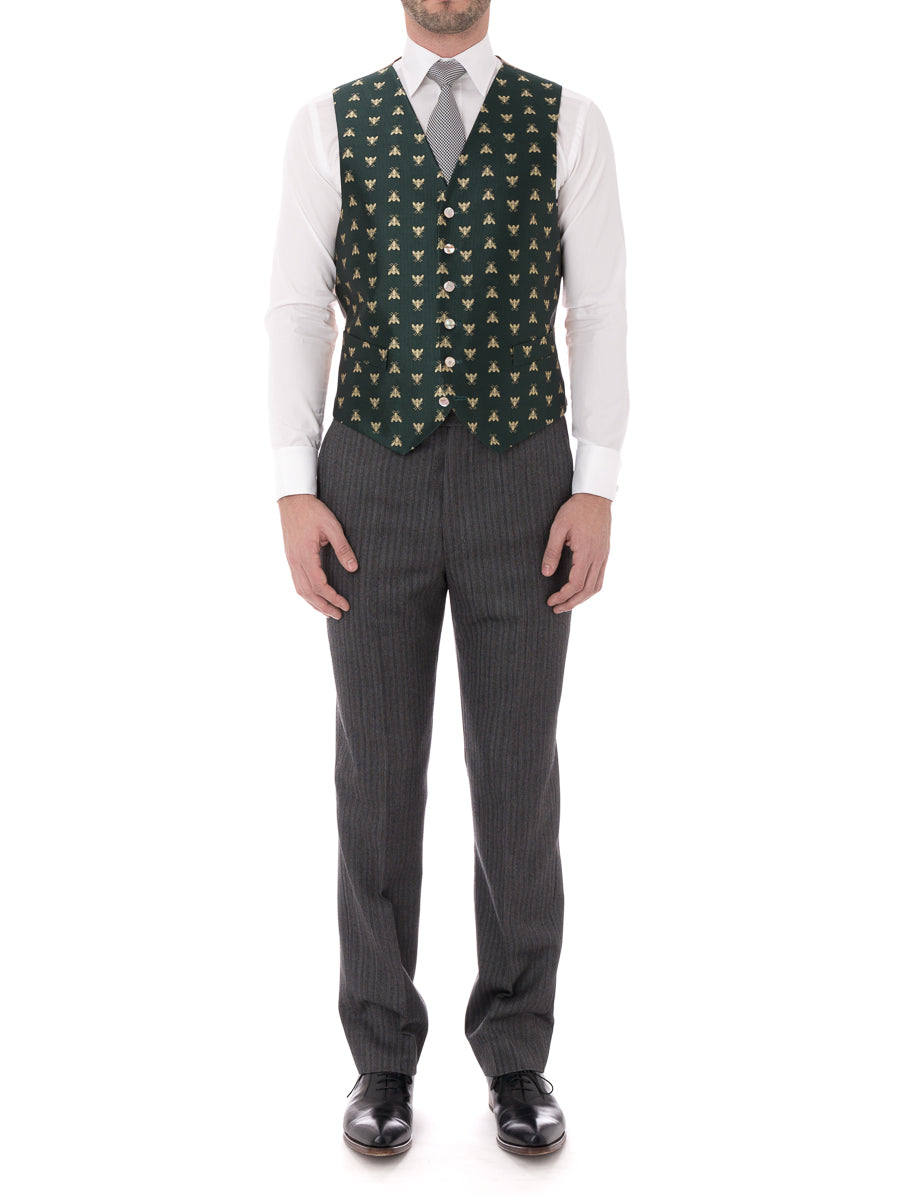
The colour and pattern is entirely subjective but we would always recommend choosing a contrast colour to your morning coat, unless you are opting to wear a grey morning suit, in which case a matching waistcoat is absolutely appropriate (Prince Charles is a great case in point here). For summer months, a linen waistcoat in a pastel hue such as dove grey, champagne, powder blue or dusty pink is an excellent choice for weddings or Royal Ascot, but don’t be afraid to opt for bold silk patterns either. A floral pattern or a geometric print can be a fantastic way to inject colour and personality into your outfit.

Shop Waistcoats

Older Post Newer Post

Leave a comment

Journal

RSS
The Favourbrook Trouser Guide

The Favourbrook Trouser Guide

We produce a number of different formal trouser styles at Favourbrook - this is the definitive guide on fit so you have the utmost confidence...

Read more
Linen Waistcoats For Weddings And Summer Events

Linen Waistcoats For Weddings And Summer Events

Summer weddings and outdoor events call for tailoring that keeps you looking sharp without overheating. This week we spotlight our collection of lightweight linen waistcoats...

Read more
The Favourbrook Trouser Guide

The Favourbrook Trouser Guide

We produce a number of different formal trouser styles at Favourbrook - this is the definitive guide on fit so you have the utmost confidence...

Read more
Linen Waistcoats For Weddings And Summer Events

Linen Waistcoats For Weddings And Summer Events

Summer weddings and outdoor events call for tailoring that keeps you looking sharp without overheating. This week we spotlight our collection of lightweight linen waistcoats...

Read more
Runners, Riders, Revellers: Get Ready for Royal Ascot 2026

Runners, Riders, Revellers: Get Ready for Royal Ascot 2026

There is little room for subjective interpretation when it comes to the dress code for the Royal Enclosure at Royal Ascot, but that's not to...

Read more
It's A Hold Up: The Return Of Braces

It's A Hold Up: The Return Of Braces

As trouser styles gravitated towards the hips, braces looked destined for the menswear scrapheap, but a new wave of sartorial clamour has made them more...

Read more
How to Dress for Ascot: The Favourbrook Guide to Womenswear

How to Dress for Ascot: The Favourbrook Guide to Womenswear

Discover how to dress for Ascot with Favourbrook’s womenswear guide, from race day dresses and occasion coats to hats, tonal styling and limited-run pieces made...

Read more
What to Wear to Garsington Opera 2026: Dress Codes, Style Tips, and Festival Highlights

What to Wear to Garsington Opera 2026: Dress Codes, Style Tips, and Festival Highlights

Fast becoming one of the highlights of the season, the Garsington Opera at Wormsley is a beautiful occasion to dress up for...

Read more
Fresh Summer Looks For Ladies

Fresh Summer Looks For Ladies

Summer is finally here, and it’s time to embrace lighter fabrics, softer colours, and silhouettes that feel as good as they look. From flowing midi...

Read more
Demystifying Men’s Dress Codes: How to Dress for Royal Ascot

Demystifying Men’s Dress Codes: How to Dress for Royal Ascot

A guide to dressing for the Royal Enclosure with judgement, confidence and a proper sense of occasion, from morning suits and waistcoats to the finer...

Read more
Dressing For A Royal Garden Party

Dressing For A Royal Garden Party

Over 30,000 people are invited to the Royal Garden parties each year. If you've been lucky enough to get an invitation, we'll show you how...

Read more
Demystifying Dress Codes: The Ultimate Guide to Black Tie

Demystifying Dress Codes: The Ultimate Guide to Black Tie

Traditional black tie is splendid and perfect for most, but for those with a streak of rebellion, there are certain ways to bend the rules...

Read more
How To Style A Summer Suit

How To Style A Summer Suit

With the UK bathed in glorious weather this week, it's the perfect time to examine the intricacies and details of styling a summer suit, paying...

Read more
How To Make A Statement At Summer Weddings

How To Make A Statement At Summer Weddings

Stunning floral dresses and elegant linen coats are just some of the things on the menu for a busy summer of weddings.
Read more