The Art Of The Bow Tie

The Art Of The Bow Tie

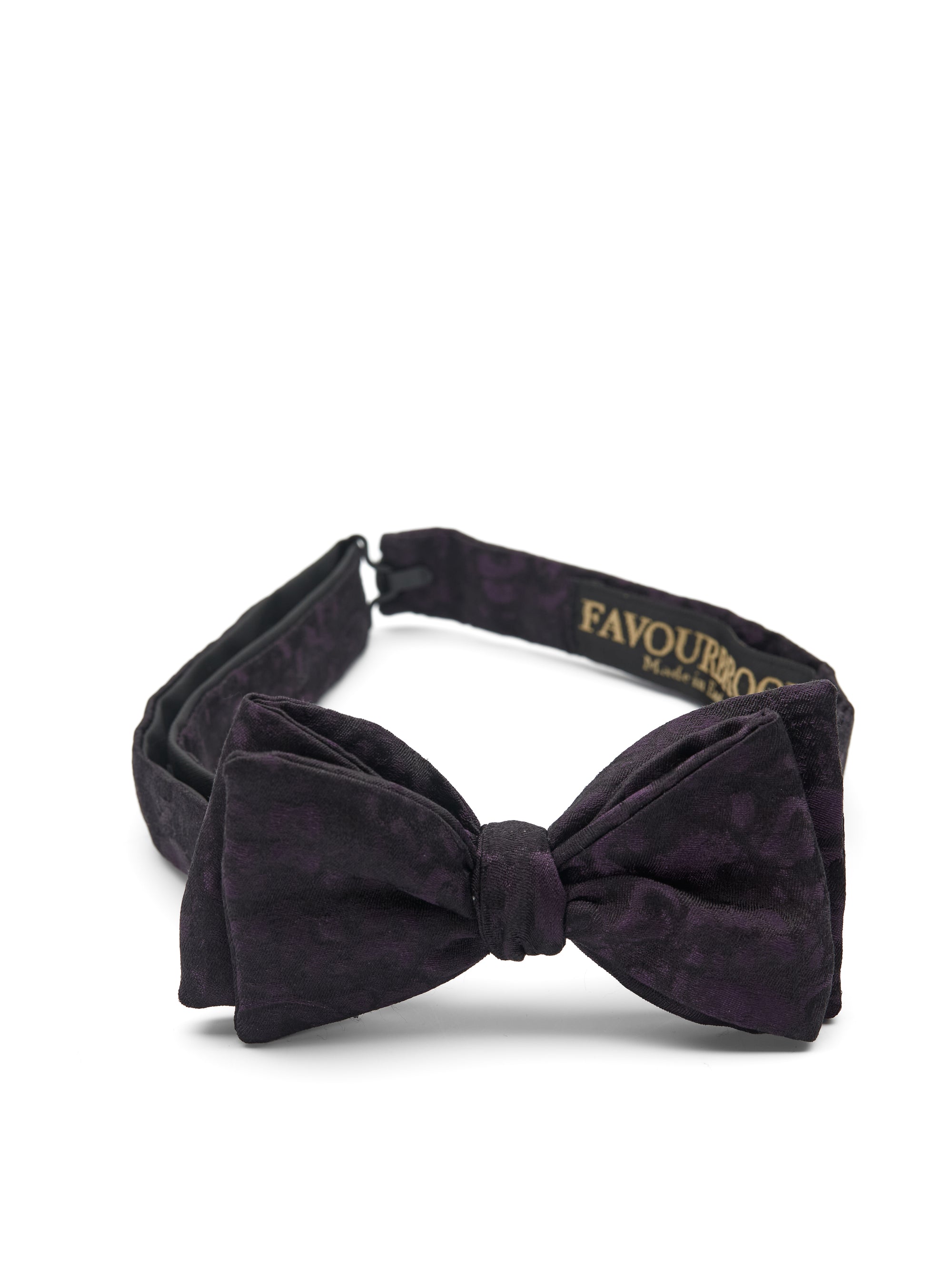
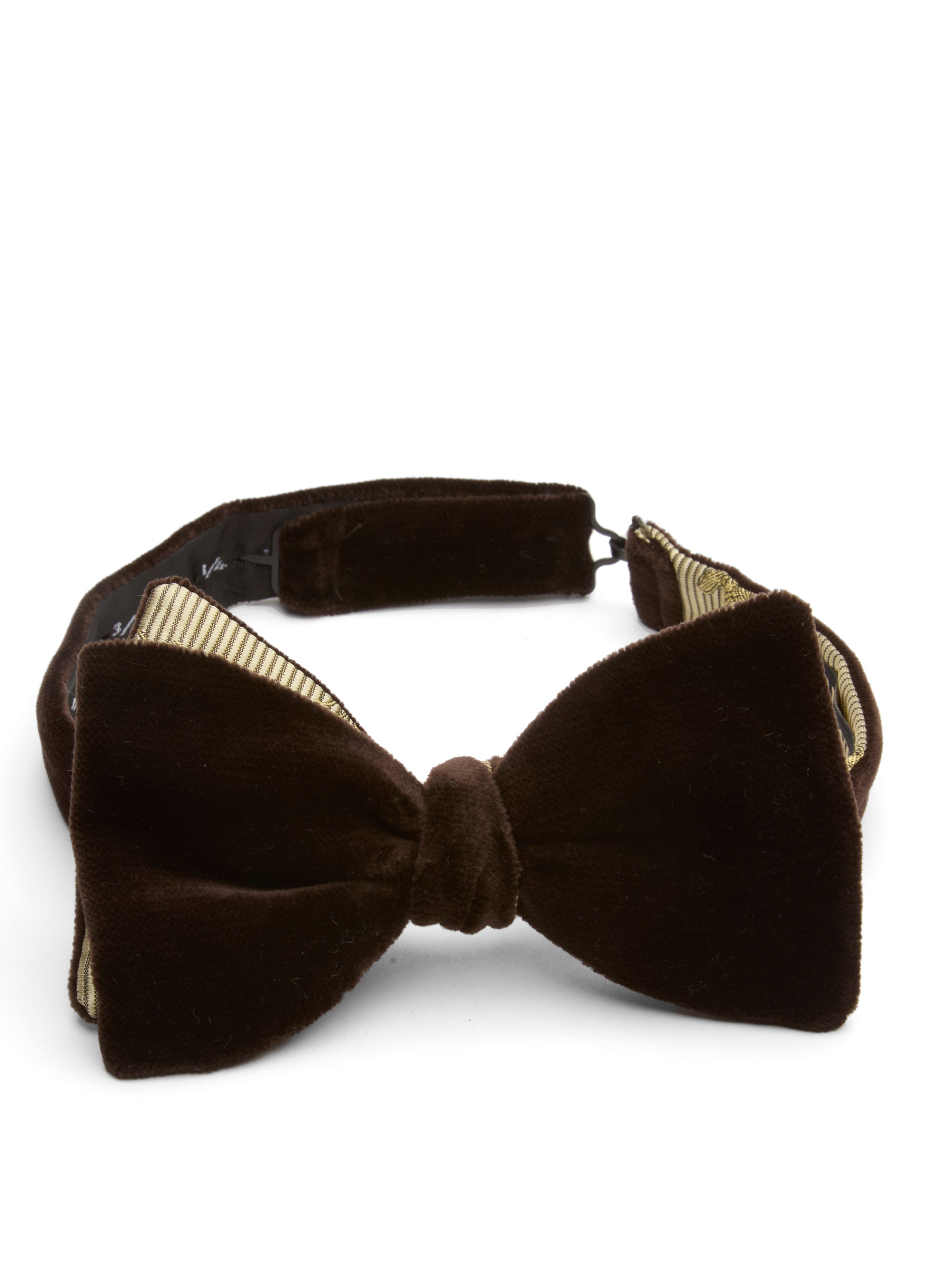
The bow tie, that diminutive yet commanding flourish of fabric at the throat, stands as one of menswear's most enduring symbols of elegance, rebellion, and individuality. Far from a mere accessory, it is a self-contained statement - compact, somewhat symmetrical, and demanding precision in both construction and wear. This guide traces the bow tie's journey from 17th-century military necessity to 21st-century red-carpet staple, exploring its origins, evolution, cultural resonance, stylistic variations, and enduring role in formal dress. 

The Croatian Cravat and the Birth of the Bow

The bow tie's lineage begins not in a tailor's atelier but on the battlefields of 17th-century Europe. During the Thirty Years' War (1618–1648), Croatian mercenaries in the service of the French crown wore knotted scarves around their necks to hold together the openings of their shirts. These "cravats", derived from the French cravate, a corruption of 'Croate' (Croat), caught the eye of the fashion-conscious Louis XIV. By the 1660s, the Sun King's court had transformed the utilitarian scarf into a lavish status symbol, often made of fine linen or lace and tied in elaborate bows.

This early cravat was not yet the compact bow tie we recognize today but a long, flowing strip of fabric that could be knotted in various ways. The transition from scarf to bow occurred gradually. By the late 17th century, French aristocrats experimented with smaller, more structured knots, including the noeud papillon (butterfly knot), a direct precursor to the modern bow tie. The term "bow tie" itself entered English usage in the 18th century,

The 19th Century: Industrialisation and Democratisation

The bow tie as a distinct garment crystallised in the 19th century, propelled by the Industrial Revolution's twin forces of mass production and social upheaval. The rise of the middle class demanded affordable yet respectable attire, and ready-made bow ties, initially in white for evening wear, black for day, became staples of the haberdashery trade.

The Regency Dandy and the Black Stock

During the Regency era (1811–1820), Beau Brummell elevated the cravat to an art form, favouring starched white linen tied in crisp, symmetrical bows. His influence persisted into the Victorian period, where the "black stock" - a pre-tied bow of silk or satin - emerged as a sombre alternative for daytime formality. This was the era of the batwing bow, narrow and elongated, resembling the wings of a bat in flight. Popular in the 1830s–1850s, it suited the era's slim, tubular silhouettes.

The White Tie Era and the Piqué Bib

By the 1860s, white tie, the most formal dress code, codified the bow tie's role in evening wear. The piqué bow, made of cotton marcella (the same fabric as waistcoat fronts), became de rigueur. Its textured surface caught the light, complementing the starched shirtfront. This period also saw the butterfly shape (also called thistle) gain prominence: wider at the ends, tapering to a narrow centre, it mimicked the natural spread of butterfly wings and became the default for black tie when it emerged in the 1880s.


The 20th Century: From Tuxedo to Counterculture

The bow tie's golden age arrived with the tuxedo. In 1886, Griswold Lorillard wore a tailless dinner jacket to a ball in Tuxedo Park, New York, paired with a black bow tie. The "tuxedo" was born, and with it, the black silk bow tie became the universal emblem of semi-formal evening wear.

The 1920s saw bow ties swell to cartoonish proportions, reflecting the era's exuberance. Fred Astaire's giant butterfly bows in white piqué became icons of Art Deco glamour. Concurrently, the diamond point bow emerged: pointed ends instead of flat, offering a sharper, more architectural silhouette. This shape peaked in the 1930s, favoured by the Duke of Windsor.

Post-War Rebellion: Architects and Academics

The bow tie's association with nonconformity solidified in the mid-20th century. Architects like Frank Lloyd Wright and academics like Noam Chomsky adopted it as a badge of intellectual independence. The club bow - rounded ends, often in regimental stripes - became a preppy staple at Ivy League campuses. 

Shapes and Styles: A Typology Through Time

The bow tie's silhouette has evolved in tandem with lapel widths and cultural moods. Here are the primary shapes, mapped to their historical peaks:

  1. Batwing (1830s–1880s) Narrow, straight-ended; precursor to modern slim ties. Favoured the narrow lapels of early Victorian suits.

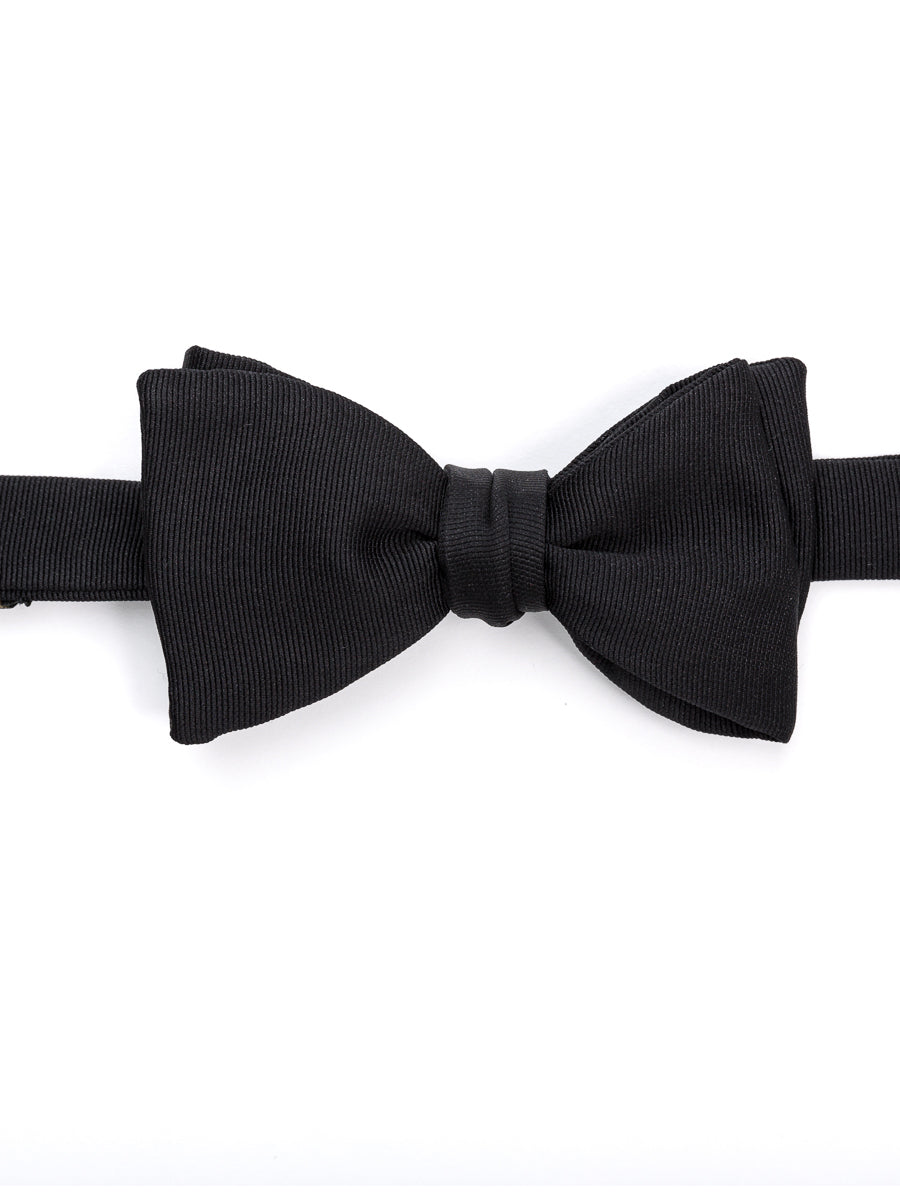
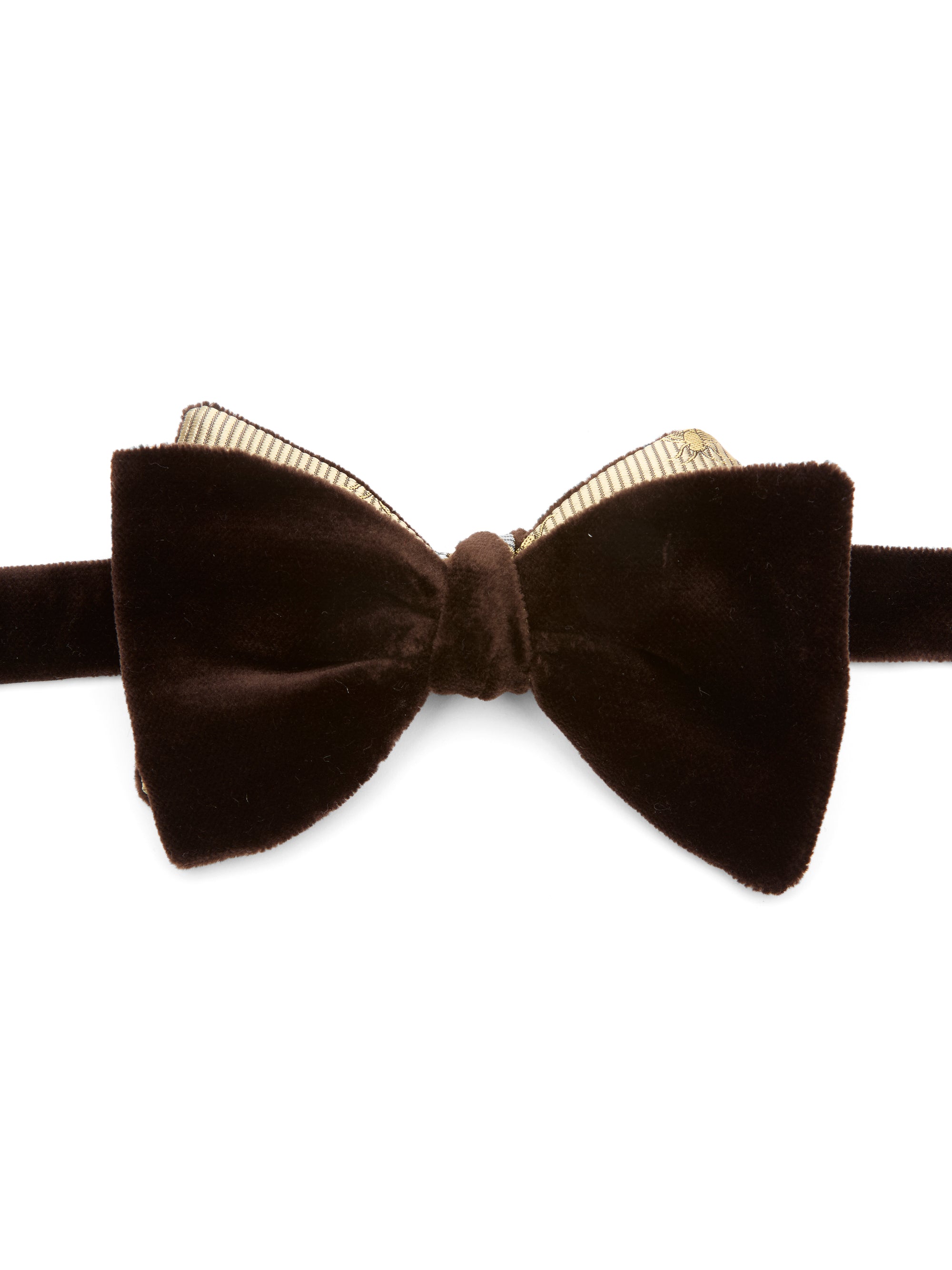
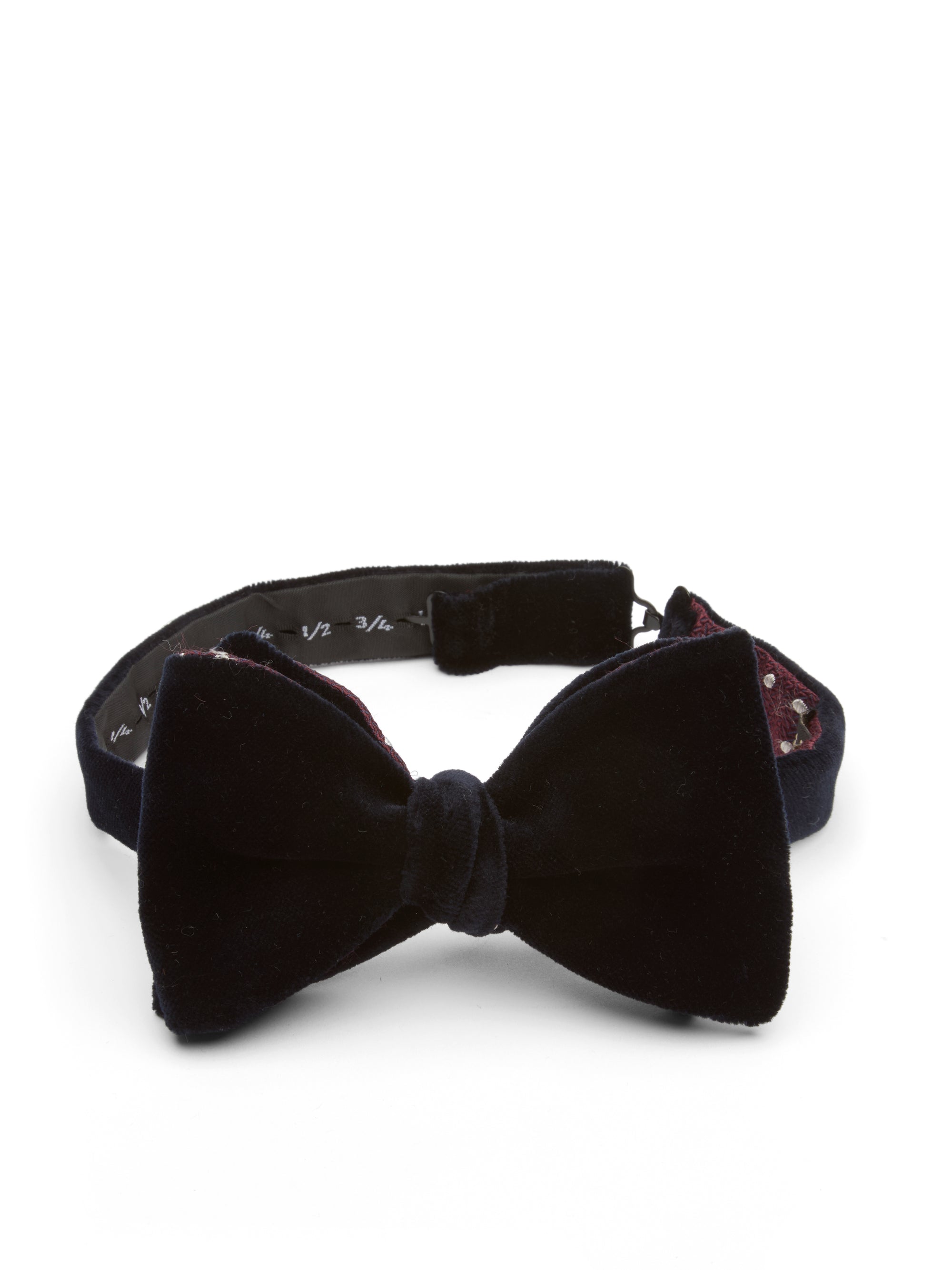
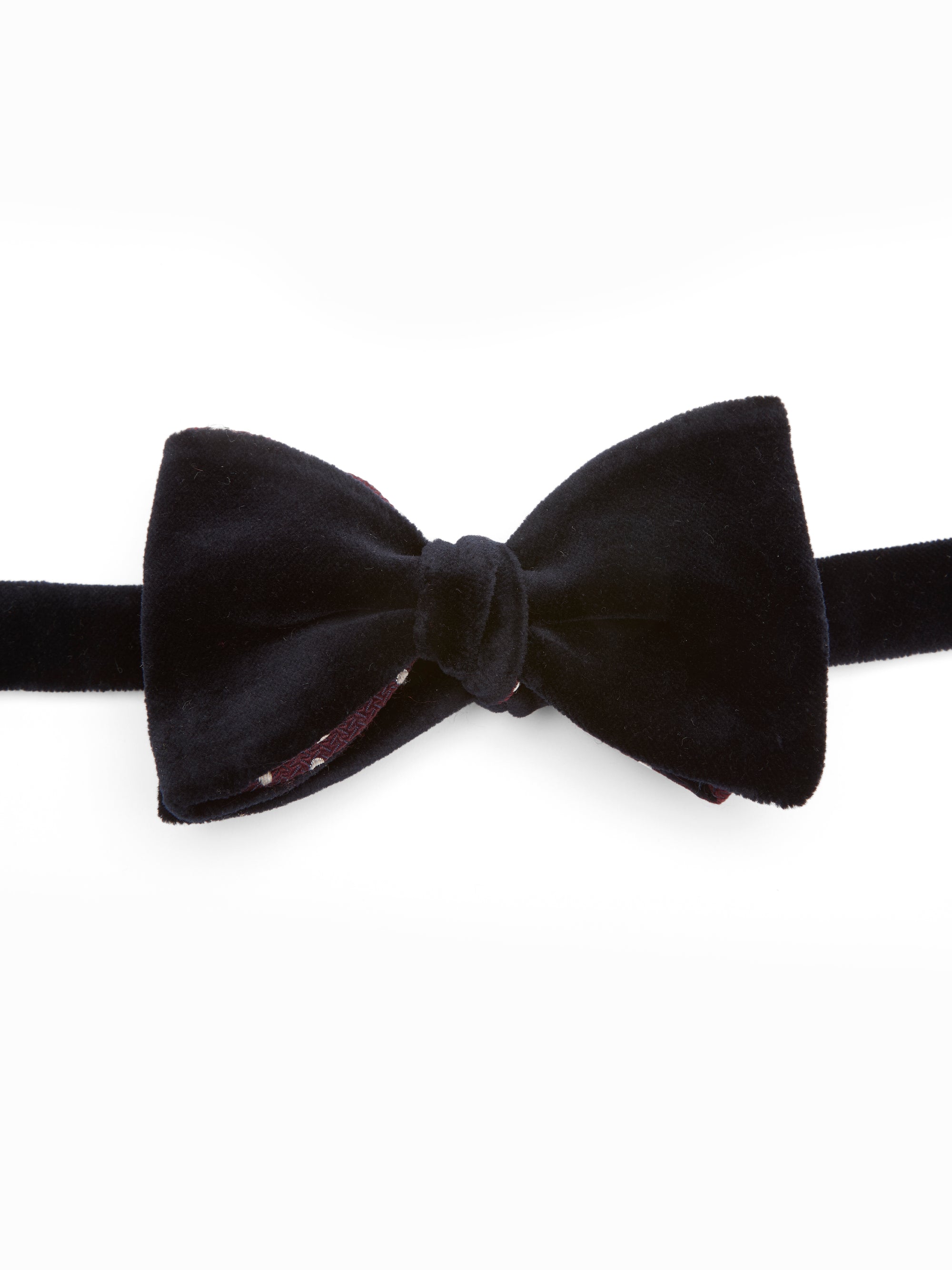
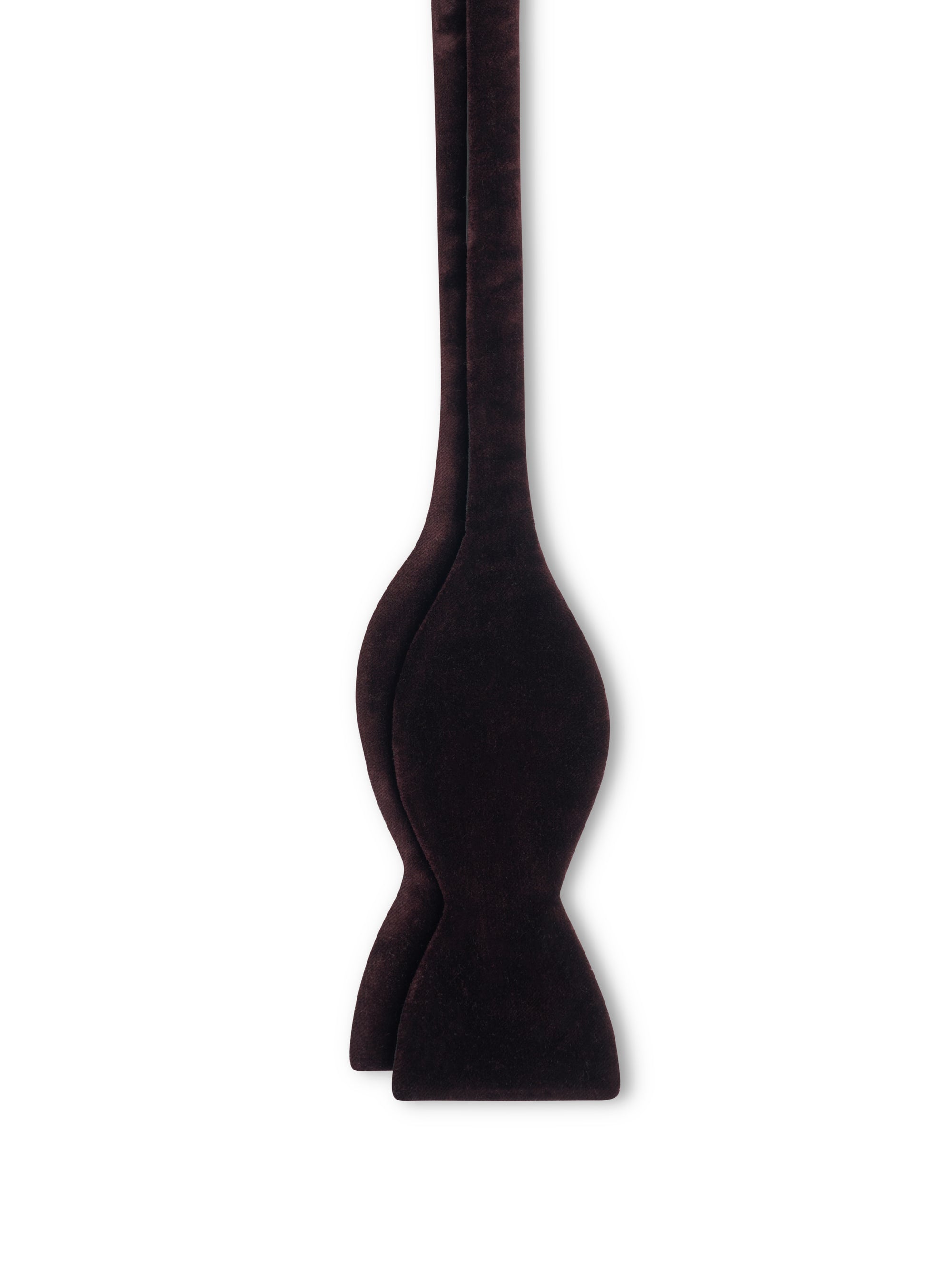
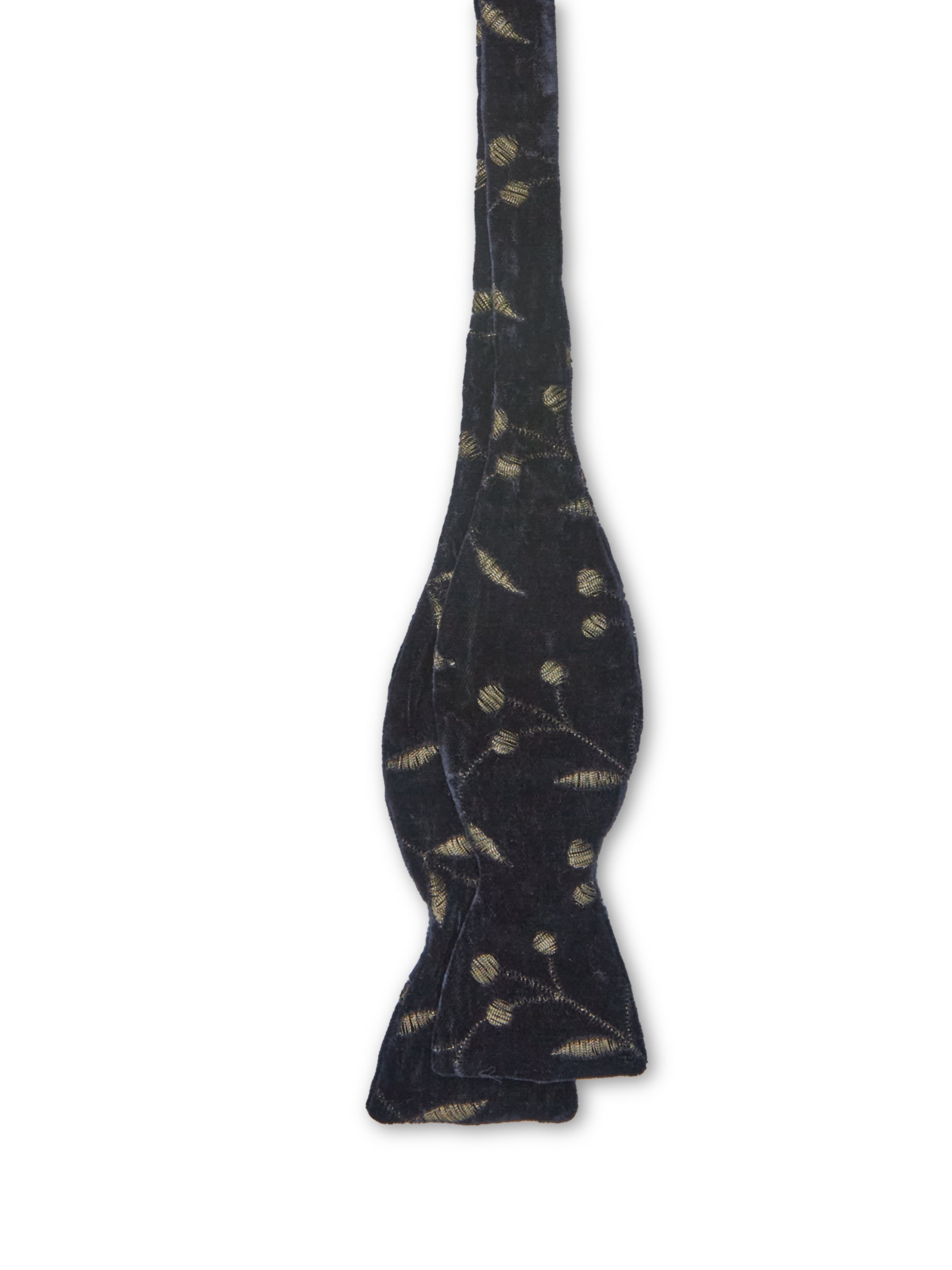
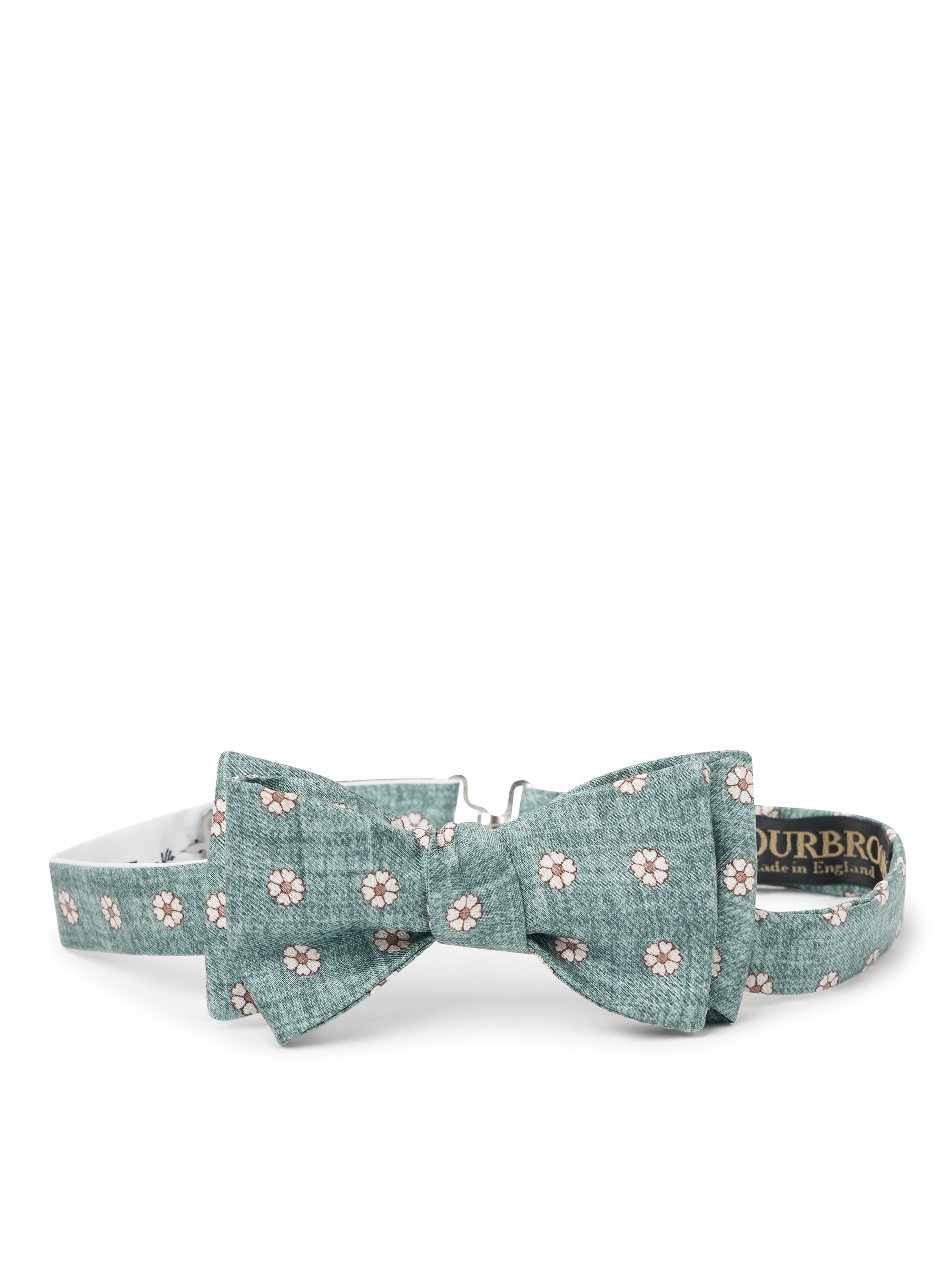
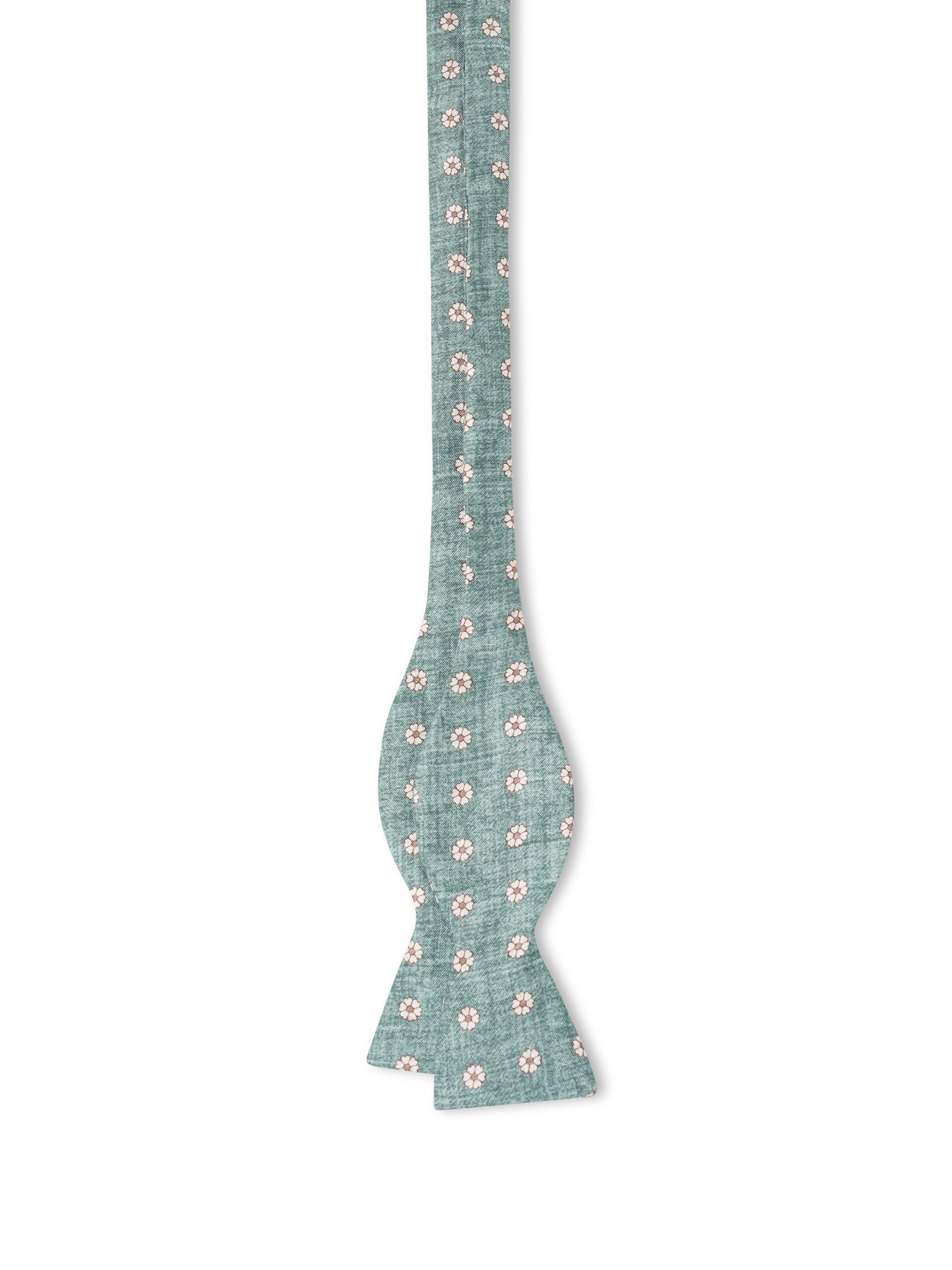
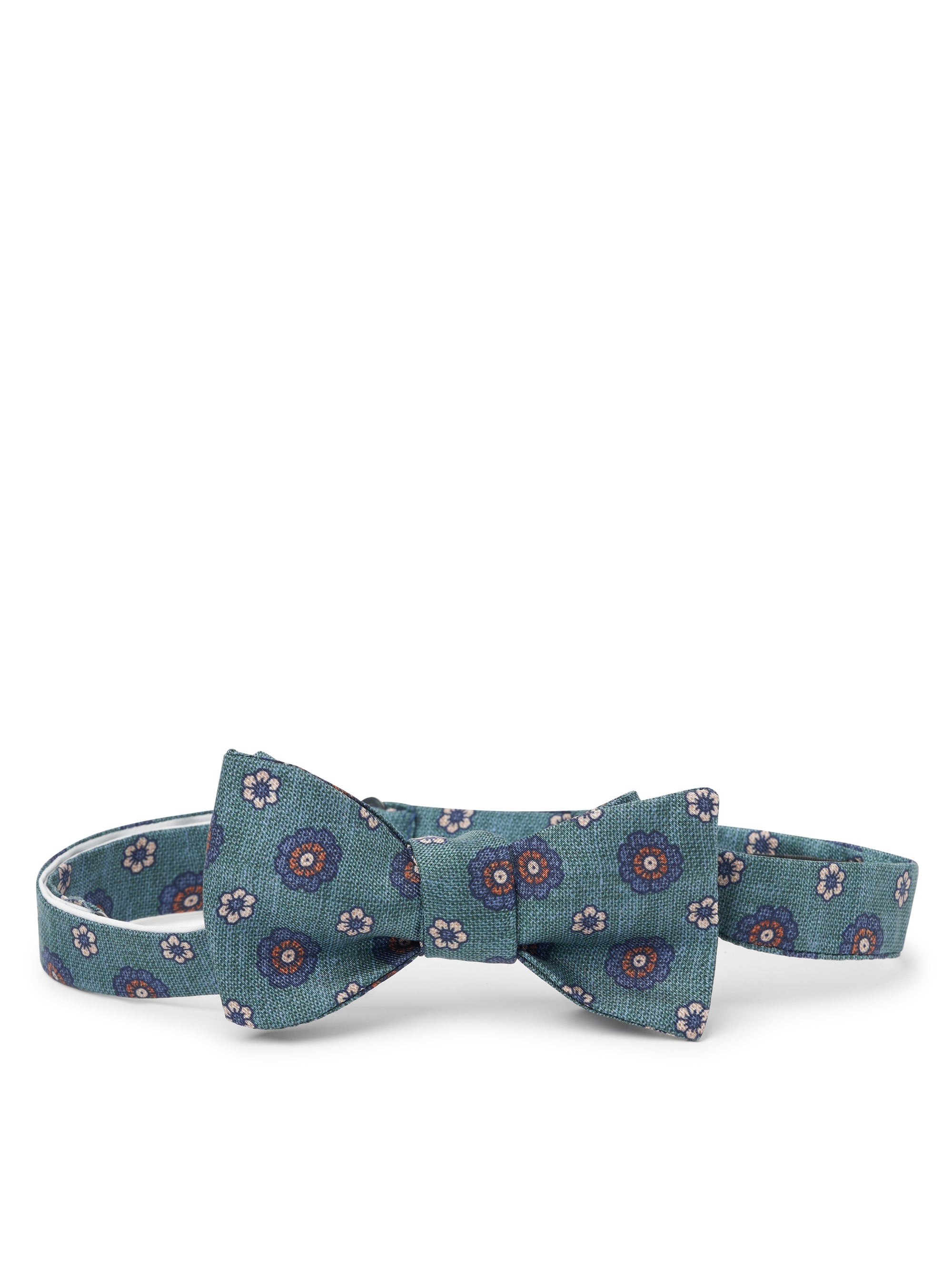
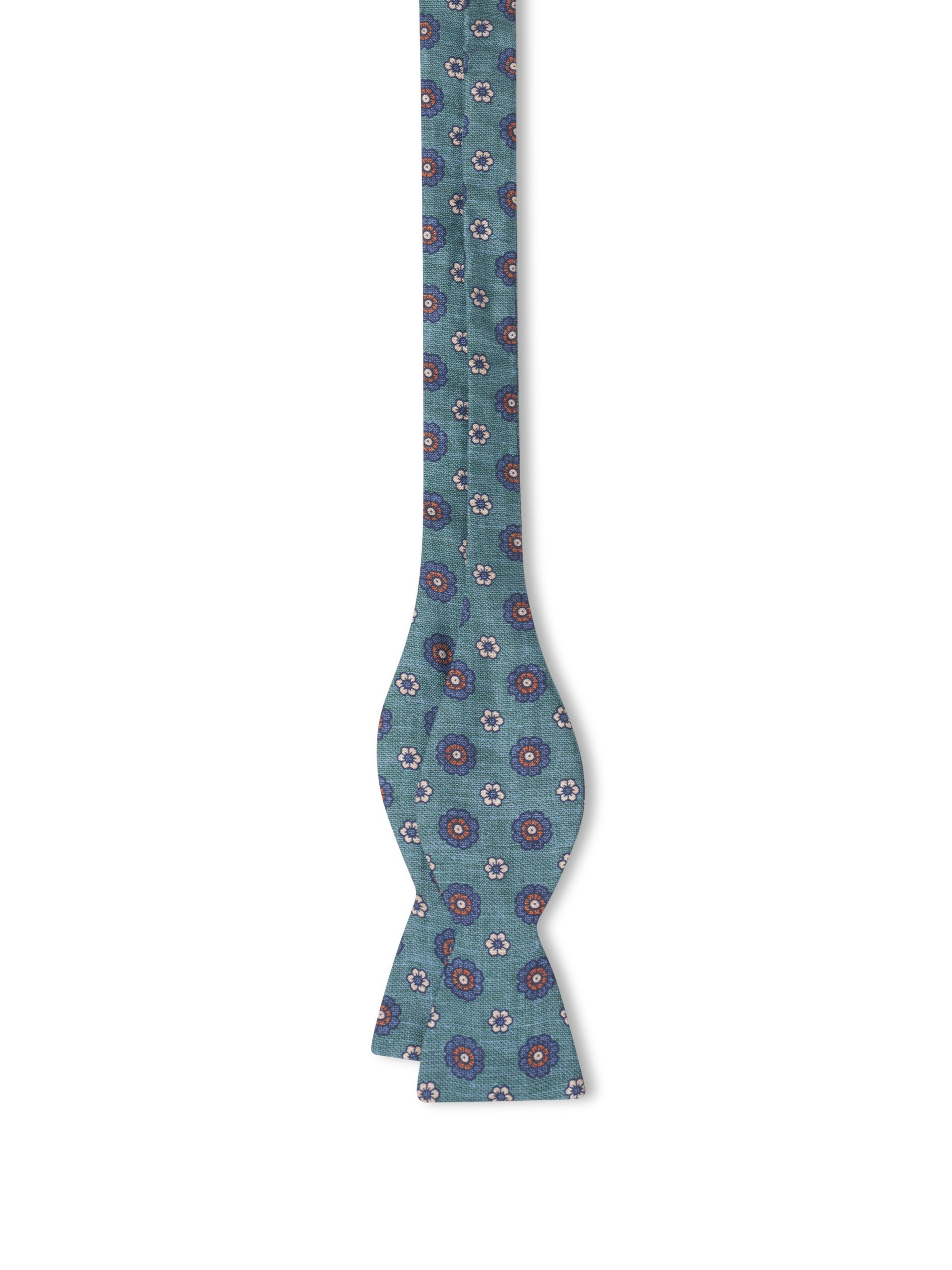
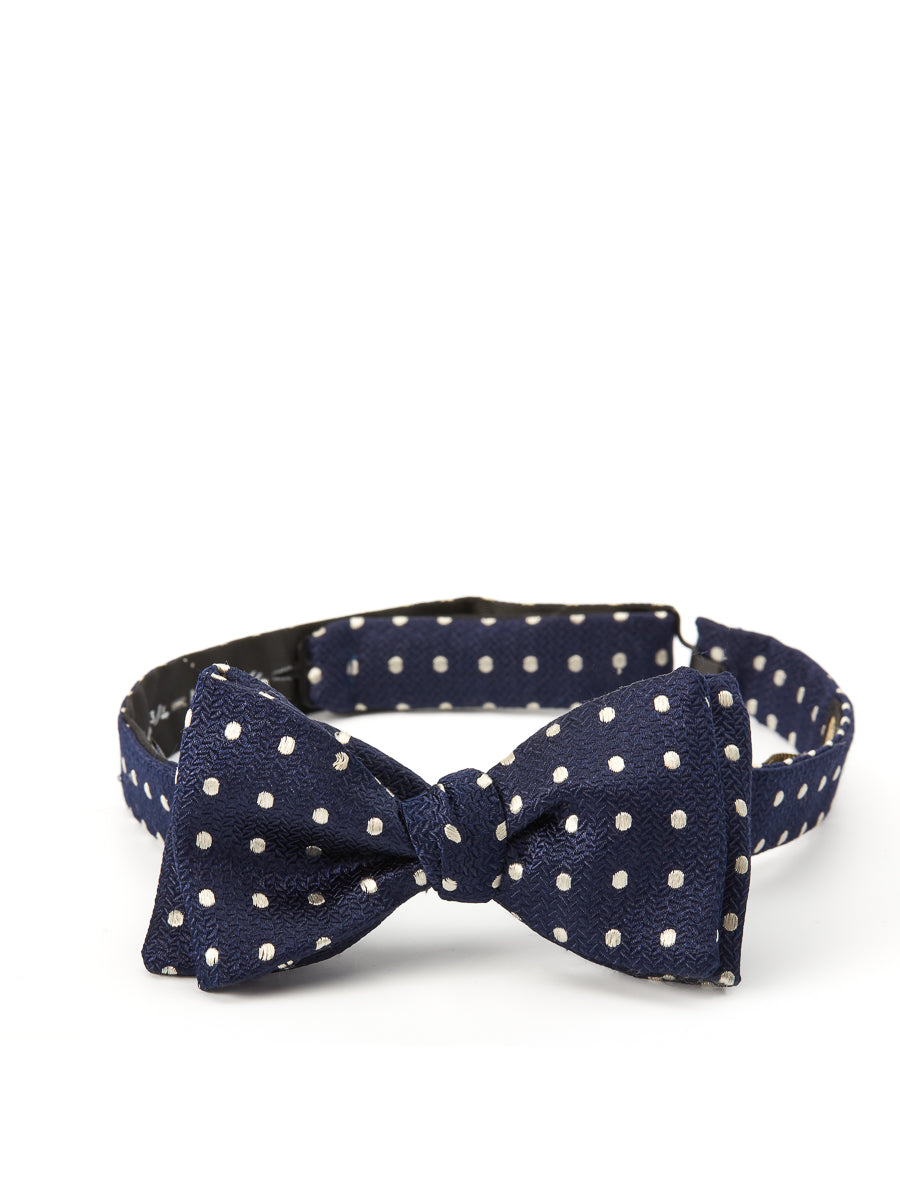
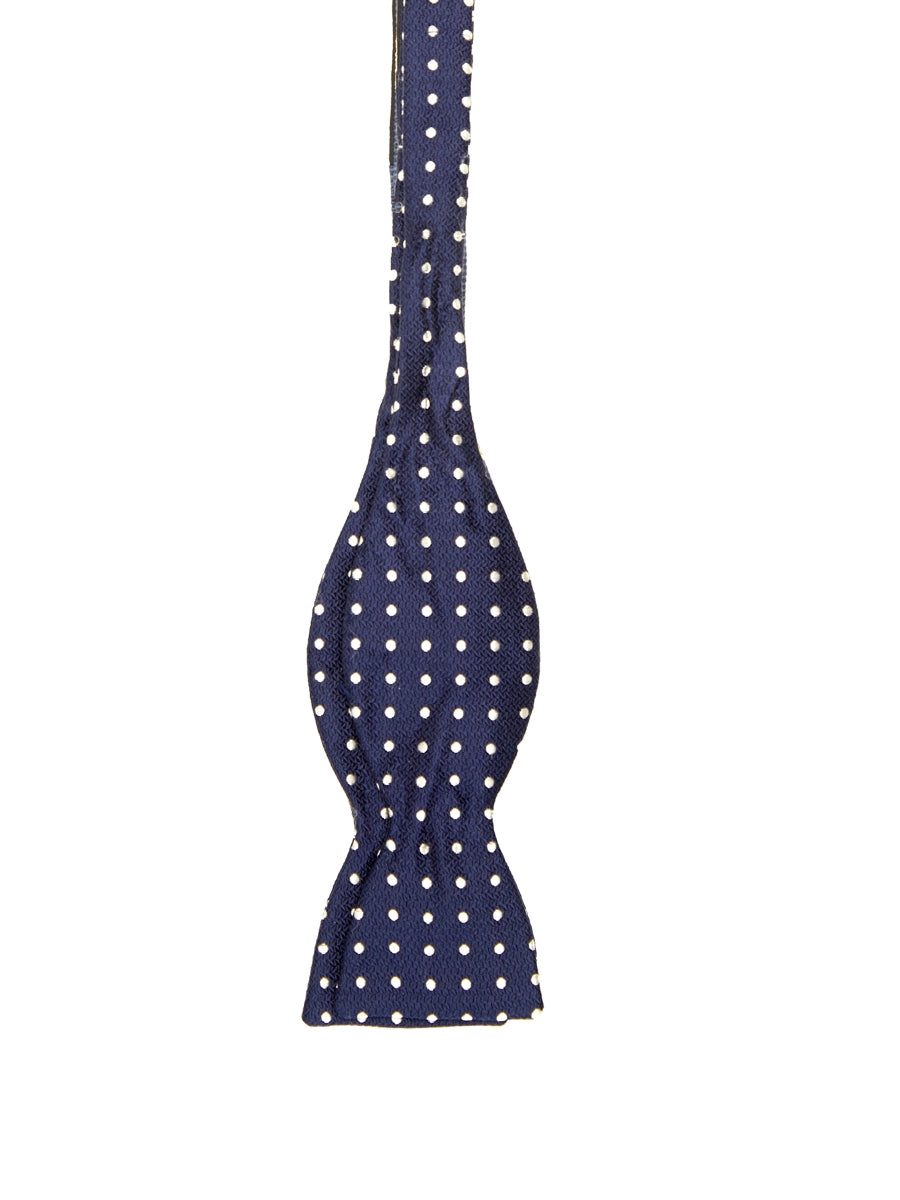
  2. Butterfly/Thistle (1880s–present) The classic: 2–2.75 inches high, wider ends. Standard for black tie since the 1890s. Sub-variants include:
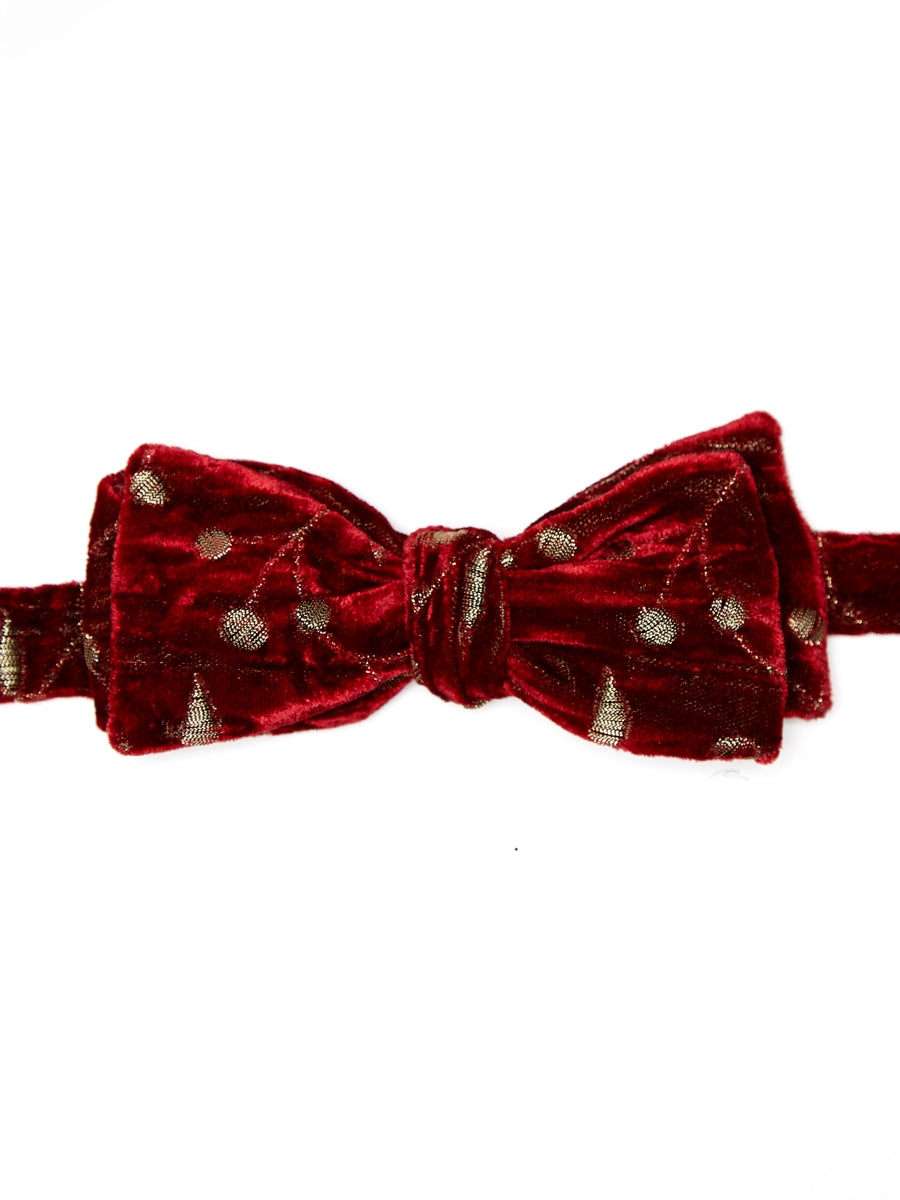
    • Semi-butterfly: Slightly narrower centre.

    • Big butterfly: 3+ inches, 1920s excess.
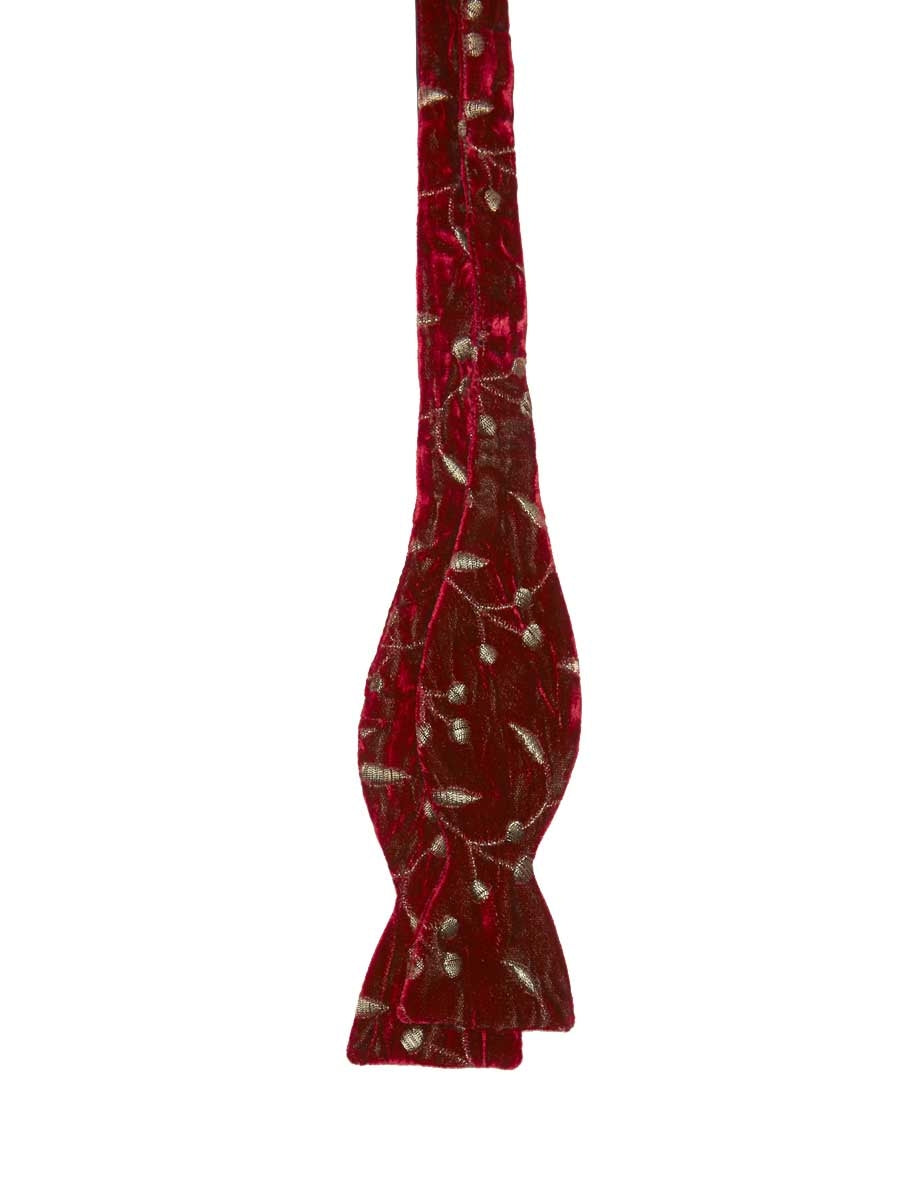
  3. Diamond Point (1930s–1960s) Pointed ends create a dynamic, arrow-like shape. Peaked in the 1950s with narrow lapels.
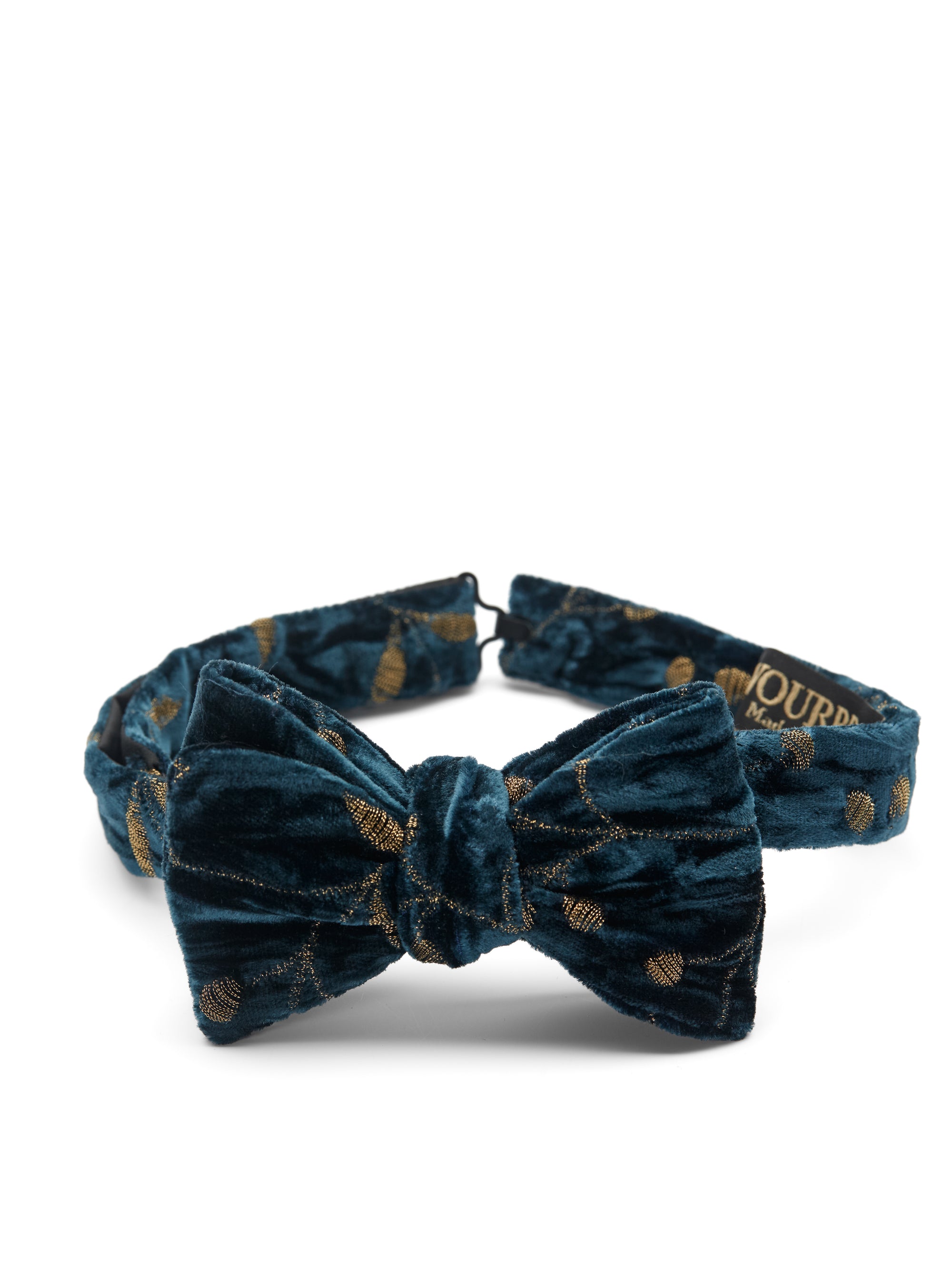
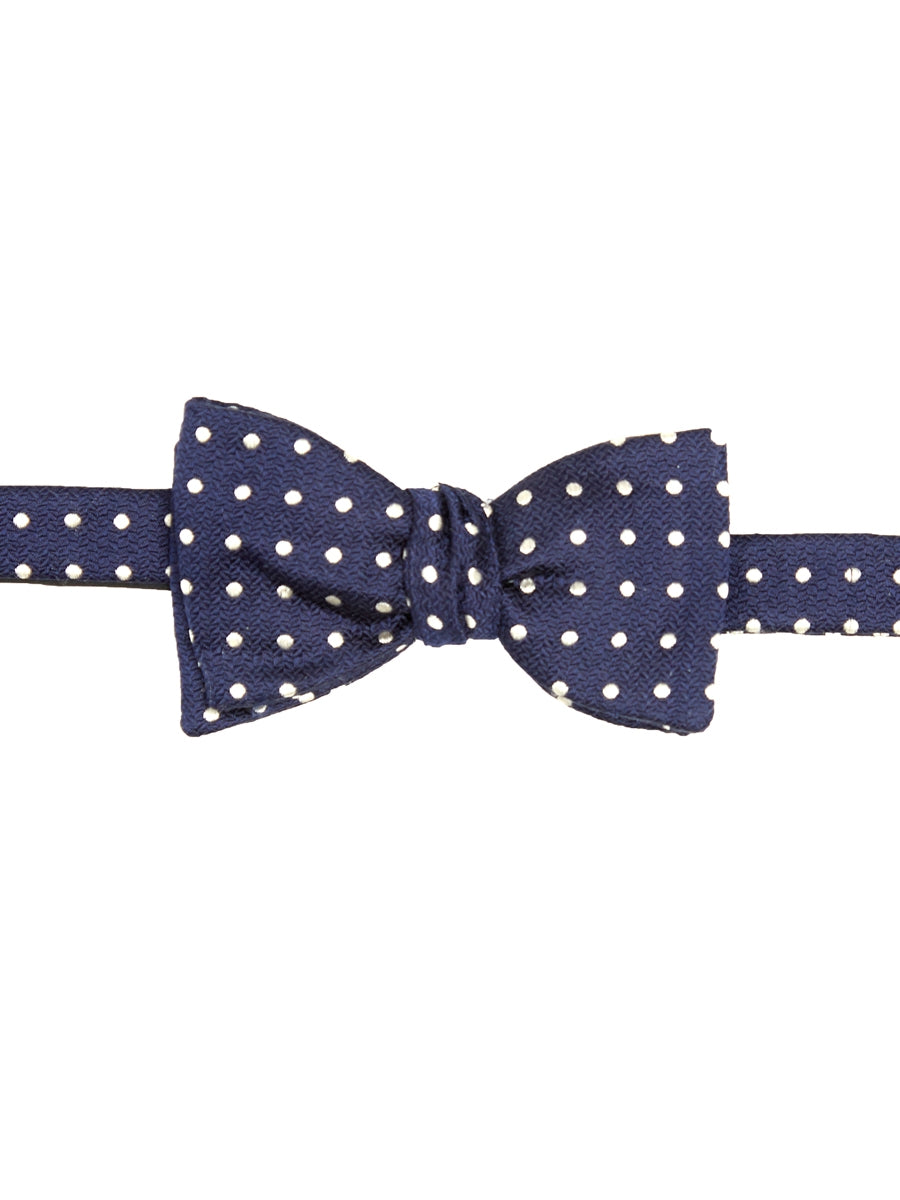
  4. Club/Rounded (1950s–present) Soft, rounded ends; collegiate and quirky. Often in patterns (polka dots, paisley).

  5. Slim/Blade (2010s–present) Under 2 inches high; echoes 1960s mod style. Pairs with slim suits.

The Bow Tie in Black Tie Today

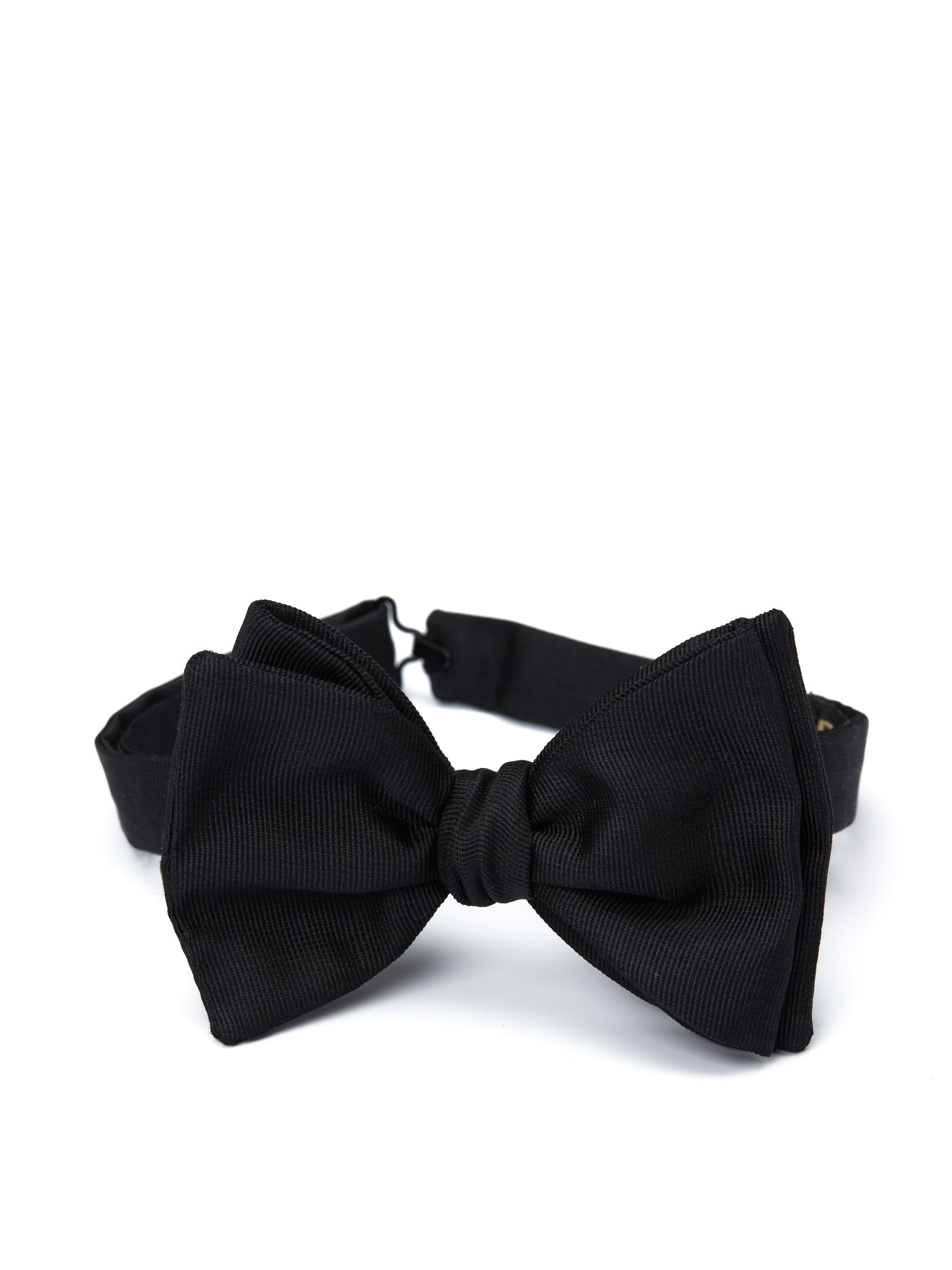
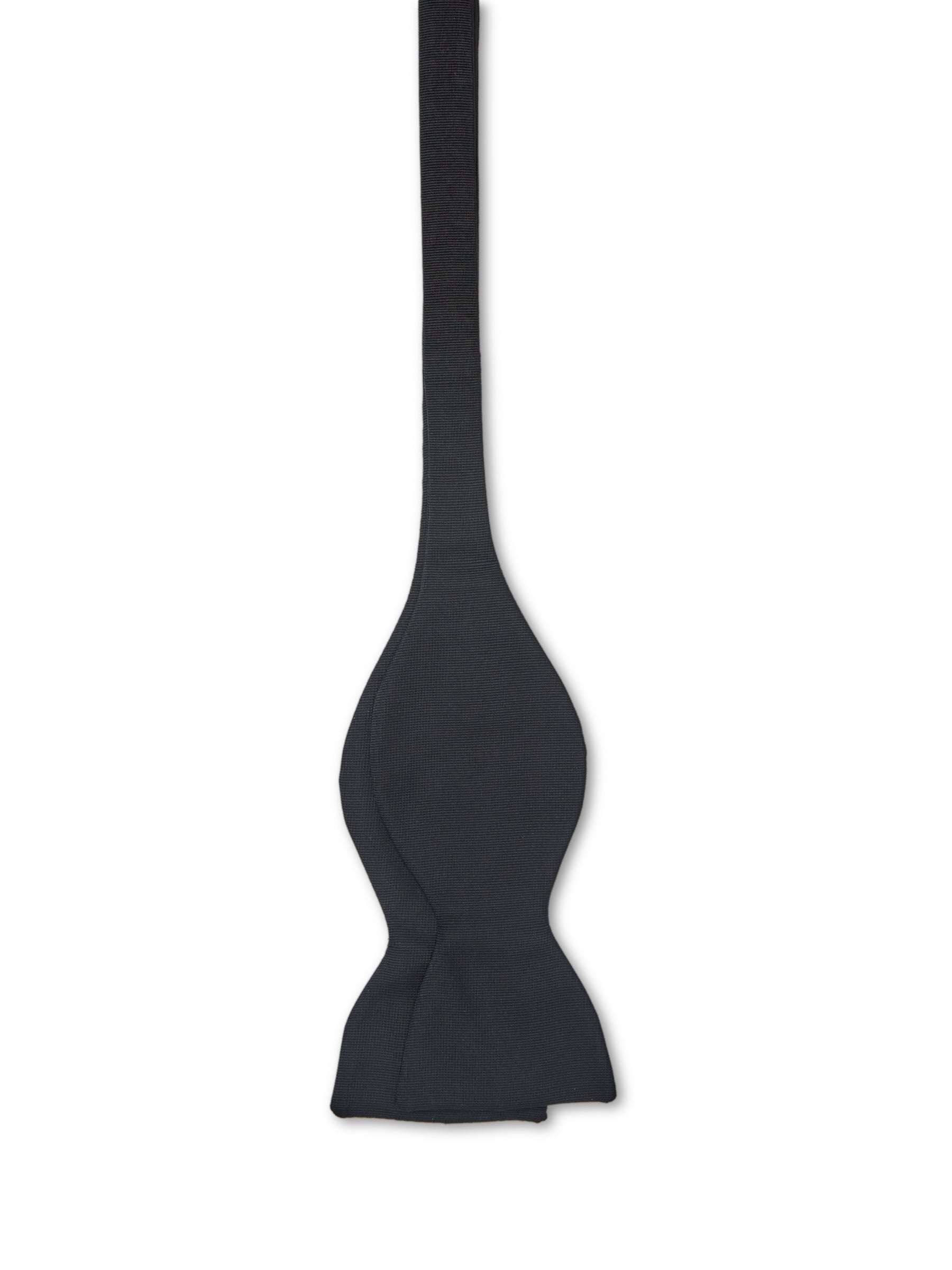
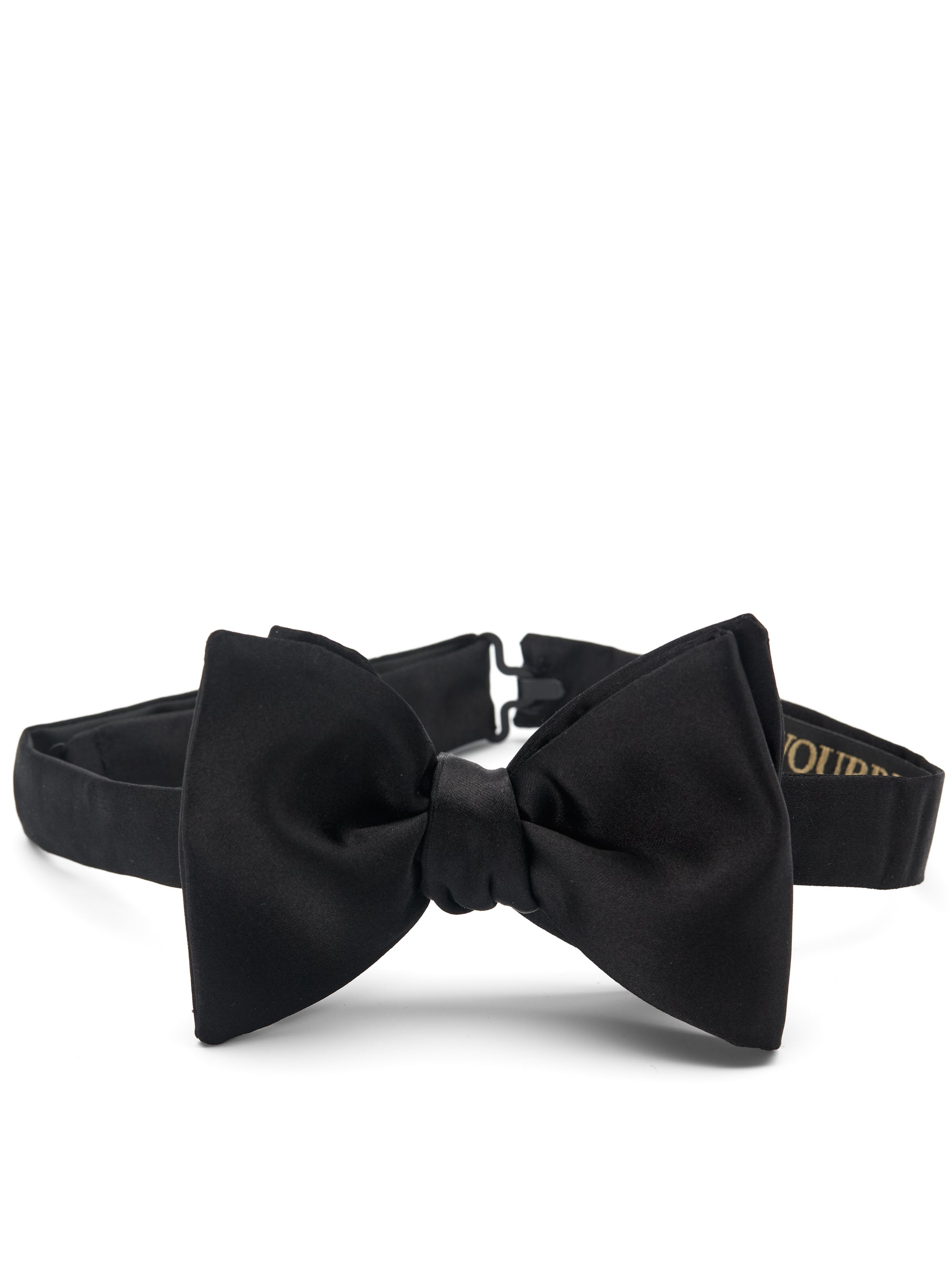
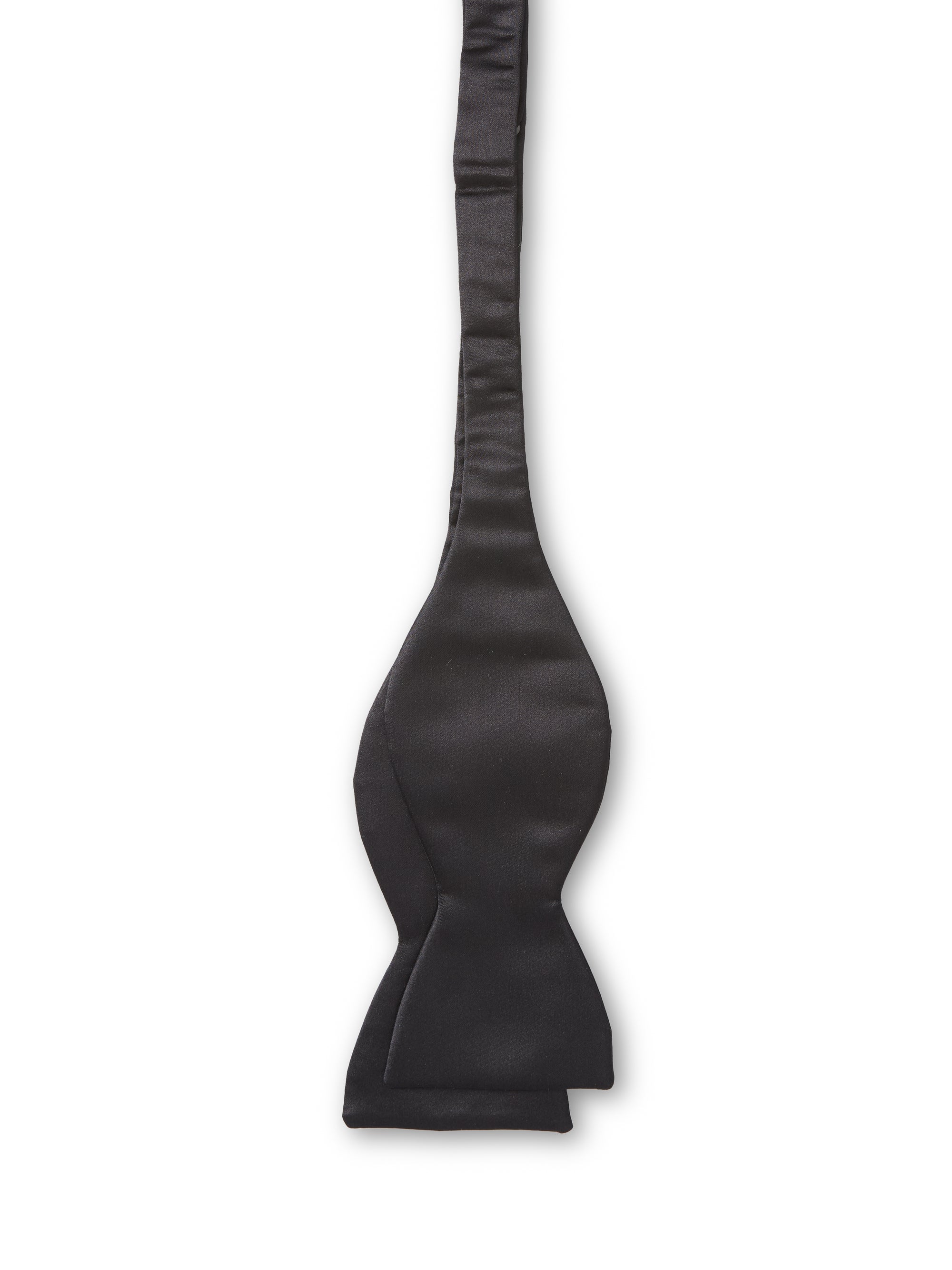
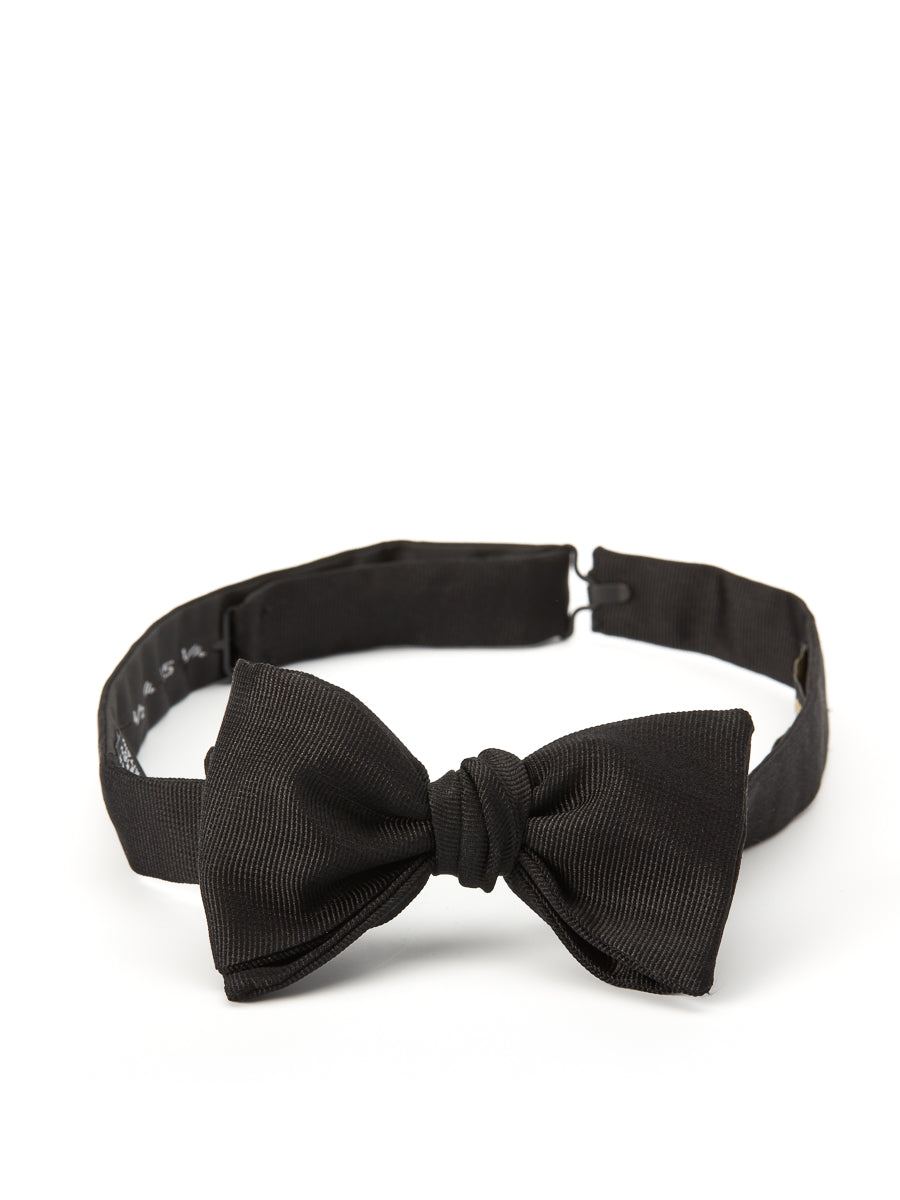
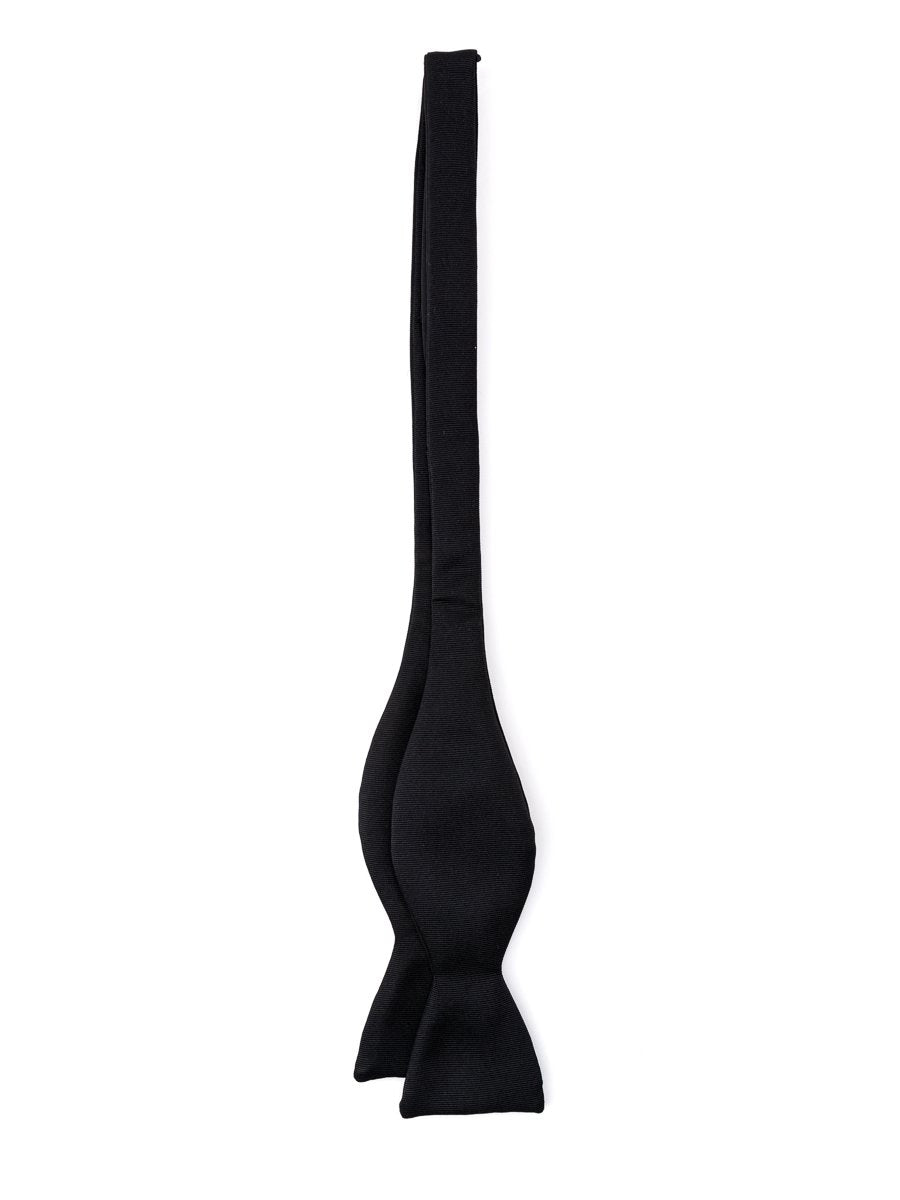
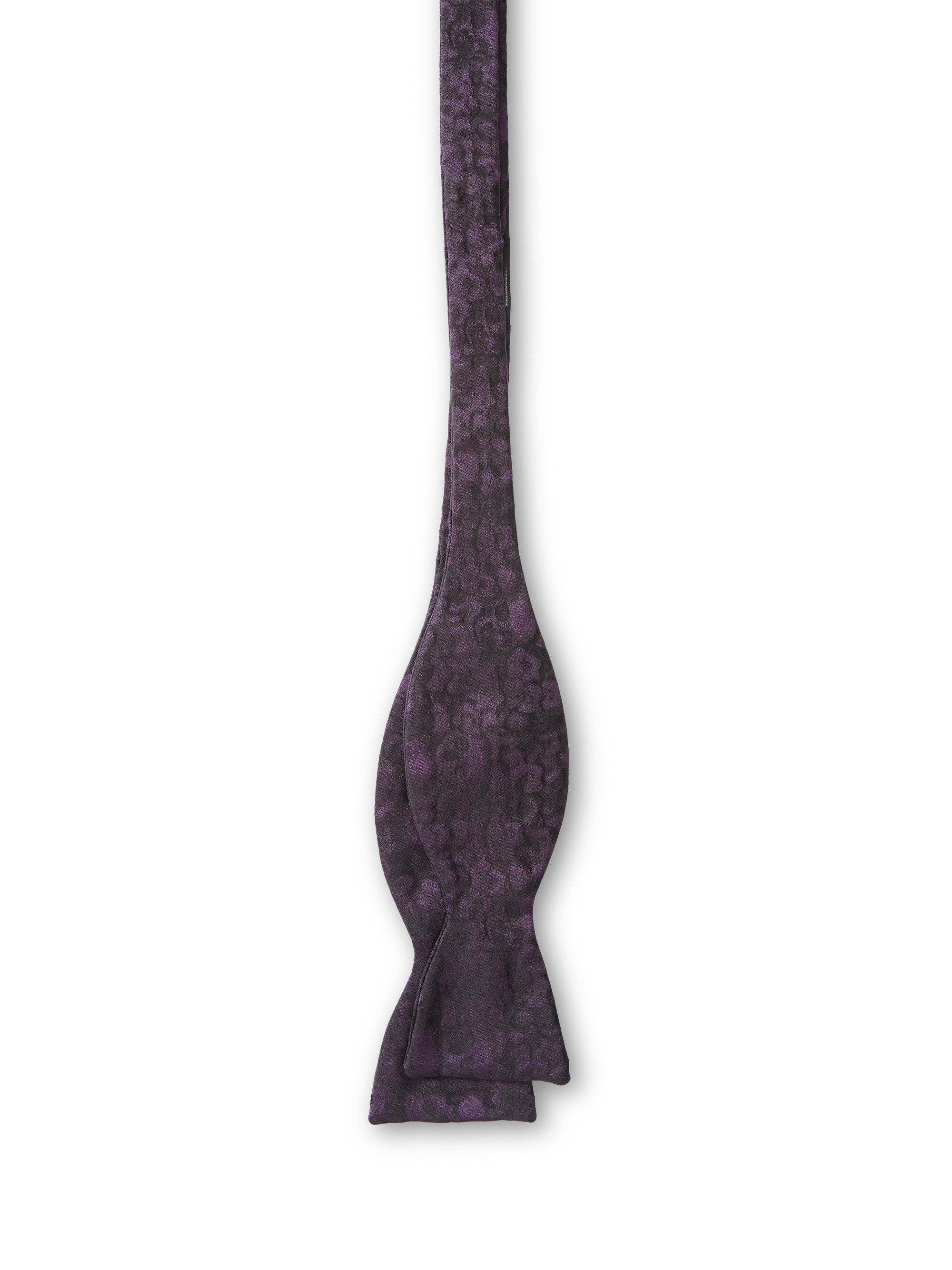
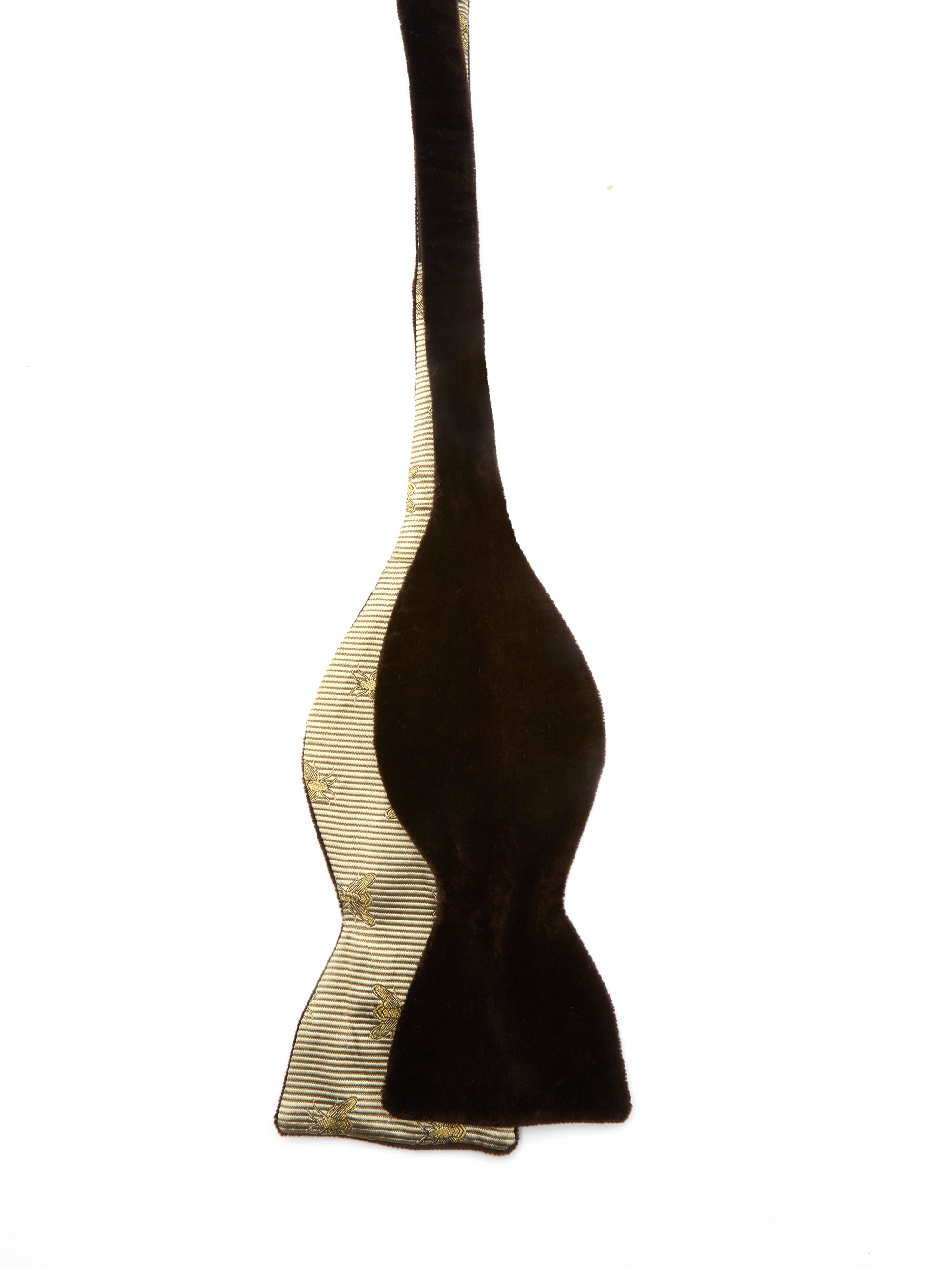
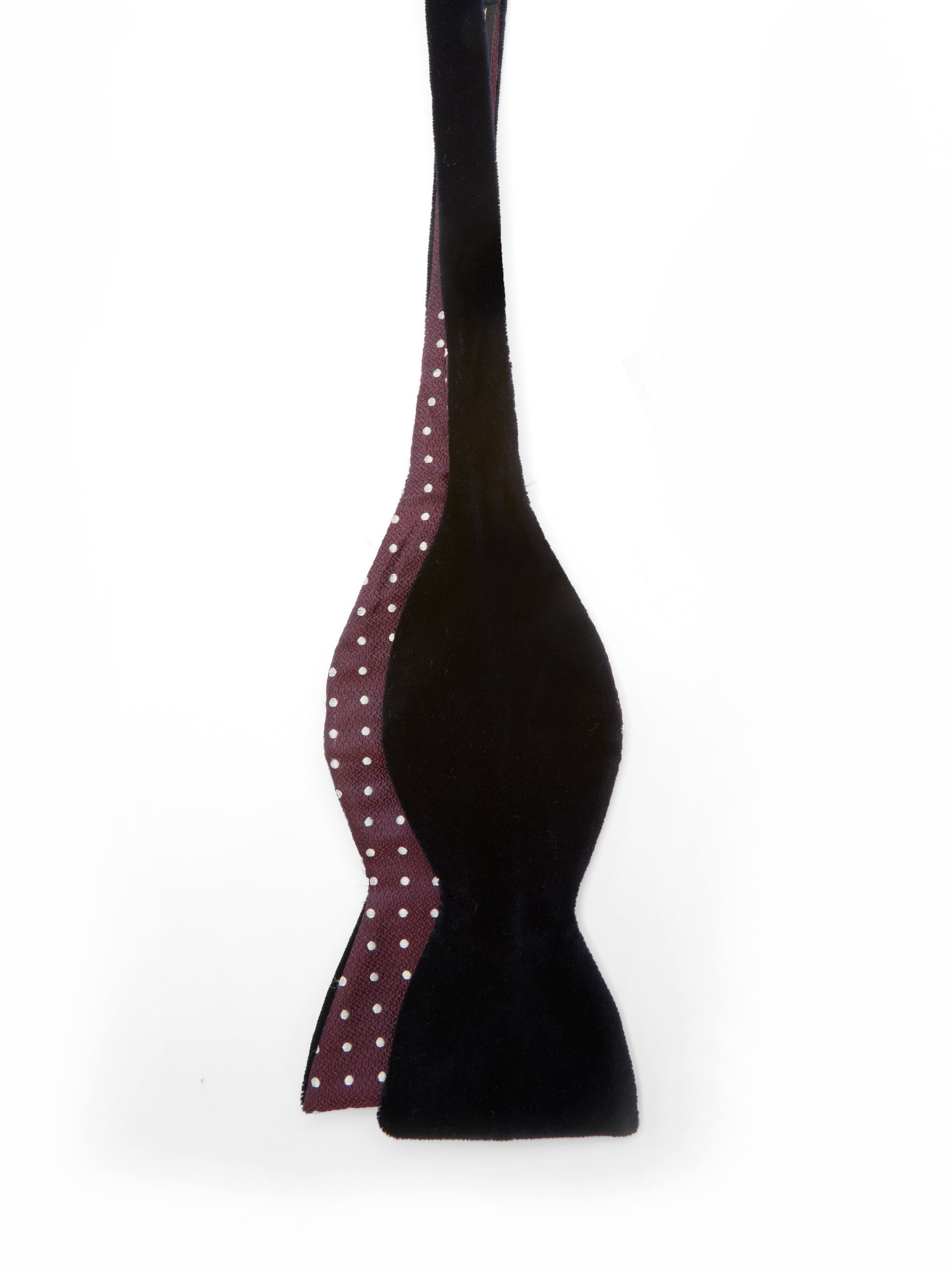
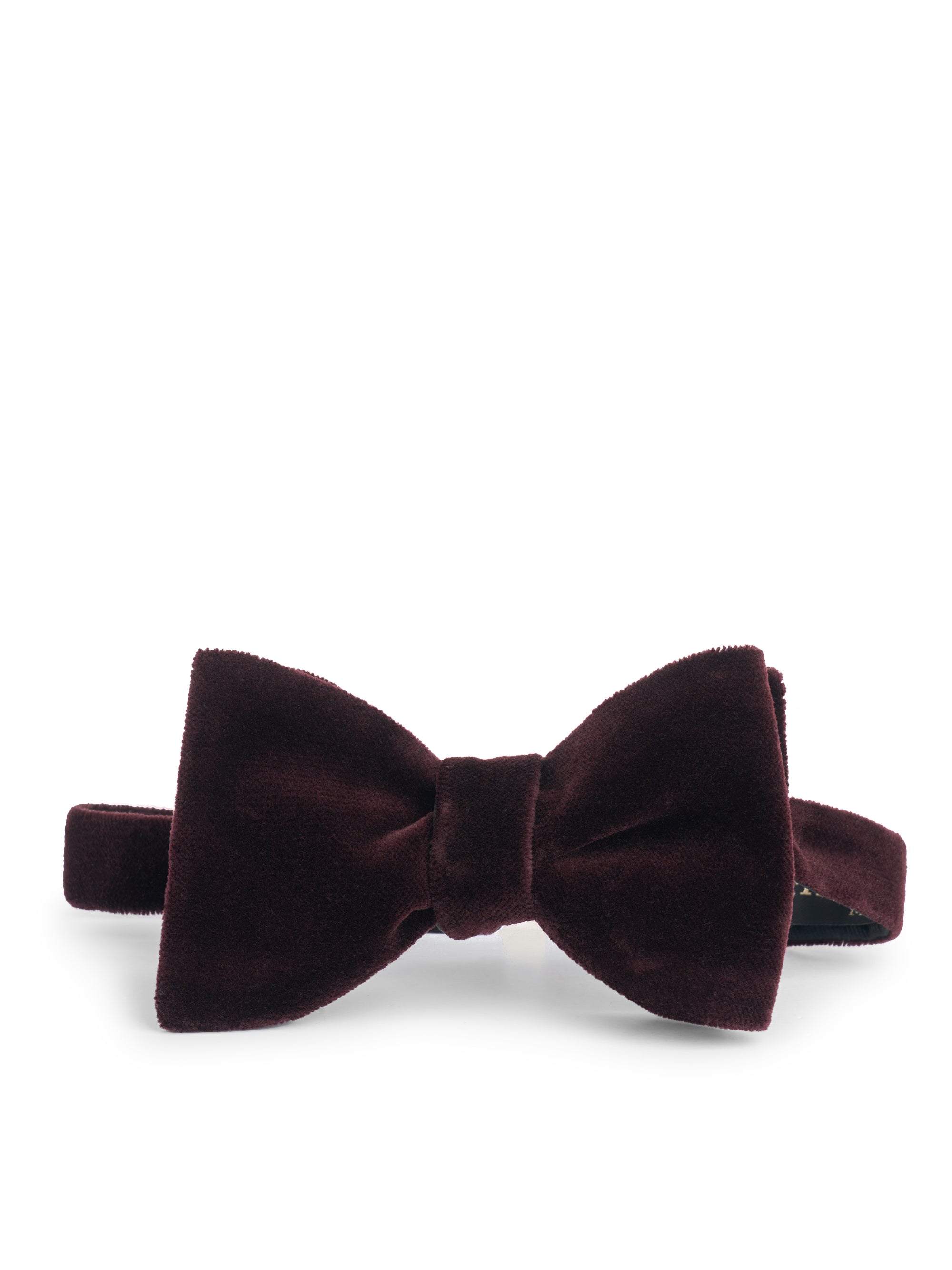
Black tie etiquette remains relatively rigid to this day, especially when in the context of traditional black tie where the bow must be black, self-tied (ideally), and match the lapels (satin for satin lapels, grosgrain for grosgrain). The butterfly shape in 2.5-inch height is canonical but one may play around with widths according to one's face shape or preference of lapels. For example, it would be churlish to opt for a dinner jacket with broad Neapolitan-style peak lapels to then furnish the look with a narrow skinny bow tie and render the proportions cartoonish. Similarly, if you are the owner of a small face, a voluminous butterfly bow tie will only draw attention to your diminutive facial vectors. 

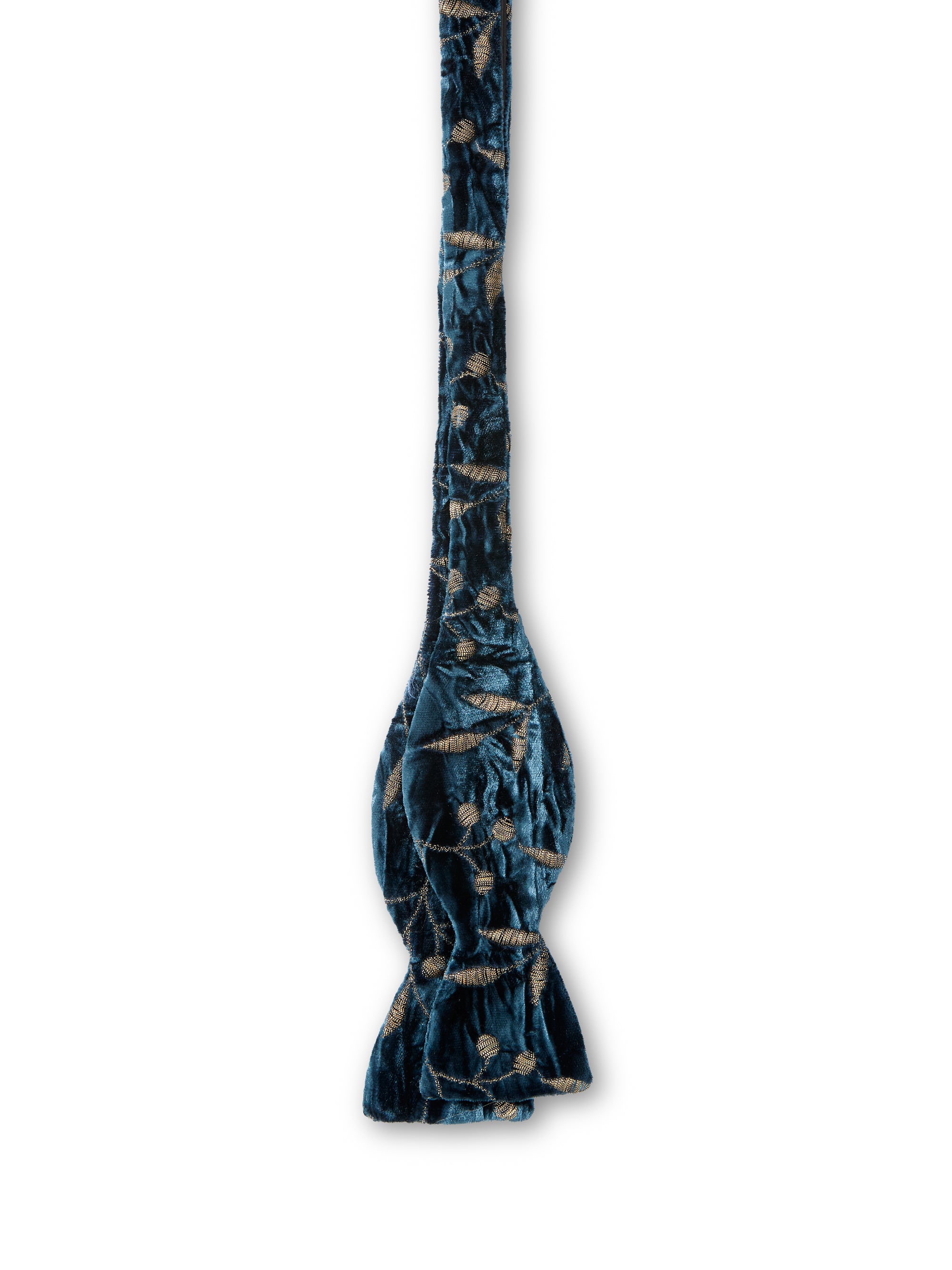
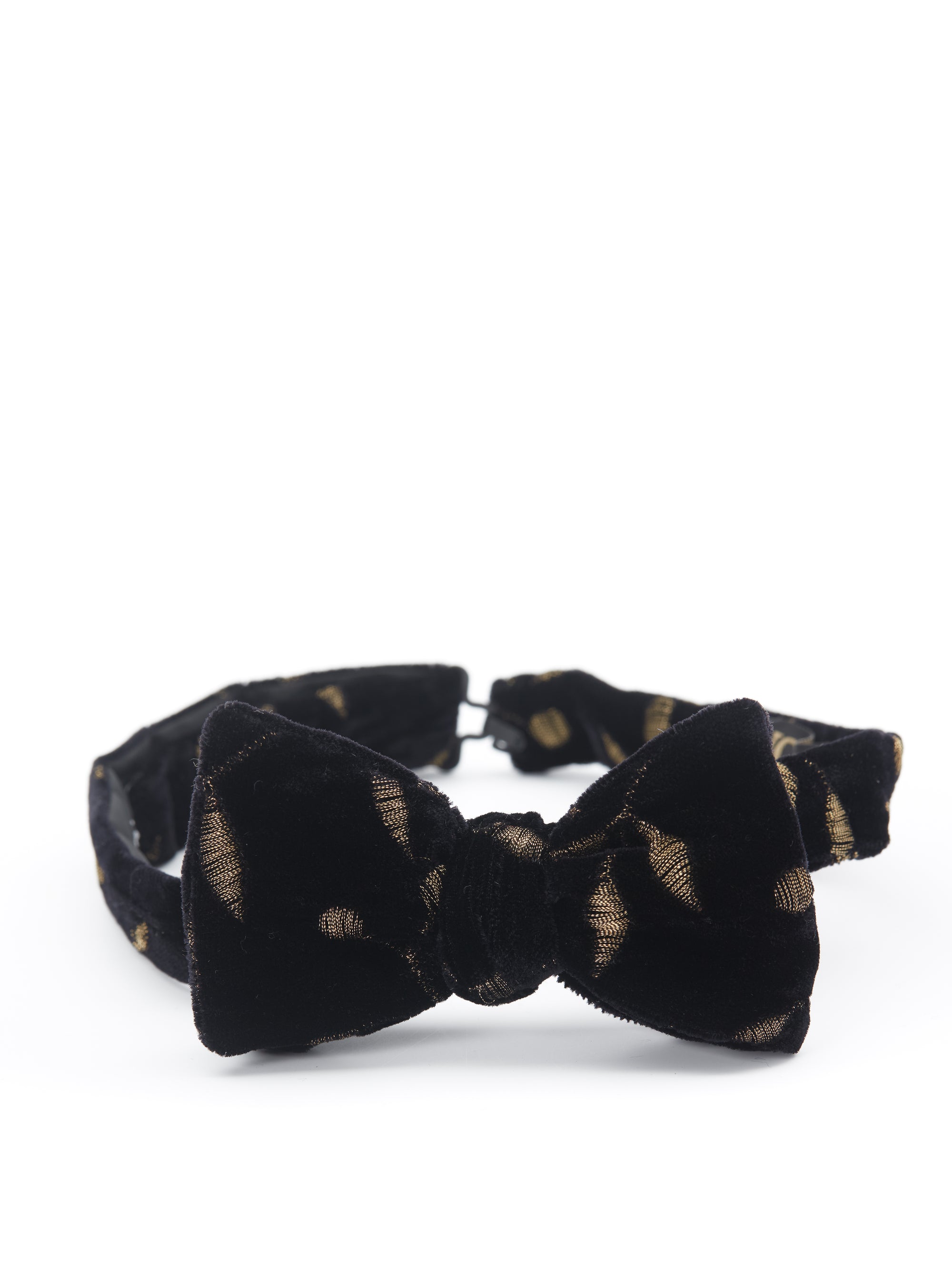
The colourful bow tie, or the bow tie that casts itself from the environs of formalwear and into the arms of everyday tailoring, is today a very rare fish, as are the eccentrics who make them their style signifier. You'll find them about the necks of the odd Wall Street veteran or country squire. To think that bow ties will circle back into mainstream use is delusional, we admit, so if you have a propensity for colourful designs, we recommend you find ways to incorporate them into eveningwear ensembles.


Older Post Newer Post

Festive Velvet Tailoring

Festive Velvet Tailoring

Elevate your style this Christmas by giving your sartorial wardrobe a velvet makeover.

Read more
The Flip Side: Meet Our Balham Jacket

The Flip Side: Meet Our Balham Jacket

Our reversible quilted Balham jacket is a metallic marvel, ideal for adding glamour and warmth to chic winter looks. With a metallic finish on one...

Read more
The Consummate Couple: Hosting A Christmas or New Year Bash

The Consummate Couple: Hosting A Christmas or New Year Bash

From drinks strategy to complementary wardrobe choreography, here's our couples guide to hosting a festive bash this holiday season.

Read more
The Register: A Festive Fandango

The Register: A Festive Fandango

As promised!  A festively themed Register to get the Christmas juices flowing sufficiently to help you glide through December in consummate style. 

Read more
Staff Picks for Christmas: What Our Team Will Be Recommending This Festive Season

Staff Picks for Christmas: What Our Team Will Be Recommending This Festive Season

As party season approaches, we asked three members of our team to reveal the garments they will be championing in the coming weeks. From velvet...

Read more
Festive Dressing: Tailoring, Not Tinsel

Festive Dressing: Tailoring, Not Tinsel

When seeing friends and family this Christmas, dressing with festive spirit doesn't mean and paper hat and tinsel scarf - instead, incorporate great tailoring and...

Read more
Olive Velvet: A Quiet Revolution

Olive Velvet: A Quiet Revolution

From a long feminine coat to men's Nehru jackets and dinner jackets, olive velvet is a seductive alternative to the bolder jewel tones, perfect for...

Read more
Dressing For Christmas: The Art Of Festive Style

Dressing For Christmas: The Art Of Festive Style

This Christmas, let Favourbrook’s velvet coats, blazers, and silk dresses take the stress out of dressing, leaving you to focus on more important things, like...

Read more
The Register: November Issue

The Register: November Issue

As consistent as a politician's principles, The Register is back this month with a mouth-watering smorgasbord of spare-time-consuming delicacies, including our favourite London eateries, winter...

Read more
Velvet Loves A Disco Ball

Velvet Loves A Disco Ball

Discover why velvet is the perfect party fabric this season.

Read more
Provenance and Exclusivity: The Hallmarks Of Favourbrook Womenswear

Provenance and Exclusivity: The Hallmarks Of Favourbrook Womenswear

Discover why our manufacturing methods and small-batch collections make a Favourbrook Womenswear garment so special.

Read more
The Interview: Joanna Jensen, Founder Of Childs Farm

The Interview: Joanna Jensen, Founder Of Childs Farm

Childs Farm founder Joanna Jensen reveals her kitchen-table origins, scaling triumphs, post-exit ventures, and style secrets—including her Favourbrook obsession—in this inspiring Q&A on eczema solutions,...

Read more