The History of the Top Hat
The top hat emerged at the end of the 18th century, when tall felt hats with broad brims began to replace the tricorne and bicorne as the mark of a well-dressed man. By the early 19th century, it had become firmly established in urban life and formal dress. Early examples were made from beaver felt, prized for its durability and weather resistance, before silk plush later became the material most associated with the hat’s glossy, unmistakable finish.
Its most dramatic forms appeared in the middle of the 19th century, with stovepipe and chimney-pot silhouettes worn by dandies, statesmen and royalty alike. Although the top hat gradually disappeared from everyday dress after the First World War, it never lost its place at the most formal events. Today, it survives where tradition still matters: Royal Ascot, morning dress weddings, state occasions and white tie events.
Top Hats at Royal Ascot
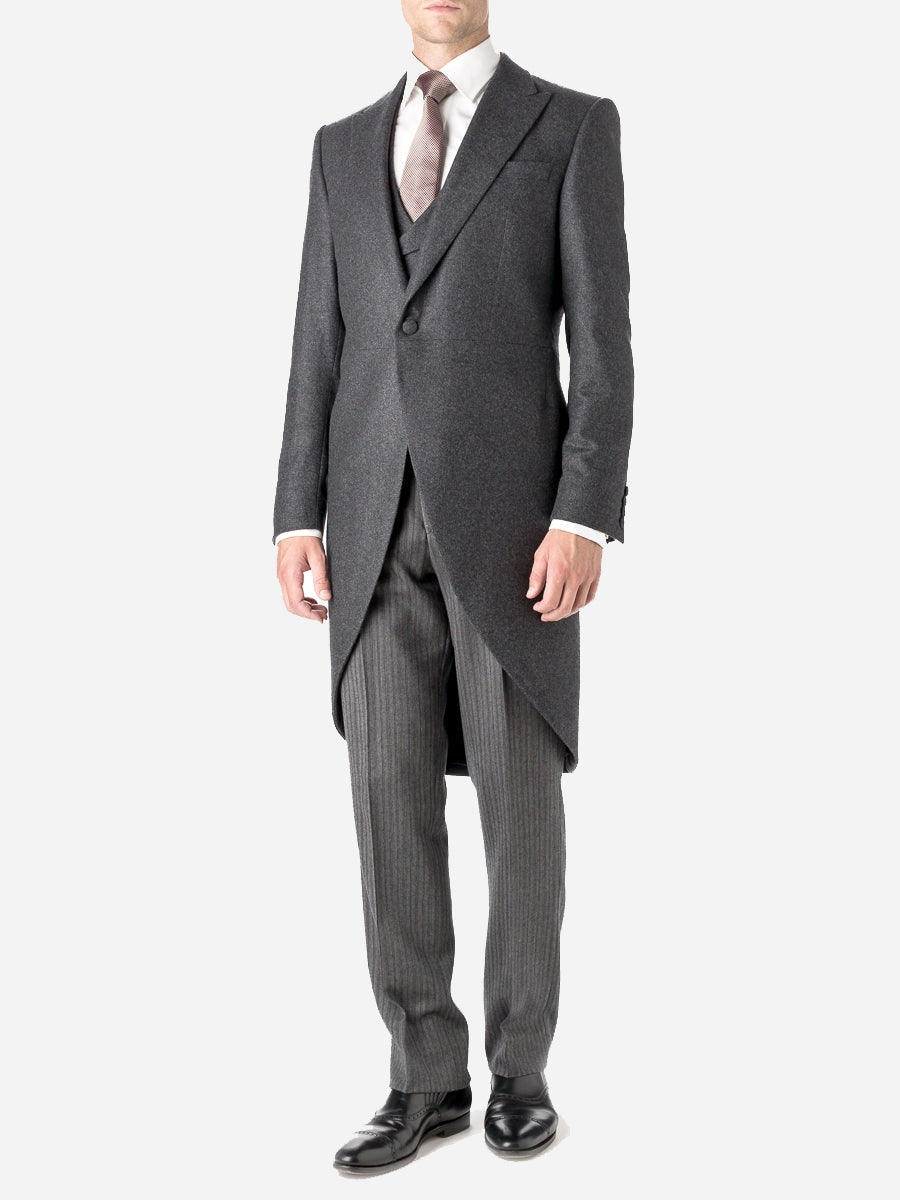
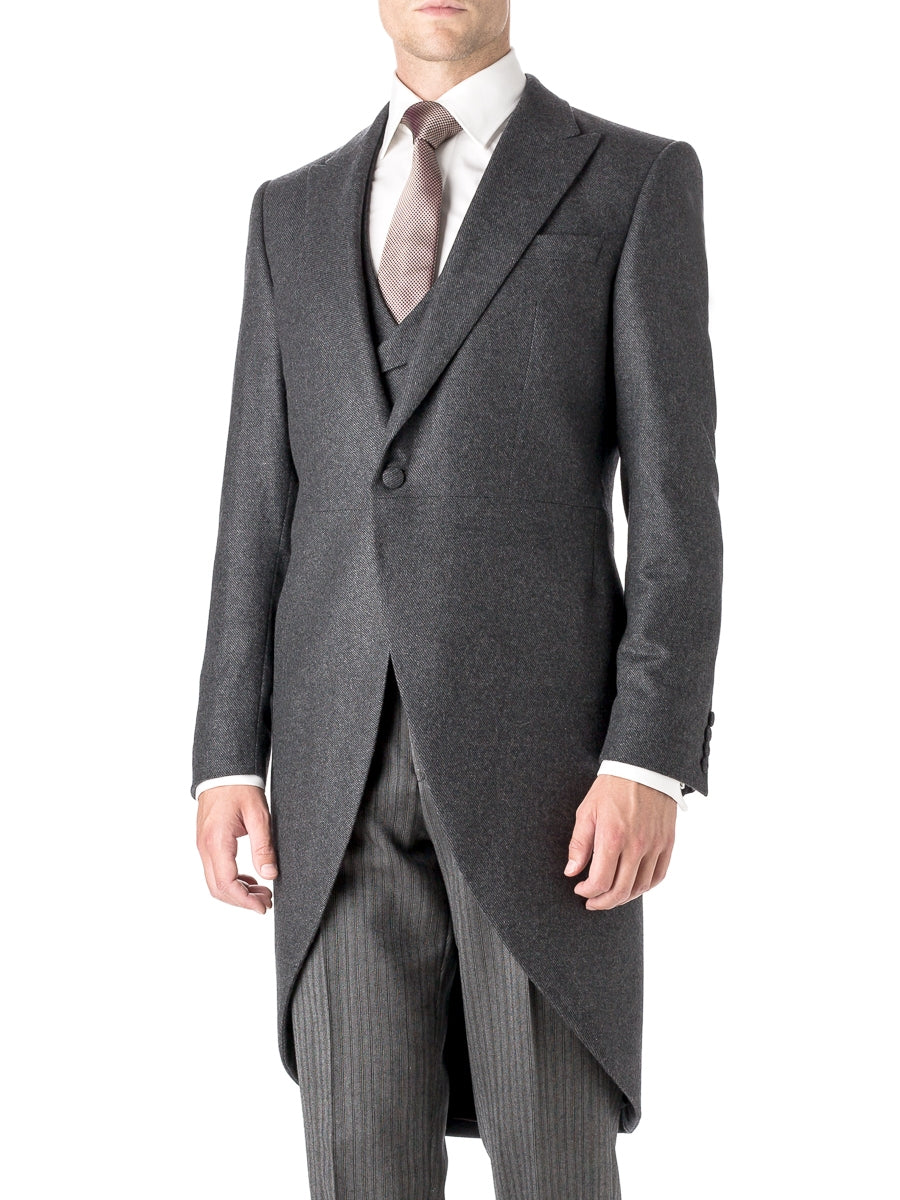
In the Royal Enclosure, a black or grey top hat is required with morning dress. It should be formal, understated and properly worn. There is no room here for embellishment, novelty trim or anything that looks self-consciously theatrical. The aim is elegance, not interpretation.
Black remains the most familiar choice and is always correct. Grey, often referred to as Ascot grey, offers a slightly softer alternative and can work especially well in daylight. Most gentlemen choose between the two depending on the colour of their morning coat and the overall tone of the ensemble.
A top hat should be worn straight, never tipped forward or perched back on the head. It should sit level, with the brim clearing the ears comfortably and the line of the crown feeling balanced from the front. Indoors, in restaurants and enclosed spaces, it should be removed. On the lawns and in the open air, it remains part of the dress.
Vintage silk plush top hats often have a depth of lustre that modern felt cannot replicate, while felt-fur styles tend to be more resilient and easier to care for, particularly in uncertain weather.
Understanding Top Hat Shape and Construction
Not all top hats are created equal. Proportion, material and crown shape all affect how a hat looks and feels when worn.
Crown Height
Traditional formal toppers usually sit somewhere between 5½ and 6¼ inches. Lower crowns can look slightly mean, while taller crowns create a more elongated silhouette and tend to suit taller gentlemen particularly well.
Brim Width
Most top hats have a brim between 2 and 3 inches, with a gentle upward curve at the sides. Small variations make a surprising difference. Narrower brims feel more period in character, while slightly wider ones can appear more balanced and contemporary.
Crown Shape
The most familiar modern shape is the semi-bell, which flares very subtly and tends to be the easiest to wear. Straight-sided stovepipe hats and fuller bell shapes are more dramatic and often feel better suited to collectors or those with a very particular eye.
Materials
-
Silk plush remains the most formal and visually striking option, especially in vintage examples. Its sheen is difficult to better, but it requires careful handling.
-
Fur felt or melusine, which Favourbrook favours, offers density, structure and greater practicality. It holds its shape well and copes better with wear and weather.
-
Wool felt is more affordable, though generally less refined in finish and less resilient over time.
How a Top Hat Should Fit
A well-fitting top hat should feel secure without pressing uncomfortably. It should sit squarely on the head, remain in place as you move, and feel almost unremarkable after a few minutes of wear. If you are constantly aware of it, the fit is probably not quite right.
To measure your head, use a soft tape measure and place it just above the ears and across the middle of the forehead, where the hat will naturally sit. Measure snugly, but not tightly, and round to the nearest eighth of an inch or centimetre. When worn, the hat should sit level and straight, with enough room to feel comfortable but not so much that it shifts easily.
If a new felt or fur hat feels a touch firm at first, that is not unusual. A good hatter can stretch it slightly if needed, but most quality hats settle with wear. Short periods indoors can help the sweatband begin to mould gently to the shape of your head. Vintage silk hats should be treated more carefully and are usually best left to settle naturally rather than being heavily steamed or manipulated.
Practical Advice for Wearing a Top Hat Well
The difference between looking comfortable in a top hat and looking faintly burdened by it usually comes down to a few small details.
-
Get the size right from the outset. Most problems begin here. A hat that is too large will never sit properly, while one that is too tight will distract you all day.
-
Pay attention to proportion. Crown height should feel in balance with your frame. Taller gentlemen can usually carry more height, while shorter men often look better in a slightly lower silhouette.
-
Think about the weather. A quality felt hat will generally cope better with a British forecast than a delicate vintage silk plush example.
-
Stand properly. A top hat rewards good posture. Worn well, it sharpens the whole bearing.

Caring for a Top Hat
A proper top hat should last for many years if treated with care. Brush felt and silk surfaces gently with a soft hat brush, always following the direction of the nap. Silk plush can be lightly buffed with white tissue to restore some of its finish. When not in use, a top hat should be stored in a proper hat box or bucket, away from heat, direct sunlight and moisture.
If the hat becomes wet, let it dry naturally at room temperature, with tissue inside the crown to help it keep its shape. Never place it near direct heat. Valuable vintage examples are best entrusted to a specialist for any deeper restoration, re-blocking or ribbon work.
Why the Top Hat Still Matters
The top hat endures because it still does something no other piece of formal headwear can. It completes morning dress with clarity and purpose, bringing height, presence and a sense of ceremony to the whole ensemble. For Royal Ascot in particular, it remains an essential part of dressing properly.
At Favourbrook, we see it not as an isolated curiosity, but as part of the wider language of formal occasionwear. Alongside our Christys’-made styles, we also offer a curated selection of vintage top hats, available exclusively in-store. For those looking for something rarer, with the character and lustre that only time can bring, they are well worth exploring.
If you are preparing for Royal Ascot or another formal occasion and would like guidance, our team at Pall Mall can help you find the right hat and the right way to wear it.